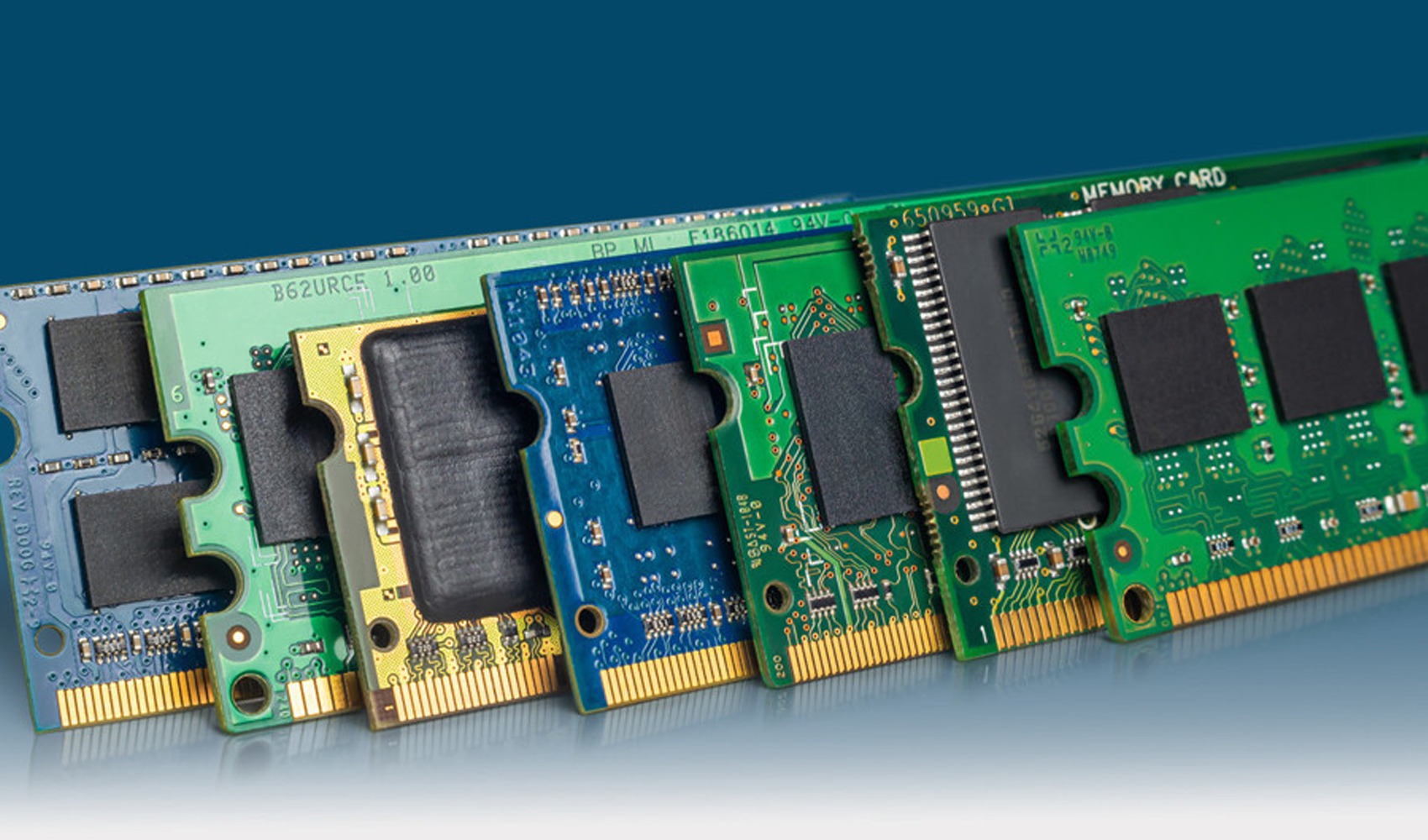
The sharp recent rise in memory prices is affecting not only the choices of users looking to upgrade their computers but also the roadmaps of processor manufacturers. It is reported that Intel and AMD are preparing to place renewed emphasis on platforms compatible with lower-cost DDR4 memory.
A recent announcement by Gigabyte has signaled a notable shift on the Intel front. The company stated that two motherboard series will support new processors using Intel's LGA 1700 socket. First introduced in 2021 with 12th-generation Alder Lake processors, the LGA 1700 platform could be used with both DDR4 and DDR5 memory options.
Intel had shifted toward a DDR5-focused line with the transition to a new socket architecture in 2024. However, Gigabyte's statement indicates that the company may be re-evaluating the older platform for new processors. It is stated that these processors could hit the market in early 2027. There has been no official statement from Intel regarding the matter.
WHY IS DDR4 COMING TO THE FOREFRONT AGAIN?
The main reason behind this trend is the increase in the cost of DDR5 memory. The fact that the LGA 1700 platform has motherboard options that support DDR4 could allow users to upgrade their processors without having to change their existing memory. This makes older platforms attractive again, especially for those building budget-focused systems.
A similar approach is seen on the AMD side. The company's decision to keep the AM4 platform, which offers DDR4 memory support, on the agenda reveals that the older generation memory infrastructure has not been completely abandoned. Gigabyte announced a new series of AM4-socketed motherboards in August.
First released in 2014, DDR4 had taken a backseat as DDR5, which offers higher speed and efficiency, became more widespread. However, difficulties in memory production and price pressure have made DDR4 an economical alternative once again.
In current market examples, it is reported that a 32 GB DDR5 memory kit is sold for approximately 620 dollars, while a DDR4 kit of the same capacity is sold at the 260 dollar level. This picture shows that despite the technical advantages of DDR5, it significantly increases the cost of an upgrade.
The fact that Intel and AMD are making room for older platforms again strengthens expectations that the problems in the memory market may not be easily overcome in the short term. While it is assessed that it may take time for prices to return to their previous levels, continuing to use existing DDR4 memory stands out as a more economical path for many users.
News Source: 12punto