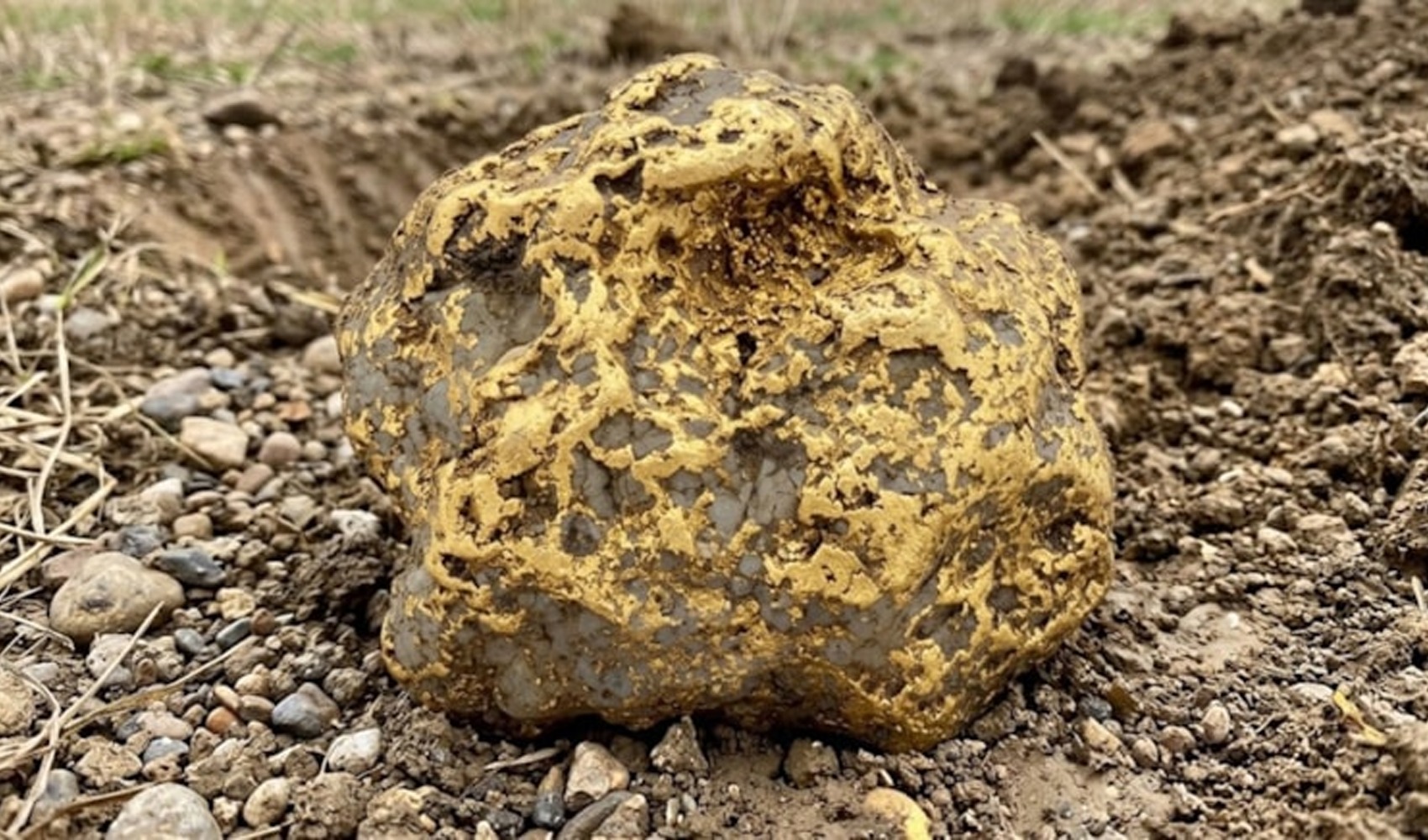
The "Alaska Centennial Nugget," found in Alaska in 1998 and recorded as the largest gold nugget discovered in the state's history, has been sold at an auction for 750 thousand dollars. The sale price of the nugget, which weighs approximately 9.14 kilograms, corresponds to approximately 36.9 million Turkish Lira at the current exchange rate.
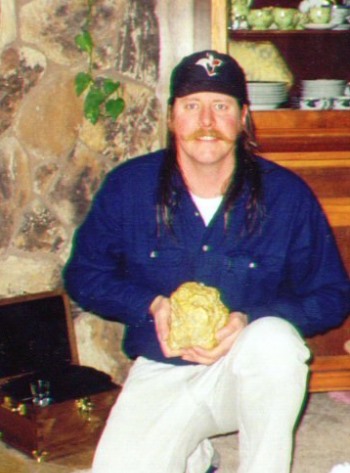
The nugget was unearthed by miner Barry Clay at a placer mining site on Swift Creek, near the town of Ruby in Interior Alaska. The piece, which was brought to light during bulldozer operations, was kept away from the public eye for over two decades before being offered for sale at the "Nature and Science" auction held by Dallas-based Heritage Auctions.
ONE OF THE LARGEST IN THE WESTERN HEMISPHERE
Measuring 17 x 14.5 x 11 centimeters, the nugget weighs 294.1 troy ounces. Named the "Alaska Centennial Nugget" because it was found on the 100th anniversary of the Klondike Gold Rush, the piece is described as being slightly larger than a softball.
Auction house officials stated that there are fewer than 50 natural gold nuggets in the world weighing more than 250 troy ounces. For this reason, the Centennial Nugget is considered one of the largest natural gold nuggets ever discovered in the Western Hemisphere.
Before the sale, the nugget was expected to fetch between 700 thousand and 1 million dollars. Sold with a final bid of 750 thousand dollars, the piece became the highest-priced item in the auction, which generated a total of 2 million 356 thousand 714 dollars in revenue.
X-ray fluorescence analysis performed on the outer surface of the gold structure, which sits on a white quartz matrix, measured an average purity rate of 87.59 percent, or approximately 21 karats. According to experts, large nuggets that retain their natural form are priced not only by their gold weight in grams but also by their value as collectibles.
News Source: 12punto