


There is no such thing as clean gold - 1 Who is erasing gold's memory?


Is gold beautiful?
Bright yellow, the color of wheat.
It does not rust, it does not tarnish, it does not disappear.
People are fond of gold.
For centuries, they have used it as a measure of value, a medium of exchange, and a store of wealth.
It has even been given virtual equivalents in banks.
It has become rings in marriages and gifts at weddings.
The poor have hidden it under their pillows, the rich have locked it in their steel safes.
Stories about gold and proverbs about gold have been etched into the collective memory of society.
With its positive and negative aspects, gold is almost a culture in itself.

(https://www.yenicaggazetesi.com/asiret-dugununde-geline-4-kilo-altin-takildi-564119)
***
Gold shines brilliantly, its presence dazzles the eyes, but it does not tell you where it came from.
The history of a ring, a bullion, or a reserve in a central bank vault is unknown.
From which soil it was extracted, which hand carried it, or which forest was cut down to get it is not seen.
When gold is melted and reshaped, it also loses its memory.
What it goes through!
The investigation by New York Times reporter Justin Scheck, published on October 19, pursues exactly this forgetfulness. (https://www.nytimes.com/2026/10/19/world/africa/dirty-gold-industry-coverup-launder-madagascar.html)
This is a study that took over a year.
The mine shafts of tropical Madagascar, the courtrooms of damp London, the refineries of Switzerland. And Istanbul.
Yes, Istanbul.
What would gold remember in glorious Istanbul?
***

First, it is necessary to understand the stages gold goes through after being extracted from the mine to reach world markets.
In large mines, the ore is first crushed, ground, and then dissolved with cyanide. A raw ingot called “doré” emerges. It contains silver and other metals alongside the gold.
“Doré” means “gilded” or “gold-colored” in French. In other words, it is not yet pure gold, but an alloy that looks like gold.
These ingots, which are filtered through cyanide leaving behind arsenic and heavy metal waste, are sent to refineries in armored vehicles and insured aircraft.
Miners and intermediaries cannot directly introduce the raw gold they obtain into the official market. They must first pass it through a refinery.
They either sell it to the refinery or have it processed and purified there. Gold can only enter the official market after passing through that door.
The refinery melts, purifies, and turns the gold into bullion.
The large bars accepted by the London market weigh approximately 12.5 kilograms (400 ounces).
But the world's major gold market does not accept every bar. The London Bullion Market Association (LBMA) is accepted as the authority on this matter.
As of August 2026, the LBMA has approved 67 gold refineries. LBMA's, (https://www.lbma.org.uk/articles/shenzhen-zhonghenglong-industrial-co-ltd-added-to-lbmas-gold-good-delivery-list?)
In London's major bullion market, gold bars produced by these refineries that meet the LBMA's international bullion acceptance standards (Good Delivery) are accepted.
Only these can enter this market.
Without LBMA approval, gold is almost unsellable in the world's largest markets.
“Almost,” because gold not approved by the LBMA also finds other ways. It reaches jewelers, traders, intermediary companies, and other refineries.
And every time gold is re-melted, it becomes harder to track which mine it came from and under what conditions. Its purity can be measured. But the damage done to nature where it was extracted is not written on the bar.
So, what is this great authority, the LBMA? Is it a government agency? An international regulator?
No.
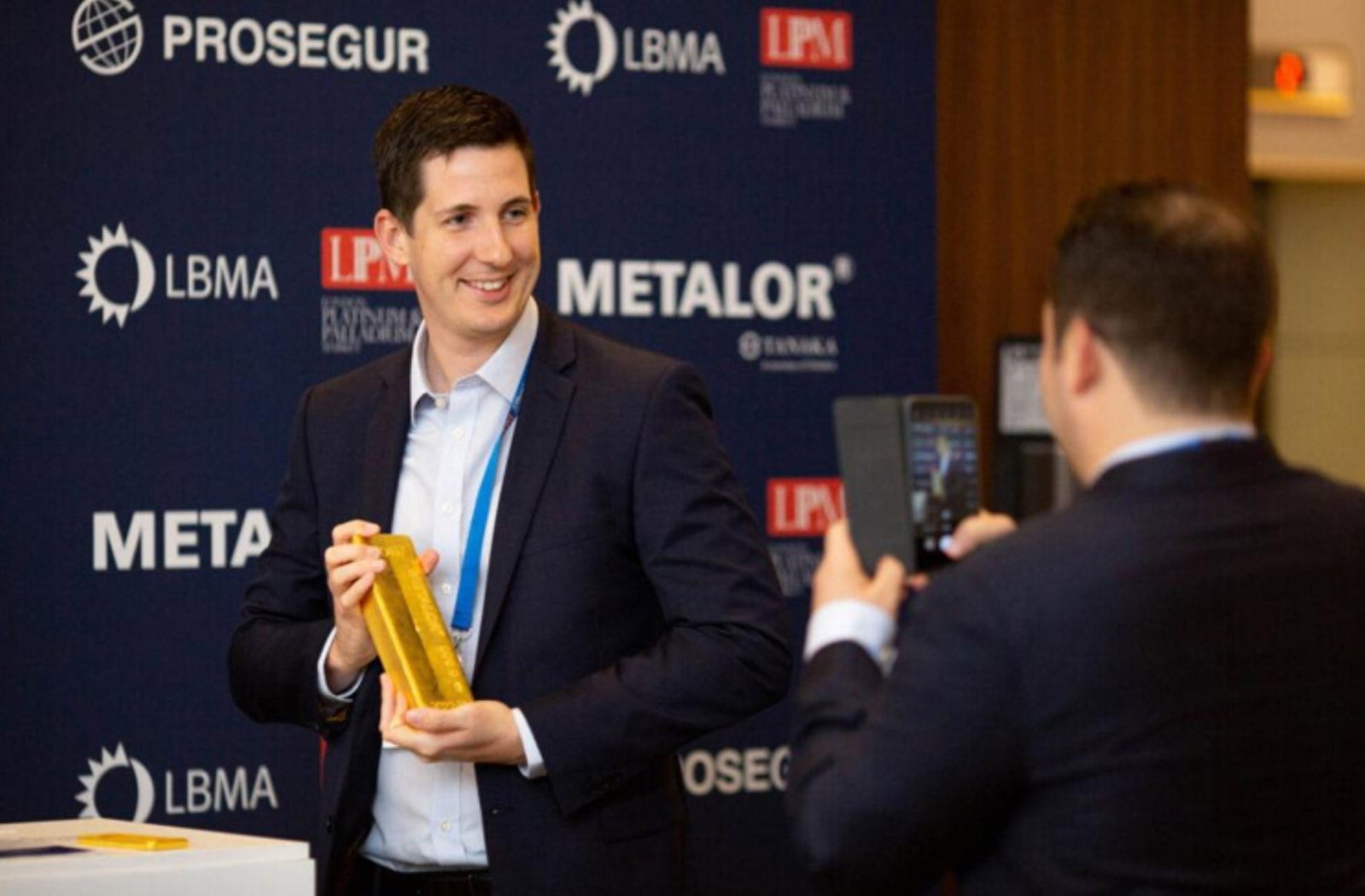
(Gold that has passed through the door: A “clean” bar at an LBMA conference.)
***
The LBMA is an industry association financed and managed by major refineries and financial giants such as HSBC, JP Morgan, Morgan Stanley, and Deutsche Bank.
In other words, it is the arm of the “Cyanide Octopus” that opens into the market.
Gold coming from refineries approved by the LBMA is now “clean” in the language of the market. It can enter circulation.
In other words, those who make money from gold decide whether the gold is “clean” or not.
The rules look solid on paper.
Social and environmental sensitivity?
It is all written on paper. Refineries are obliged to investigate the source of the gold they receive and ensure the following:
No child labor. No illegal mining. No environmental destruction. No criminal organizations. No countries under sanctions.
These are the criteria that determine whether gold is considered ‘clean’ or not.
The environmental condition was added to the rules in 2018.(https://www.lbma.org.uk/publications/sustainability-and-responsible-sourcing-report-2023/sustainability-and-responsible-sourcing-programme-highlights)
But does this condition also cover whether waters are polluted with cyanide and mercury, whether forests are cut down, and whether toxic waste is stored safely where the gold is extracted?
On paper, perhaps. In reality?
Refineries that the LBMA deems suitable for trading in the international gold market must document where the gold they process comes from and undergo independent audits.
But who audits this in the field?
According to the New York Times, largely the refineries themselves.
The refinery examines the mines, the refinery writes the report. The association mostly just files the incoming paperwork.
The “independent” auditors who review the reports are also chosen and paid by the refineries themselves. (https://gazeteoksijen.com/new-york-times/trilyon-dolarlik-sektor-yasa-disi-altini-nasil-akliyor-istanbul-altin-rafinerisi-de-radara-takildi-293158)
An inconsistency is only seen if an outsider exposes it. An informant, a journalist, a prosecutor. Even then, serious sanctions rarely follow.
The contradiction documented by the New York Times tells the whole story on its own.
On the LBMA website, CEO Ruth Crowell introduces the association as the standards body that determines how precious metals are refined and traded globally.
In an article she wrote in 2024, she says they set standards for 85 to 90 percent of global gold production.
However, it is debatable to what extent the LBMA, which has such great power in the world gold market, assumes the responsibility that comes with this power.
***
However, when looking at the courtroom in London, a completely different picture emerges.
The families of two 23-year-old small-scale miners, who were allegedly killed by security forces while searching for gold at the North Mara gold mine in Tanzania in 2019, filed a lawsuit against the great authority, the LBMA, in 2022. The hearings began on October 7, 2026.(https://www.reuters.com/world/africa/tanzania-gold-mine-deaths-centre-case-against-london-accreditor-refiners-2026-10-07/)
84 percent of the mine belongs to the Canadian company Barrick, and 16 percent belongs to the Tanzanian state.
The aspect of the case concerning the LBMA is this: The families say that despite years of human rights abuse allegations regarding the mine, the LBMA did not withdraw the approval of the India-based MMTC-PAMP refinery, which processes North Mara gold, for the international gold market.
If the LBMA had wanted to, it could have suspended the refinery and exerted pressure.
Local people searching for gold in Tanzania. Photo: David Chancellor)
For the first time in the UK, victims of human rights abuses are accusing the body that approves refineries in the international gold market of breaching its duty of care toward them.
The families' lawyer, Dominic Grieve, likens the LBMA's approval system to a thick smokescreen that allows abuses to continue.
What does the LBMA say in response to these?
It denies all allegations.
It argues that it approves refineries, not mines, and cannot be held responsible for the actions of the police. (https://www.lbma.org.uk/lbma-position-on-the-north-mara-mine-claim)
It writes the same thing in its 2026 report: It does not certify mines and mining companies. It says no organization can audit the entire gold market. (https://www.lbma.org.uk/publications/sustainability-and-responsible-sourcing-report-2026/chapter-3-about-lbma-and-its-sustainability-responsible-sourcing-programme)
Canadian Barrick, which owns the majority of the mine, had also announced in 2024 that Tanzania's Human Rights Commission had found no violations regarding security at the mine.
And it was Barrick itself that requested that investigation. (https://www.barrick.com/English/operations/north-mara/mining-with-integrity/barrick-provides-update-to-unsubstantiated-human-rights-allegations/default.aspx)
The Indian refinery MMTC-PAMP says it no longer buys gold from this mine.
According to Human Rights Watch, based in New York, which investigates human rights abuses worldwide, it had continued to buy until 2024. (https://www.hrw.org/news/2026/10/01/uk-trial-challenges-gold-industrys-responsible-gold-certification.)
In the arms of the Cyanide Octopus, what is left unsaid is more than what is said!
But what is truly remarkable is the LBMA's language in court.
The association, which is a global authority in the public eye, describes itself here as a small, non-profit organization that lacks the personnel, expertise, and resources to be held responsible for mines.
“If the court decides that we have a legal responsibility to prevent human rights abuses and that we have failed to fulfill this responsibility, the compensation claims and other financial liabilities we would face could exceed the strength of our organization,” it says.
The trial began at the London High Court on October 7, 2026. It concluded on November 20 with the parties' final arguments. A verdict is expected. (https://www.reuters.com/world/africa/top-accreditor-gold-refiners-families-artisanal-miners-london-court-case-2026-09-28/
Meanwhile, 30 more people have joined the lawsuit. Their cases are being held until the outcome of the first two families' case. (https://www.leighday.co.uk/news/press-releases/2026-news/new-allegations-of-killing-and-torture-by-security-forces-at-african-gold-mine-as-30-people-join-legal-claim-against-the-london-bullion-market-association-over-clean-gold-certification/)
So which is true? A global authority or a small association?
Both at once.
A giant when it comes to power, a dwarf when held accountable.
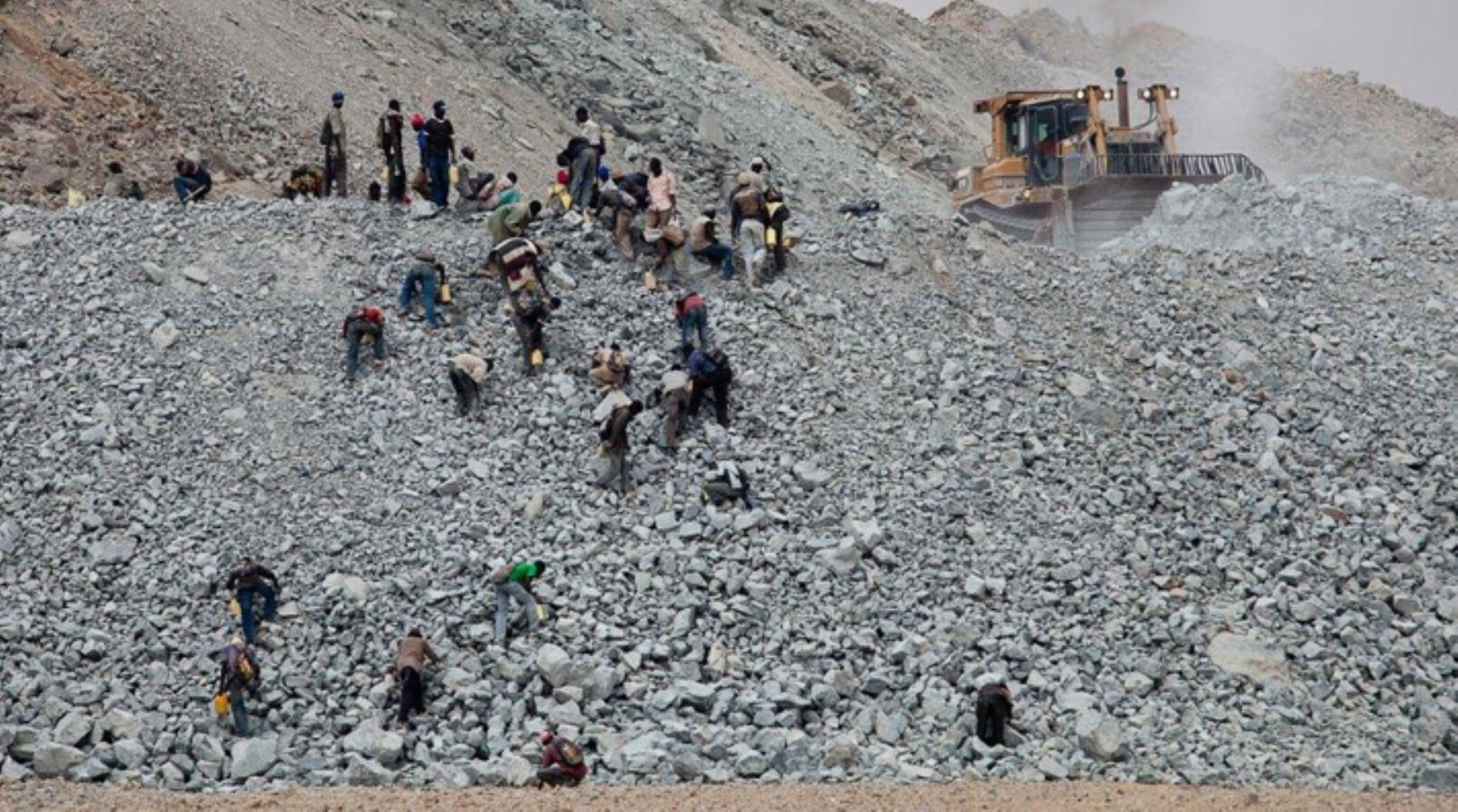
(The construction site of the Canadian company Barrick, which operates the gold mine in Tanzania)
***
In Madagascar, the situation is even more frightening!
Madagascar is the world's fourth-largest island, located in the Indian Ocean off the southeast coast of Africa. It is one of the poorest countries in the world.
According to data from the United Nations Children's Fund (UNICEF), more than 230,000 children work in the country's various mines. (https://www.unicefusa.org/stories/how-unicef-supports-families-prevent-child-labor-madagascar?)
The New York Times reporter goes to the Madagold mine in the north of the country.
What he sees and describes is as follows:
Children breaking rocks. Children carrying buckets of ore. Children drinking water from wastewater pipes. Small children wandering around the mouths of wells exceeding 30 meters.
The government's regional mine inspector says it clearly: All gold mining in the region is illegal. Mines on the east coast are operating despite the state's closure orders.
The inspector's name is Firmin Razafindratondra. The place he is talking about is the Diana region in northern Madagascar.
Heavy machinery is turning rice fields into giant pits.
Trees are being cut down in protected forests to make support beams for mine shafts.
The habitat of lemurs, among the world's most endangered primates, is being destroyed.
And a few years ago, the Central Bank of Madagascar made a decision. To take advantage of rising prices, it would create a national gold reserve.
Where is the gold being collected from?
According to state documents, some of it is from the Madagold mine where children work.
Some of it is from muddy pits in the surrounding area. Most of the remaining gold is provided by intermediaries who buy gold from mines operating without state permission.
But for this gold to gain value, it needs to get approval from the London Bullion Market Association, the LBMA.
The Governor of the Central Bank of Madagascar, Aivo Andrianarivelo, also says this clearly.
The bank first knocks on Switzerland's door.
It doesn't work.
Refineries ask about the source and legality of the gold and do not receive satisfactory answers.
An expert from SWISSAID, a Switzerland-based independent aid organization that also researches international gold trade, explains that no refinery wanted to buy this gold.
According to the New York Times, the international audit system worked exactly here, preventing gold of suspicious origin from entering the world market.
However, another door would open for Madagascar's gold.
In 2023, this door opened in Istanbul: Istanbul Gold Refinery.
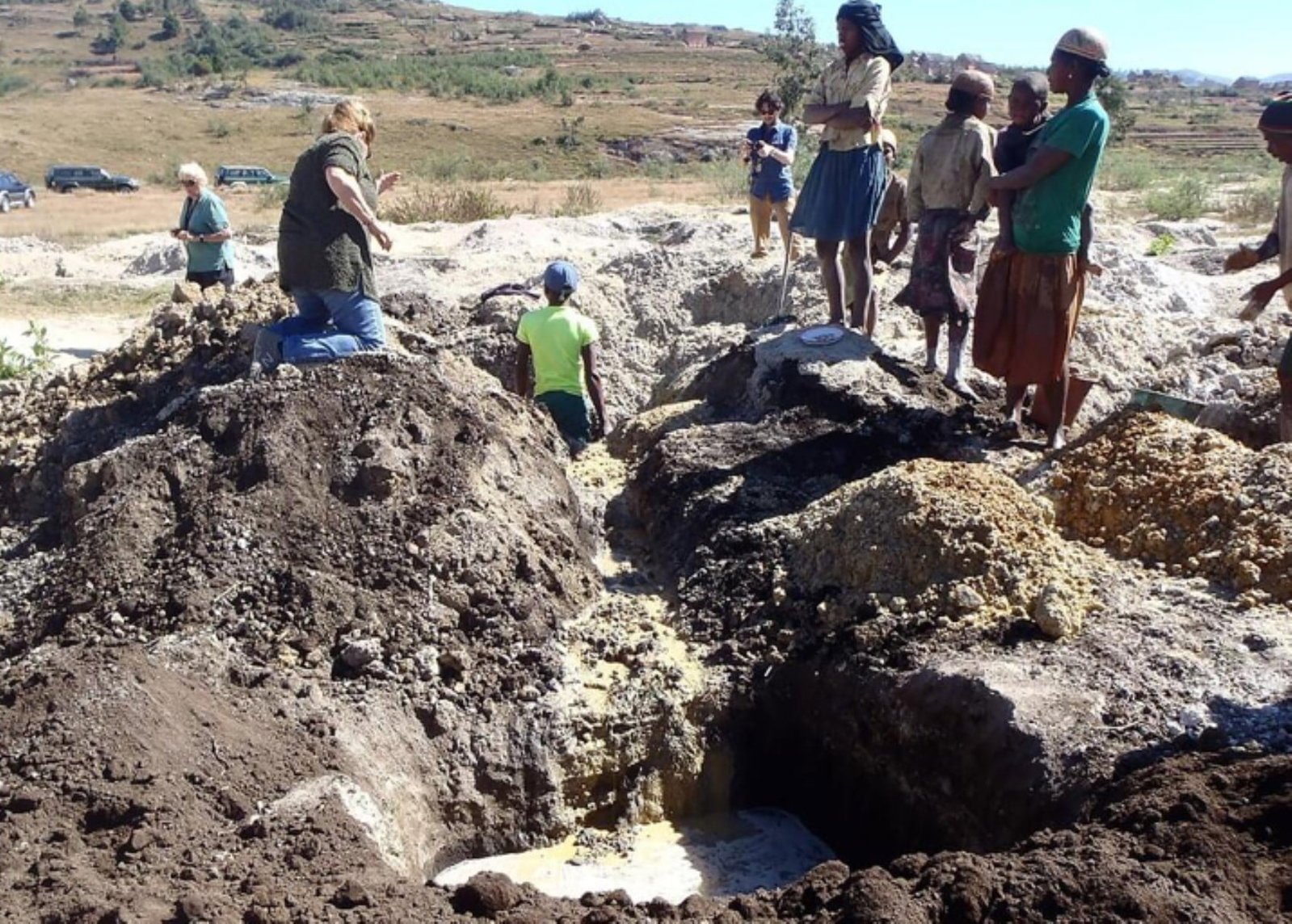
(Images of gold exploration and excavation activities in the Maevatanana region of Madagascar)
***
Istanbul Gold Refinery (İAR) is one of the world's largest LBMA-certified refineries.
Turkey's first official gold refinery.
It was established in 1996 with the contributions of the Undersecretariat of Treasury and the Istanbul Gold Exchange, where gold trading was officially conducted.
In 2002, it merged with Halaç Jewelry, which originated from the Grand Bazaar, and approximately 99 percent of its shares passed to the Halaç family.
İAR is the fifth-largest industrial enterprise in Turkey on the Istanbul Chamber of Industry's 2024 list.
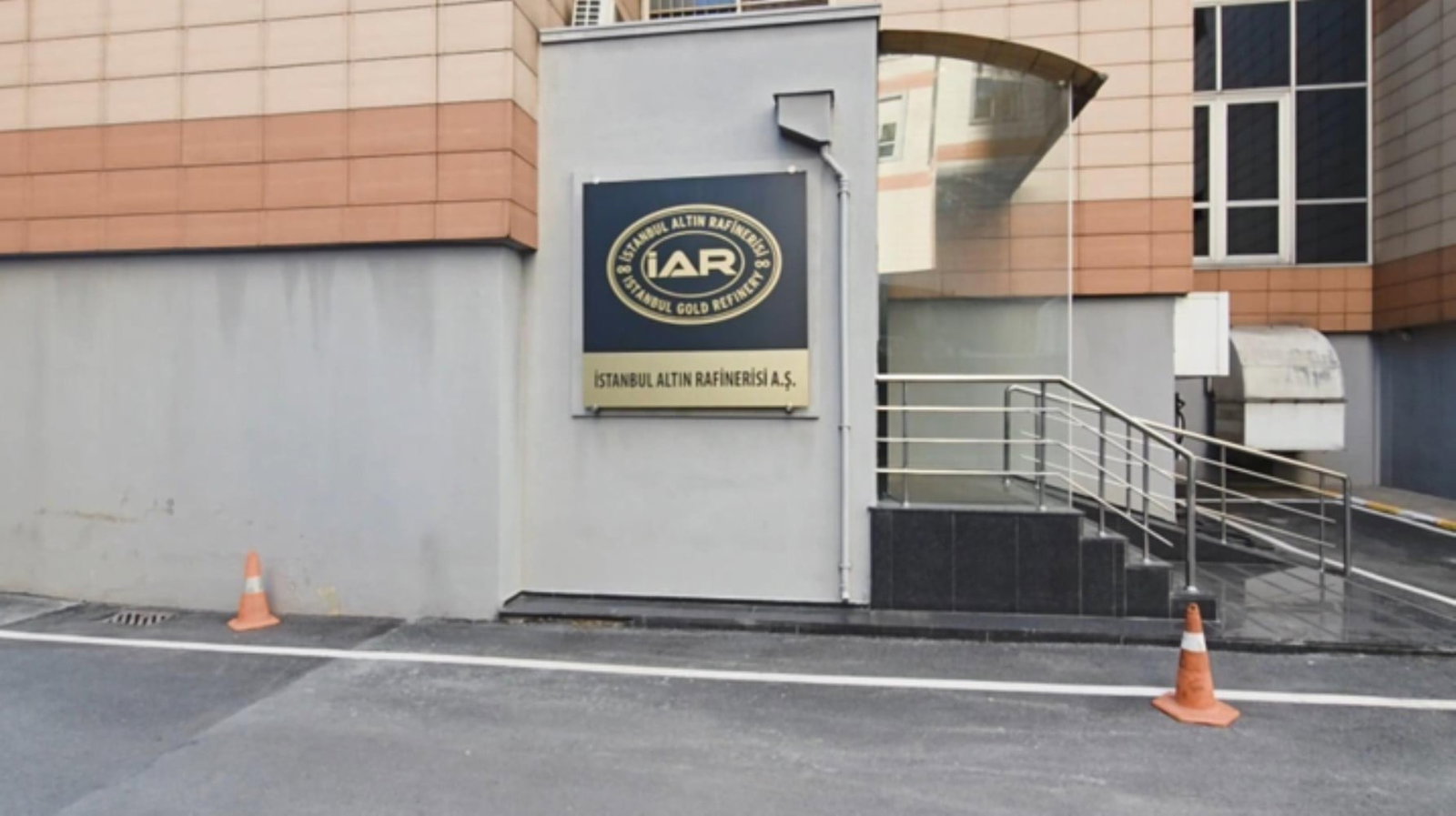
(Istanbul Gold Refinery)
Only TÜPRAŞ, Ford Otosan, Star Refinery, and Toyota are ahead of it. (https://iso500.org.tr/istanbul-altin-rafinerisi-as?birinci500=1&yil=2024)
Its annual processing capacity is stated to be 1,380 tons. (https://www.hurriyetdailynews.com/amp/over-20-detained-in-istanbul-gold-refinery-investigation-214376?)
Unable to prove to refineries in Switzerland that its gold was produced under conditions compliant with international standards, the Central Bank of Madagascar this time makes an agreement with the Istanbul Gold Refinery.
However, a striking contradiction emerges here.
According to records examined by the New York Times, the first audit documents covering the year 2023 state that the Istanbul Gold Refinery does not do business with high-risk mines.
Yet, in the same year, gold from Madagascar had entered this refinery's supply chain.
This declaration is important. Because according to LBMA rules, gold with suspicious origin and production conditions requires special scrutiny.
When such a risk is identified, the refinery is required to conduct more detailed research and, if necessary, on-site audits. (https://www.lbma.org.uk/publications/responsible-gold-guidance-v9)
Reporting that there is no risk raises the question of why these examinations were not conducted.
Later, information regarding the risky sources in Madagascar is added to the audit documents. The New York Times alleges that this change was made with retroactive dating.
In other words, the newspaper claims that the audit documents were altered afterward, distorting the truth.
The LBMA, on the other hand, argues that the auditor's opinion was not changed, and only explanatory information was added to the report. (https://www.lbma.org.uk/articles/correcting-false-information-new-york-times-article?)
So, how did the gold that is the subject of all these audit debates come from Madagascar to Turkey?
Raw gold is turned into 12-kilogram bars at a facility next to Madagascar's international airport. Tens of millions of dollars worth of gold are sent to Turkey. And it mixes into the legitimate market.
The story seems to end here.
But it doesn't.
***
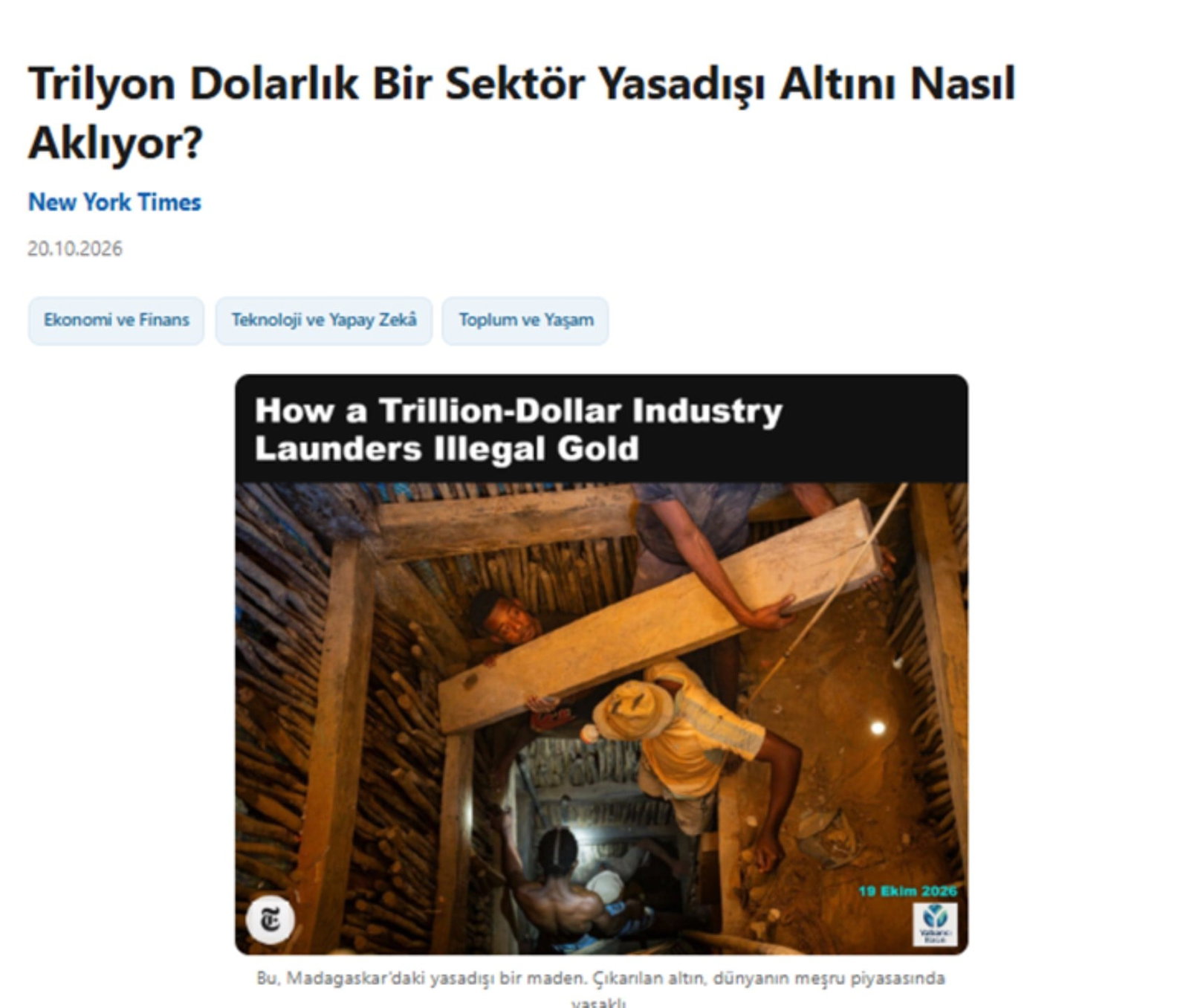
But a coincidence occurs.
At that time, the European Union is considering giving the LBMA a new audit role.
While an EU inspector is reviewing the files, he notices the Madagascar agreement.
And he asks a simple question: How can a refinery that buys gold from Madagascar see no risk at all?
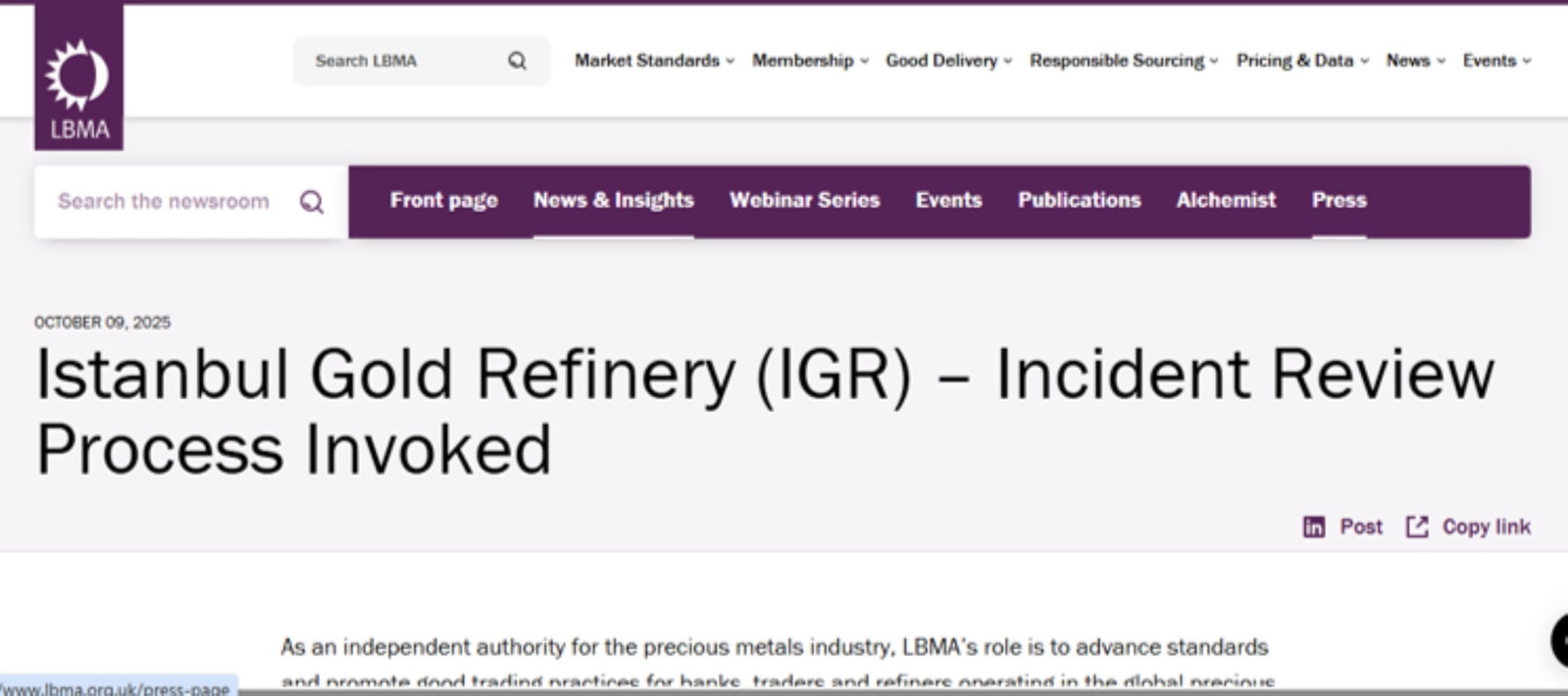
The debates regarding Madagascar gold come before the board that evaluates whether refineries approved by the LBMA comply with international gold trade rules.
Ruth Crowell, the top executive of the LBMA, is also on the board.
As a result of the evaluation this board would make, the LBMA could have suspended the approval it gave to the Istanbul Gold Refinery, or even withdrawn it completely.
According to the New York Times, it does not punish.
On the contrary, it covers it up. (https://www.nytimes.com/2026/10/19/world/africa/dirty-gold-industry-coverup-launder-madagascar.html?)
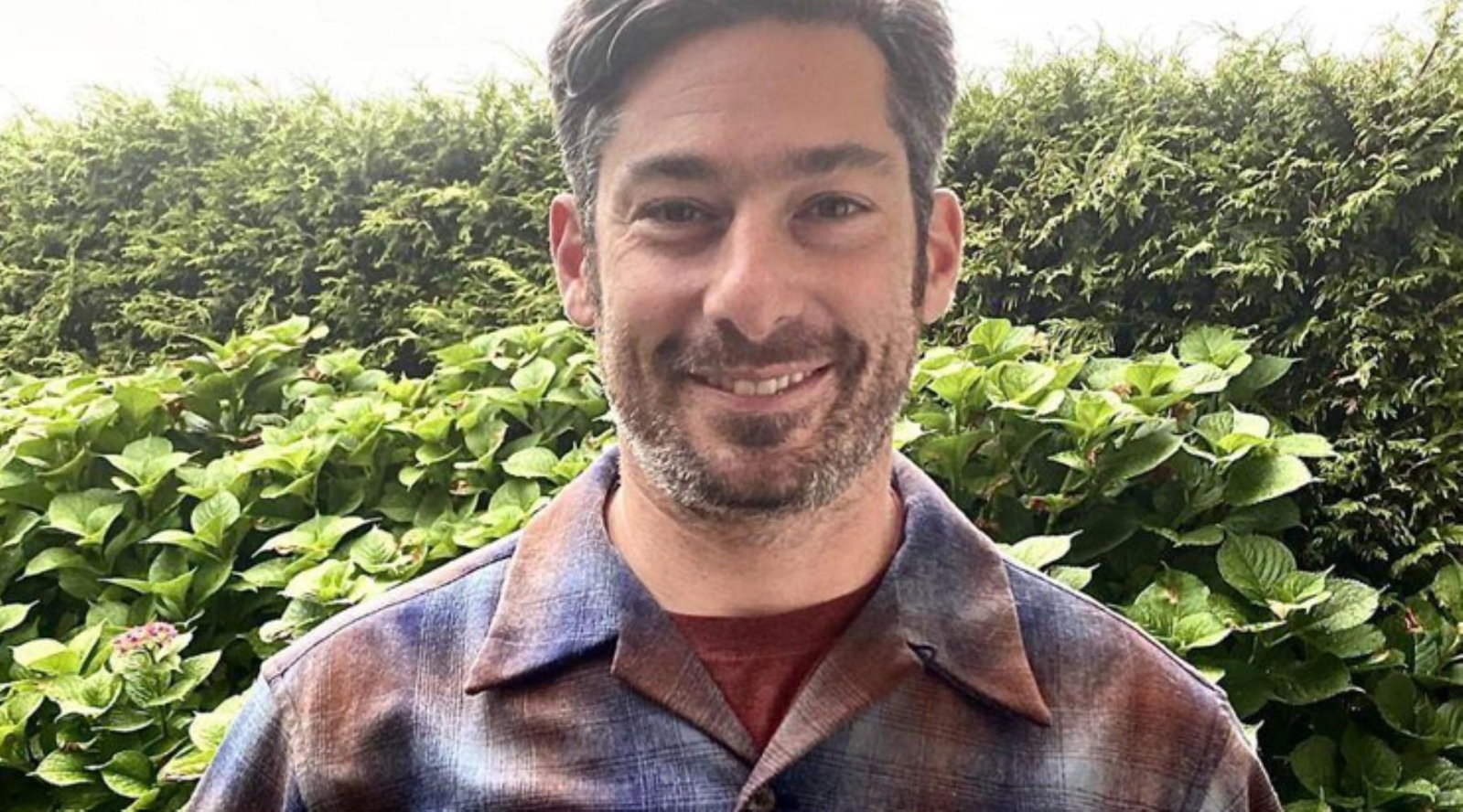
(Justin Scheck, who conducted the research published in the New York Times)
LBMA officials prepare a new report together with the refinery's auditor.
This report creates the impression that the Istanbul Gold Refinery had reported the suspicious situations regarding the source of the gold from the beginning and had audited the stages the gold passed through from the mine to the refinery.
It admits that the gold came from small-scale, risky mines. But it reaches a conclusion: There is no child labor in these mines.
According to the New York Times' allegation, although the report was prepared afterward, it was dated as if it had been prepared earlier.
Again according to the NYT, this report is still on the LBMA's website today. Without a single note that it has been changed.
Moreover, the newspaper also emphasizes this: Even in its corrected version, the report does not comply with the rules.
Because the Istanbul Gold Refinery neither audited the mines itself nor had them audited by an independent party.
It based the information that there was no child labor on the party selling the gold, namely the Central Bank of Madagascar. There is no such possibility of self-declaration in the rules.
Mustafa Salali, the manager of the refinery responsible for auditing the compliance of the gold's source and trade with international rules, tells the New York Times that they trusted the word of the Central Bank of Madagascar.
According to Salali, since the LBMA accepted the audit result, everything was in accordance with the rules.
***
Ruth Crowell, the top executive of the LBMA, admits that some mistakes were made during the audit process.
However, the explanations regarding how these mistakes were corrected do not match.
Crowell first says that the investigation into the Istanbul Gold Refinery and the sanction applied were announced to the public. Later, she admits that no such announcement was made.
The LBMA says it asked the Istanbul Gold Refinery to address the deficiencies that emerged in the audit and to determine the necessary measures to prevent the same problems from recurring.
The Istanbul Gold Refinery, on the other hand, says they were only asked to update the audit report.
In the end, the file is closed.
The Istanbul Gold Refinery retains the LBMA approval that is valid in the international gold market.
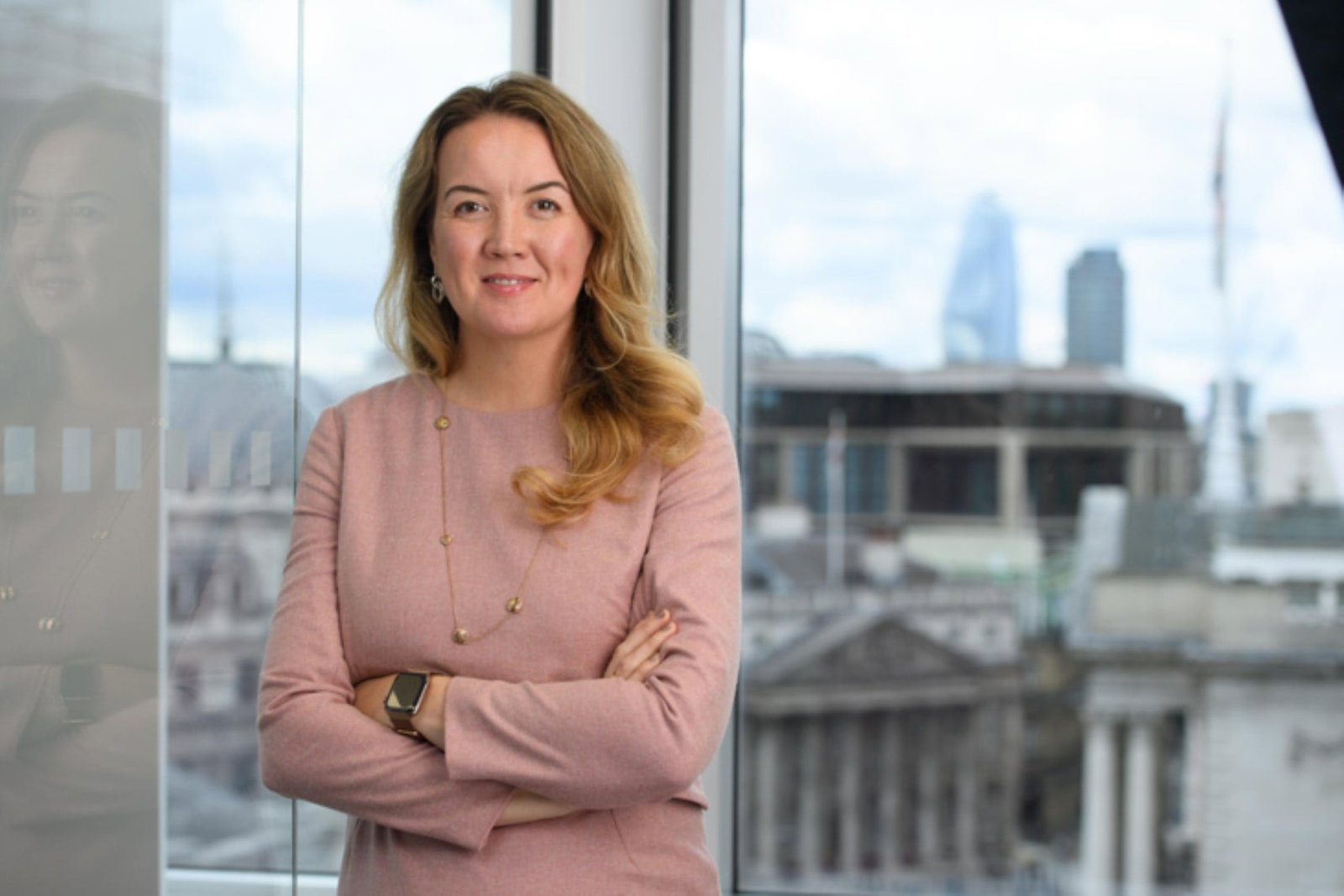
(LBMA CEO Ruth Crowell)
***
The Governor of the Central Bank of Madagascar also admits that children are present in the mines and that safety rules are not followed.
But he says the children are not breaking rocks, they are doing support work for the miners.
He describes the miners as very small and very poor people who believe that only God will protect them.
The result?
Swiss refineries that once turned him away are now calling him and wanting to buy gold. Because the LBMA has declared that there is no problem with the gold.
The picture that emerges reveals how the audit system in the international gold trade works.
Moreover, instead of conducting an independent investigation into whether the gold was produced without the use of child labor, the Istanbul Gold Refinery relies on the assurance given by the Central Bank of Madagascar, which sells the gold to it.
Is this called an audit, or laundering?
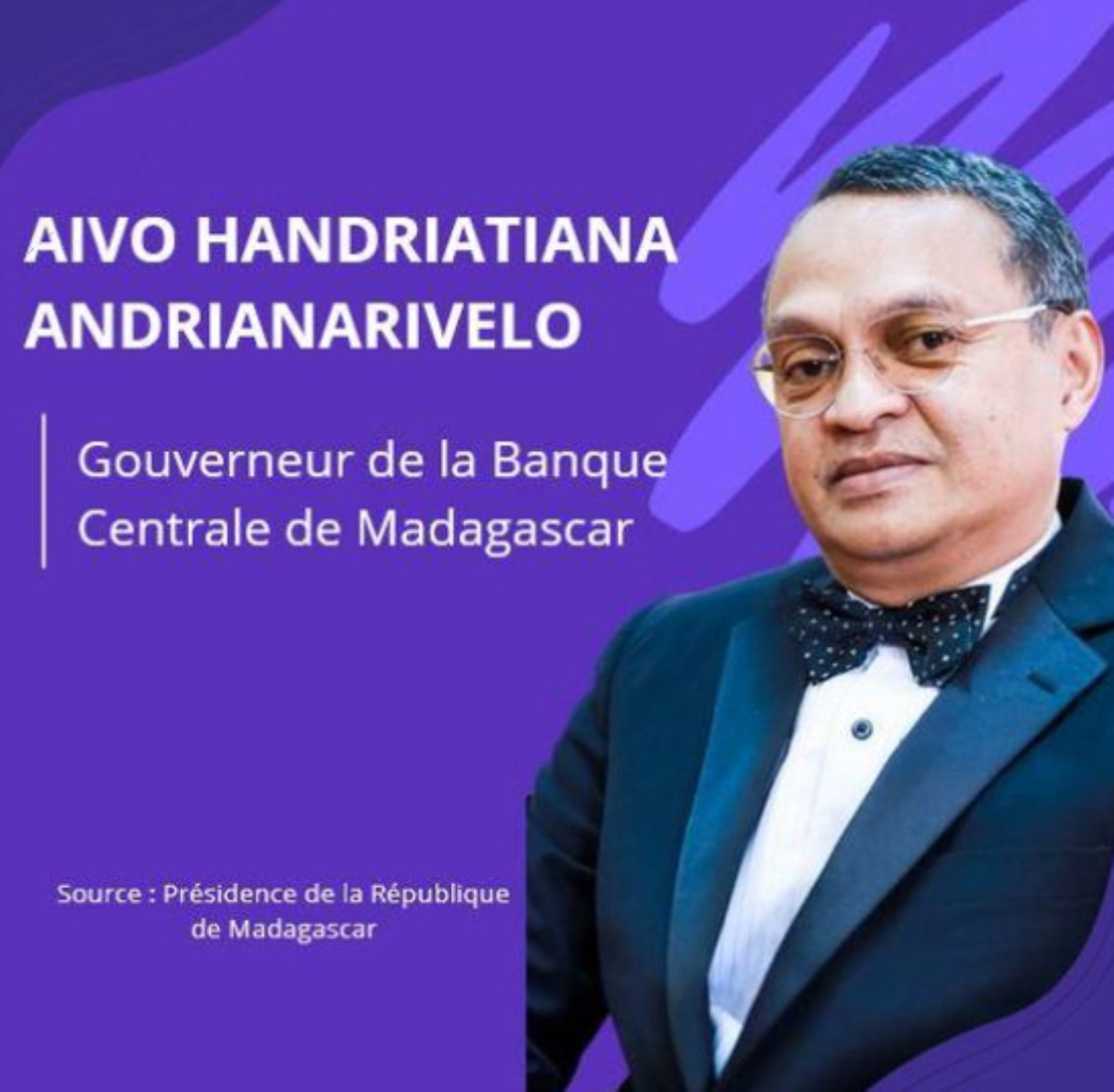
(Governor of the Central Bank of Madagascar, Aivo Handriatiana Andrianarivelo)
***
The Istanbul Gold Refinery is not only mentioned with Madagascar in the NYT's file.
According to the newspaper, in 2021, the LBMA learned that the same refinery had bought gold from small-scale mines in Mauritania, where forced labor is well-documented.
The refinery had not reported this, nor had it reported any mine audits. The association still decided that no rules had been broken.
And the name of this refinery is mentioned this time in its own country, in another file.
That file is not in London, but in Istanbul.
It will be reflected in the next article.
Would you like to get notifications about new developments and save news?
- NotificationsNew developments and breaking news
- SaveNews is stored in the app
Most Read

Petty officer wounded in weapons accident in Şırnak has died

First statement from Çiğdem Batur after investigation launched against her
Is technology for humanity, or for exploiting humanity?
Downpours, snow, and strong winds are coming

Nobel laureate Stiglitz's alternative to neoliberal capitalism: Progressive Capitalism
There is no such thing as clean gold - 1 Who is erasing gold's memory?

Boğazdan yükselen gemi sesleri bana neyi hatırlatır?

An economics piece: Did Ali Koç buy shares too?

The cheapest new cars have been announced

The person who ended their life by jumping from the bridge turns out to be a businessman!