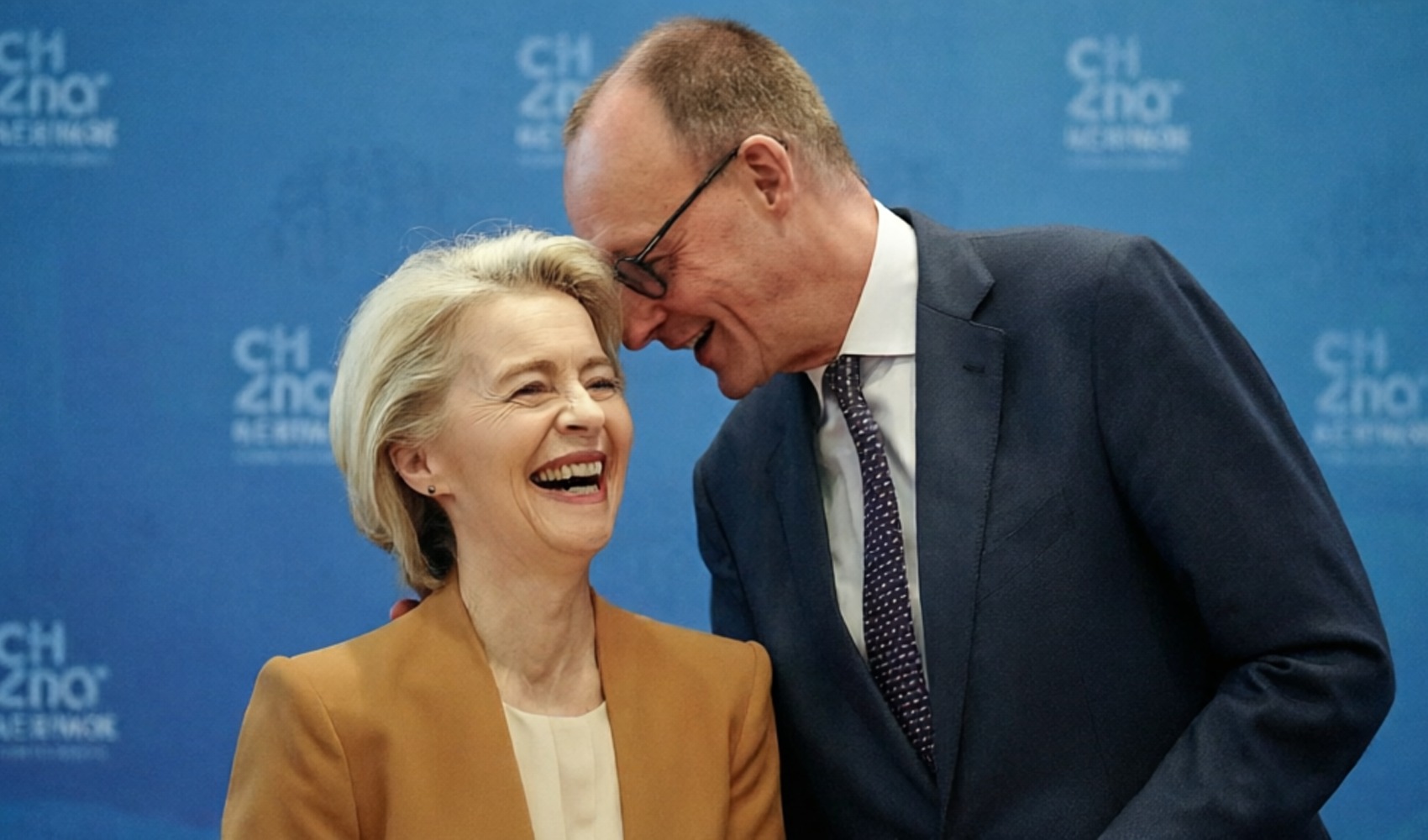
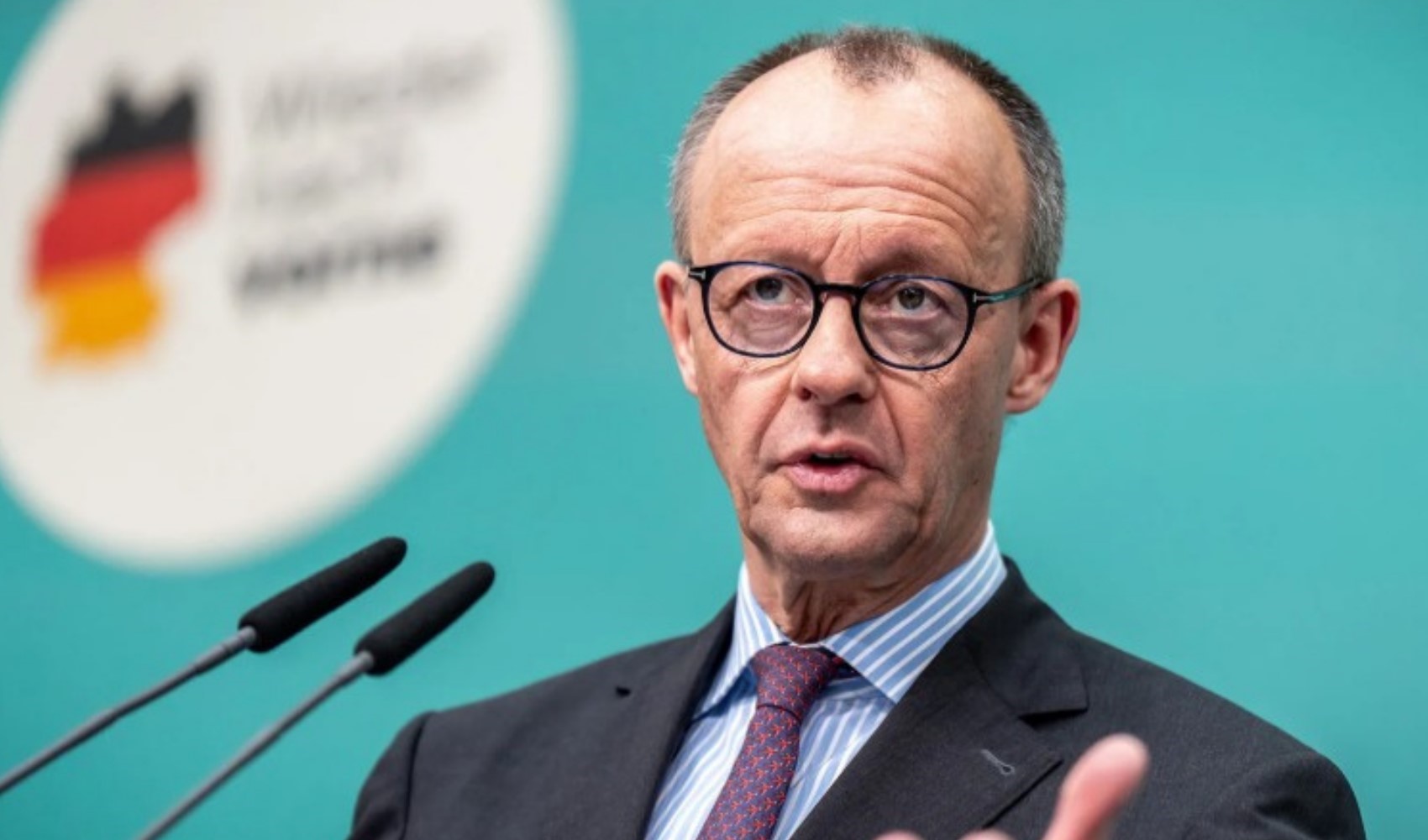
German Chancellor Friedrich Merz has taken a joint stance with countries that are net contributors to the EU budget against the European Commission's approximately 2 trillion euro budget proposal for the 2028-2034 period. While the prime ministers of Austria, Denmark, and Finland attended the meeting held in Berlin, the leaders of the Netherlands and Sweden joined the talks via video conference.
In his statement at the Chancellery, Merz noted that the budget increase envisioned by Brussels is incompatible with current economic conditions. Emphasizing that the criticisms should not be viewed as "stinginess," the German Chancellor said, "We are not stingy."
The six countries that met in Berlin are among the members that make the highest net contributions to the EU budget. Merz stated that this group finances nearly 40 percent of the 27-member Union's total budget and covers approximately 70 percent of the bilateral aid provided to Ukraine.
DEMAND FOR BUDGET CUTS
The European Union's current seven-year budget, covering the 2021-2027 period, stands at approximately 1.2 trillion euros. The European Commission, however, is proposing a framework of approximately 2 trillion euros for the 2028-2034 period, which represents a net increase of 60 percent when the impact of inflation is taken into account.
Merz argued that this proposal is "unaffordable" at a time when all member states are seeking savings in their own public finances. The Chancellor stated, "We are all in agreement in this group: The proposals must be trimmed by hundreds of billions of euros. These cuts must cover all areas without exception."
Merz also demanded not only a reduction in the budget but also its structural renewal. Stating that "we cannot meet the challenges of the 21st century with a 20th-century budget," Merz expressed that resources should be directed toward areas such as Europe's competitiveness and defense capacity.
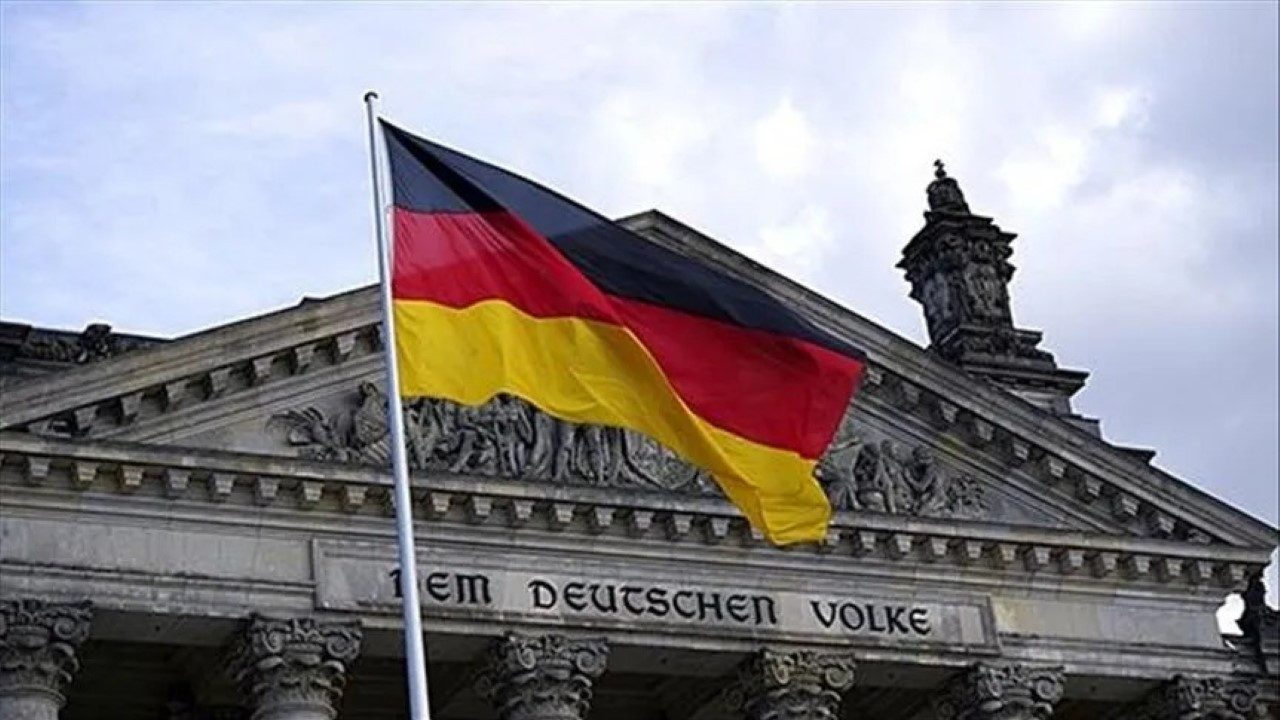
Austrian Chancellor Christian Stocker also said that more savings and reforms are needed. While stating, "No one can accuse us of not being ready to contribute," Stocker noted that for Austria, agricultural and regional development funds should "never be forgotten," adding a cautious note to Merz's call for cuts in all areas.
Danish Prime Minister Mette Frederiksen said that the EU budget could be larger than it is today, but that the proposal on the table is "definitely too high." The joint statement pointed out that approximately 300 billion euros in resources were not requested or used by member states during the current budget period.
In contrast, there is also a large bloc within the Union that supports a larger budget. Some net recipient countries, including the Baltic states, Poland, Hungary, Italy, and Portugal, want to ensure that there are no cuts, especially to agricultural and regional development funds.
A DIFFERENT MESSAGE FROM VON DER LEYEN
Speaking in Paris at the same time as the meeting in Berlin, European Commission President Ursula von der Leyen argued that the budget should be increased. Pointing to Europe's geopolitical position against China, Russia, and the US, von der Leyen said, "The future budget will be the financial backbone of our independence."
The Commission President said that while Europe sets new goals, it must also provide the resources to finance them. This approach indicates that the negotiations, which will begin in the autumn, will be tough given the cut demands of Merz and his allies.
The topic of defense also came to the fore in the discussions. Finnish Prime Minister Petteri Orpo reminded that his country has a 1,340-kilometer land border with Russia and stated that the new budget must recognize the security, infrastructure, and economic needs on the eastern border.
The first critical stage in the negotiation process will be the compromise proposal expected to be presented by Ireland, which holds the EU presidency, at the beginning of October. Member states have until the end of the year or early 2027 at the latest to reach an agreement. Otherwise, it is assessed that the presidential election process in France could lock the negotiations for months.
News Source: 12punto