

Pezeshkian: If we have survived until today, it is thanks to the Iranian people
In his assessment of his two years in office, Iranian President Masoud Pezeshkian stated, "If we have survived until today, it is thanks to the noble Iranian people who have kept us together. In any case, the situation we are facing today is the most difficult process we have experienced in post-revolutionary history."



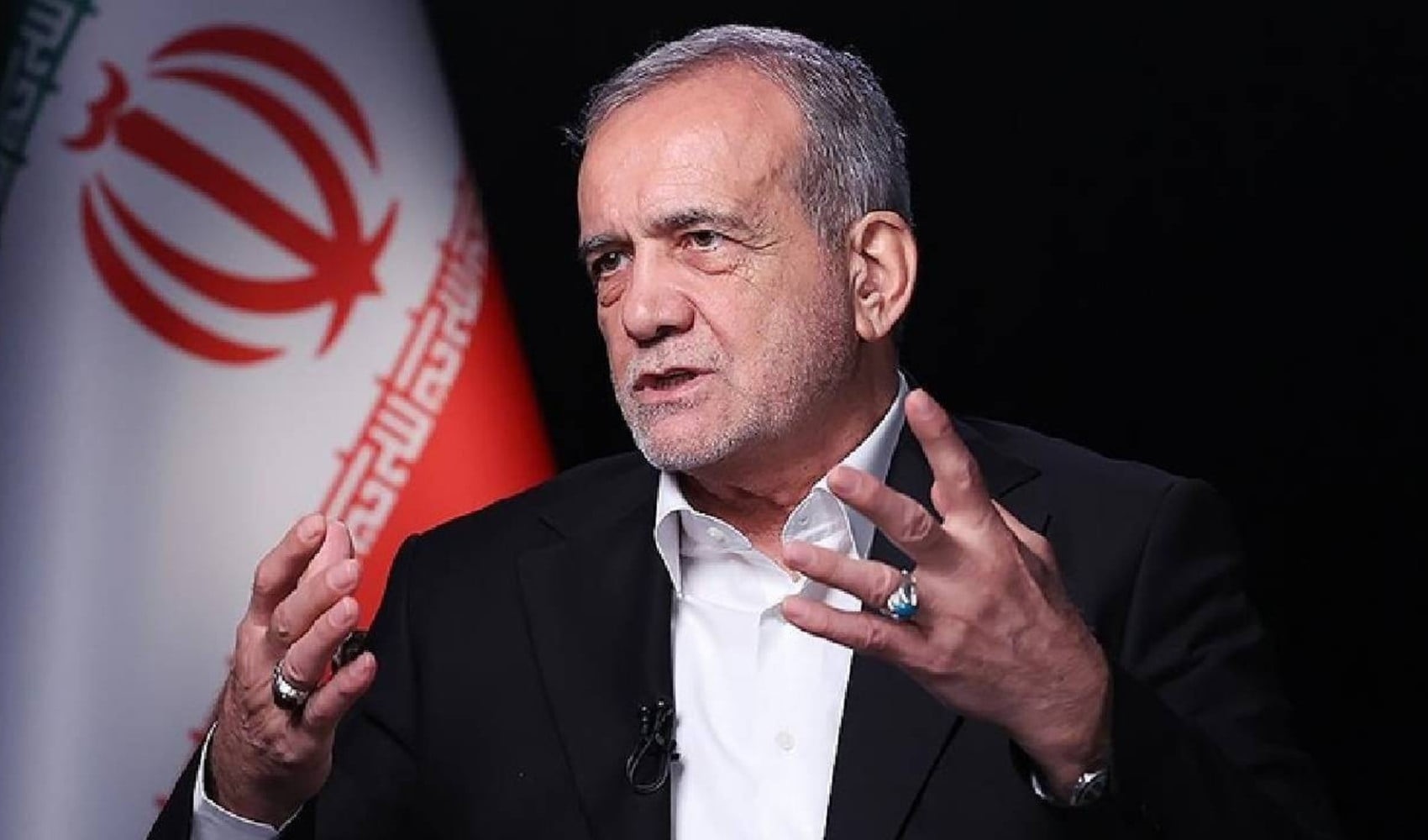
Iranian President Masoud Pezeshkian answered questions from the official Iranian news agency IRNA regarding the Iranian agenda during his two years in office and the process following February 28, when the joint US-Israeli attacks began.
Pezeshkian said, "Throughout this period, the enemy's entire effort has been to divide us. If we have been able to reach this point, it is because of the noble Iranian people who have kept us standing. This was not just the people on the streets; it also included those who carried resentment and complaints in their hearts but did not take to the streets or cause trouble for the sake of Iran. They not only refrained from causing trouble, but on the contrary, they supported, showed solidarity, and acted in unity." he stated.
Reflecting on his two years in the presidency, Pezeshkian recalled the killing of former Hamas Political Bureau Chief Ismail Haniyeh in an airstrike in the capital, Tehran. Addressing the country's electricity, natural gas, and water shortages, Pezeshkian brought up the Western countries' decision to reinstate United Nations Security Council (UNSC) sanctions on Iran. Pezeshkian also evaluated the 12-day war between Iran and Israel last year and the street protests during the December 2025-January 2026 period. Pezeshkian said, "Despite all these difficulties and problems, the government, administrators, governors, district governors, employees, the public, and the armed forces have carried the country to this day. In the midst of all these problems, the government has made every effort to prevent the emergence of sentiments that those who prepare wars and plans have tried to create among the public in order to cause social collapse. They wanted to destroy our society, but this did not happen, and the country has been governed strongly until today."
"The most difficult process we have experienced in post-revolutionary history"
When asked whether he meant the public protesting the government, the public who took to the streets after the US-Israeli attacks, or a specific segment when he constantly emphasized "the people" in his speeches, Pezeshkian said, "By 'the people,' I mean everyone living in this country, regardless of their beliefs, opinions, gender, or ethnic origin. The government's duty is to approach everyone on the basis of justice and treat them equally. Unfortunately, we have many problems in this regard, and we need an opportunity to correct this process."
Arguing that all efforts to partition Iran were made throughout this process but that they survived thanks to the resilience of the country's people, Pezeshkian referred to the 1979 Islamic Revolution and said, "If we have survived until today, it is thanks to the noble Iranian people who have kept us together. In any case, the situation we are facing today is the most difficult process we have experienced in post-revolutionary history. Existing sanctions were in place and were further intensified. Then our banks and financial processes were also subjected to sanctions. They were not satisfied with this and started a war. Afterward, they tried to besiege us. In other words, they aim to overthrow us under the most difficult conditions."
Emphasizing unity with the people, Pezeshkian said, "However, when we are with the people, no power can overthrow us; as long as we accept this from the heart and believe in it. All the plans they make and the pressures they apply today aim to lead the public to dissatisfaction and so-called protests. But these people are noble; they have maintained their stance for Iran and the future of Iran, and we will continue to stand tall. We promise these precious people: as long as there is life and breath in our bodies, we will serve them with all our hearts."
"We must give positions to people of merit, not to our own relatives"
It was noted to Pezeshkian that two different perceptions have formed in society over the discourse of "consensus" in Iran. It was stated that the first of these perceptions is whether the government is seen as a "partnership structure" in which different political movements and groups have a share; and the second is whether consensus means cooperation and joint action to solve the country's problems with different segments and the entire society.
When asked for his assessment on this issue, the Iranian President said, "We must give positions to people of merit, not to our own relatives. The measure of superiority is piety. When we look at society from this perspective, the criterion for cooperating and working with people, whether it is in economy, industry, agriculture, art, management, or any other field, is the ability to do the job perfectly. If we approach people on this basis, the thought that 'I am superior because I belong to a certain group' disappears. Everyone should take on a role; but we should do this not according to party, group, political affiliation, or ideology, but according to their merit, ability, and performance."
"They do not want us to have competent people"
Regarding the "war crime" assessments, Pezeshkian mentioned the killing of Iran's former supreme leader Ali Khamenei and many children in a girls' primary school in Minab, saying, "The enemy has a problem with everything that symbolizes our power. I have said many times that the arguments they put forward on issues such as human rights, animal rights, freedoms, and the like were not very convincing to me before; but today these discourses have completely collapsed. The first question is: For what crime was our leader killed? For what crime were our commanders and scientists targeted? Why were our children shot? No matter how much I think about it, I cannot see any logic or justification for these actions."
Pezeshkian said, "They have a problem with everything that symbolizes our capacity, resilience, and innovation. They target universities, space centers, centers operating in the field of artificial intelligence, and kill scientists and competent academics. They do not want us to have competent people."
The killing of former supreme leader Khamenei
When asked when he learned that Ali Khamenei had been killed and what he felt at that moment, Pezeshkian said, "We were having a meeting here at the time. When this place was hit, I actually felt it at that moment; because it is natural for a person to have such a feeling due to the nature of the attack and the fact that it was said our leader was here. The feeling I mentioned before is indescribable. But we lost a very great value and support; especially someone who stood behind the government like a mountain and supported it. I was openly sharing what we talked about with him. Without his support, there was a possibility that social tensions would have emerged earlier. The enemy was also relying on this; they had calculated that they could overthrow the country by attacking with missiles and causing destruction."
"It is very difficult to communicate with Mojtaba Khamenei right now"
Regarding the election of Mojtaba Khamenei as the new supreme leader of Iran after Ali Khamenei, Pezeshkian said, "When they lost hope, they killed the leader. They did something very cruel and thought the country would collapse, but the process continued and our new leader was elected to replace our beloved leader. Now, the presence of our new leader creates a great strength for us to continue on this path; however, it is very difficult to communicate with him right now."
Addressing the message that Mojtaba Khamenei "did not accept in principle" the proposals in the negotiation process, Pezeshkian said, "Ultimately, he allowed this process to move forward. Some circles that want to create division, revive differences, and achieve their own political goals blew this issue out of proportion."
Facilitating the return of Iranians abroad to the country
When asked about the issue of Iranians living abroad returning to the country during the war, Pezeshkian said that he discussed this issue with Ali Khamenei and that they planned to write a letter to him. Pezeshkian said, "I also told the Ministry of Foreign Affairs and our relevant colleagues to follow the process so that security institutions are informed that no problems should be caused to any Iranian who wants to return to the country. Even if there is one person entering the country, we should tell them to come back; there should be no situation where they are detained after entering the country or their return is not allowed. Every Iranian should be able to enter their country without encountering any obstacles."
Stating that this issue was approved and should be followed through to the end, but that they could not receive a return letter from the former supreme leader, Pezeshkian noted that they hope to be able to conclude this process with Mojtaba Khamenei.
"(Street protests) We should not have allowed it to come to this point"
In response to a question about his meetings with former supreme leader Ali Khamenei regarding the street protests in Iran, Pezeshkian said, "He was very sad, and we were very sad; because the steps taken in the events were really very harsh. On the other hand, many people were injured due to the lack of necessary preparations for managing the event. Many young people lost their lives, and some lost their limbs. This event still does not leave my mind, I cannot forget it. We should not have allowed it to come to this point."
"Cowardly Trump himself clearly said that these people were armed"
Touching upon US President Donald Trump's statements during the street protests and his support for violent protesters, Pezeshkian said, "Cowardly Trump himself clearly said that these people were armed and supported; so it was clear what their goals were. But there were also innocent people among them. The truth is that we had problems, and they still exist. Some people were expressing their problems with legitimate justifications, but some wanted to use this environment to achieve their malicious goals, and this led to the process becoming intertwined."
"They misled the public by inflating a figure of about 3,000 to 30 or 40 thousand"
The Iranian President stated, "When a protest turns into an uprising, it is no longer easy to distinguish friend from foe, and the process reaches a point where difficult events occur. You saw that some media outlets and journalists claimed that 40,000 or 60,000 people were killed in Iran. When we realized that such an atmosphere was being created, we asked for the names and national identity numbers of all those who died and lost their lives to be announced. However, people sitting abroad who portray themselves as sensitive, knowledgeable, and sometimes as intellectuals or scientists, inflated a figure of about 3,000 to 30 or 40 thousand and misled the public. This behavior shows how cowardly and treacherous they are."
Evaluating his written correspondence with the new supreme leader Mojtaba Khamenei, Pezeshkian said, "I shared everything on my mind with him so that he would be aware of the issues; he approached us with understanding, logic, and an appropriate attitude. For this reason, the expressions that some circles occasionally voice about him do not match the personality I see. The portrait some draw is different from reality. Unfortunately, the current situation has given some malicious people the opportunity to define issues differently and present a different image."
News Source: 12punto
Most Read
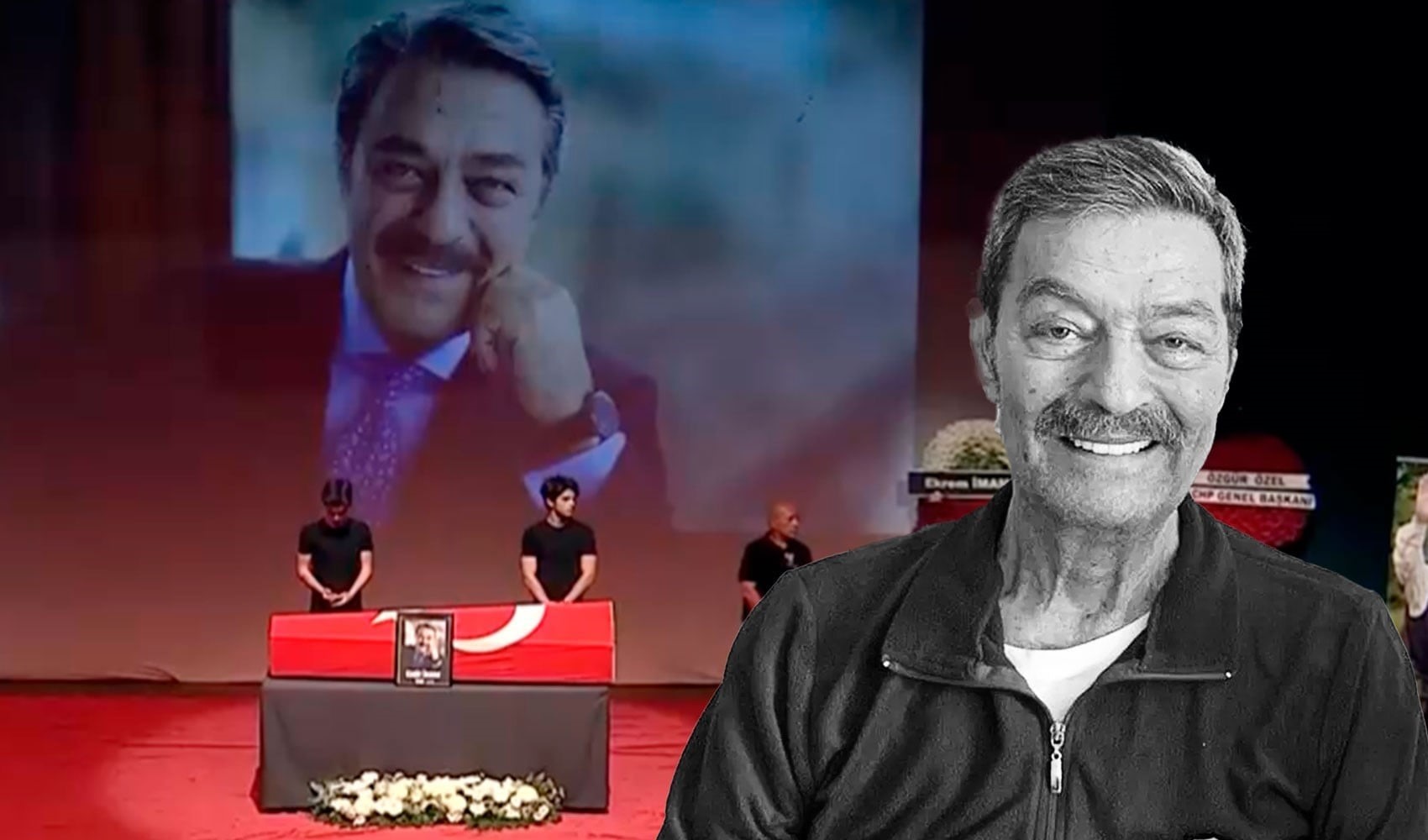
Kadir İnanır's inheritance revealed
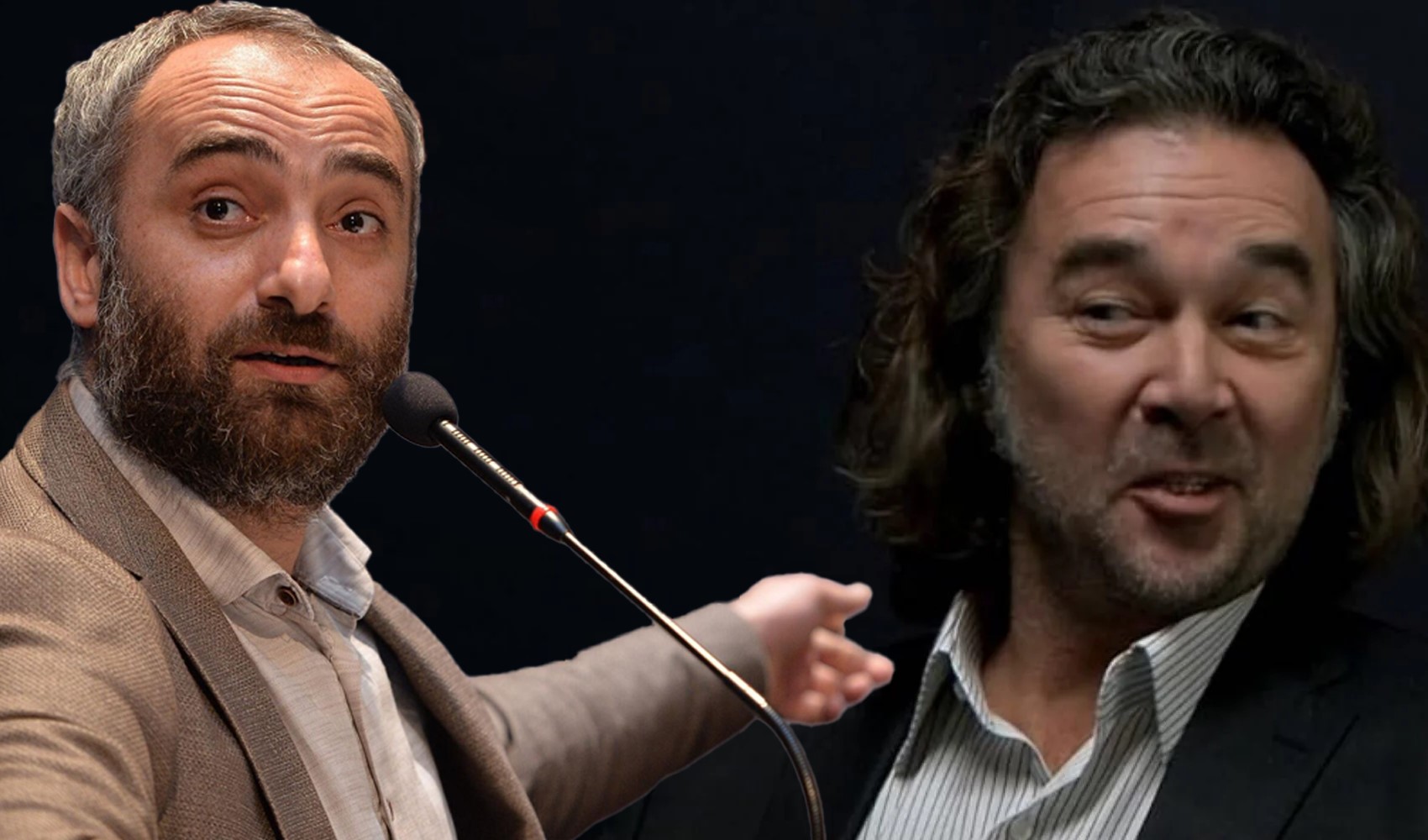
İsmail Saymaz publishes interview with Sedat Savtak, who played Kazım Kaşifoğlu
Are you aware of the danger in the economy?

Towards a new era in the world
The Journey of Odysseus-3. The sea where man is tested

Where does China stand in this utopia?
What kind of man was Mustafa Kemal?

Trabzonspor sends a message to Galatasaray following 4-goal victory
Iran: Our conditions for ending the war have been conveyed to mediators
After Fenerbahçe, Beşiktaş also reacts to beIN Sports over Okan Buruk coverage