12punto FOREIGN NEWS
According to the department's data, the budget deficit in February, when Trump took office, exceeded $307 billion. Morgan Stanley analysts pointed out that the published data shows the debt and deficit problem has worsened since Trump took over the presidency. It was stated that the deficit in February increased 2.5 times compared to January. Experts noted that borrowing was 3.7 percent higher than in the same period of 2024. It was reported that the February budget deficit 'broke a record' by increasing by $318 billion compared to the same period in 2024. It was recorded that the US budget deficit reached a total of $1.15 trillion in the first five months of the 2025 fiscal year.
The Treasury Department stated that the US national debt has risen to the $36.2 trillion level. The published data noted that the net cost of debt financing fell to $74 billion in February. It was emphasized that total net interest payments since the beginning of the year have risen to $396 billion. It was stated that the amount the US pays in interest is the largest expenditure item after national defense and healthcare spending. Social Security and the Medicare health system remained the largest expenditure items in the federal budget.
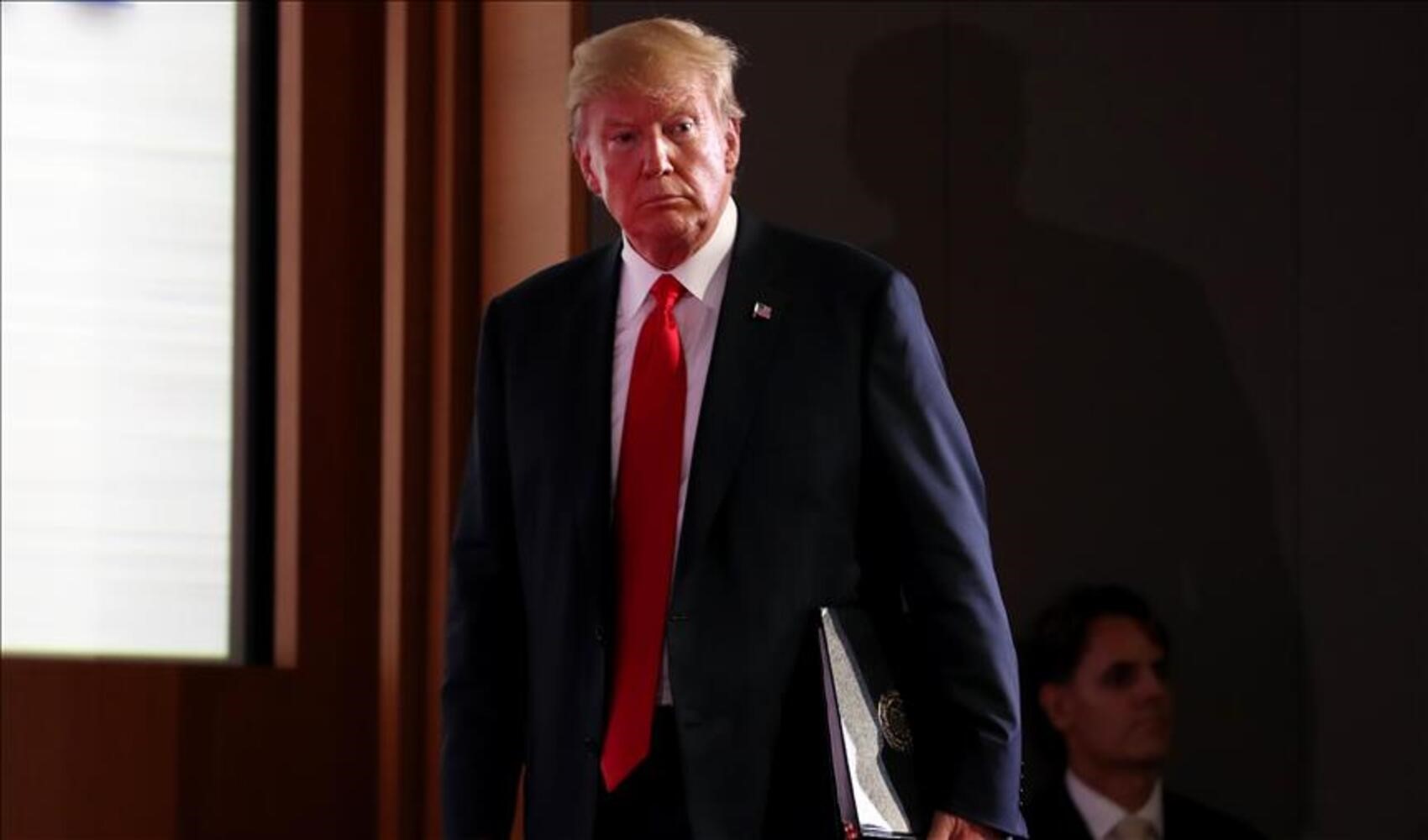
After taking the presidential seat, Trump claimed he 'inherited a wreck' from former President Joe Biden. Arguing that the new era is the ''beginning of the enrichment of the US,'' Trump underscored that he would not take a step back from his decisions on additional taxes and budget cuts.
According to CNBC, Trump has made putting the government's financial affairs in order one of his primary goals since taking office. In this context, the 'Department of Government Efficiency' led by Elon Musk was established. The advisory board proposed measures such as early retirement incentives and layoffs in various departments. A Treasury Department official speaking to CNBC stated that these efforts have not yet shown a tangible impact.
Allegedly, Trump also wants to extend the Tax Cuts and Jobs Act, which was implemented during his first administration. In response to Trump, who argues that tax cuts will increase economic growth, many think tanks have predicted that this law will add $3.3 trillion to the budget deficit over the next decade.
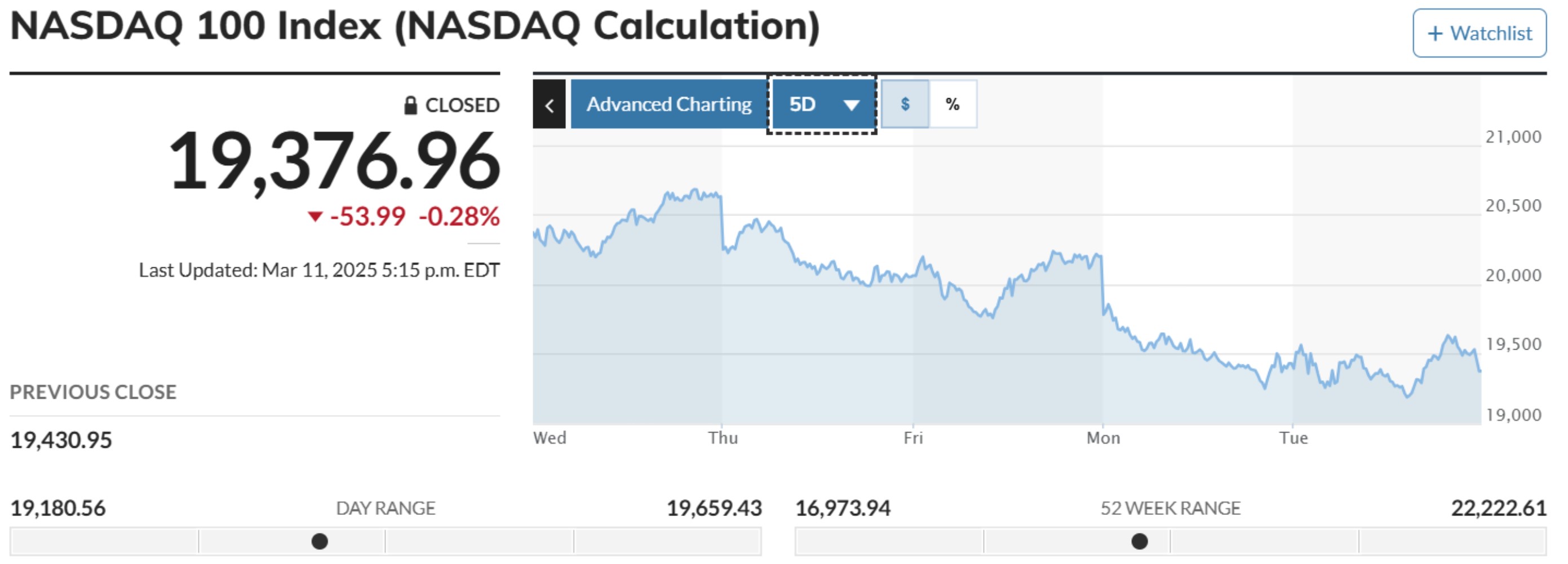
The US's largest stock exchange, the NASDAQ 100 Index, experienced a historic decline between March 6-11. Following the meltdown in US stock markets, Trump argued that there would be 'problems for a while' in the economy, but that the US would eventually be the winning side. Source: Marketwatch
TRUMP STARTED A TRADE WAR
In retaliation for Ontario Premier Doug Ford's plan to tax electricity exports to the US, Trump threatened to double the customs duties to be applied to Canada. This decision was abandoned after Ford's meeting with Canadian Minister of Trade Howard Lutnick. Ford announced that they would continue negotiations for the renewal of the US-Mexico-Canada Free Trade Agreement.
In addition to Canada, Trump announced that he had imposed additional customs duties on Mexico and China. Following the border security agreement reached between Mexico and the US, Trump postponed the additional tariffs he applied to Mexico. Chinese officials, on the other hand, responded to Trump's additional tax application with retaliation. Trump argued that customs duties would bring US firms producing abroad back to the country. Experts disagreed on how the 'tax war' started by Trump would affect the US and world economy.
Trump's additional tax applications caused fluctuations in global markets. The S&P 500 index continued its decline throughout last week. Morgan Stanley analysts stated that because the US is a net importer of steel and aluminum from Canada, the new tariffs could lead to price increases in the domestic market. Experts stated that some companies like steel producer Alcoa might benefit from high tariffs, but that it would generally have a negative impact on companies.
Canadian Prime Minister Mark Carney described Trump's trade policies as 'an attack on Canadian workers, families, and businesses.' Carney emphasized that the government would provide support to affected workers and that the measures to be taken would be planned to create maximum impact on the US and minimum impact on Canada.
News Source: 12punto