



On August 10, 1920, during the collapse of the Ottoman Empire, on the anniversary of the Treaty of Sèvres—where Western imperialism imposed the partition of the Ottoman state—the "Framework Law," prepared as if to defy the Treaty of Lausanne, was passed in the Grand National Assembly of Turkey (TBMM) with a high majority vote.
Western hyenas, in their centuries-old plans for the Middle East, did not hesitate to use dates as symbols to mock the perseverance and determination shown by the Turkish nation during the War of Independence, nor did they hesitate to force the Turkish nation to bow its head to the PKK on the anniversary of Sèvres, through the hands of the Veteran Assembly.
Yet every patriotic Turkish citizen knows that the definition of the Turkish nation is a nation composed of different ethnic groups that have shared a common culture on these lands for centuries, have multiplied with love, and are locked together in a historical destiny.
The definition of citizenship in the Constitution of the Republic of Turkey is clear.
In light of the historical success achieved by Mustafa Kemal Atatürk and İsmet İnönü in abolishing the capitulations at Lausanne, the Republic's understanding of citizenship and the Constitution's principle of equality are clear.
Citizens of the Republic of Turkey are equal before the law.
For this reason, presenting the concept of "equal citizenship" today as a new political promise is a deliberate betrayal of Mustafa Kemal Atatürk and the founding will.
Furthermore, no one who cannot say "Turkish nation" can be a leader for this nation.
How painful it is that the Imralı convict Abdullah Öcalan is more familiar with all the articles of the draft law than the members of parliament themselves.
While he finds the Framework Law incomplete, he views this step as the first move toward the Federative Structure of his dreams, which he calls a Democratic Turkey, and which would divide the nation-state.
This law, which the Turkish nation defines as the PKK law, is not directly related to our citizens of Kurdish origin.
Neither the PKK nor Abdullah Öcalan are representatives of our citizens of Kurdish origin.
For years, the PKK has not distinguished between Kurds, Lazs, or Circassians while taking lives with brutality in these lands.
Furthermore, there is no Kurdish problem in Turkey; there is a problem of justice, a problem of unemployment, and most painfully, a problem of morality…
On August 10, 2026, the Veteran Assembly opened the door to the Constitution, which the People's Alliance must change at the behest of foreign powers—the very reason for their existence in the next step.
How painful it is that, regardless of their numbers, the institutional decision of the CHP, which founded the Republic, and the New Party, which was established by splitting from it, was to say yes to this law of betrayal before history.
The Turkish nation has once again realized that it is not represented in the Grand National Assembly of Turkey.
Let it not be forgotten that there is no forgiveness for betrayal in these lands; there is a price to pay.
Those who prepared and approved the Framework Law must be aware of this fact, as they have added a guarantee to the articles of the agreement that they will not be prosecuted in the future.
When a national government is established one day, this will certainly be accounted for.
I bow with respect before Mustafa Kemal Atatürk and his comrades-in-arms, our cherished martyrs, and our heroic veterans.
How happy is the one who says I am a Turk…
Most Read
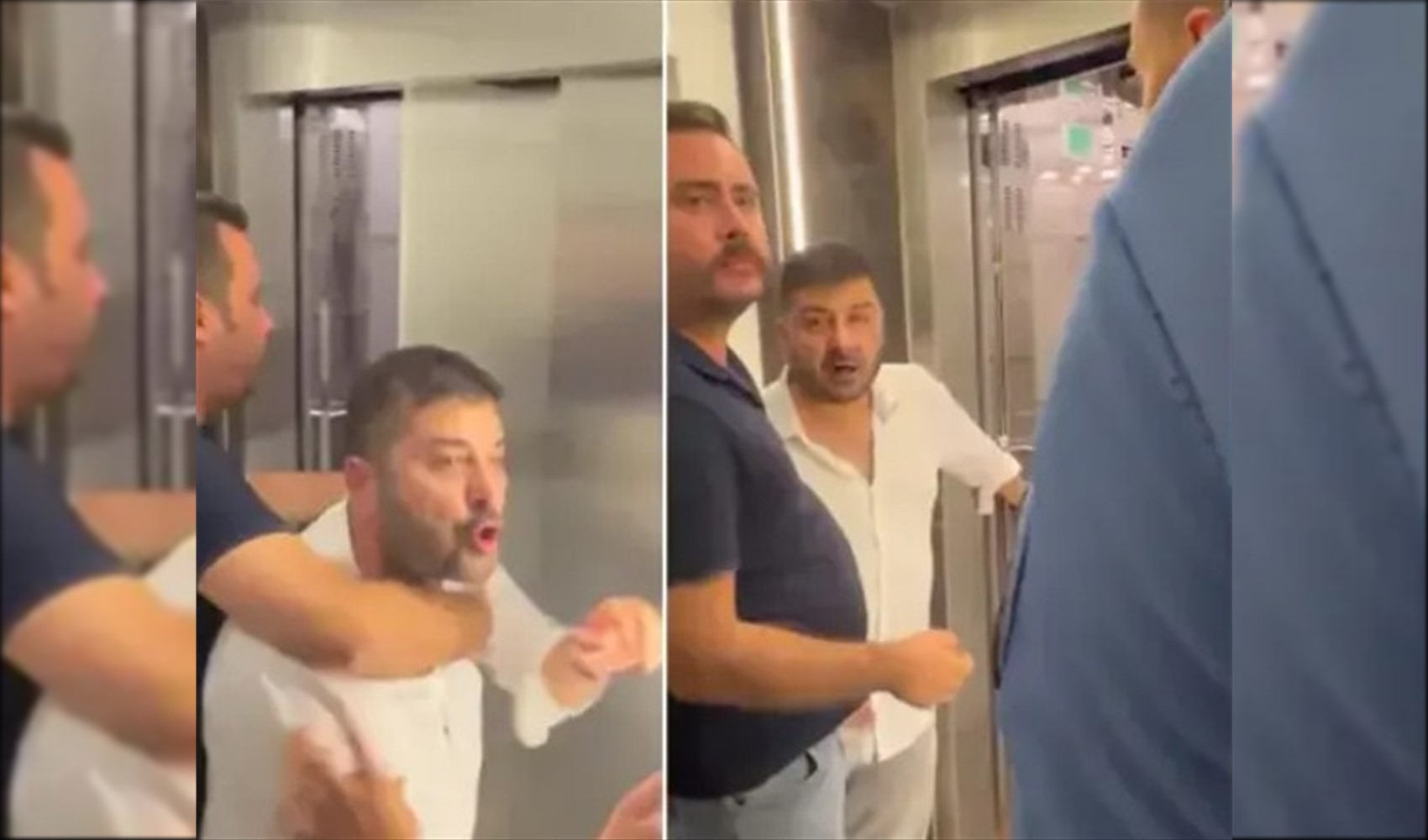
The woman who recorded CHP's Yazgan speaks out

The week's winners and losers on the stock market have been announced
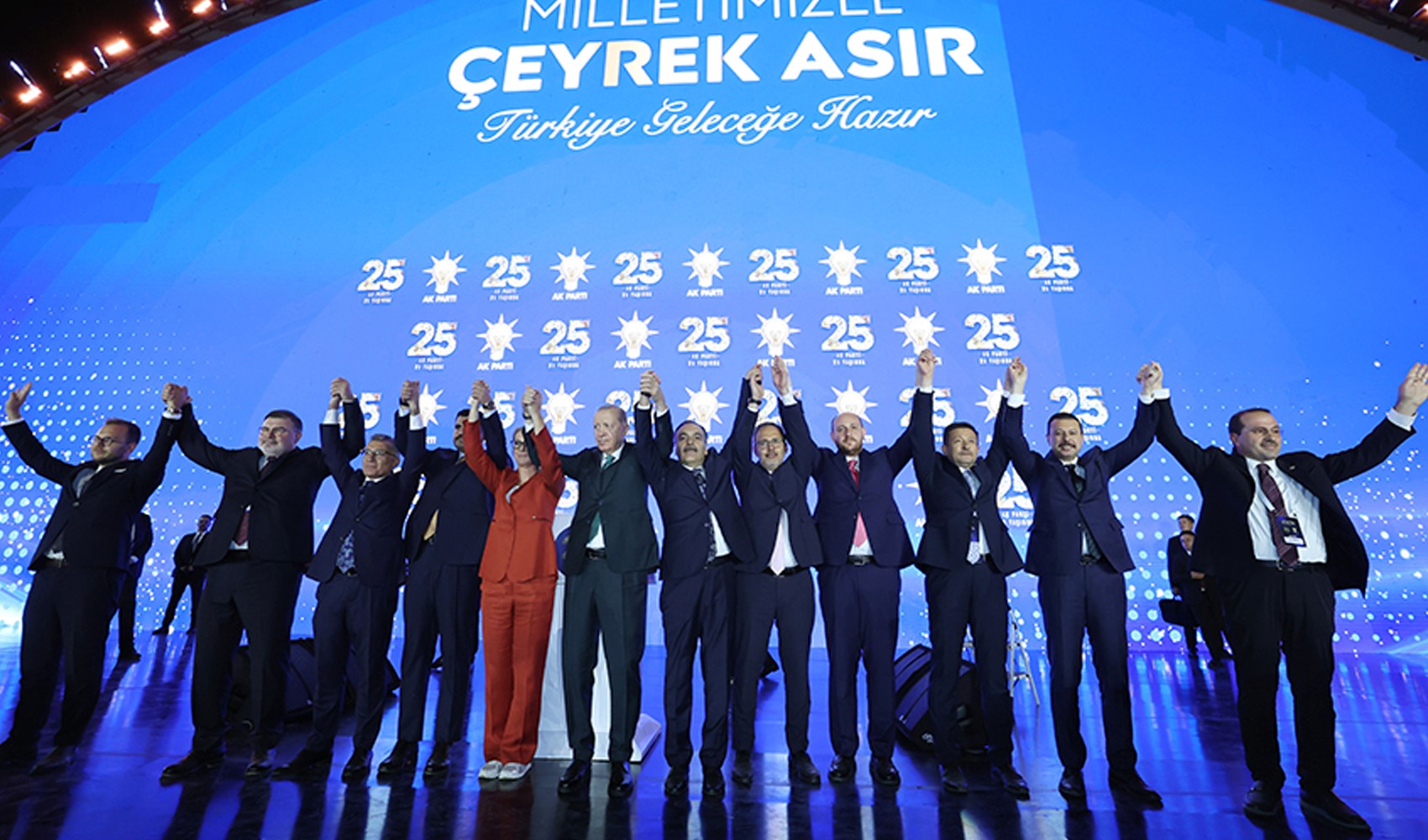
Here are the 7 mayors who joined the AKP

How happy is the one who says I am a Turk
Driver who refused breathalyzer test fined 550 thousand liras

The cross-relationship between technology and quality
Tax-record-breaking humanities graduates
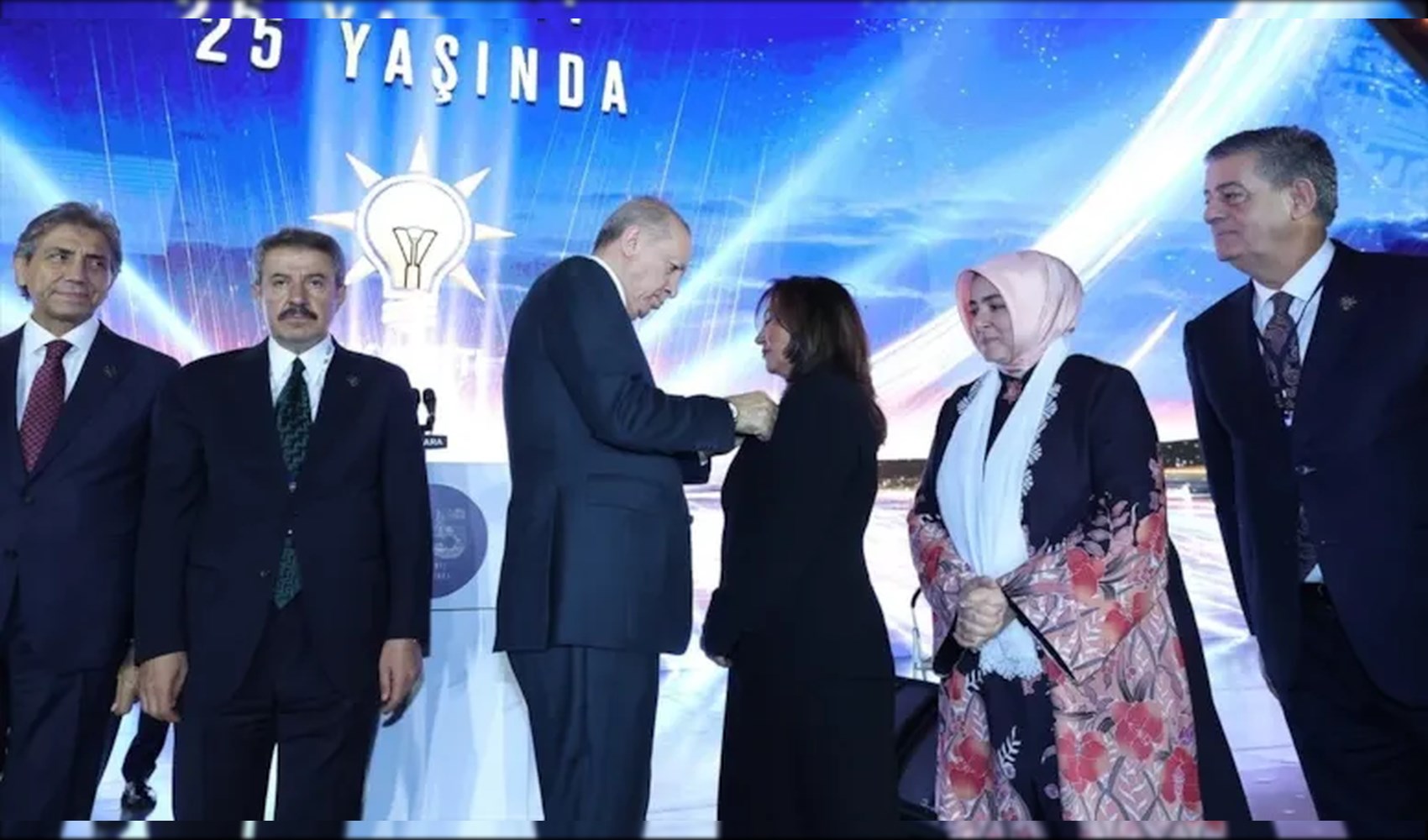
She made AKP history
Call to Balıkesir rally with 'Treason Choir' themed video
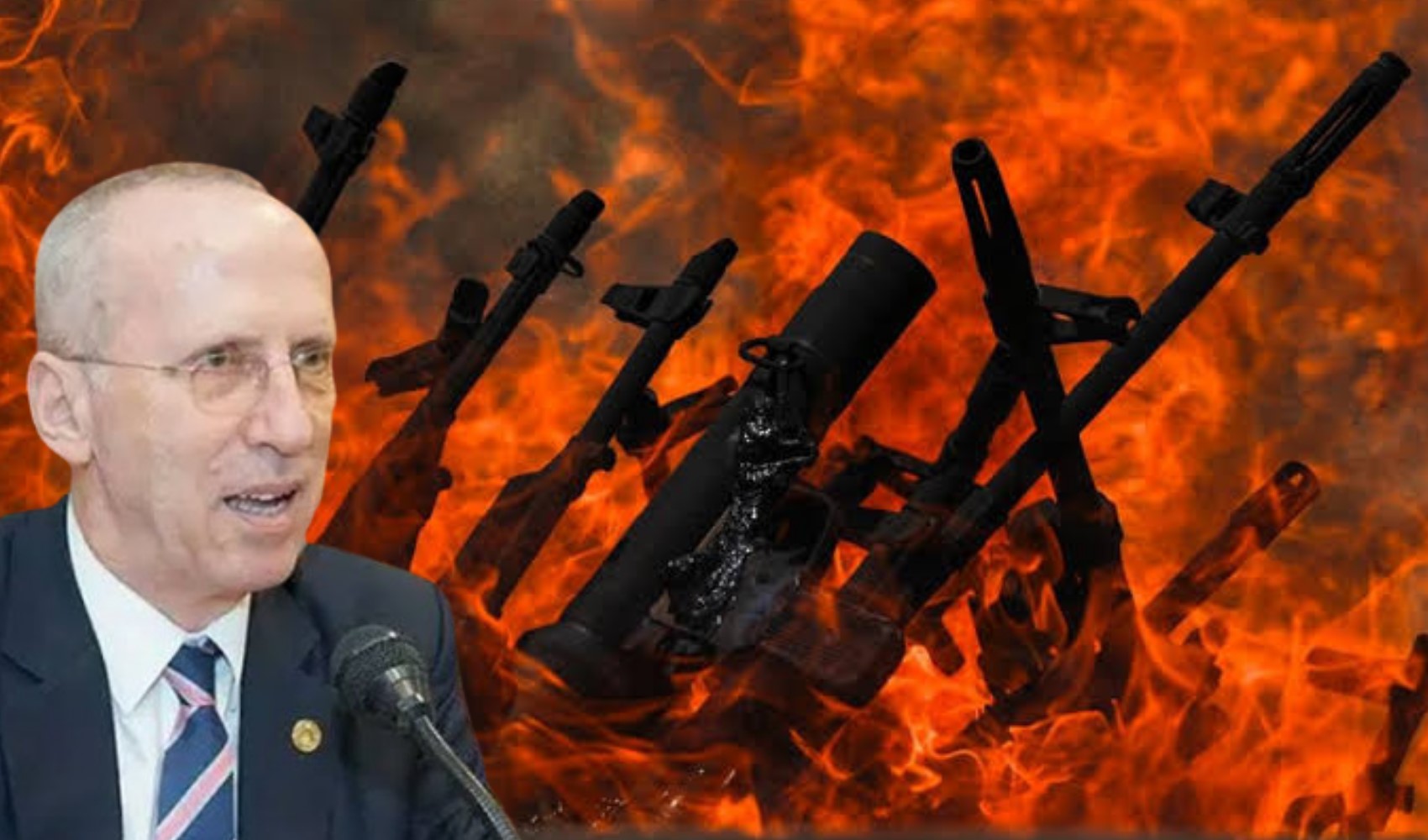
'There is no state wisdom here, there is state Alzheimer's!'