


The anatomy of the fund scandal


The recent fund scandal is the greatest disgrace both in the fund market and in the political history of our state. Because our fund market is still in its infancy and because such scandals are in the nature of this market, it is not overly surprising that the scandal occurred in the fund market or that it is the first of its kind. But when we come to the part involving politicians, the color of the matter changes and takes on an unforgivable hue. Therefore, it is my humble opinion that the political dimension of this grave incident must be examined, its direct and indirect perpetrators must be brought to light, and they must be erased from the stage of society and politics. Going even further, as I will explain later, all circles that prepared the anatomy of this pathology and applauded this anatomy should be condemned and ostracized, and a path toward complete social purification should be entered. However, I must say immediately that the surgical dimension of this matter seems risky, arduous, and almost impossible within the structure in which we are currently swimming. Perhaps the only way is for the coalition of rent-seeking fury, which is based on political and administrative power in certain centers, to be democratically uprooted and cast out of society. I will not dwell on the fund mentality in this article, as that area is both beyond my knowledge capacity and exceeds my ethical perspective. In this article, I want to briefly address the political structuring and configuration aspect of the matter.
I must state in the very first sentence that the fact that the fund scandal is so intertwined with politics creates the impression in me that it is related to how politics is constructed and functions. Just as much as the team that constructed the one-man regime and the army of learned jurists who built the legal and administrative structure of the system, all real or virtual players who voted for and approved this structure are indirectly responsible for the structure and the results it creates. Please, let us not go down the path of rejecting this view with the justification that even though the structure is like this, ethical behaviors should not have developed this way; because in such a system, only prophets can remain immune from all kinds of irregular transactions, because morality or ethics, as the ancient Greek philosophers thought, or as the great philosopher Hegel developed on the plane of thought, does not form and rise in an abstract environment, but on the administrative-economic structure upon which it is seated. If we look around us, wouldn't we see the situation!
The first stage of starting the work is the psychology of power drunkenness spread to the environment by the one-man regime and the appointment regime. While the single leader makes appointments to almost every institution, the responsibility of the appointee develops not toward the base, but toward the appointer. The fact that the appointer is equipped with unlimited powers under different hats gives the appointee the feeling of leaning their back on a risky but powerful leader. Yes, the appointment is risky, because dismissal or, more politely, removal from duty may come. However, in a situation where the central mentality is well understood and the role is played flawlessly, the appointee feels secure; they may even perform tasks such that, according to them, they become invincible. In recent events, although behavioral disorders such as being able to recklessly utter the phrase "the one who did this has not been born yet," or the removal of injunctions before the decision documents have even cooled, or the perception of power so great that it will not be dragged into law and justice, have not all been reflected in the press, there should be no doubt that the pathology of power is being felt and experienced internally. This is the protective field that the powerful one-man spreads to the environment! In this regard, one can refer to the work of our late professor Engin Geçtan, Contemporary Life and Abnormal Behaviors. As shown in this magnificent work, one-man regimes create secure political protection circles in different rings around them. The ability of these circles to show slave-like loyalty depends on certain conditions. In a situation where democracy is suspended, the functions and areas of independent public institutions that could perform automatic oversight on behalf of the people are restricted, and the media is controlled with the additional task of becoming partisan beyond being taken over, there is no obstacle left to the smooth execution of affairs. Then the matter is based on and tied to economic interest. In this environment, both political ethics and social ethics gradually melt and rot. I do not know if it is possible to get out of this situation with a few "scapegoats"! With your permission, let me answer this question with two instructive passages I encountered in recent days.
The first is from Baruch Spinoza’s Theological-Political Treatise. It goes like this: "In a state where it is possible and easy for individuals to be controlled in order to control their tongues, every ruler governs society safely [according to themselves] and [seemingly] there is no oppressive administration. Because in this case, everyone lives [behaves] according to the ruler's thought, and decides what is right and what is wrong according to the orders.
However, it is not [always] possible for one human brain to be under the absolute control of another. Because no one can be forced to give up their natural right to freedom of behavior, the right to free thought and free decision-making, and to transfer their will to someone else, nor can they be forced into such behavior. Therefore, a state structure that wants to control people's mindsets is seen as oppressive."
The second quote is a story I came across on social media, the story is as follows. Once upon a time, a man had a street fountain built and wrote on it that it was forbidden for Muslims to drink water from the fountain. Naturally, complaints rose from the congregation, and the matter reached the judge of the period, and from there to the presence of the Sultan. When the Sultan asked the philanthropist who appeared before him for the essence of the incident, the suspect first requested to be heard, and when he said that he would submit to the decision after his requests were fulfilled, the Sultan agreed to this objection and took his requests. The suspect first requested from the Sultan that a priest be imprisoned, then a rabbi, and finally an imam. The Sultan began to implement the requests one by one. After the priest was put in the dungeon, the Christian community rioted and the priest was rescued from the dungeon. After the rabbi was thrown into the dungeon, the Jewish community rioted and the rabbi was rescued from the dungeon. After the imam was taken down from the pulpit and thrown into the dungeon in front of the public, there was no movement in the Muslim community. Upon this, the Sultan pardoned the suspect brought before him by saying, "A society that does not stand up for its leader deserves everything!"
Now, while millions are being lost in the fund robbery, will the problem be solved in a real sense, will those involved in this process be identified, brought to justice, and will the losses be compensated; will politics be able to persevere in this regard sincerely and seriously? I do not know!
Would you like to get notifications about new developments and save news?
- NotificationsNew developments and breaking news
- SaveNews is stored in the app
Most Read
Belözoğlu's Fenerbahçe team has been finalized
Criminal organization operation in Ankara: 10 detained
First message from Democrats to Trump

Temperatures falling in Muğla: Snow and agricultural frost warning
The Mecca Agreement and the TSK
The Republican Revolution and Atatürk’s national synthesis
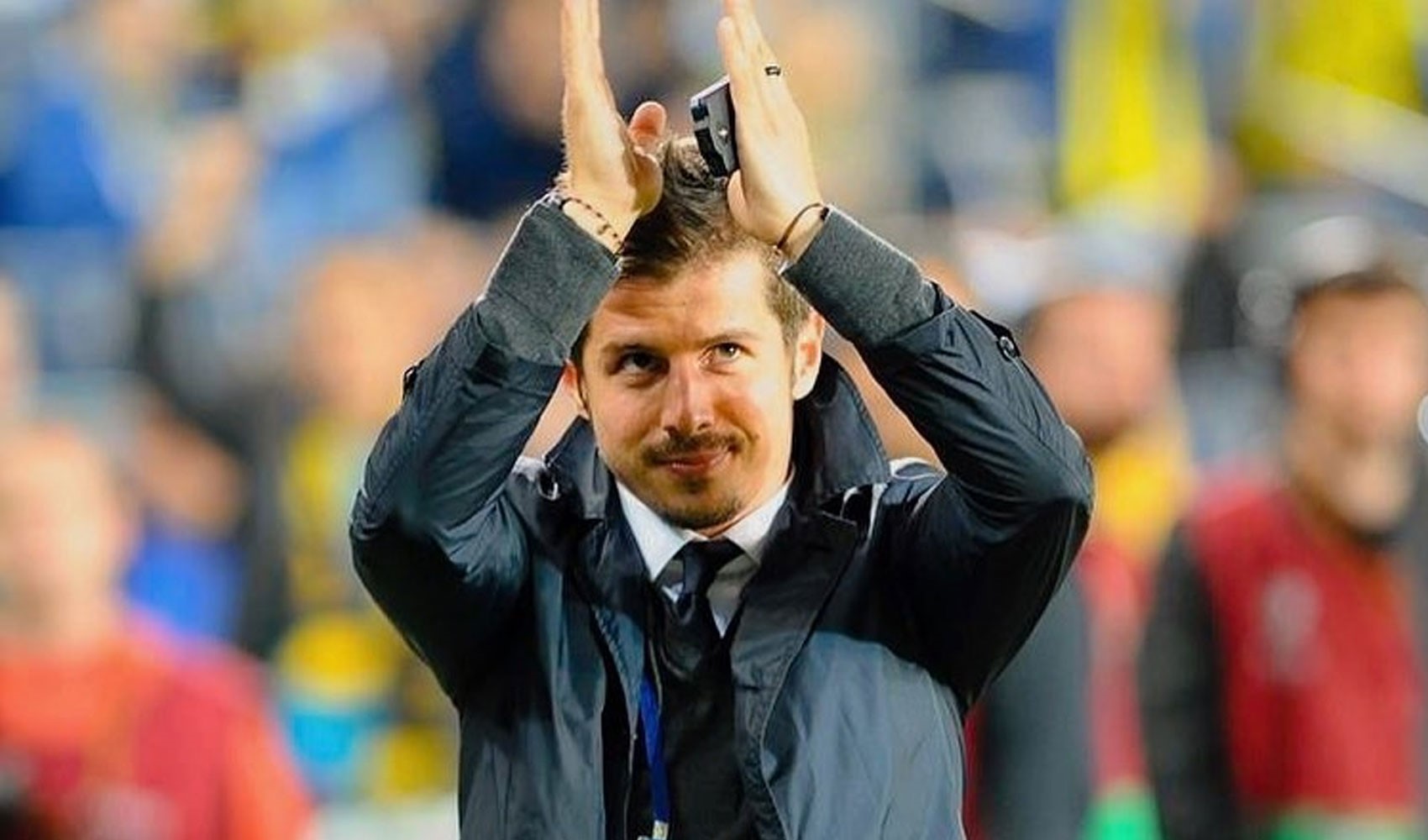
Will Emre Belözoğlu be on the bench for the Liverpool match?

Armed attack on three youths at a bus stop in Sakarya
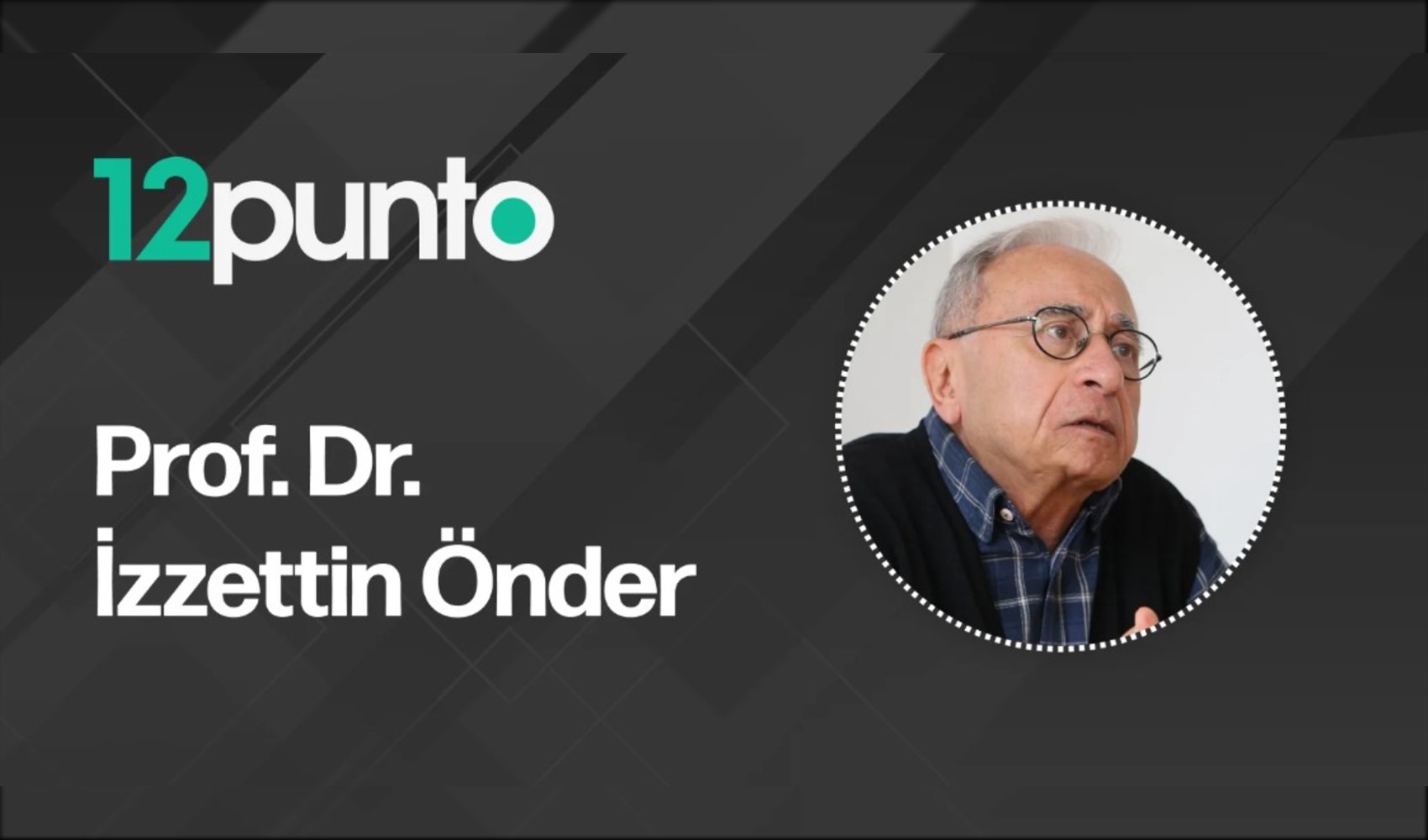
The anatomy of the fund scandal

When is the RB Leipzig vs. Manchester City match, what time, and on which channel?