As the sharp wave of selling continues in the gold market, new long-term forecasts regarding gold have drawn attention. The global commodity research organization The Gold & Silver Club (GSC) has projected that gold could rise to the 4,900-5,000 dollar range in the first quarter of 2027.
The realization of this scenario would mean an increase of up to 25 percent compared to current price levels. Following its all-time high of 5,595 dollars seen in January, gold had fallen more than 28 percent, dropping below 4,000 dollars. The process in which prices also dipped below the 3,900 dollar level has increased discussions in the markets regarding a correction movement.
EMPHASIS ON LONG-TERM DEMAND
GSC Head of Research Lars Hansen stated that investors should not focus solely on daily movements during periods when weakness in prices is prominent. According to Hansen, long-term demand dynamics in the gold market can be more decisive than short-term fluctuations.
In the organization's assessment, the 3,886 dollar level was indicated as one of the important support points for gold. Global monetary uncertainties, central bank purchases, and strong demand for gold were cited among the factors supporting the expectation. Conversely, it was emphasized that a strong dollar and high interest rates could delay a recovery.
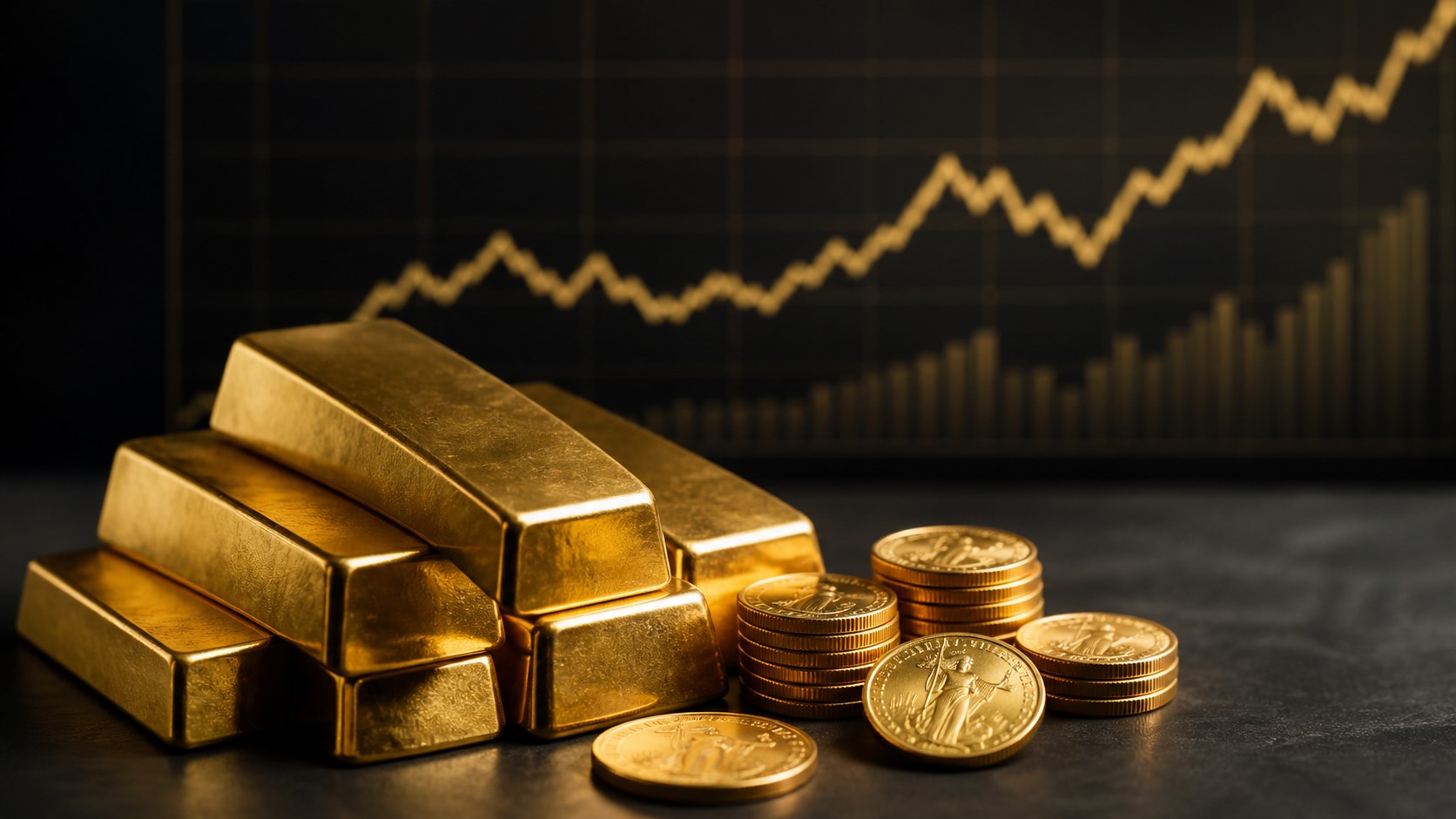
According to GSC Commodity Intelligence data, gold has experienced sharp corrections in the past as well. The precious metal fell by 29 percent in 1973 and by 46 percent in the 1974-1976 period. Gold, which lost approximately 30 percent of its value during the 2008 global financial crisis, entered a rising trend again in the following years.
Despite the decline in gold prices, fund inflows are also noteworthy. According to World Gold Council data, there was a record 31 billion dollar inflow into physical gold-backed exchange-traded funds in the third quarter. Global gold funds recorded net inflows in 12 of the 13 weeks leading up to the end of September.

Whether the 5,000 dollar target will be realized in the markets will depend on the global economic outlook, interest rate policies, the course of the dollar, and the strength of investor demand. Experts point out that risks should also be closely monitored in an environment where short-term fluctuations continue.
News Source: 12punto