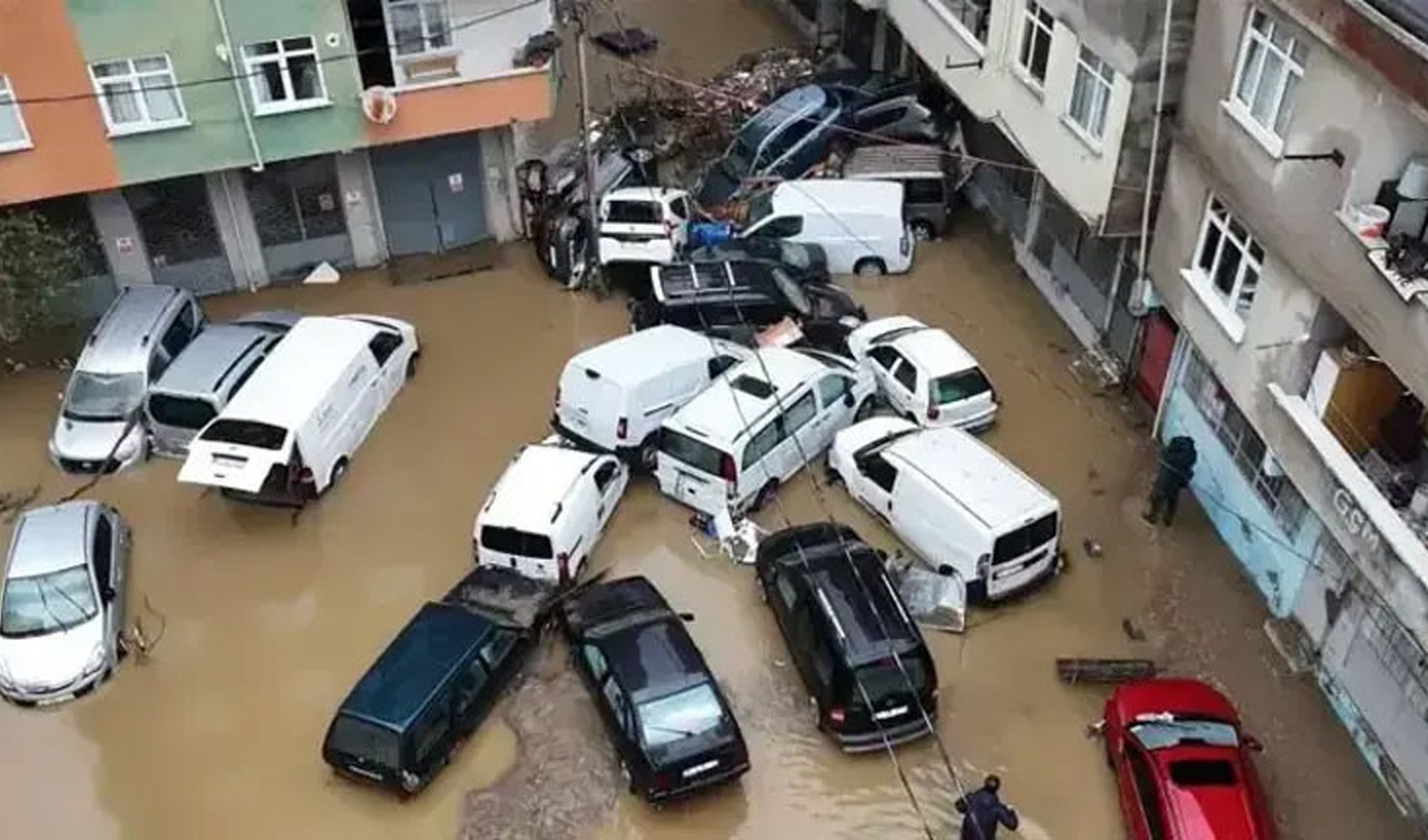
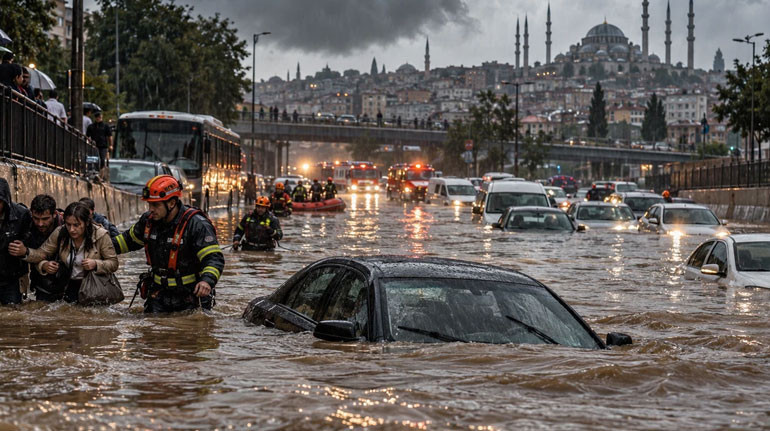
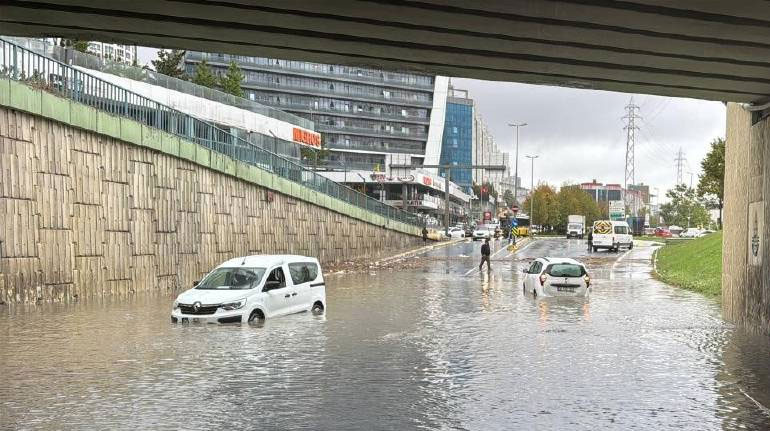
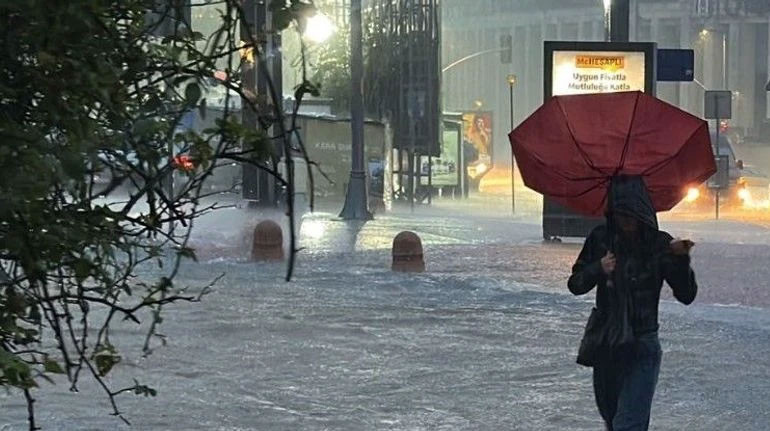
Following the flood in Istanbul that claimed 4 lives and left 3 people missing, the extent of the material damage has not yet been determined. The Insurance Association of Turkey (TSB) has announced the steps that should be followed in the insurance process for those whose homes, workplaces, and vehicles have been damaged.
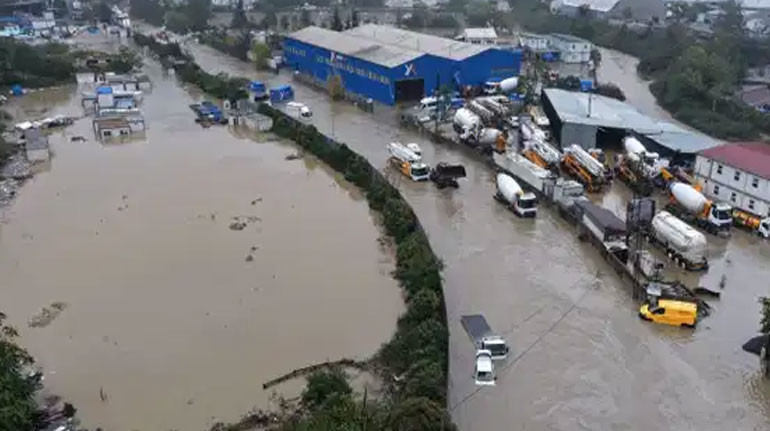
In its statement, the TSB emphasized that the first priority is life safety. It was stated that flooded buildings, basements, and indoor parking lots should not be entered without ensuring they are safe, and that electrical and natural gas installations should not be interfered with by anyone other than authorized personnel.
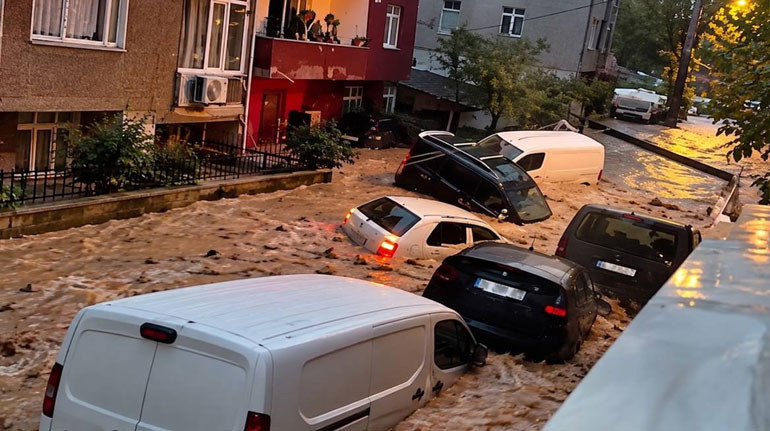
DAMAGE NOTIFICATION AND DOCUMENTATION
If damage has occurred to a residence, workplace, or vehicle due to a flood, the relevant insurance company or agency must be contacted without delay. During the damage notification, the policy number, the address where the damage occurred, and the nature of the damage should be shared; the number of the damage file opened should be kept.
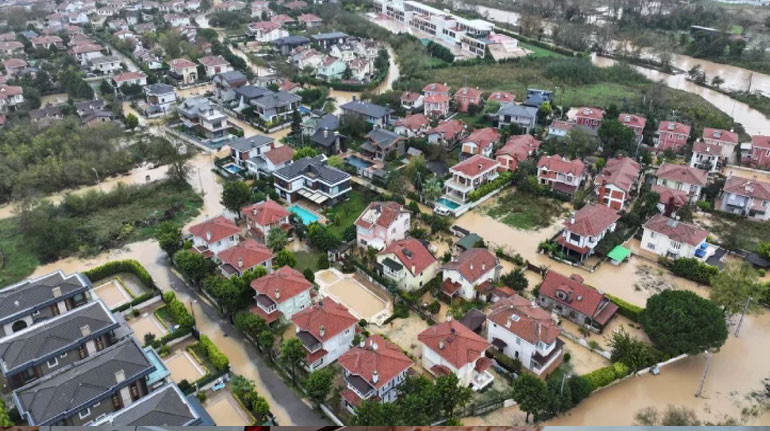
The TSB stated that policyholders should check the notification periods and coverage conditions in their policies. It was stated that every loss is evaluated according to policy terms, and therefore it is important to examine the scope of insurance in detail.
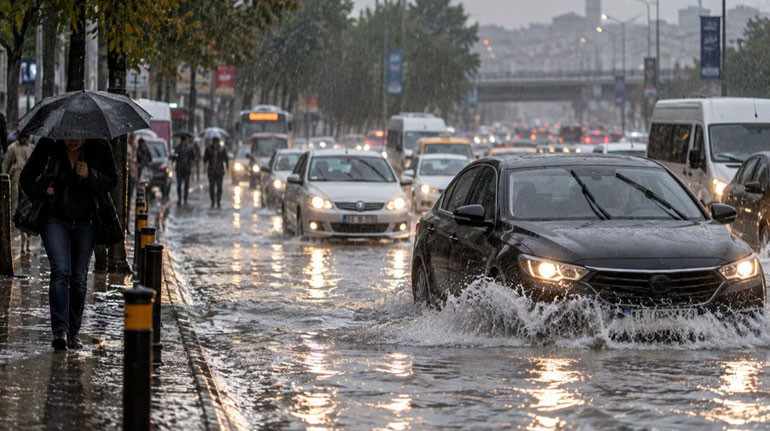
Documenting the damage is also one of the most critical steps in the process. It is recommended to record flooded areas with photos and videos under safe conditions; and to list damaged furniture, white goods, electronic devices, machinery, equipment, and stock. If possible, invoices and service records, along with brand, model, and approximate value information, should also be preserved.
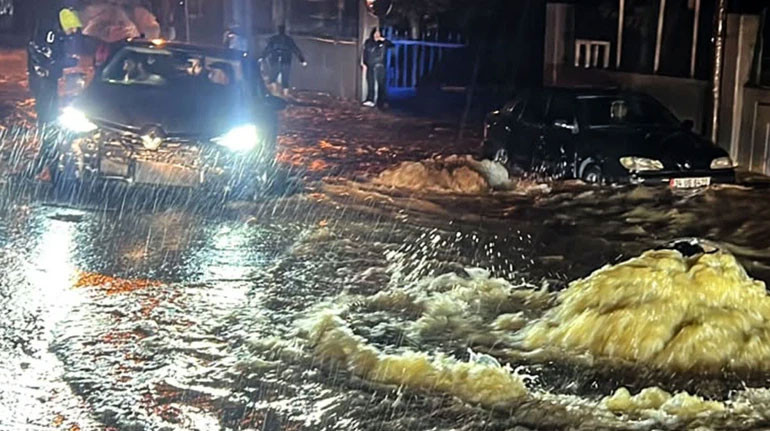
It is advised not to dispose of damaged items before the damage assessment is completed. For materials that must be removed, photos and similar records should be taken before the process.
COVERAGE SCOPE FOR RESIDENCES, WORKPLACES, AND VEHICLES
If there is flood and water damage coverage in home insurance, damages to elements such as walls, floors, doors, fixed installations, parquet, and kitchen cabinets in the building can be covered according to the scope of the policy. However, since building and contents coverage can be arranged separately, having only the building insured does not mean that all items in the house are under protection. Tenants can also take out insurance for their own belongings.
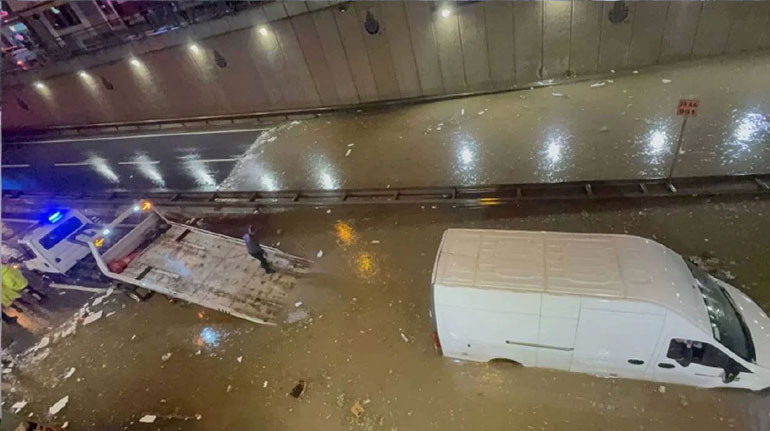
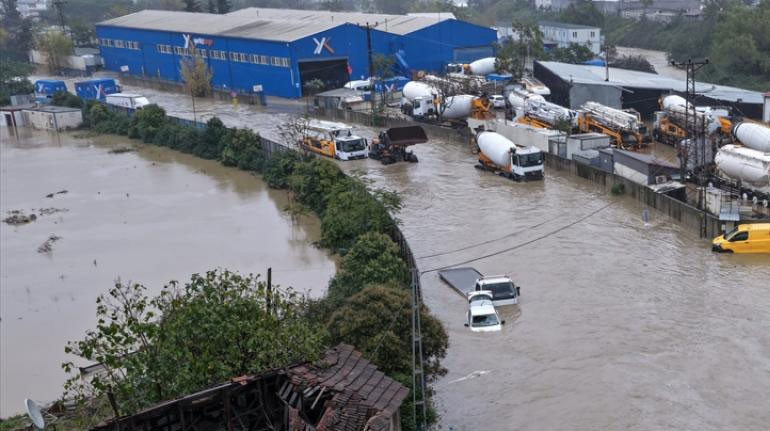
In workplace insurance, if there is flood coverage, damages to the building, fixed installations, commercial goods, stock, machinery, equipment, production lines, electronic devices, and fixtures can be evaluated according to policy conditions. Businesses are asked to prepare their inventory records, invoices, and documents related to damaged assets.
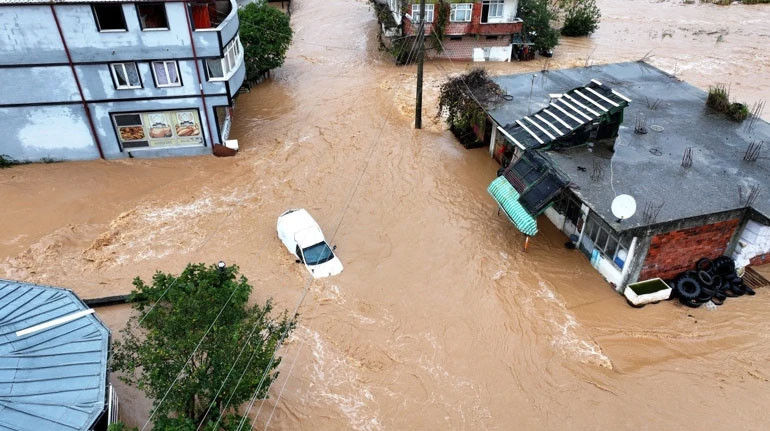
For businesses whose operations have stopped due to the flood, business interruption or loss of profit coverage is particularly important. According to the TSB, such income losses can only be covered if the relevant coverage is present in the policy and the conditions are met.
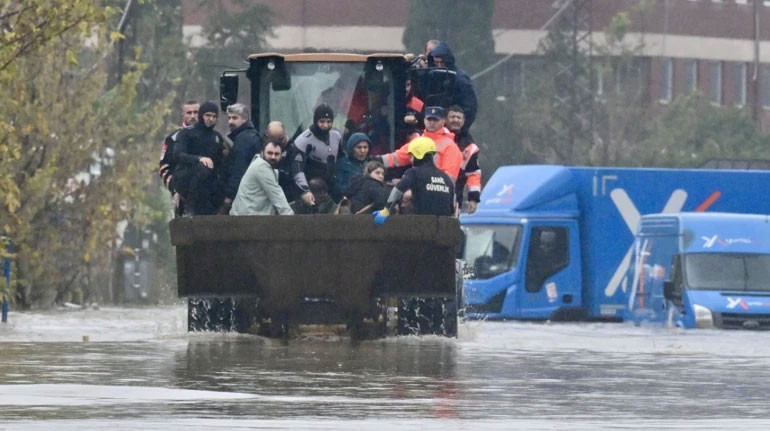
One of the most important warnings for vehicle owners is not to start a vehicle that has been exposed to water. Forcing the engine to restart can increase the damage. Those with motor insurance (kasko) should safely photograph the current state of the vehicle, report the damage to the insurance company, and follow the company's instructions for towing and service referrals.
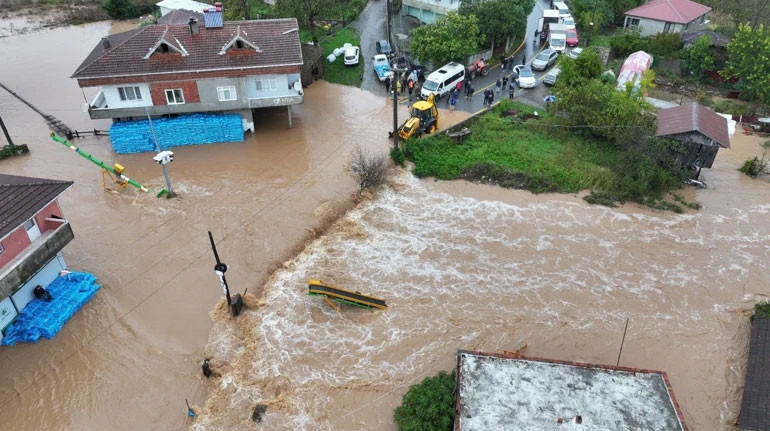
For electric vehicles, it was emphasized that the battery and electrical components should not be interfered with, the vehicle should not be started, and it should not be connected to a charger. Appropriate towing support for these vehicles should be requested by consulting the insurance company.
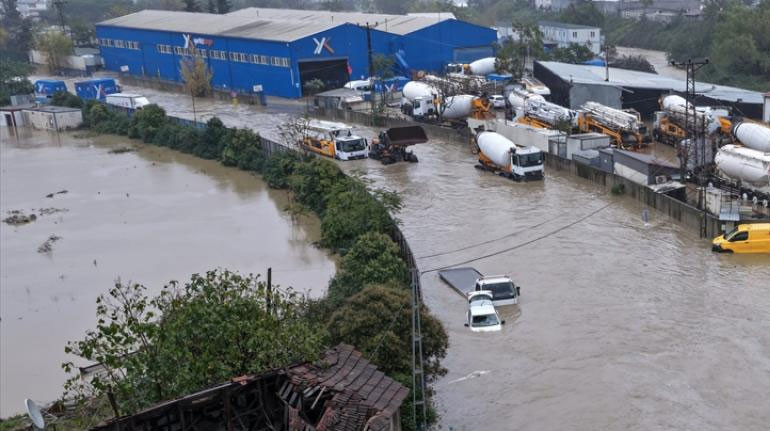
After the damage notification, the insurance company opens a file and assigns an appraiser to determine the cause, scope, and amount of the damage. The compensation to be paid takes into account coverage, insurance values, limits, deductibles, other policy conditions, and the amount of damage determined as a result of the appraisal.
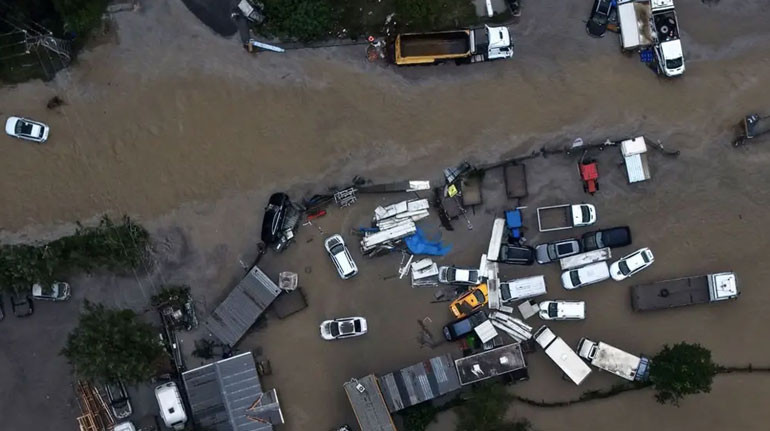
The TSB also stated that policyholders should take safe and reasonable measures to prevent the damage from increasing. If it is safe, water can be drained, and undamaged items can be moved to safe areas. However, it is recommended to consult with the insurance company if possible before comprehensive repairs, renovations, or complete removal of damaged materials.
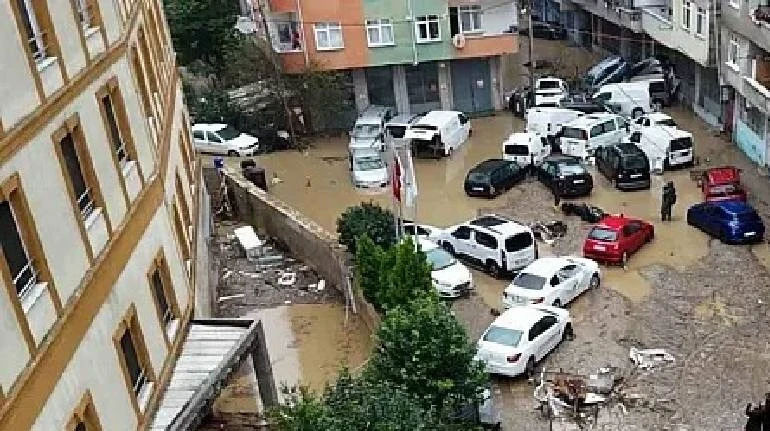
Invoices for expenses incurred during cleaning, water drainage, and emergency response must be kept. It is recommended not to wait for the appraiser for urgent and mandatory interventions; however, the actions taken and expenses incurred should be documented.
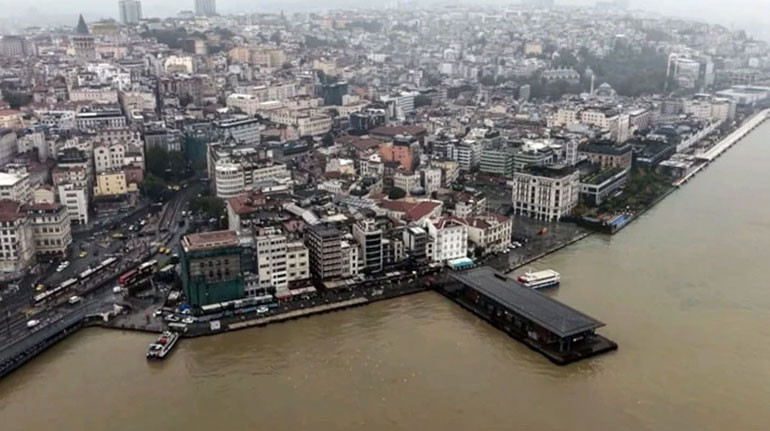
The Association pointed out that pre-disaster measures against flood risk are as important as insurance. It was recommended to keep valuable items and critical equipment at high levels in basements and areas with a high probability of flooding, to maintain drainage and evacuation systems, to follow meteorological warnings, and to review policies at regular intervals.
Checking whether there is flood and water damage coverage in the policy, ensuring that insurance values reflect current values, and applying to the 112 Emergency Call Center in case of urgent danger were also among the TSB's warnings.
News Source: 12punto