

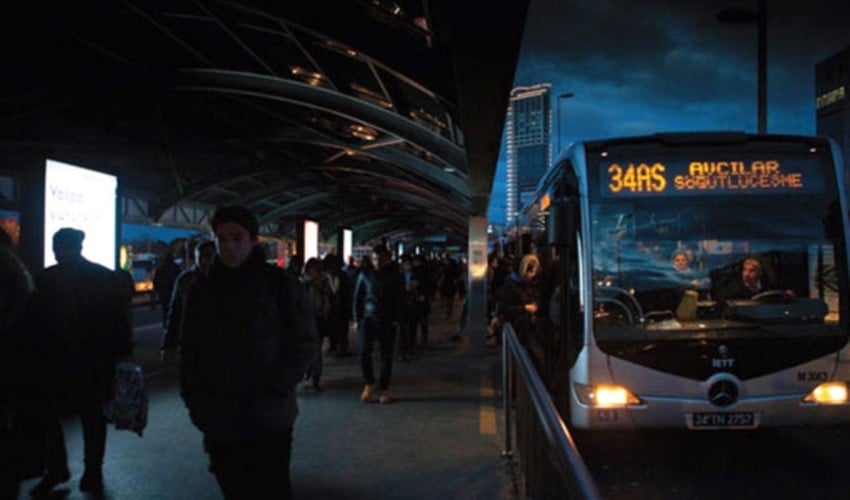
Permanent daylight saving time continues: People are starting to hit the road before sunrise
Due to the permanent daylight saving time practice, days have begun where employees and students set out before sunrise. So, does permanent daylight saving time really reduce energy consumption?



The claims that the permanent daylight saving time practice, which has been in effect in Turkey since 2016, provides energy savings are supported by both scientific studies and statements made by the Ministry of Energy and Natural Resources.
According to statements made by the Ministry of Energy and Natural Resources, approximately 8.3 billion kilowatt-hours of savings have been achieved to date through the permanent daylight saving time practice. This corresponds to approximately 9.2 billion liras.
However, there are also other claims. Daylight saving time disrupts people's biological clocks and negatively affects sleep patterns. This can lead to feeling more tired and lethargic during the day, which may increase energy consumption.
In conclusion, the claims that the permanent daylight saving time practice in Turkey provides energy savings are supported by both scientific studies and statements made by the Ministry of Energy and Natural Resources. However, there is no definitive evidence that the permanent daylight saving time practice reduces energy consumption.
News Source: Gizem Yaralı
Most Read

Return dates for Osimhen and Lemina confirmed

The Journey of Odysseus-1

The Law of the Strong

A jackpot for the West, a consolation prize for the East

Nâzım Hikmet lives in İzmir

Eren Vurdem shields Serhat Kılıç's girlfriend

Government warning to DEM Party: 'Turkey's anti-terror laws have not changed!'

Famous presenter sentenced to death in drug case

Fenerbahçe loses, controversial post from Talisca!

What happened to liberal democracy?