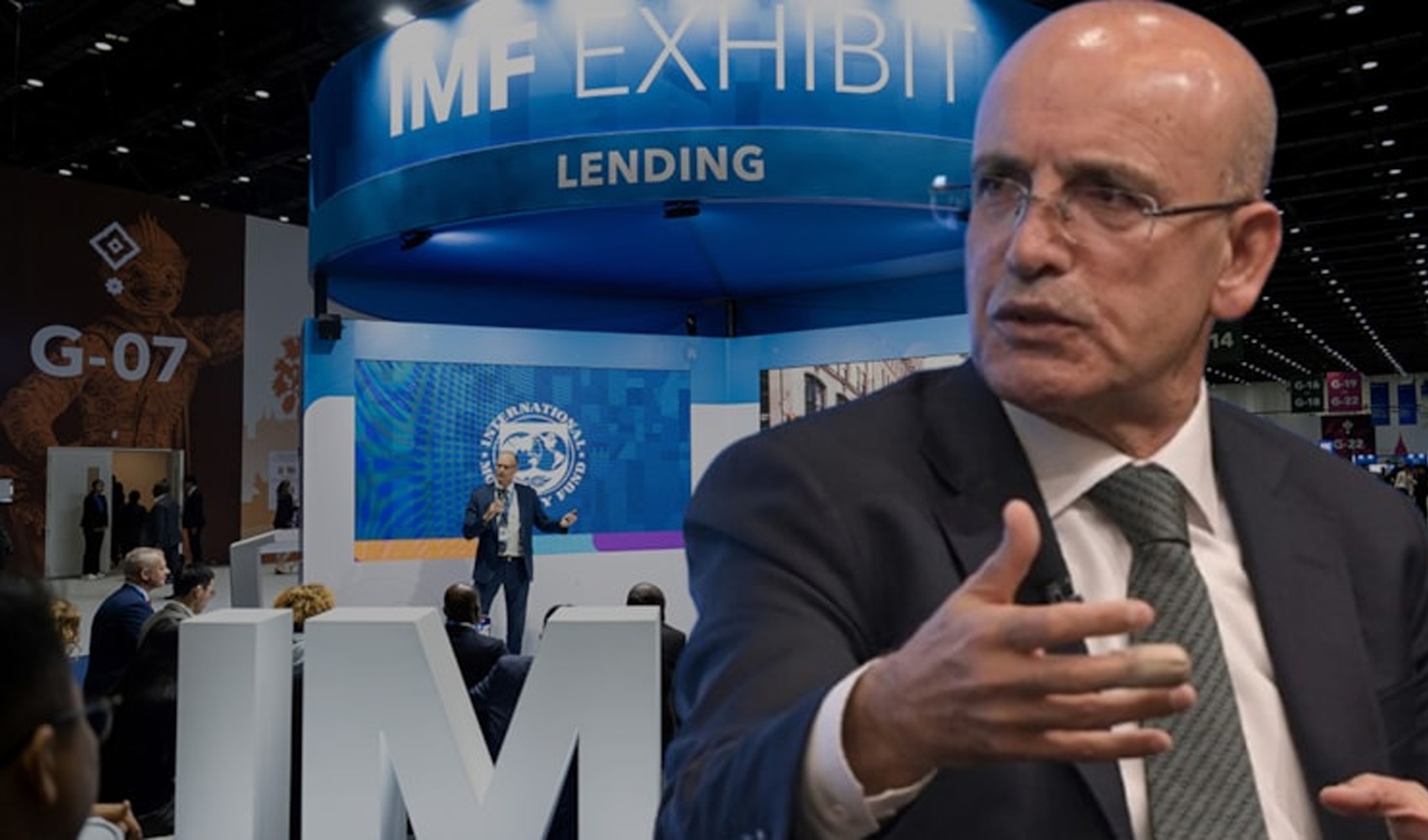
Treasury and Finance Minister Mehmet Şimşek’s decision not to attend the IMF and World Bank annual meetings held in Bangkok has become a subject of debate in economic circles. Economist and Oksijen columnist Özge Öner evaluated Şimşek’s last-minute decision to cancel his attendance in the context of Turkey’s economic agenda and the ongoing "fund crisis" discussions.
The cancellation of participation in the meetings, held between October 12-18, was attributed to budget preparations and the workload associated with the fund crisis. Öner noted that while a minister canceling an overseas trip might not be considered unusual on its own, this choice raises questions about the priorities of the economic administration.
According to Öner, it is noteworthy that at a time when the world is discussing topics such as artificial intelligence, employment, investment, and access to finance, Turkey appears to be primarily preoccupied with its own internal problems. For this reason, she argued that the questions Şimşek might have faced had he attended the meetings would have concerned not only international investors but also the debate over accountability at home.
What answer would he have given to a concrete question about the fund crisis in Turkey? If he said the entire process was not under his control, the narrative of an autonomous and capable economic administration presented to the outside world would have been called into question. If he said it was under his control, he would then have had to explain why the actions taken were not enough to prevent the crisis.
Öner stated that if he had settled for general messages of confidence, the question of what the authority attributed to the economic administration actually means would have remained unanswered. Furthermore, she noted that any explanation given to foreign investors would also have resonated domestically in terms of the rationale for decisions that have not been explained to the Turkish public.
In her assessment, Öner emphasized that the search for confidence abroad would bring the issue of deferred accountability at home back to the agenda, drawing attention to questions such as, "Who knew what, who had the power to do what, and who bore which responsibility?"
News Source: 12punto