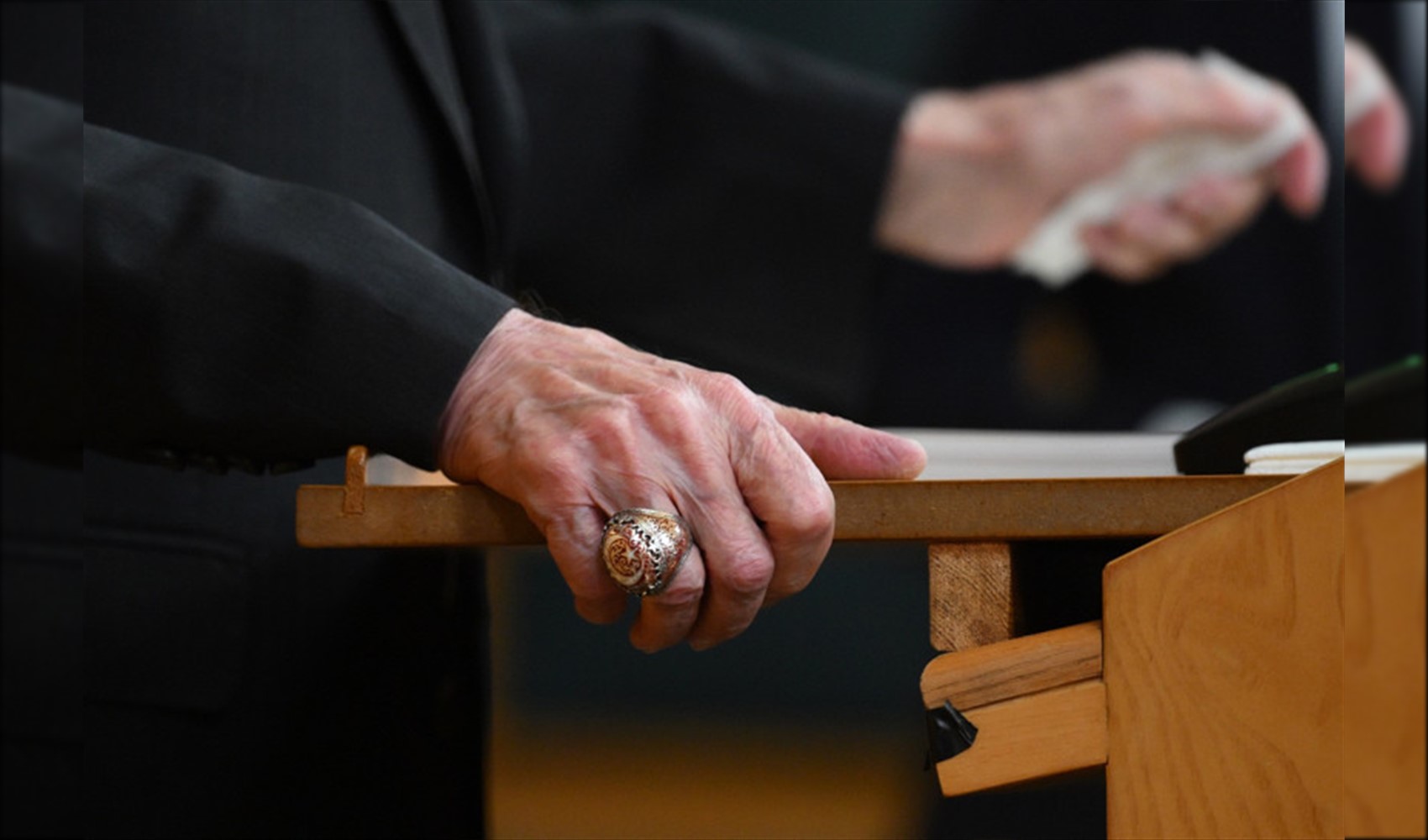
The common belief that cracking your knuckles will lead to arthritis in later years is one of the health topics that has long been a subject of curiosity. One of the most frequently cited examples regarding whether this habit damages joints is the long-term observation that doctor Donald Unger conducted on himself.
To understand whether knuckle cracking causes arthritis, Unger regularly cracked the joints in one of his hands for 60 years. At the end of this long observation, it was reported that arthritis did not develop in that hand. According to the information in the source, this result has been supported by other studies as well.

WHY DOES THE POPPING SOUND OCCUR?
The basis for the popping sound in finger joints lies in the synovial fluid found in the joint space. This fluid, which facilitates the movement of joints, contains dissolved gases; carbon dioxide makes up a significant portion of these gases.
When a finger is pulled or the joint space is widened, the pressure changes. With this change, the gases within the fluid form bubbles, and the partial collapse of these bubbles leads to the popping sound that is heard. Since the bubbles need to dissipate for the same joint to pop again, it is generally necessary to wait for a while; it is stated that this period is approximately 20 minutes.
This sound is evaluated differently from some cracking sounds heard in other parts of the body during sudden movements. For example, sounds heard when standing up quickly or during certain joint movements can be associated with tendons sliding over bones.
Current information does not show that knuckle cracking alone leads to arthritis. However, a warning is issued that if the habit is repeated forcefully, incorrectly, or too frequently, the joints and surrounding tissues may be strained. If there is pain, swelling, limited movement, or significant discomfort, it is necessary to consult a specialist.
News Source: 12punto