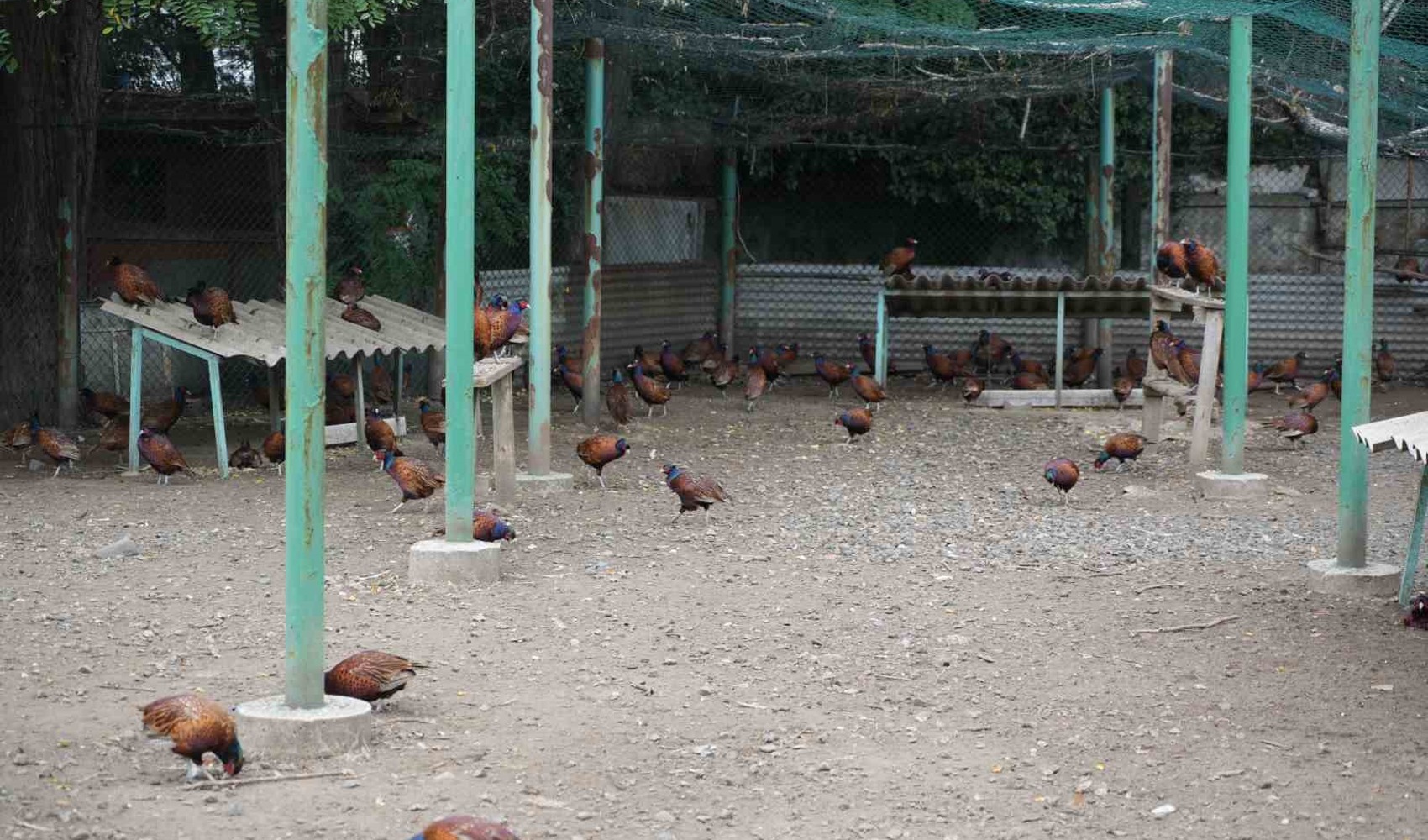
Pheasants raised in Samsun have been released into the wild as part of a biological control effort against the brown marmorated stink bug, which causes damage to hazelnut production, particularly in the Eastern Black Sea region. Of the 3,500 pheasants raised at the Gelemen Pheasant Breeding Center in the Tekkeköy district, 2,900 were released in Ordu and 600 in Samsun in suitable habitats.
The center, affiliated with the 11th Regional Directorate of Nature Conservation and National Parks, has been breeding pheasants since 1969 to support the Caucasian pheasant population. The pheasants raised at the center are kept under care for approximately 16 to 18 weeks before being released into the wild.
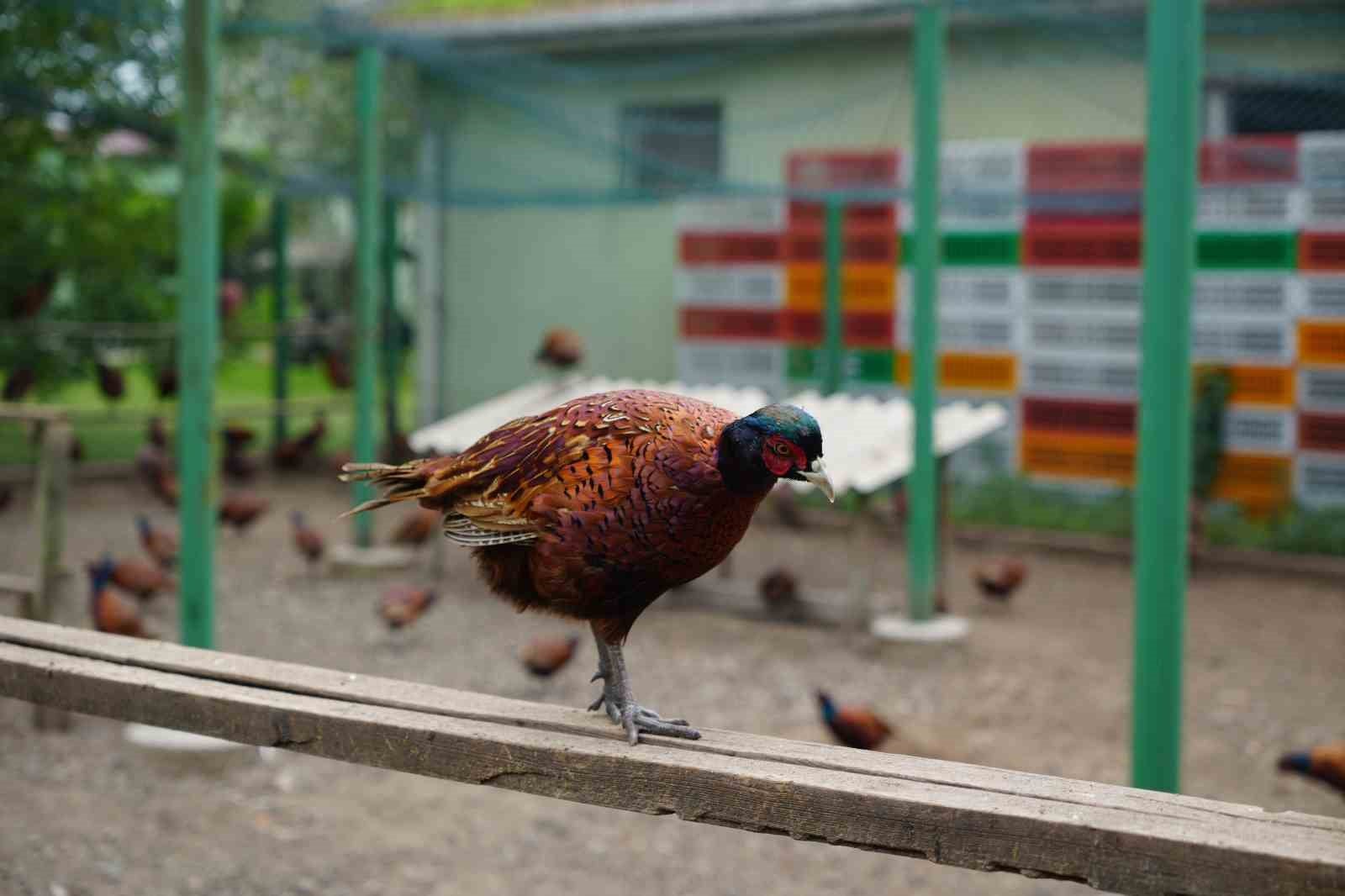
Resul Doğan, the 11th Regional Director of Nature Conservation and National Parks, stated that the brown marmorated stink bug has caused serious damage to agricultural lands in the Eastern Black Sea region in recent years, primarily affecting hazelnuts. Doğan noted that the Ministry of Agriculture and Forestry is conducting studies as part of biological control efforts and that pheasants are considered among the species that can contribute to this process.
Stating that trials conducted with universities have confirmed that pheasants feed on the brown marmorated stink bug, Doğan explained that the releases were carried out in areas suitable for the pheasant's natural habitat, such as wetlands and areas connected to forests near hazelnut fields.
PRODUCTION CAPACITY TO BE INCREASED
More than 392,000 pheasants have been produced at the Gelemen Pheasant Breeding Center since its establishment. During this process, 67,000 pheasants were released into the wild in Samsun, while others were placed in suitable habitats along the Eastern Black Sea line, stretching from Sinop to Georgia.
Doğan stated that the 2026 production and release program has been completed with 3,500 individuals, noting that the current facility is insufficient to meet needs and demands. With the completion of the new production station planned in Terme, the goal is to increase the annual capacity to 15,000.
With the commissioning of the new facility, it is planned to place more pheasants in requested regions in the Eastern Black Sea and to expand biological control efforts against the brown marmorated stink bug.
News Source: 12punto