


Lech Wałęsa's Warsaw



I am in Warsaw, the capital of Poland.
It is the city of Lech Wałęsa, a name our generation in Turkey has also heard quite often.
Wałęsa was awarded the Nobel Peace Prize in 1983. He served as President between 1990 and 1995.
He led the country's transition process to a free-market economy and a democratic order following communism.
As you know, history has treated the Polish people harshly.
Perhaps the Polish people are the ones who have suffered the most from political conflicts in Europe.
They have been subjected to tyranny many times.
Even Ottoman horses were watered in the Vistula River, which cuts through the country from end to end, which is where the story of Polonezköy in Turkey begins.
They experienced massacres during the Second World War and the Cold War era.
The Katyn forest tragedy or massacre is the most well-known, where more than twenty thousand educated Poles were executed with a single bullet to the back of the head.
It is fair to say that the hazy atmosphere created by the KGB during the Cold War is only just beginning to dissipate, despite 37 years having passed.
As far as I understand, Poland wants to be a part of the fourth industrial revolution.
By taking advantage of being on the German border, they are trying to develop new algorithms to ensure they never return to their tragic, painful past, and their proximity to Russia increases the importance of these new algorithms.
They are pursuing innovation so as not to be sacrificial lambs as they were in the past.
As an extension of these renewal efforts, they are also seeking expansion in higher education.
In this context, I attended a congress themed "Revitalization of Universities," organized jointly by Prof. Pawel Nowak, Prof. Jerzy Roslon, and Prof. Mariola Ksiazek-Nowak from the Warsaw University of Technology.
The expenses were covered by the Polish Ministry of Education.
For three days, we ate and drank with academics from various European countries. We shared our projects to create new collaborations. We discussed the positions universities will take in the face of artificial intelligence.
It is clear that Poland takes these matters seriously. It wants to establish an outward-looking system.
In this sense, it is trying to strengthen bilateral collaborations with foreign universities.
Poland could be a suitable partner for the integration of Turkish academics into Europe and the fourth industrial revolution, as the sluggishness and arrogance of the Germans are not really present here.
They are younger and more eager.
Would you like to get notifications about new developments and save news?
- NotificationsNew developments and breaking news
- SaveNews is stored in the app
Most Read
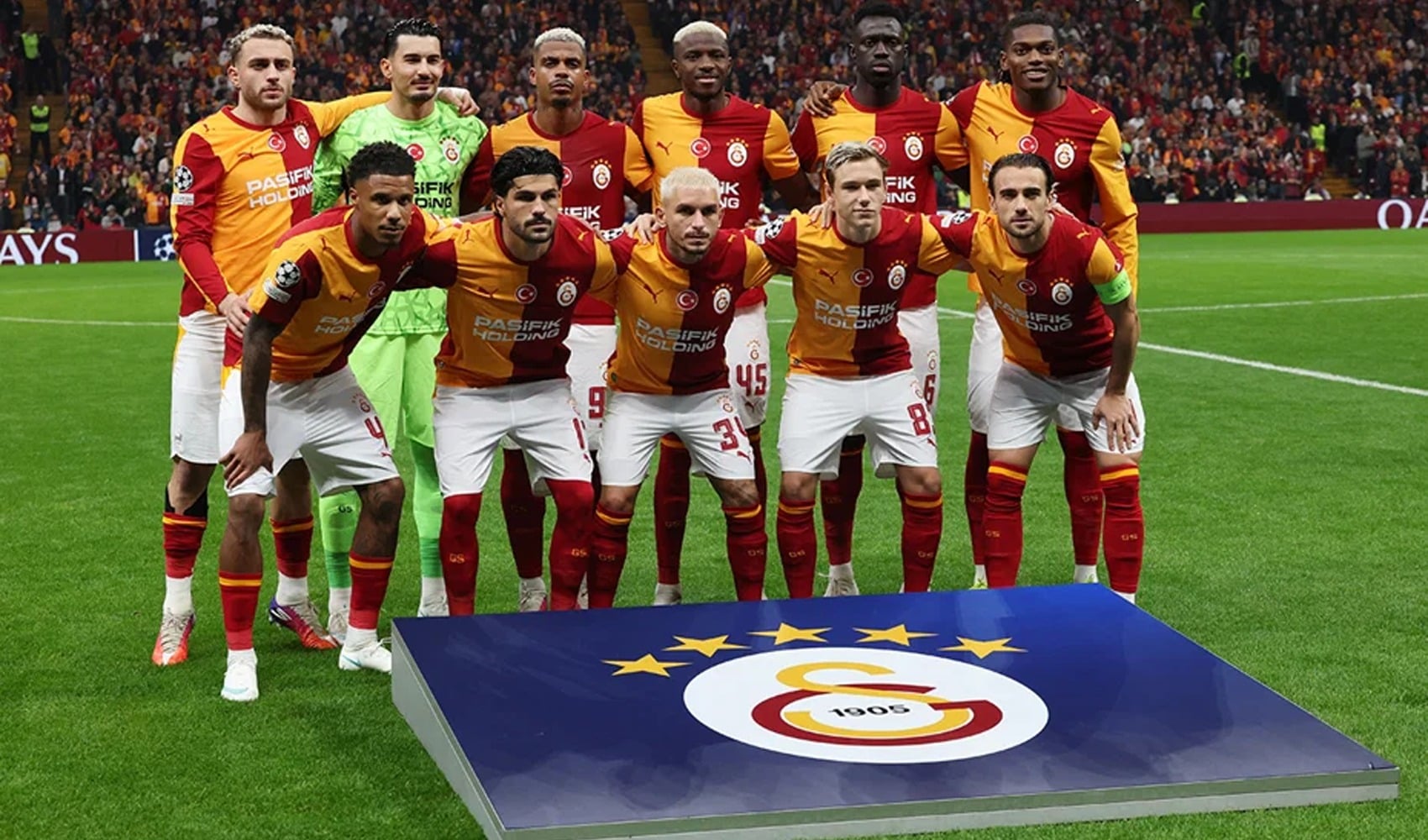
Champions League night results are in: The second week has begun
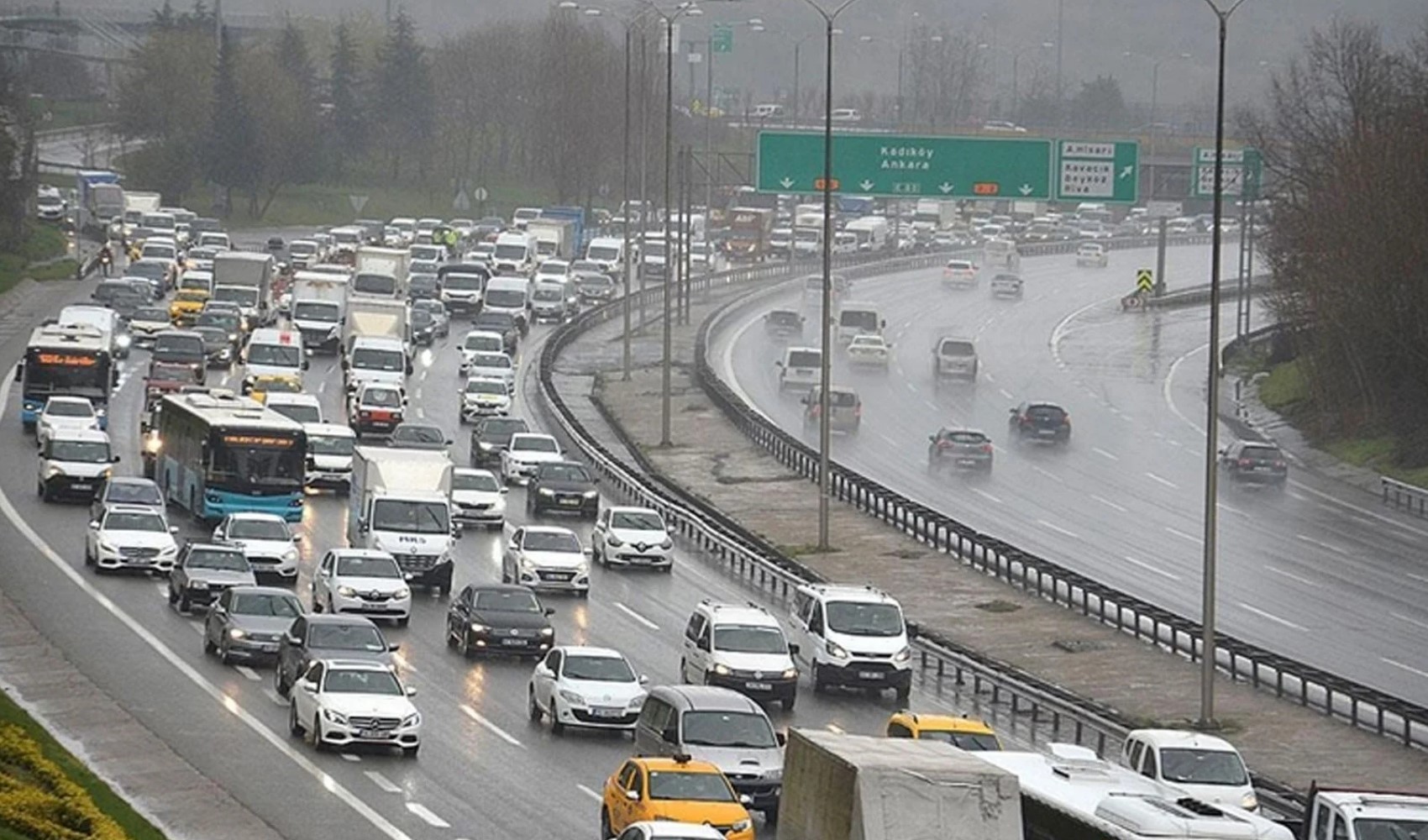
Downpour in Istanbul brings rush hour traffic to a standstill
The colonial governor's Golden Horn landing with 'Caliph' and 'Sultan' references!..

Fenerbahçe wins comfortably against Zalgiris
Betrayal
Yandex outage hits taxi and payment services
Houthis target city housing Aramco headquarters
Liberals and civil society activism
Lech Wałęsa's Warsaw

Price of a kilogram of gold reaches 6 million 618 thousand TL