


Betrayal



The memory of politics is deeper than the memory of individuals. People forget, and think that time will make others forget; but history never truly closes any account. It only shelves it, to be opened when the day comes.
Betrayal is not always a dagger carried in the enemy's hand. Sometimes it hides in the palm of a hand standing closest to you. Sometimes it grows in the crumbs of bread shared at the same table, sometimes in the dust of paths walked together, and sometimes in the shadow of the highest oaths of loyalty.
Because the most skillful form of betrayal is to present itself as loyalty.
Politics records not only what a person says, but also what they remain silent about and why. Who entered through which door, who waited at which threshold, and who rearranged their ranks when the wind changed direction… Everyone is right in their own story. However, the judgment of history is not rendered by what people write about themselves, but by the traces they leave behind.
A cause has its travelers. Some set out on that path because they believe in it, others because they think they will find a position, a status, or a fortune at the end of that road… At first glance, they all walk in the same direction. They use the same words, accompany the same anthems, and say they are looking at the same goal.
But as the roads lengthen, intentions diverge.
Some shoulder the burden in a storm, while others think of saving their own ship at the first port. Some reach out a hand to prevent their companion from falling, while others wait for them to stumble. And some, forgetting that the path they walk carries a meaning greater than themselves, think they are the owners of the path.
This is exactly where the breaking point begins.
Because no cause is small enough to fit into one person's ambition. No political movement can be condemned to someone's personal calculations. No struggle can be kept alive forever by being severed from the will that created it.
There are those who think the door opened to them is their own property, the hand extended to them is a lifelong obligation, and the trust placed in them is unlimited immunity. Yet, a trust is not property. Loyalty is not a promissory note. And trust is not a value that grows as it is exploited, but one that disappears as it is consumed.
In politics, a separation sometimes occurs. Separation, in itself, is not betrayal. People can change their minds, part ways, or object. They can even oppose today what they defended yesterday. All of these are in the nature of politics and being human.
Betrayal is something else.
Betrayal is not closing the door when leaving; it is denying the hand that opened the door. Betrayal is not opposing an idea; it is using the reputation gained through that idea yesterday to collapse it from within today. Betrayal is, beyond turning one's back on the struggle, turning the trust that the struggle placed in you into a bargaining chip.
And most dangerously, it is doing all of this under the guise of virtue.
In history, many names began to be forgotten on the day they thought they were indispensable. Many structures that appeared strong collapsed because they ignored the silent cracks within them. Because a structure is not always brought down by blows from the outside. Sometimes, when a stone inside is moved, it disrupts the balance of the entire wall.
However, the person who moves that stone often does not realize that it was also protecting the wall itself.
Then there are those who think they are calculating. They assume today's conditions will last forever and accept today's power balances as unchangeable. They mistake someone's silence for cowardice, their patience for helplessness, and their kindness for weakness. Yet, politics is the arena not only for those who speak, but also for those who remain silent to speak when the time comes.
Every silence is not an acceptance. Every retreat is not a defeat. Behind every closed door, there is not necessarily a forgotten issue, and in every postponed account, there is not necessarily a surrendered right.
Sometimes, time is the best witness to the truth.
Those applauded today may be questioned tomorrow. Those whose backs are patted today may face the traces they left behind tomorrow. Someone who thinks they are preparing the end of others today may, without realizing it, be creating the conditions for their own end. Because there is an unchanging rule of life and history: A person cannot be exempted forever from the consequences of the order they created for others.
So, why does the one who betrays eventually get betrayed?
Because betrayal does not only destroy the trust of the other party; it also leaves a mark on the character of the person who commits it. A person who has once traded loyalty for interest, once put trust on the bargaining table, and once sacrificed people who believed in them for their own calculations, begins to look at everyone around them with the same eyes after a while.
They look for what they did themselves in others. They read their own intentions in the silence of others. They see the shadow of their own disloyalty on the faces of others.
And in the end, they cannot understand why the person they trusted most does not trust them.
This is the true punishment of betrayal: To live without being able to trust anyone, in a world where one day everyone might act just like them.
However, history tests not only those who betray but also those who see the betrayal and fail to learn from it. Because the issue is not just who leaves and who stays. The real issue is what those who remain protect and with what values they will be remembered tomorrow.
The greatness of a cause is measured not by the number of people around it, but by the principles they cannot give up for its sake. The future of a movement depends more on which values it stands behind today than on who walked beside it in the past.
Names change. Positions change hands. Alliances are formed and broken. Those who stood shoulder to shoulder yesterday may turn their backs on each other today. But in the midst of all this change, some things remain in place: Truth, conscience, and history…
None of the three are in a hurry.
None of the three believe everything they are told.
And none of them can be silenced forever.
Perhaps that is why a person becomes impoverished not when they lose what they betrayed, but when they forget why they once believed in it. Because a position can be taken back, reputation can be regained, and political calculations can be made in other ways. But the distance between a person and their own past, no matter how long, closes one day.
When that day comes, neither excuses nor new alliances will suffice…
Only what was done and the account of those actions remain.
And history sometimes summarizes the whole long story in a single sentence:
He who betrays will one day find betrayal. Because the order established by betrayal eventually consumes its own owner as well.
A person may forget the trap they set for others; but fate does not forget who placed which stone where.
Would you like to get notifications about new developments and save news?
- NotificationsNew developments and breaking news
- SaveNews is stored in the app
Most Read
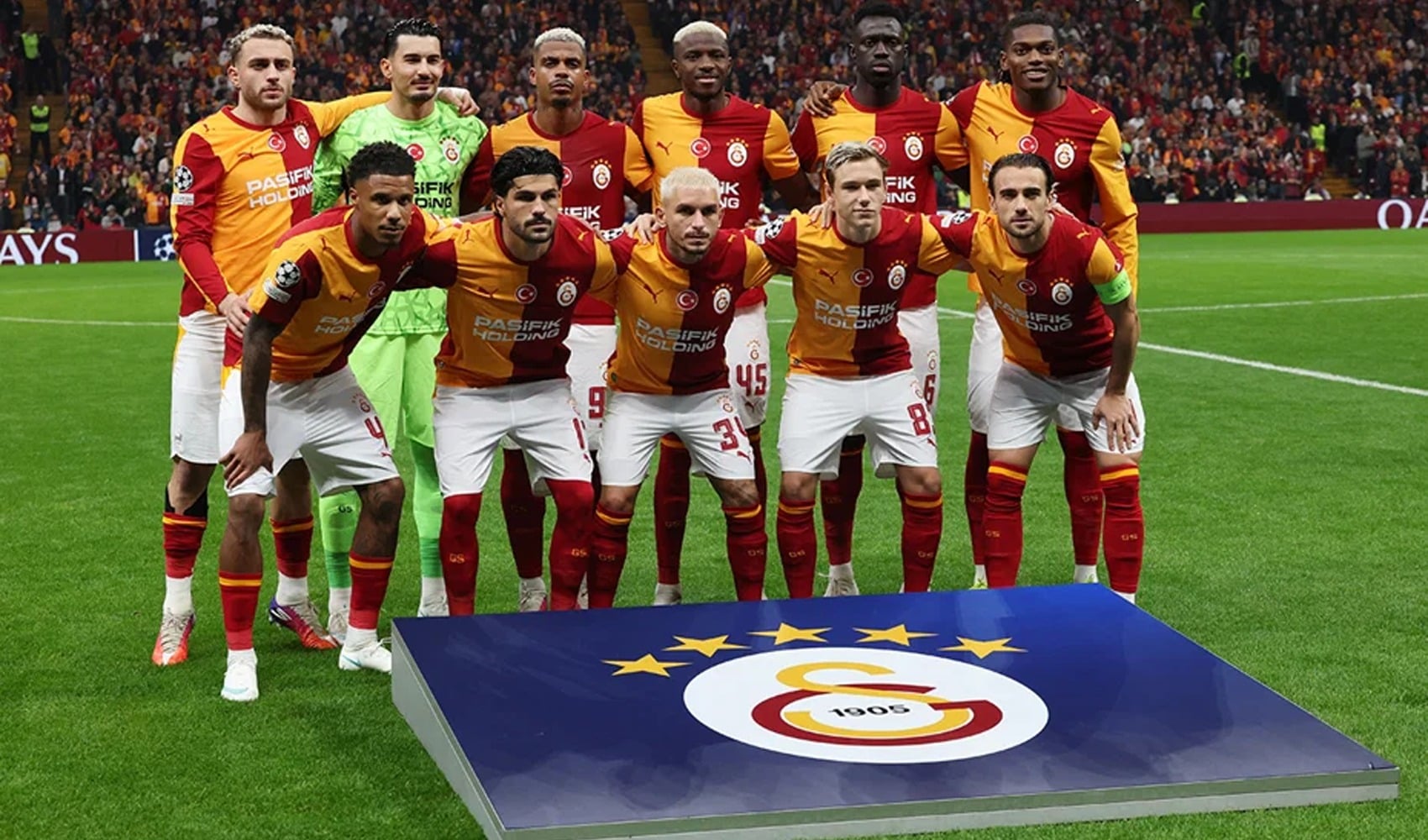
Champions League night results are in: The second week has begun
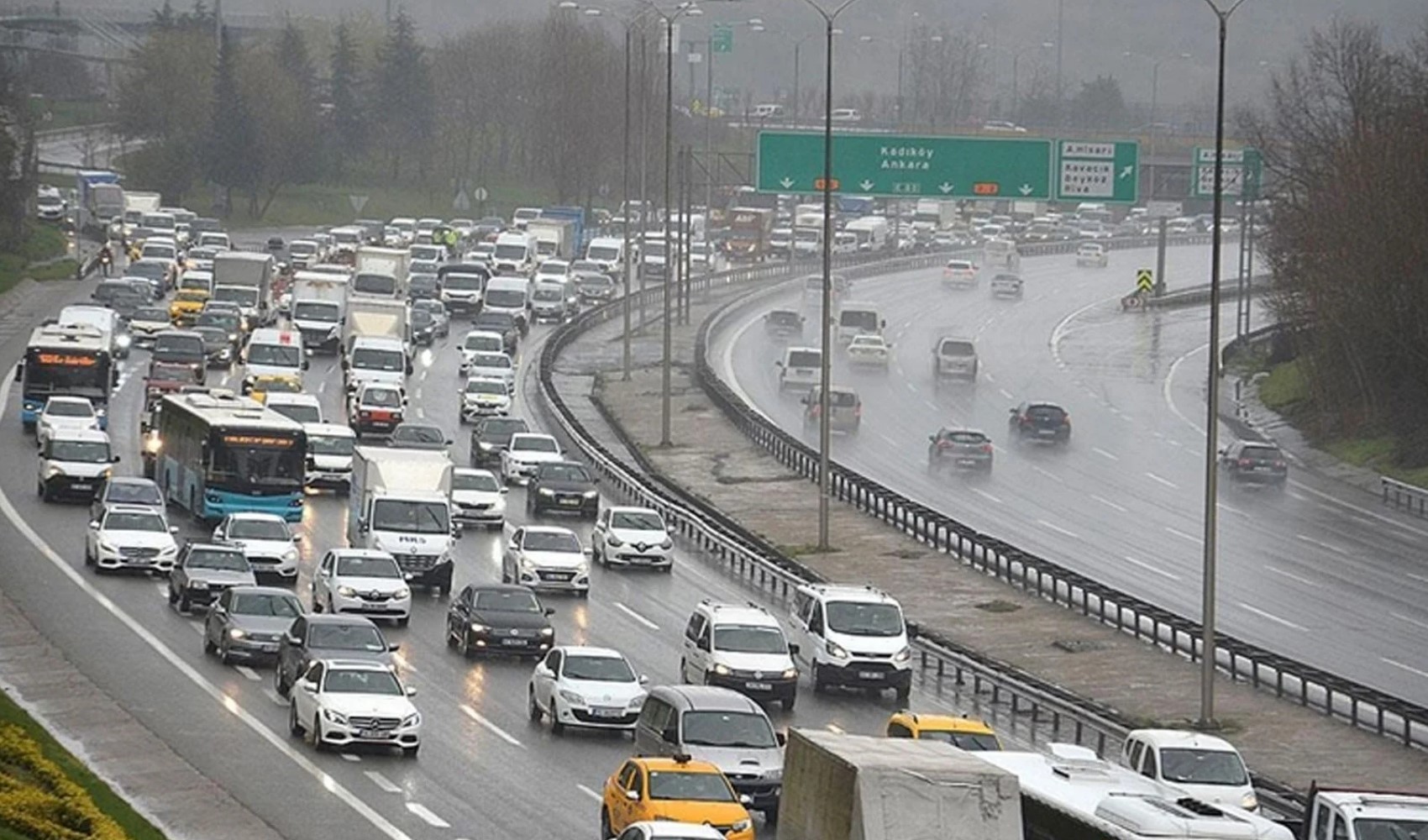
Downpour in Istanbul brings rush hour traffic to a standstill

Fenerbahçe's squad for Aston Villa match announced
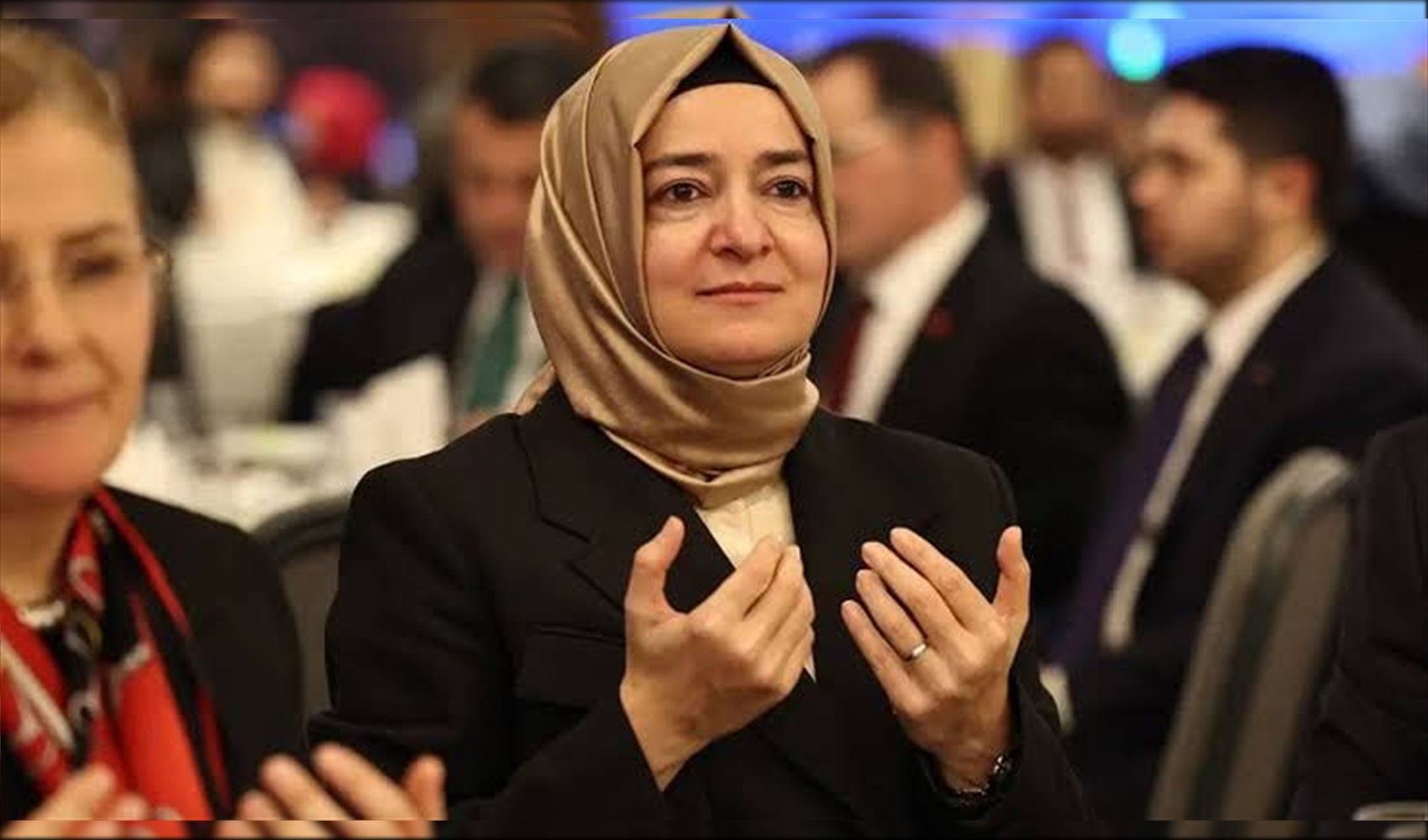
The assets of Fatma Betül Sayan Kaya have also been frozen

Turkey's wheat giant has gone bankrupt

Fenerbahçe wins comfortably against Zalgiris
The colonial governor's Golden Horn landing with 'Caliph' and 'Sultan' references!..
Yandex outage hits taxi and payment services
Houthis target city housing Aramco headquarters

Betrayal