

Decision announced: To be phased out starting in 2030
Small sauce, sugar, and cream packets frequently used in restaurants will be gradually banned across the European Union. The decision aims to reduce waste and promote the use of more sustainable packaging.



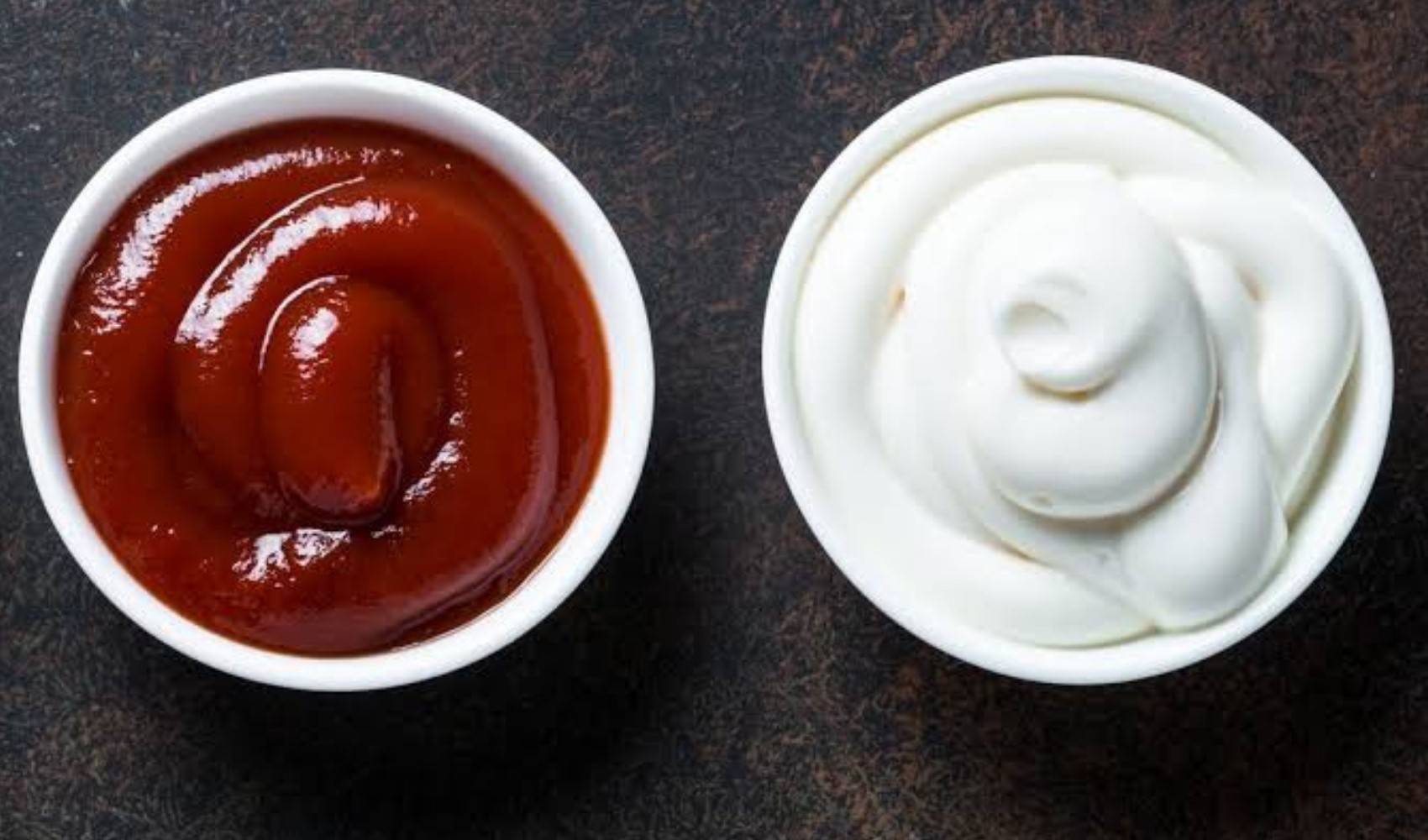
The European Union (EU) will significantly restrict the use of small, single-use packaging in restaurants and cafes as part of a new initiative to minimize environmental impact. The regulation, titled the "New Packaging and Packaging Waste Regulation," will enter into force on August 12, 2026. However, the provisions regarding the ban on small sauce, cream, and sugar packets are scheduled to be implemented starting January 1, 2030.
According to EU legislation, restrictions will be placed on the use of small, single-use sachets and packets for products such as ketchup, mustard, mayonnaise, various sauces, sugar, and cream when served for on-site consumption. This decision aims to curb the amount of waste generated by plastic and multi-layer packaging that is discarded shortly after use. EU officials point out that such packaging is difficult to recycle because it is made from various materials and is also economically inefficient.
As an alternative, restaurants and cafes are encouraged to introduce refillable dispensers or small containers that can be cleaned after each use instead of single-use packets. Additionally, the use of pump dispensers to provide customers with the desired amount of product is on the agenda.
With the removal of single-use packets, the issue of hygiene has also begun to be debated again. In a 2011 study conducted at the Federal University of Rio de Janeiro, the outer surfaces of 285 sealed sauce packets collected from commercial establishments were analyzed. According to the results, fungi were detected on more than 70% of these packets, and bacteria were found on approximately 82%. Furthermore, traces of fecal coliform were found on more than 10% of the outer surfaces. The study emphasized that while the product inside remained uncontaminated due to the airtight nature of the packaging, the microbial load on the outside of the packaging was formed during the supply chain, transport processes, and human contact.
While the EU is taking a significant step in waste management with this regulation, restaurants and cafes will also need to develop new practical and hygienic solutions.
News Source: 12punto
Most Read

Haaland's new look becomes a hot topic
Iran claim regarding the Mecca Agreement
New era in poverty alimony: Minimum 5-year duration on the table

Two provinces to be connected
Unbelievable adulteration found in some food products
Veterans react to Hulusi Akar's 'minority' remarks

Georgina Rodriguez adopts Ronaldo's three children

What is beauty anyway (culture)

Decision reached in complaint by Ülkü Hilal Çiftçi's father
The luxury box crisis between Fenerbahçe and Acun Ilıcalı grows