

Unused dams are being removed in Europe
Thousands of kilometers of rivers have regained their natural flow in Europe following the rapid removal of old and dysfunctional dams, weirs, and culverts.



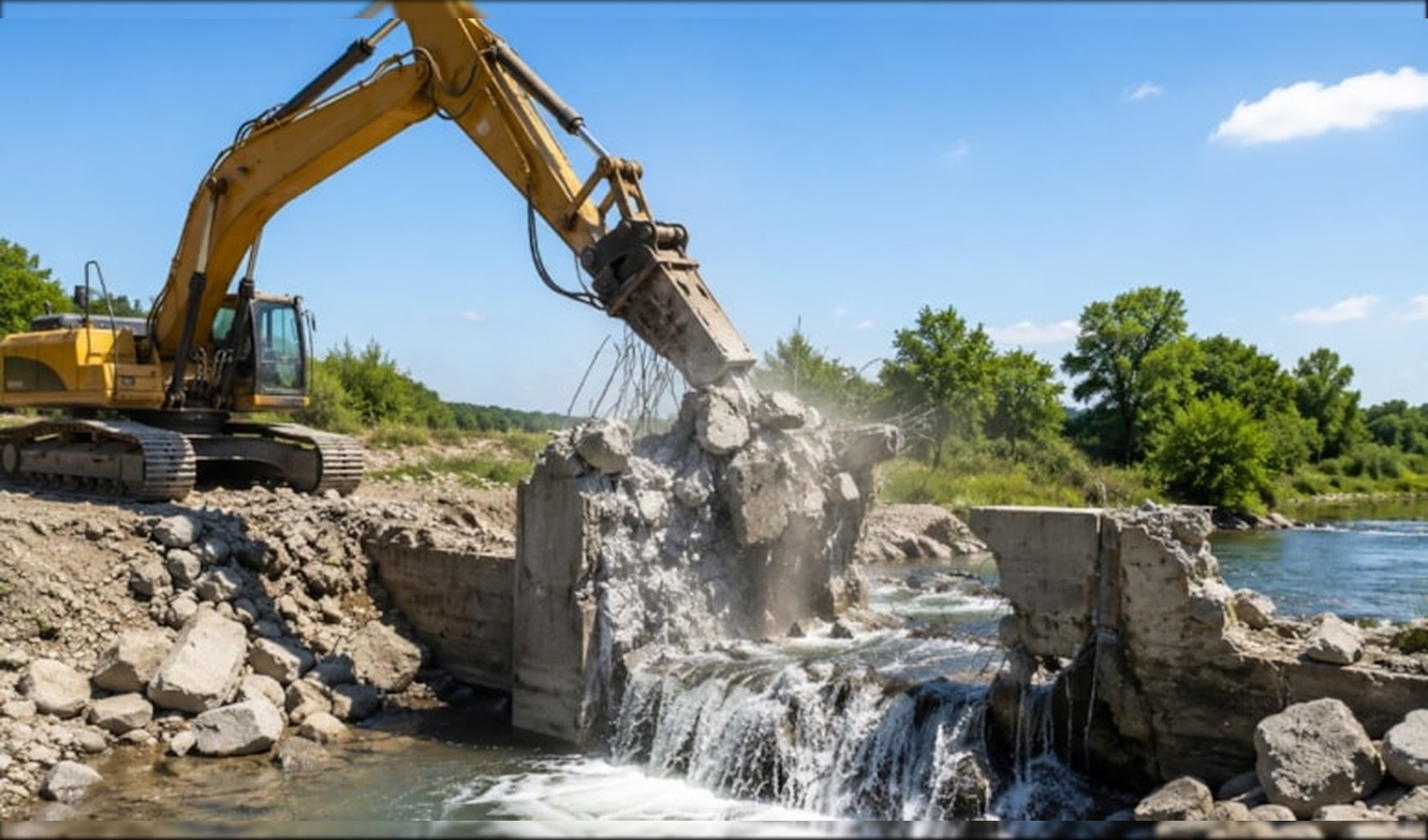
Across Europe, the removal of structures built on rivers years ago that are no longer in use is becoming increasingly common. According to a new report published by Dam Removal Europe, at least 603 old dams, weirs, and culverts have been completely removed across 21 European countries recently, restoring more than 3,740 kilometers of river connectivity in total.
Efforts are generally focused on removing smaller structures that have long lost their function, rather than large, active hydroelectric power plants. The structures being dismantled include old small dams, which are typically less than two meters high, as well as weirs, spillways, and culverts that obstruct the flow of water in riverbeds.
It was noted that the highest number of structures removed in these projects across various European countries occurred in Sweden. A total of 173 old structures were dismantled in Sweden, 143 in Finland, and 109 in Spain. Additionally, Iceland and North Macedonia participated in such removal projects for the first time.
The Melsá River in Iceland became one of the prominent examples following the removal of a small-scale hydroelectric dam. Built in 1958 to power a farm, the dam remained in the river for decades after it lost its purpose. With the final removal of the dam, a total of 2.55 kilometers of river area returned to its natural flow.
The primary rationale behind this initiative is to restore natural flow in rivers. Experts point out that old dams and weirs obstruct fish migration in rivers and also have negative impacts on the transport of sediment and nutrients.
The latest report states that there are still more than 150,000 unused water structures across Europe. Therefore, it is anticipated that similar projects will continue rapidly in the coming years.
News Source: 12punto
Most Read

Haaland's new look becomes a hot topic
Iran claim regarding the Mecca Agreement

New era in poverty alimony: Minimum 5-year duration on the table
Two provinces to be connected

Unbelievable adulteration found in some food products
Veterans react to Hulusi Akar's 'minority' remarks

Georgina Rodriguez adopts Ronaldo's three children

What is beauty anyway (culture)

Decision reached in complaint by Ülkü Hilal Çiftçi's father
The luxury box crisis between Fenerbahçe and Acun Ilıcalı grows