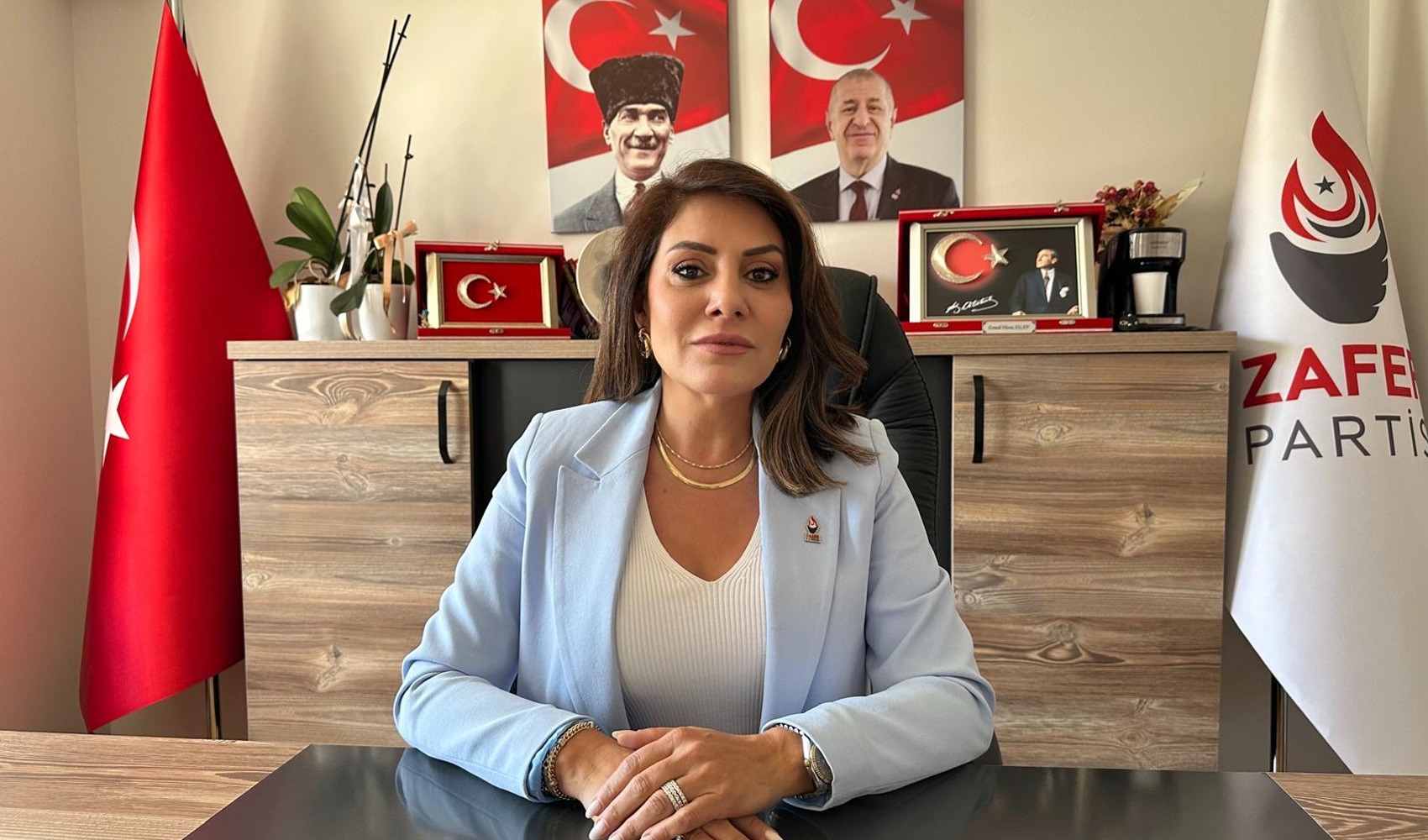
Esmaül Hüsna Aslan, Head of Environment, Urbanization, and Culture for the Zafer Party, has called for the public evaluation of findings based on satellite observations regarding methane emissions at the Silivri and Şile waste sites in Istanbul.
Aslan requested that the Istanbul Metropolitan Municipality (İBB) and İSTAÇ share data regarding the performance of their gas collection systems, and that the Ministry of Environment, Urbanization and Climate Change share its inspection reports.
The research, prepared using Carbon Mapper data as part of UCLA's “STOP Methane” project, examined high methane emission sources in Turkey's waste sector. The findings reflected in the research reported an average hourly methane emission of 7.4 tons for Silivri and approximately 4 tons for Şile. It was stated that the total for the two sites is at a level of approximately 11.4 tons/hour.
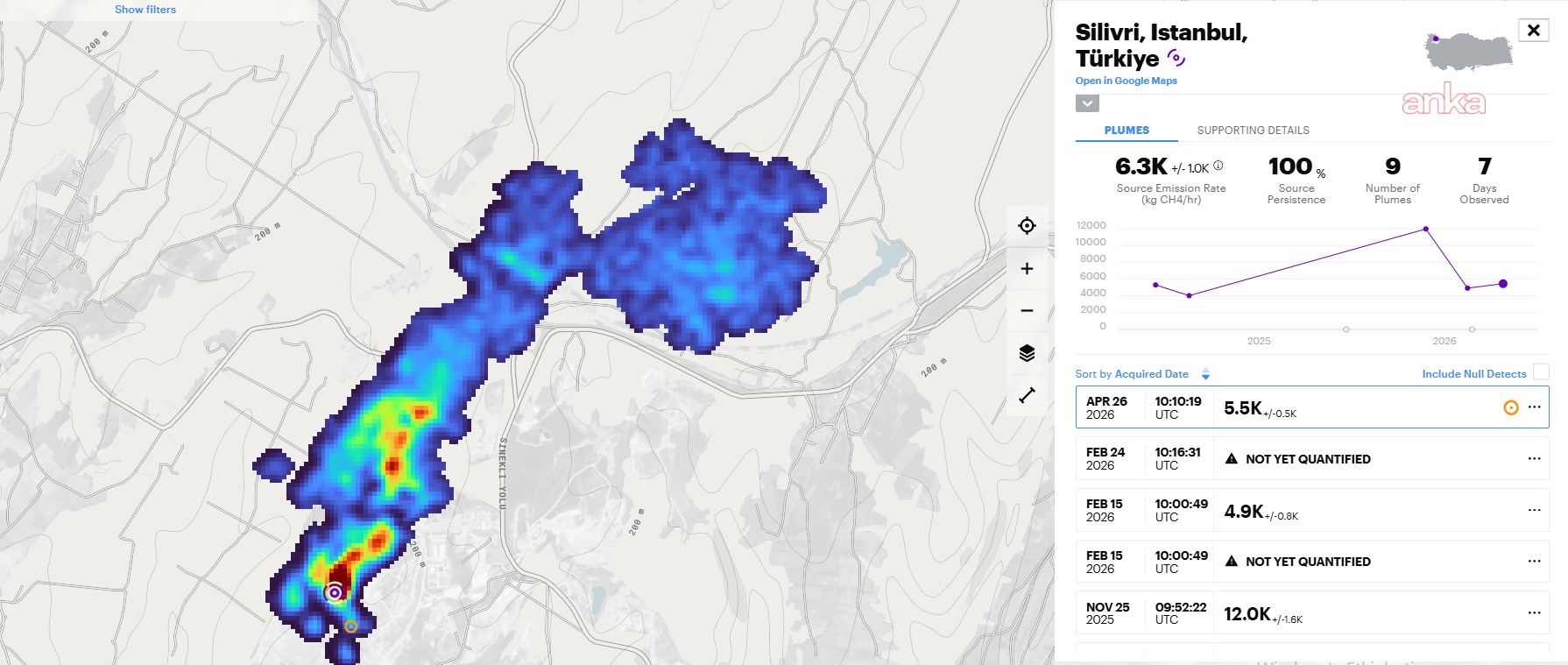
It was emphasized that this total does not represent a continuous and simultaneous emission measured at both sites, but rather separate averages calculated from satellite observations.
“Methane rising from Istanbul's two waste sites is being detected by satellites. Those responsible have no right to remain silent in the face of these findings. How much gas is being collected, how much is escaping into the atmosphere, and what measures are being taken? Istanbulites have a right to know these things.”
“INSTALLING A GAS COLLECTION SYSTEM IS NOT ENOUGH”
Stating that methane emissions cannot be seen as limited only to the technical operation of the facilities, Aslan said that methane creates approximately 80 times more warming effect than the same amount of carbon dioxide in the first 20 years after being released into the atmosphere. Aslan expressed that methane contributes to the formation of ground-level ozone, which can have negative effects on respiratory health, agricultural production, and ecosystems.
Aslan noted that due to the flammable nature of methane, facility safety must also be monitored with on-site measurements. Stating that the emission amount detected by satellite does not by itself indicate an explosion hazard at the site, Aslan said that this requires on-site measurement and safety inspections.
Arguing that responsibility does not end with saying “we have installed a gas collection system,” Aslan stated that how effectively the systems work, where leaks occur, and whether maintenance is performed on time must be measured regularly. Aslan said that the escape of gas into the atmosphere, which could otherwise be collected and used for energy production, is also a loss of resources.
Aslan, who called on the İBB and İSTAÇ regarding operational data, maintenance records, and efforts to reduce emissions, also asked the Ministry when the sites were last inspected, what measurements were taken, and whether the obligations imposed on the operators are being followed.
Reminding that COP31 will be held in Antalya from November 9-20, Aslan stated that as Turkey prepares to explain its climate policies to the world, practices in waste management must also be presented transparently. Aslan demanded that the results of the inspections be announced, a calendar be set for addressing deficiencies, and the work performed be demonstrated through measurements.
News Source: 12punto