 1 / 20
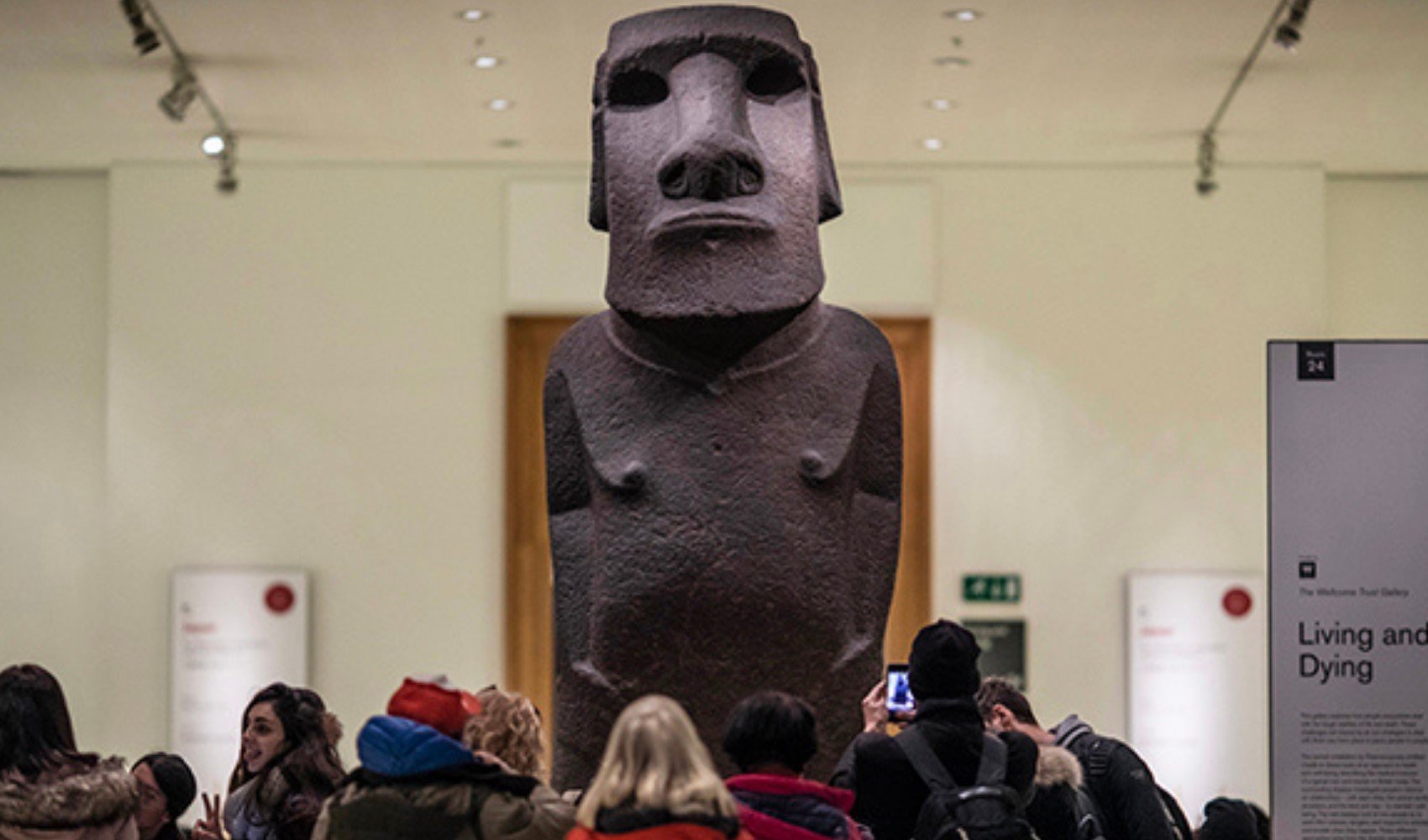
20- Hoa Hakananai’a Statue (Moai), Easter Island, Chile
Easter Island, also known as Rapa Nui, is famous for its stone statues in the shape of human figures. Approximately 1,000 Moai statues, created between 1000 AD and the 17th century, have been found. One of the most well-known is the Hoa Hakananai’a statue, whose name means "hidden friend." It is approximately 2.5 meters tall and weighs 4.2 tons. This statue was moved to London in 1869 and has been on display at the British Museum ever since.
 2 / 20
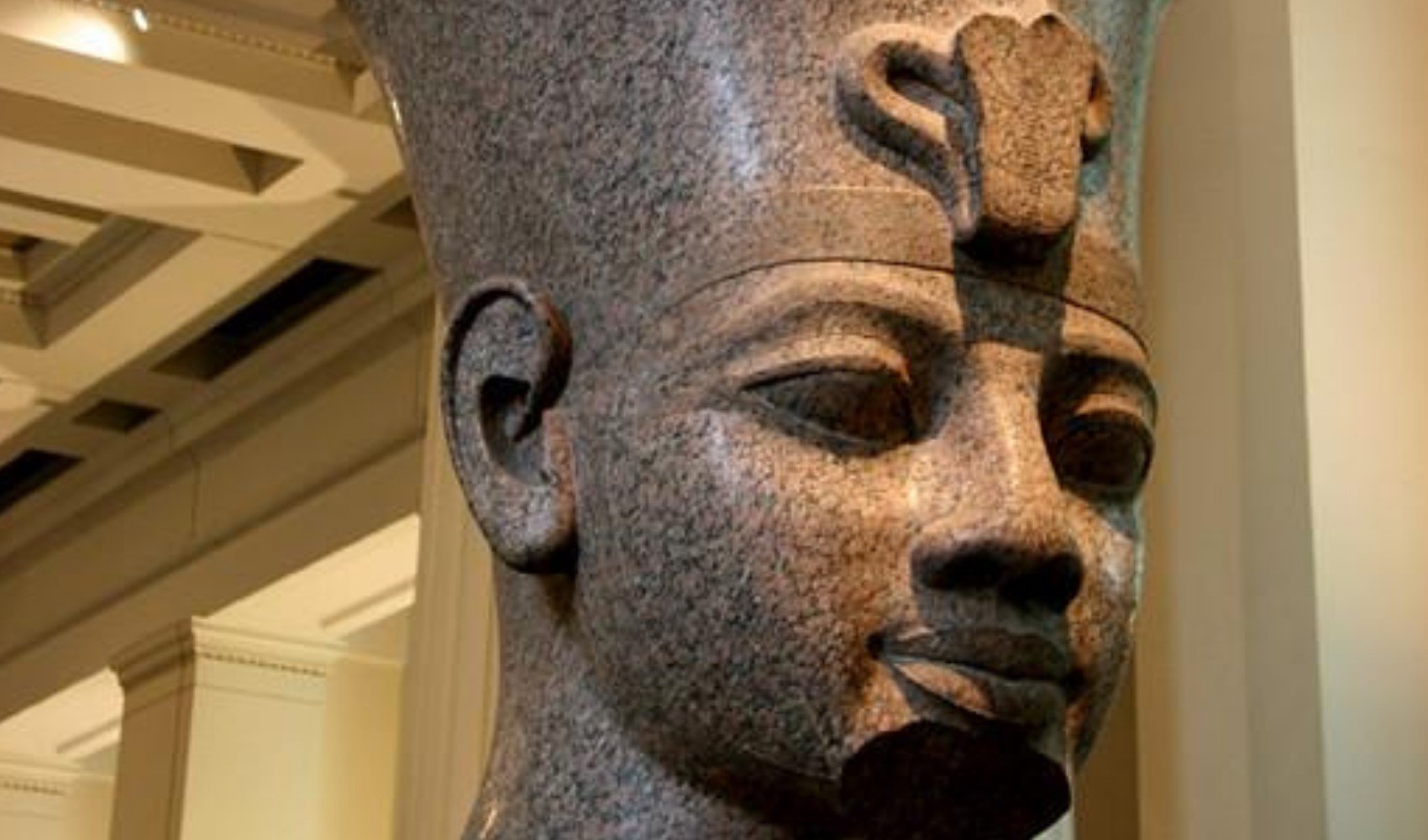
19- Colossal Granite Head of Amenhotep III, Egypt
Dating back to around 1370 BC, this colossal statue head was discovered in the Temple of Mut near the Karnak Temple in Egypt. It is approximately 3 meters high and weighs around 3.6 tons. Although this statue belongs to the period of Amenhotep III, it underwent modifications over time and was associated with the period of Ramesses II. The changes made, especially to the facial features, are evidence that such practices were common.
 3 / 20
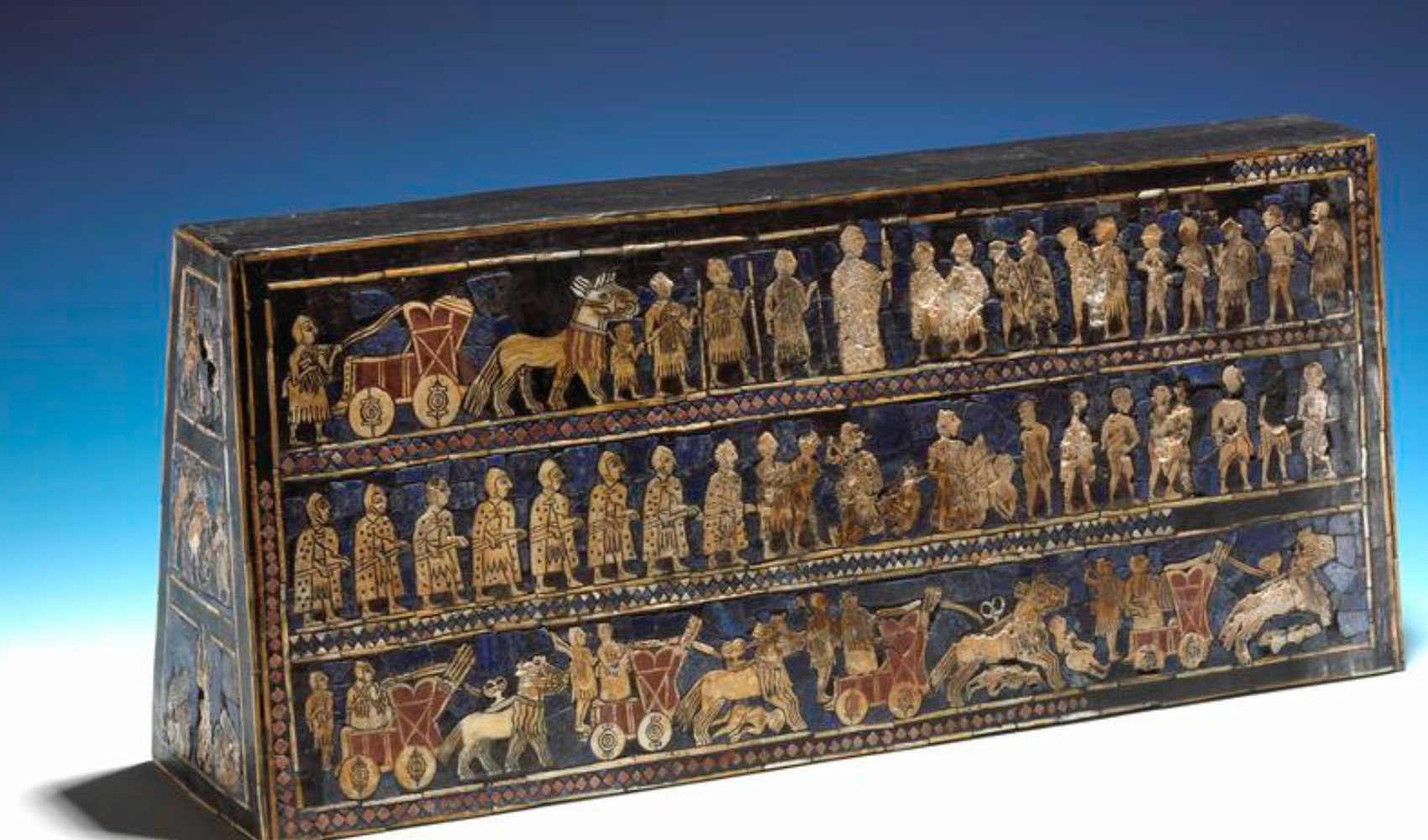
18- Standard of Ur, Iraq
This interesting object, found in the Sumerian city of Ur, was discovered by Leonard Woolley in 1928. It features scenes inlaid with materials such as seashells, lapis lazuli, and red limestone. The scenes depict a war scene and peace under the rule of a monarch. While its exact purpose is unknown, it may have been a sacred or ceremonial object.
 4 / 20
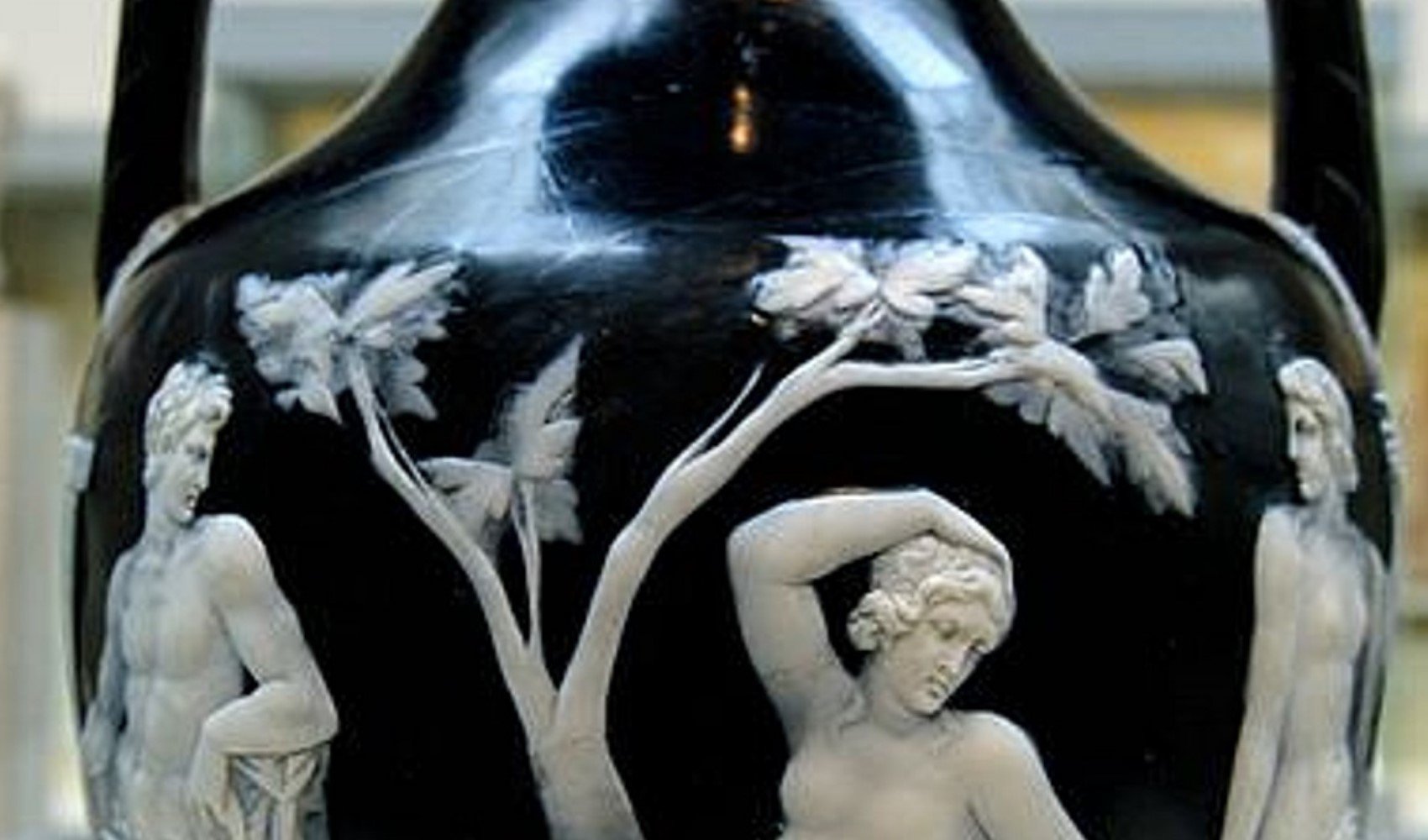
17- Portland Vase, Rome
Dating to around 1–25 AD, this blue-and-white glass amphora was discovered near Rome in the late 16th century. The vase is decorated with mythological figures and white relief scenes. It was donated to the British Museum in 1810, and 35 years later, it was shattered by William Lloyd and subsequently restored.
 5 / 20
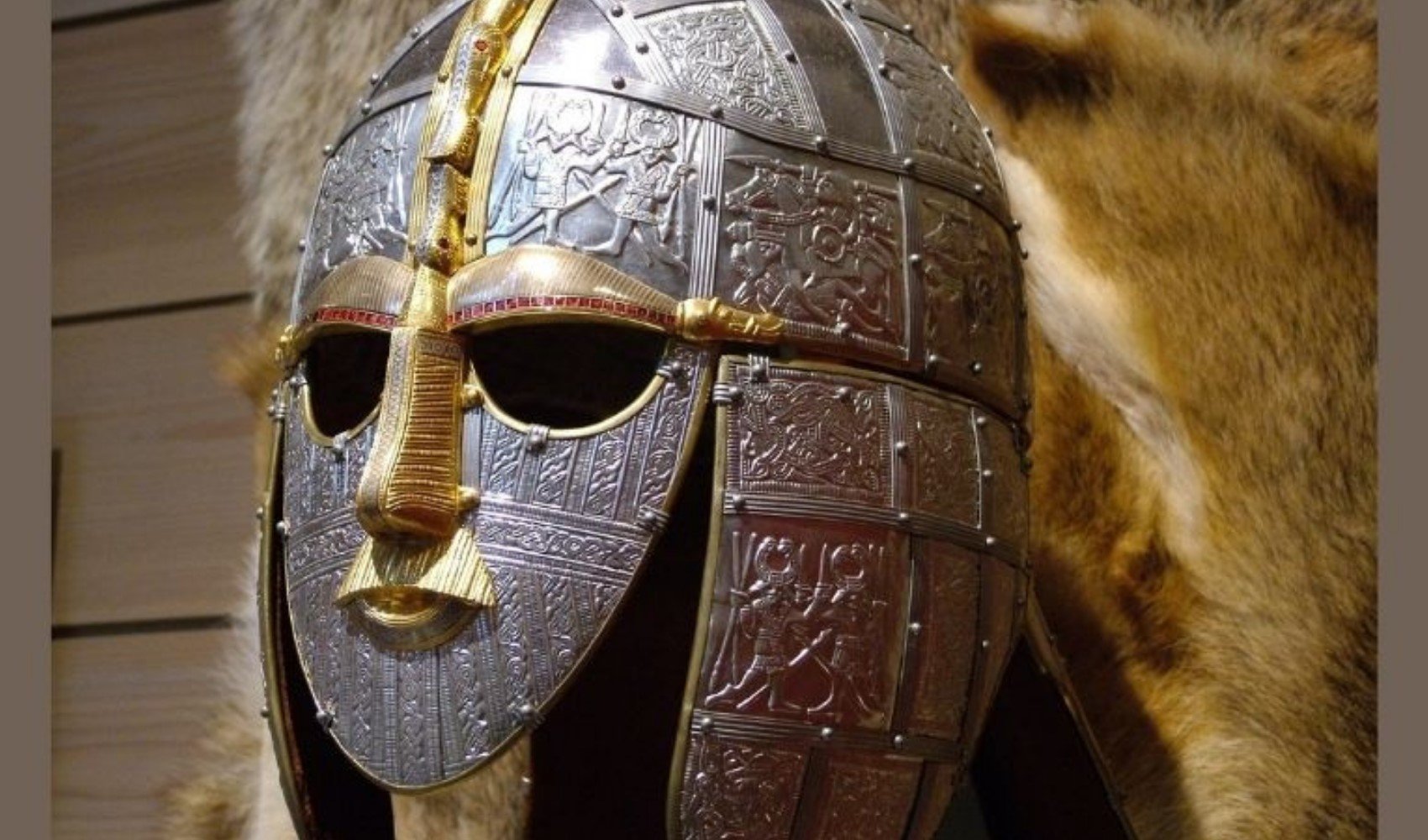
16- Sutton Hoo Helmet, England
This helmet, recovered from the ship burials at Sutton Hoo, dates to the 6th century. This artifact is an important archaeological find belonging to the Anglo-Saxons, and weapons, armor, and other valuable objects were also recovered from the grave. The helmet likely belonged to a war leader and was found with the largest Anglo-Saxon ship in the region.
 6 / 20
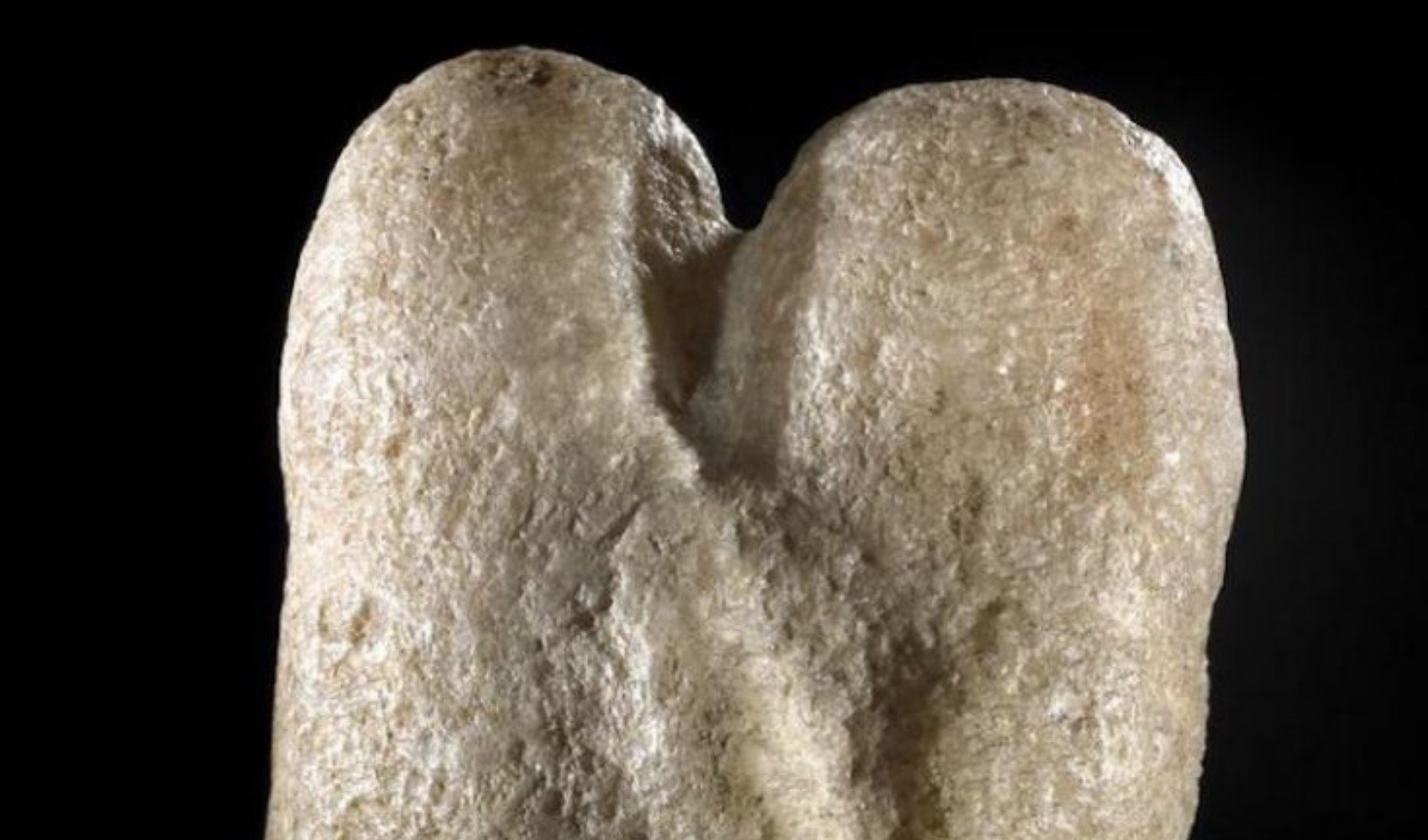
15- Ain Sakhri Lovers Figurine, Palestine
Dating back to 9,000 BC, this stone figurine is one of the oldest examples depicting sexual love. Discovered in the Ain Sakhri cave near Bethlehem, this figurine depicts two naked figures embracing. Although their genders are not clear, these kissing figures are among the first love-themed depictions in human history.
 7 / 20
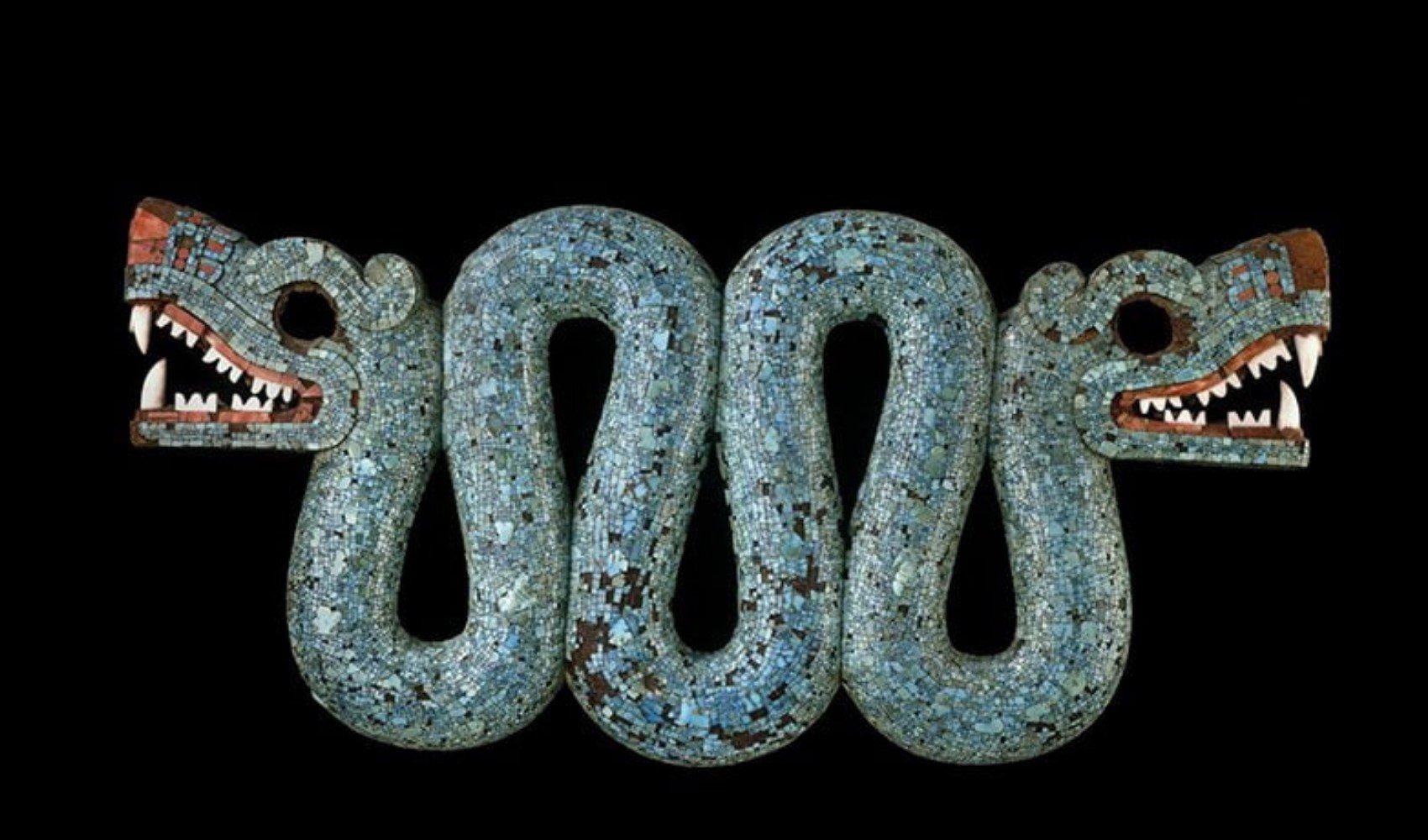
14- Double-Headed Serpent, Mexico
One of the important symbols of Aztec art, the double-headed serpent motif was designed as an ornamental object, usually used in ceremonies. Made with turquoise mosaics on a wooden base, this figure symbolizes the serpent's fertility and rebirth. The Aztecs considered the serpent sacred for these qualities.
 8 / 20
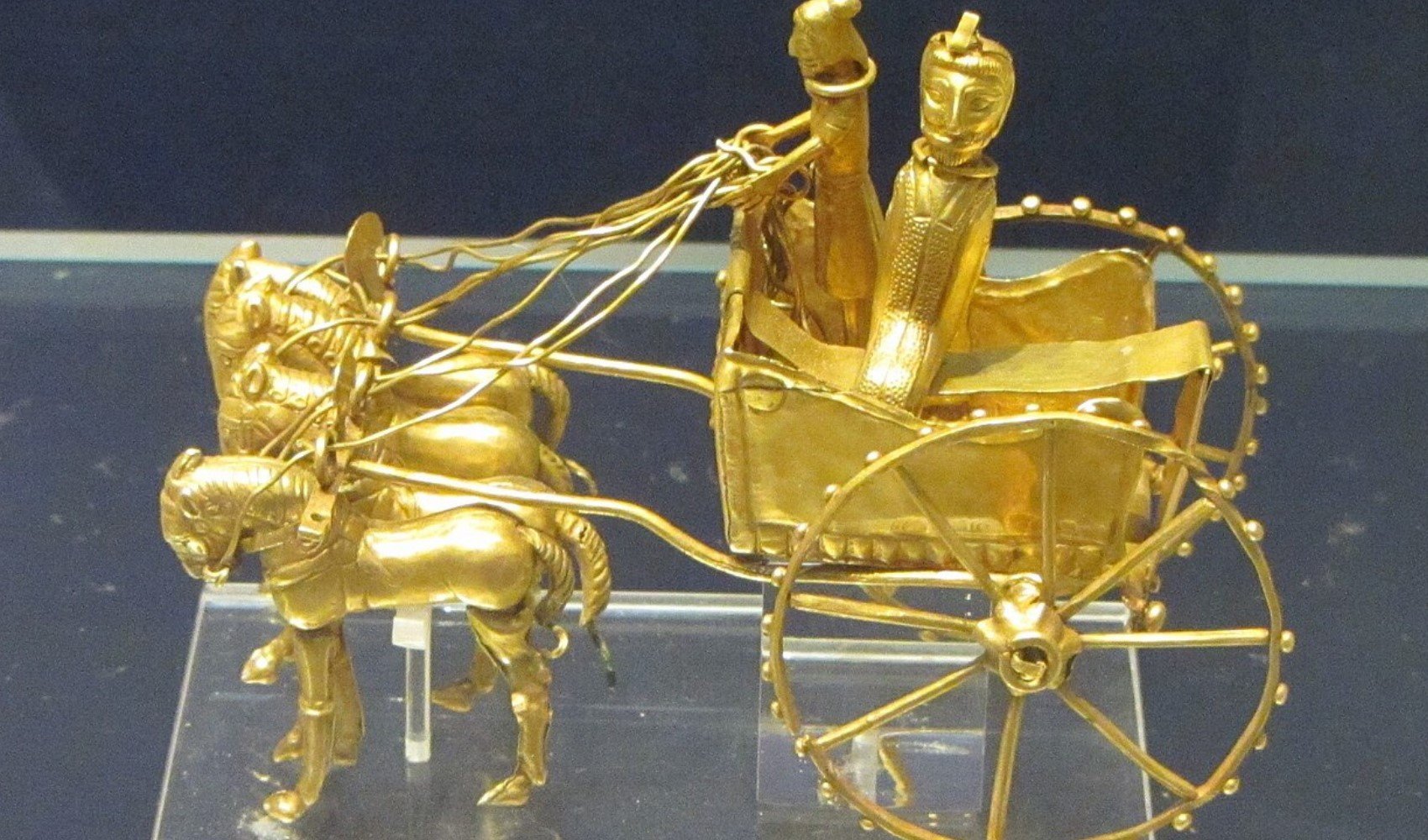
13- Model Chariot, Tajikistan
This elegant gold and silver model chariot, found near the Amu Darya river in Tajikistan, is an important find from the Achaemenid period. The driver and passenger figures in the model reflect the clothing styles of the period. The model also features the head of the Egyptian god Bes.
 9 / 20
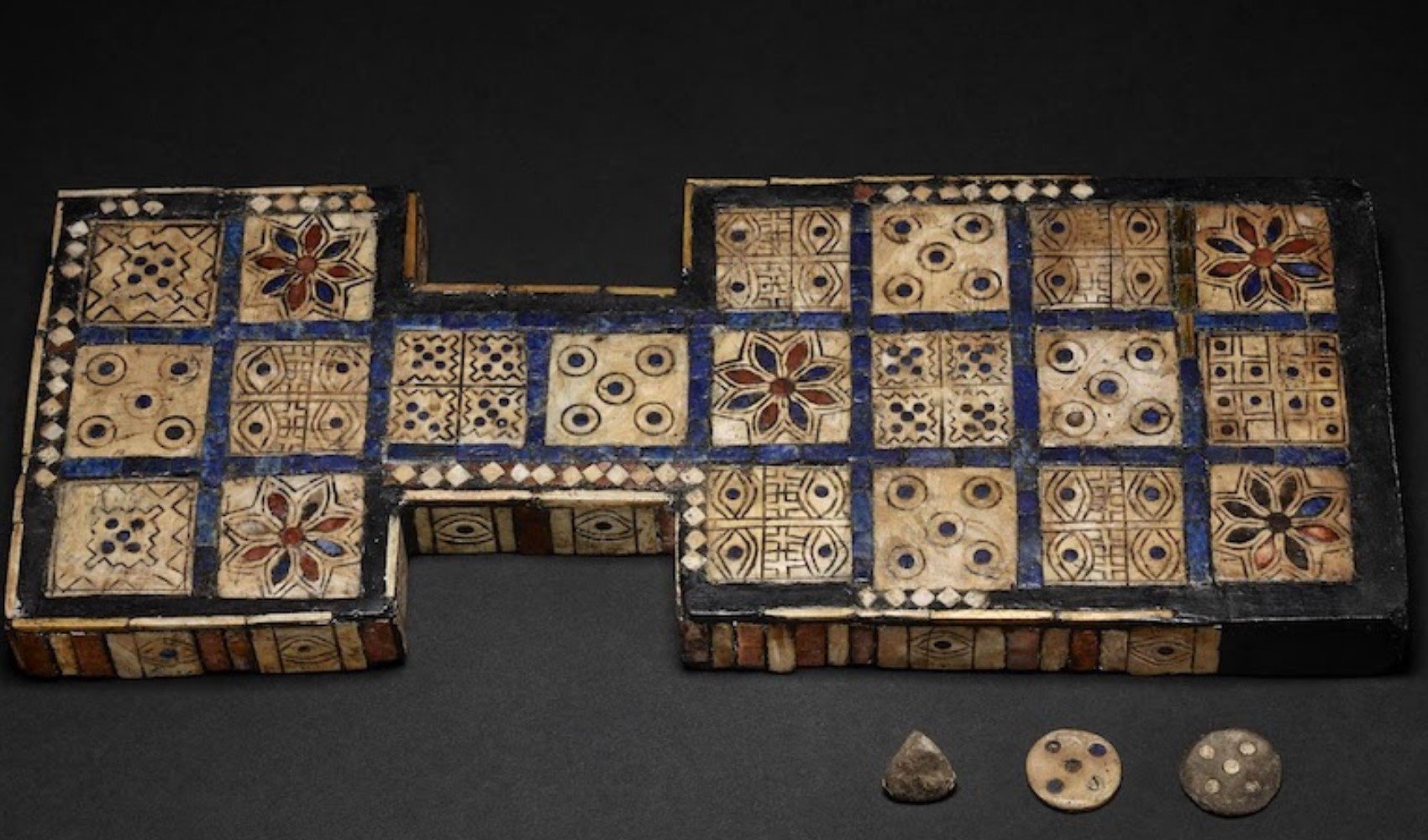
12- Royal Game of Ur, Iraq
Dating back to 3000 BC, the Royal Game of Ur is one of the oldest known board games. This game, in which two players roll dice to move their pieces in a race, was discovered in the Royal Tombs of Ur. The game was once played throughout the entire Middle East.
 10 / 20
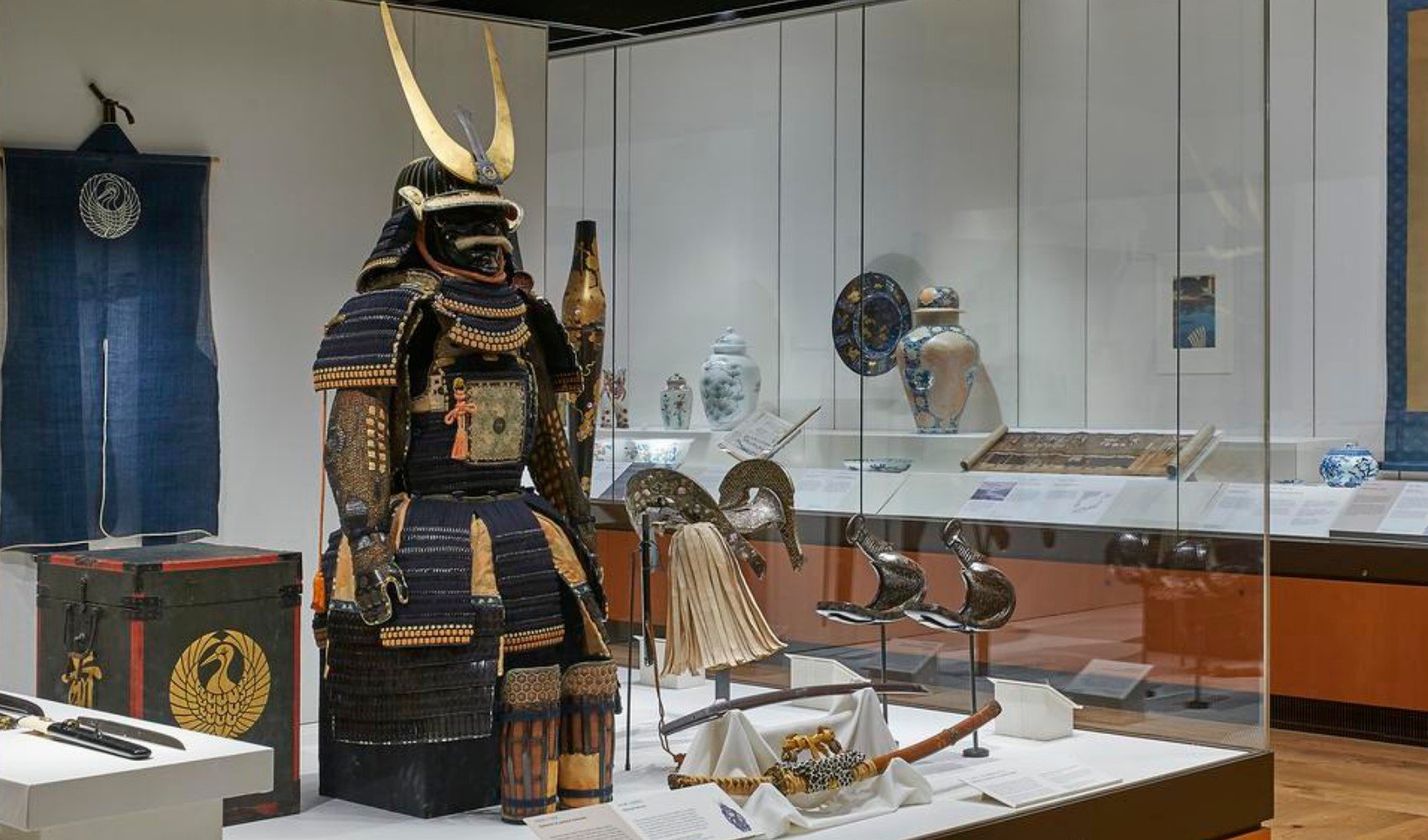
11- Samurai Armor, Japan
Dating to the 16th century, this samurai armor is an important artifact from the Momoyama period in Japan. The armor is an example of armor used for ceremonial purposes and worn during times of peace, and it is mostly noted for its elegant details.
 11 / 20
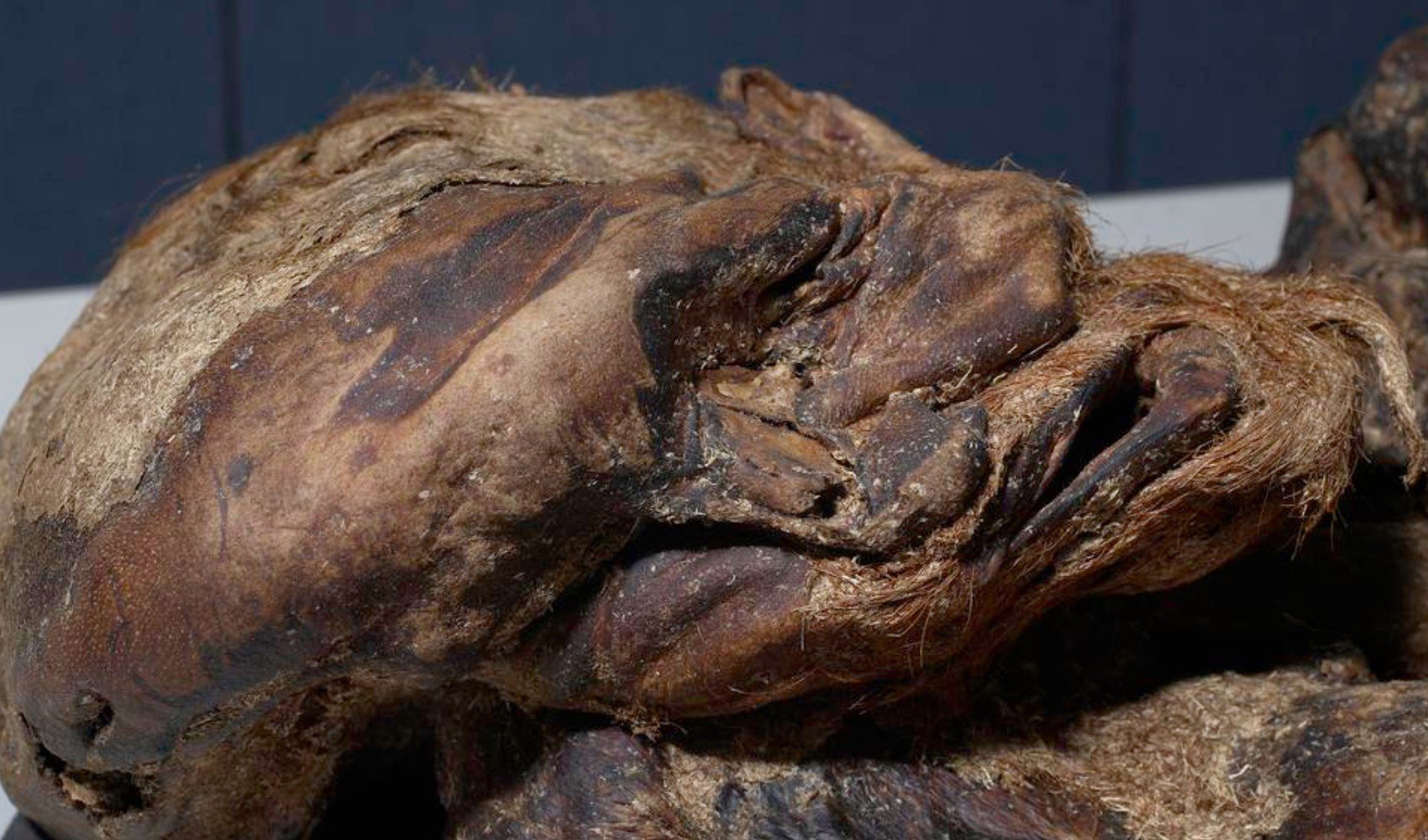
10- Lindow Man, England
Found in the Lindow Moss bog in 1984, this body represents the remains of a man who lived between 2 BC and 119 AD. The man was found with severe wounds in the chest and neck areas, which caused his death. Before falling into the bog, he had eaten bread that had been prepared in a very interesting way.
 12 / 20
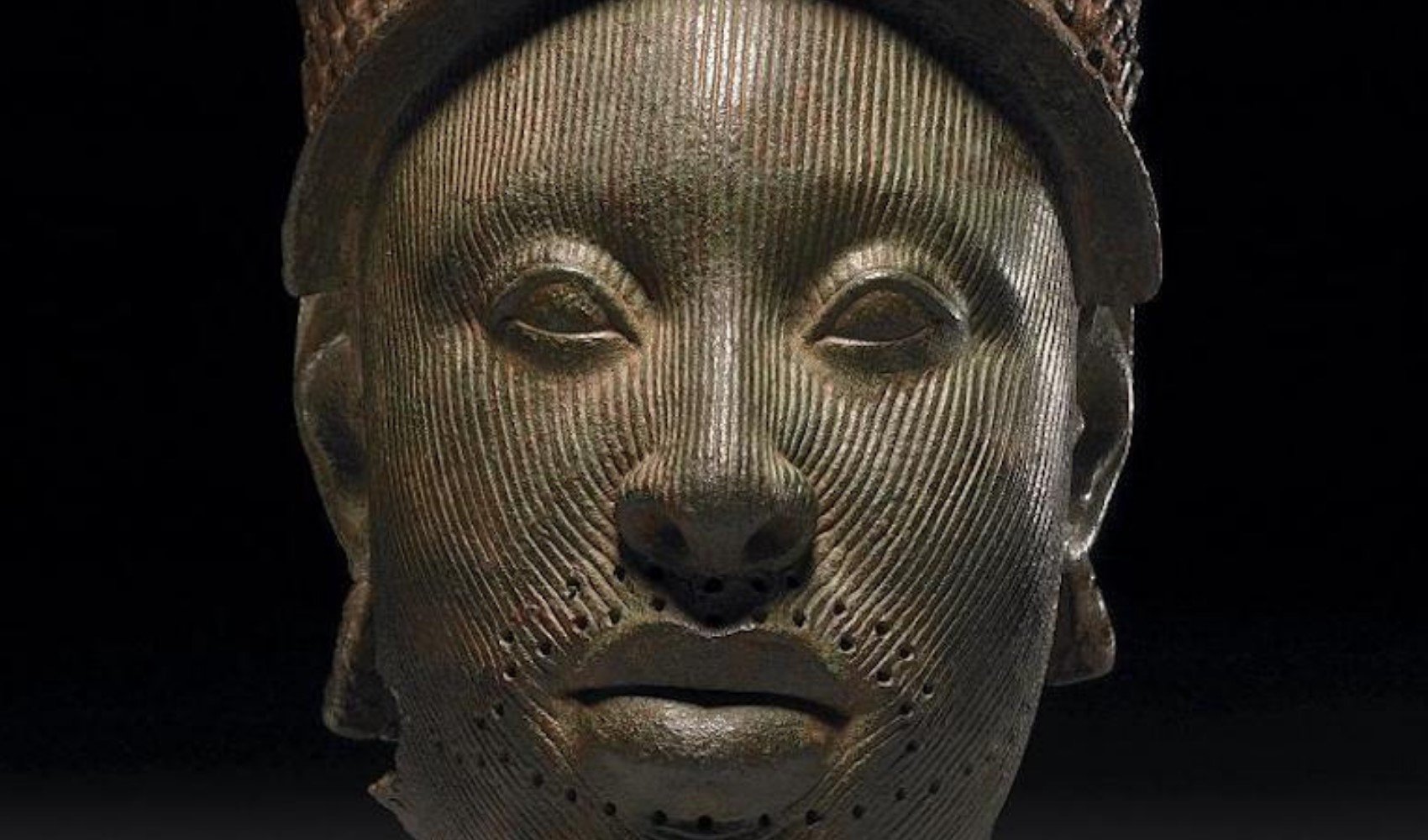
9- Ife Head, Nigeria
This 15th-century brass head sculpture is one of 13 heads found in the city of Ife, Nigeria. With its facial features and details, this sculpture represents one of the rulers of the period. Ife is an important city that the Yoruba people consider the place where civilization began.
 13 / 20
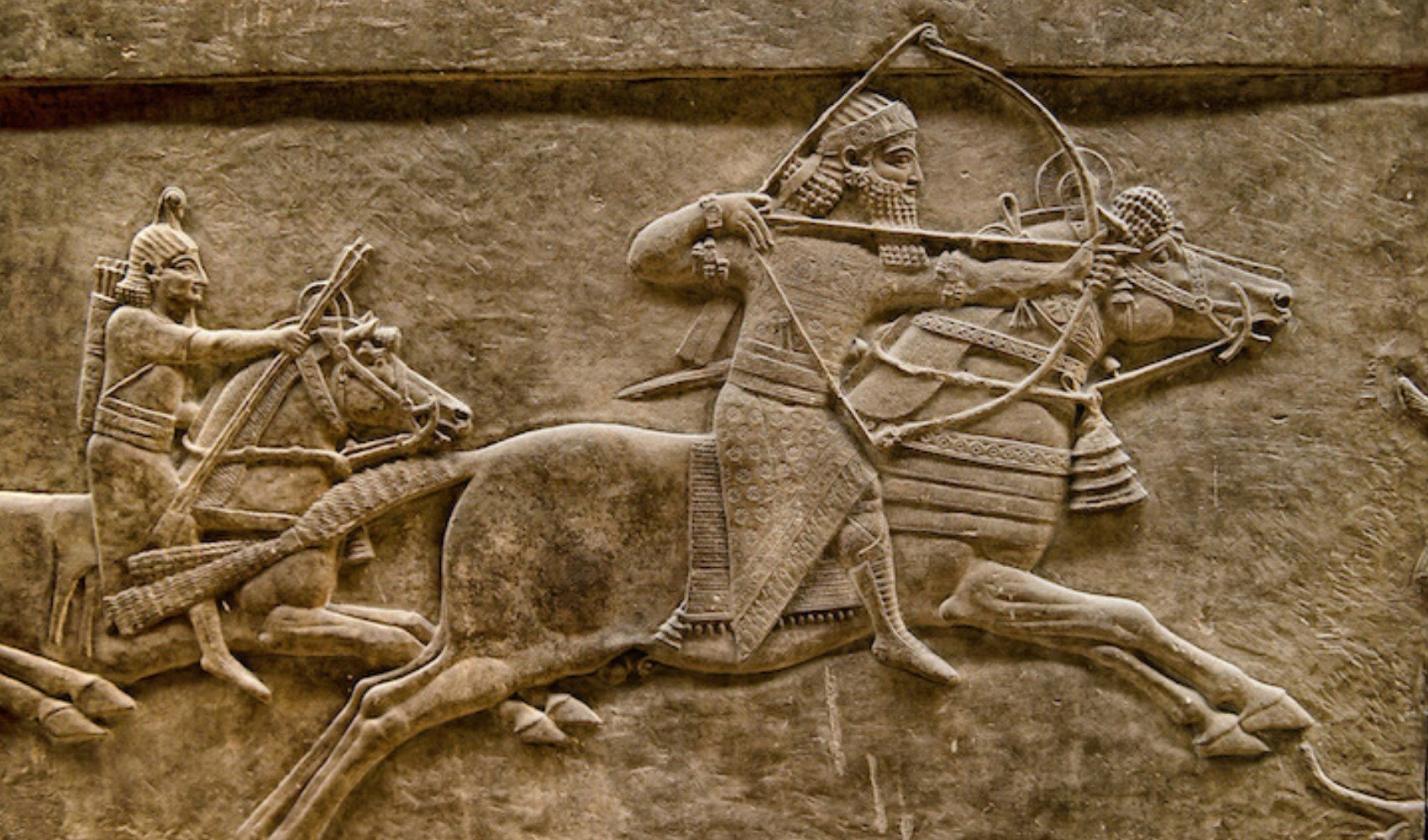
8- Assyrian Lion Hunt Wall Reliefs, Iraq
These wall reliefs, depicting the lion hunt scenes of the Assyrian King Ashurbanipal, are among the peak examples of Assyrian art. Thought to have been made between 668–631 BC, these scenes show all stages of the hunt in detail.
 14 / 20
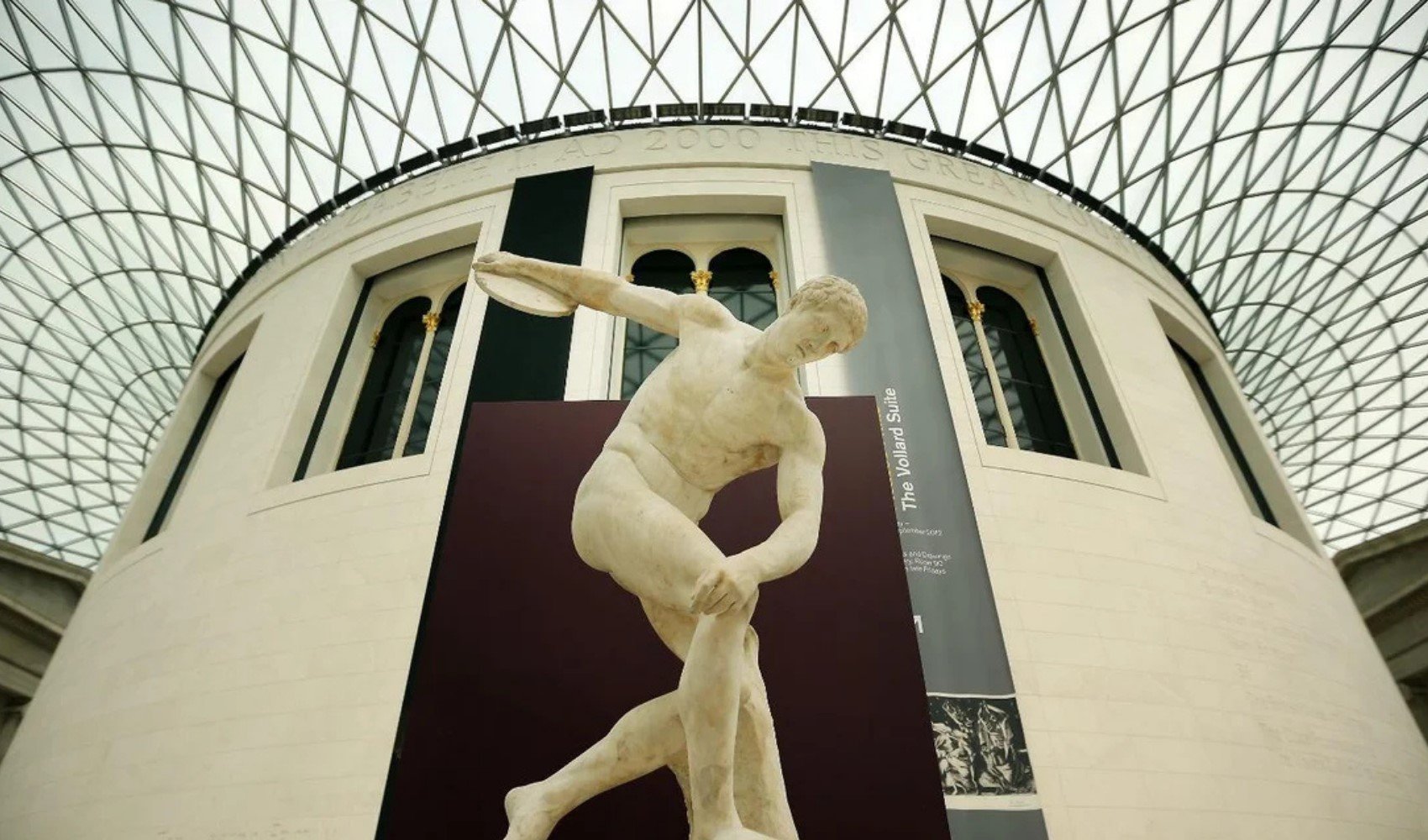
7- Townley Discobolus (Discus Thrower Statue), Italy
This work, which is a copy of a lost bronze statue made in the 5th century BC, reflects the ideal beauty of Greek art. The statue, which depicts the figure of an athlete throwing a discus, was discovered near Rome in 1791.
 15 / 20
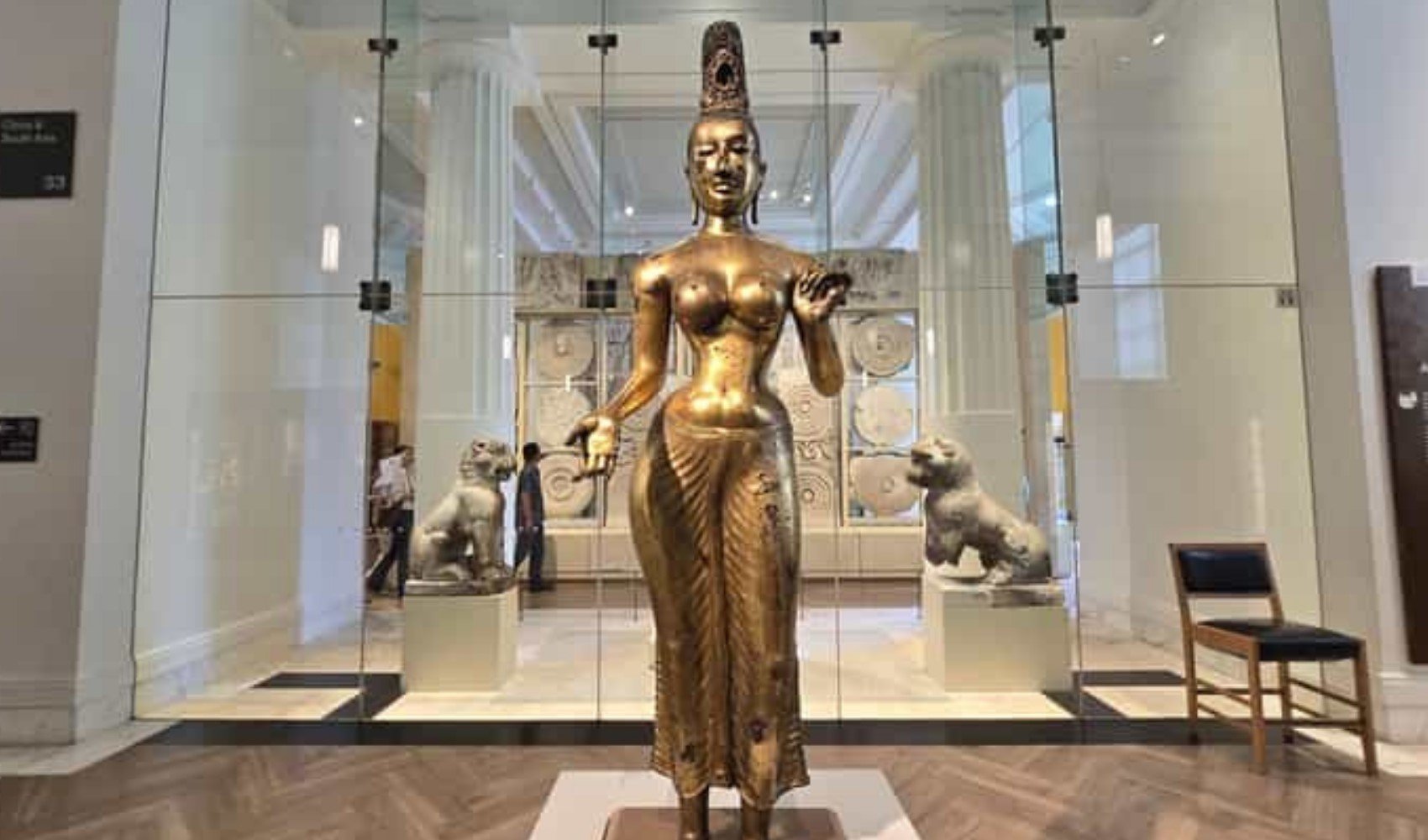
6- Tara Statue, Sri Lanka
Dating to 700–900 AD, this gold-plated bronze statue is a work that reflects the combined elements of Hinduism and Buddhism. Tara was initially a Hindu goddess, but over time she became an important figure within Buddhist beliefs as well.
 16 / 20
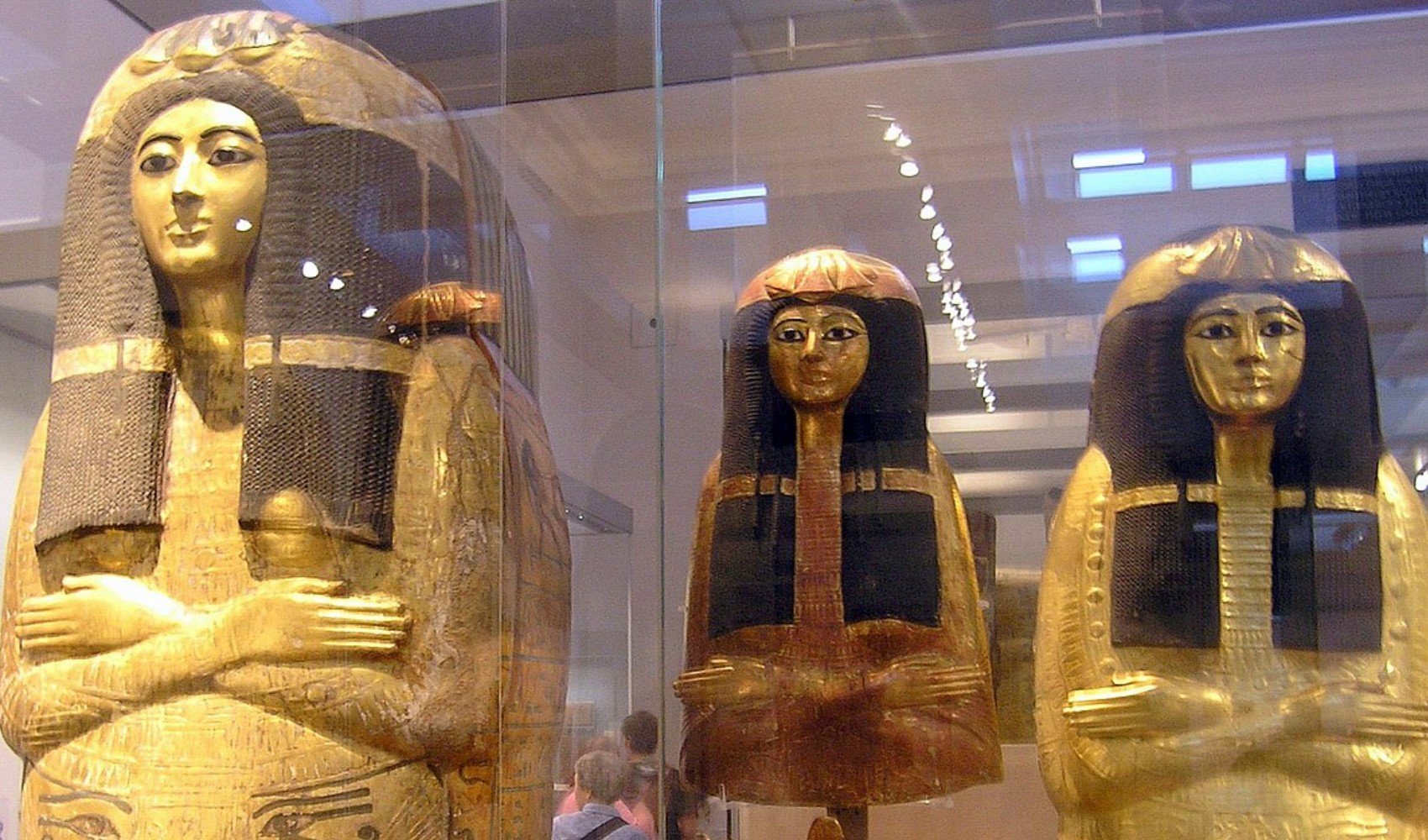
5- Coffins of Henutmehyt, Egypt
Henutmehyt was a Theban priestess who lived around 1250 BC, and her coffins symbolize her high social status. One of the coffins is completely covered in gold and features sacred figures on it.
 17 / 20
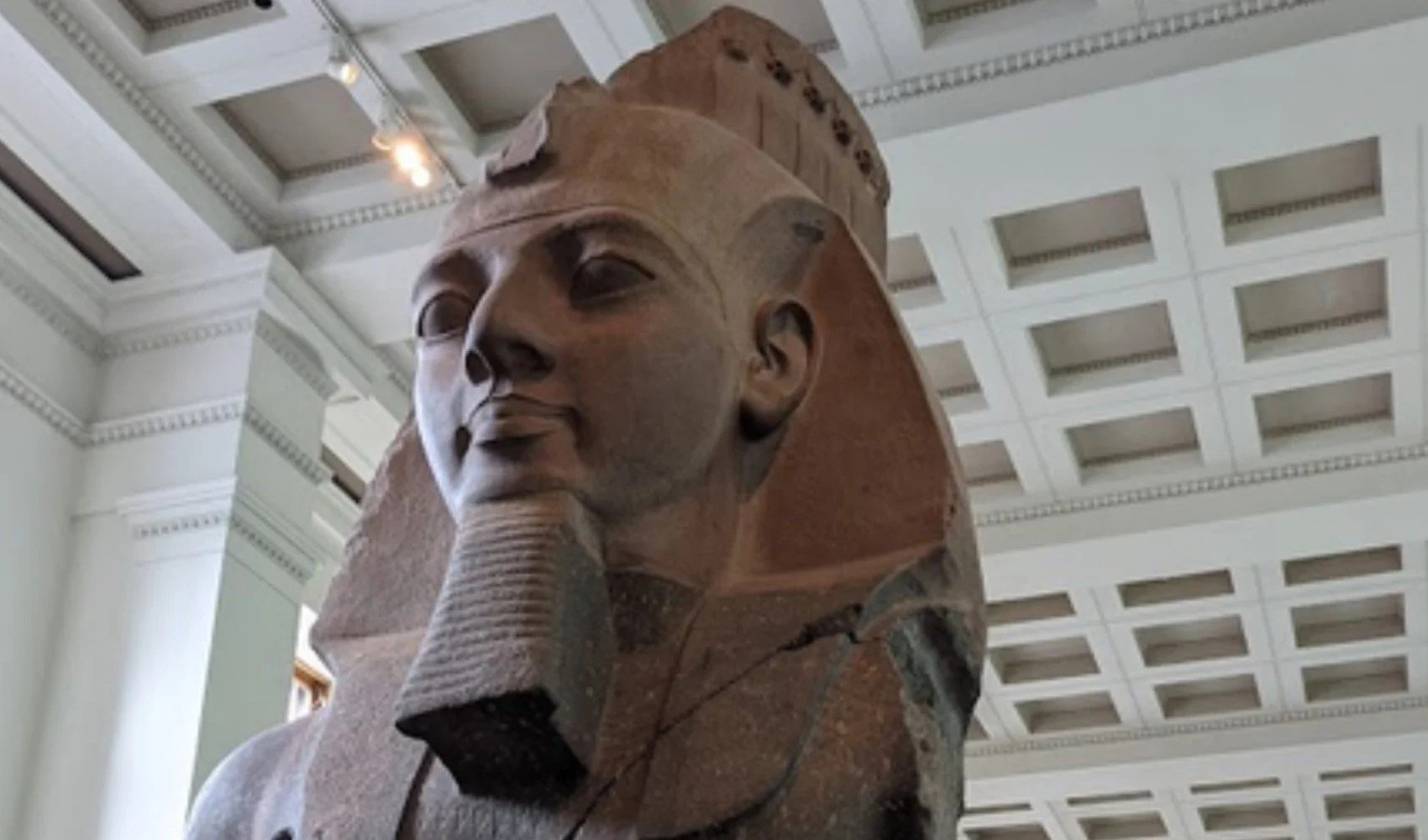
4- Statue of Ramesses II, Egypt
This colossal granite work, which is part of the statue of Ramesses II, who ruled Egypt for 67 years starting in 1279 BC, is on display at the British Museum. The statue is approximately 2.5 meters high and weighs 7 tons.
 18 / 20
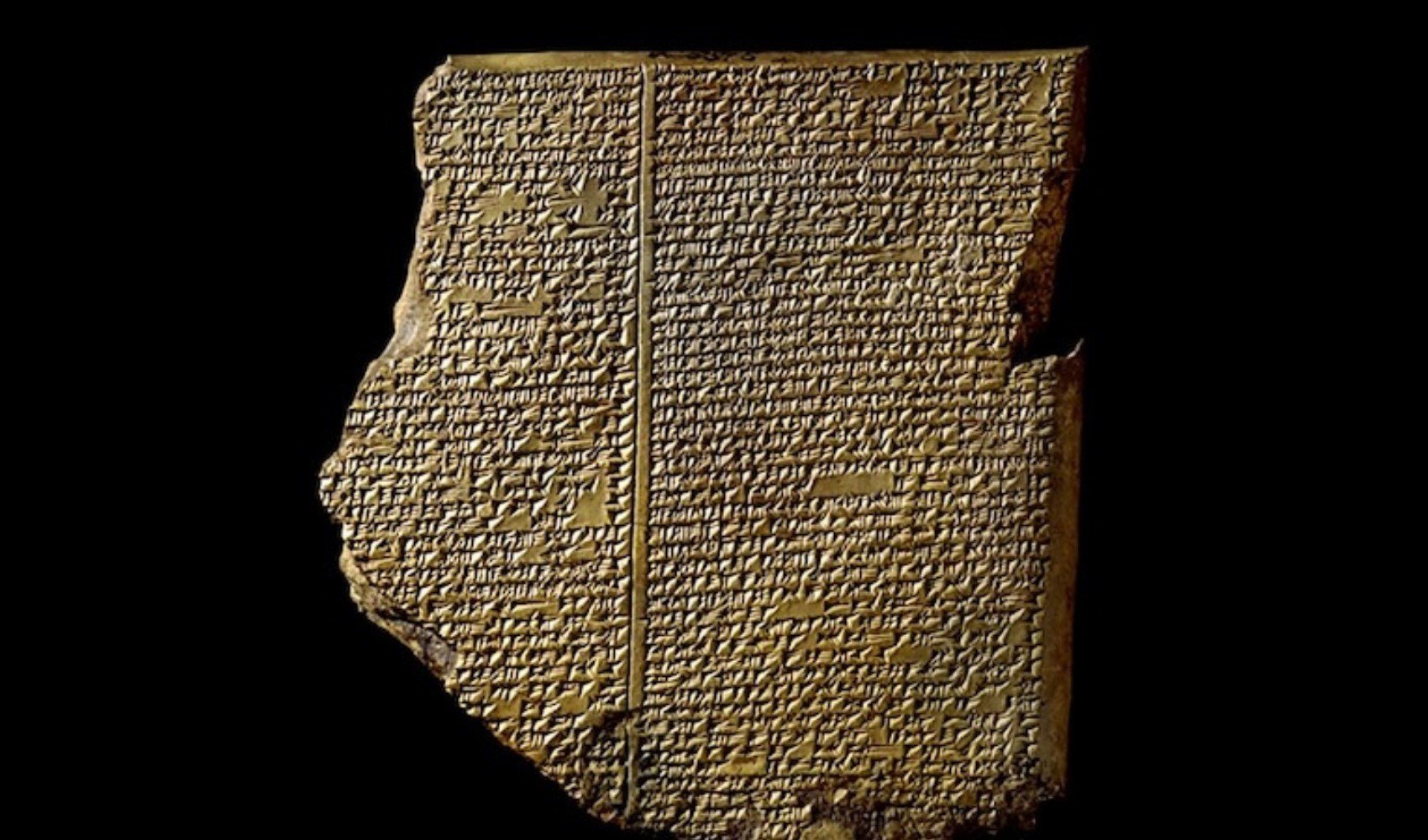
3- Flood Tablet, Iraq
Coming from the library of the Assyrian King Ashurbanipal, this tablet contains one of the oldest texts telling the story of the Great Flood. This tablet was written in the 7th century BC and is an important source that sheds light on the legends of that period and the Epic of Gilgamesh.
 19 / 20
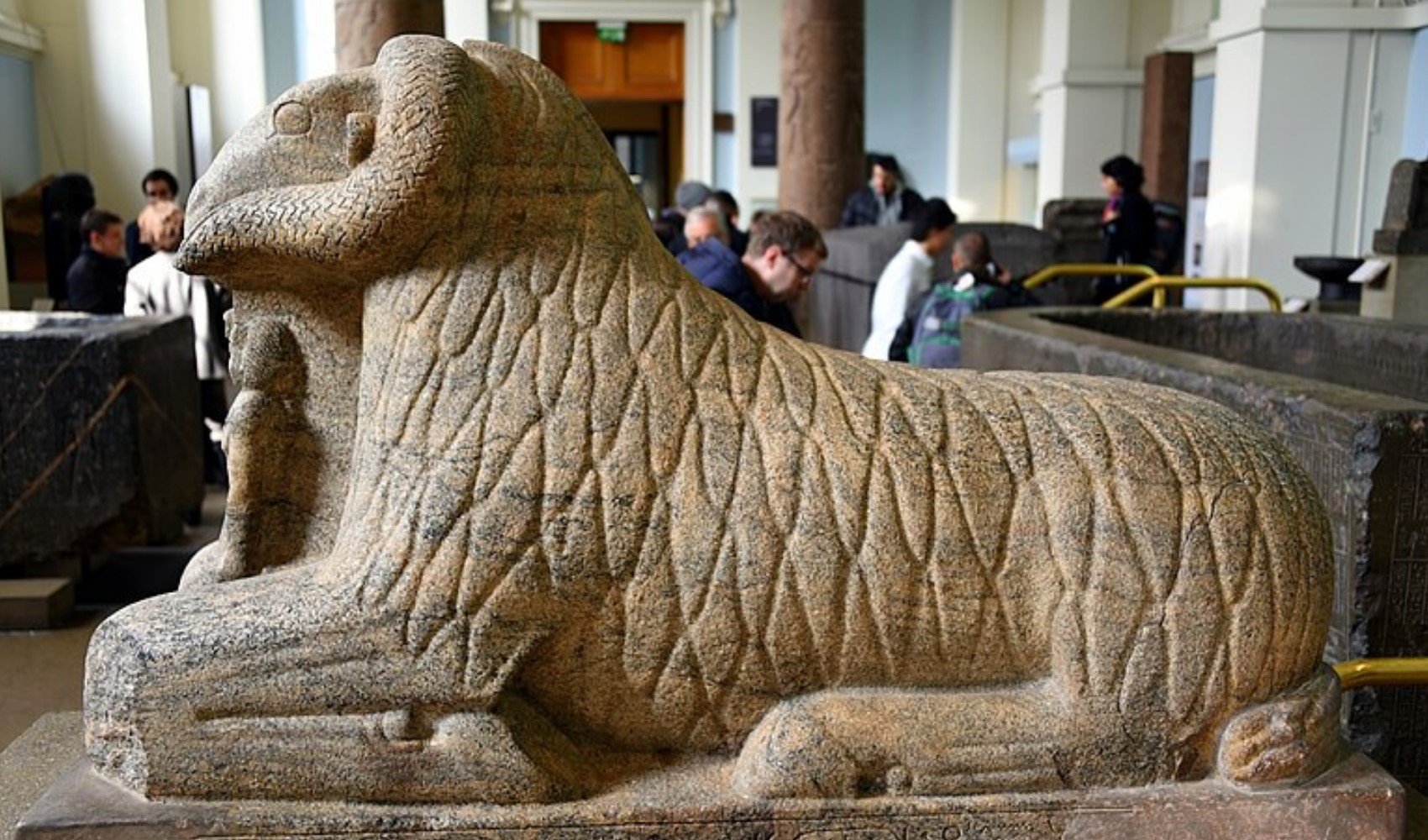
2- Sphinx of Taharqa, Sudan
Dating to around 680 BC, this sphinx was commissioned by Taharqa and is a unique design that combines both Egyptian and African art. Its face has African-origin features, while details like the lion's back reflect Egyptian art.
 20 / 20
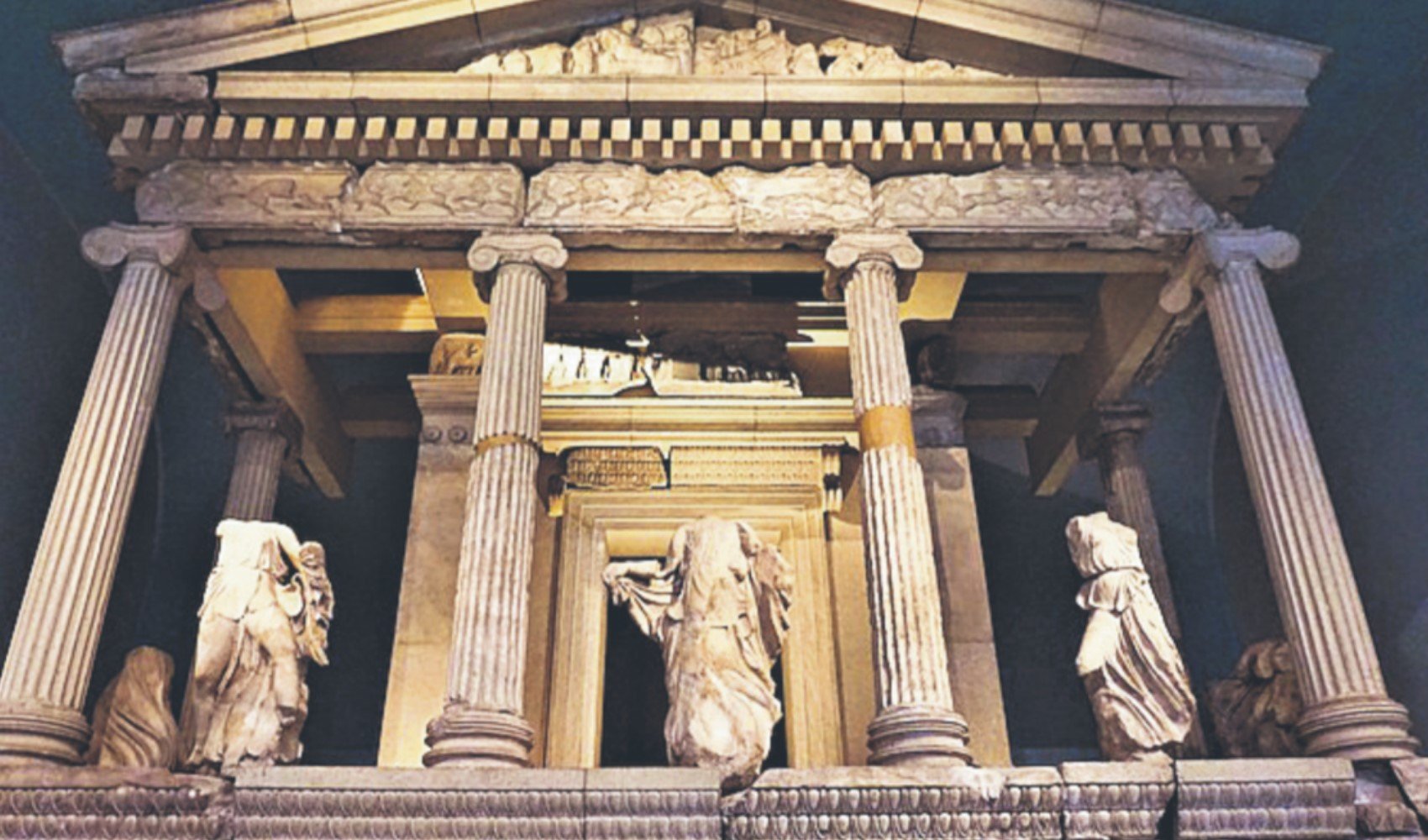
1- Remains of the Mausoleum at Halicarnassus, Halicarnassus (Bodrum, Muğla)
Known as the tomb of Mausolus, the Mausoleum at Halicarnassus is considered one of the Seven Wonders of the Ancient World. The mausoleum is an impressive structure that reflects the combination of Greek and Egyptian art. Some of the remains of the mausoleum are on display in Bodrum.
News Source : 12punto