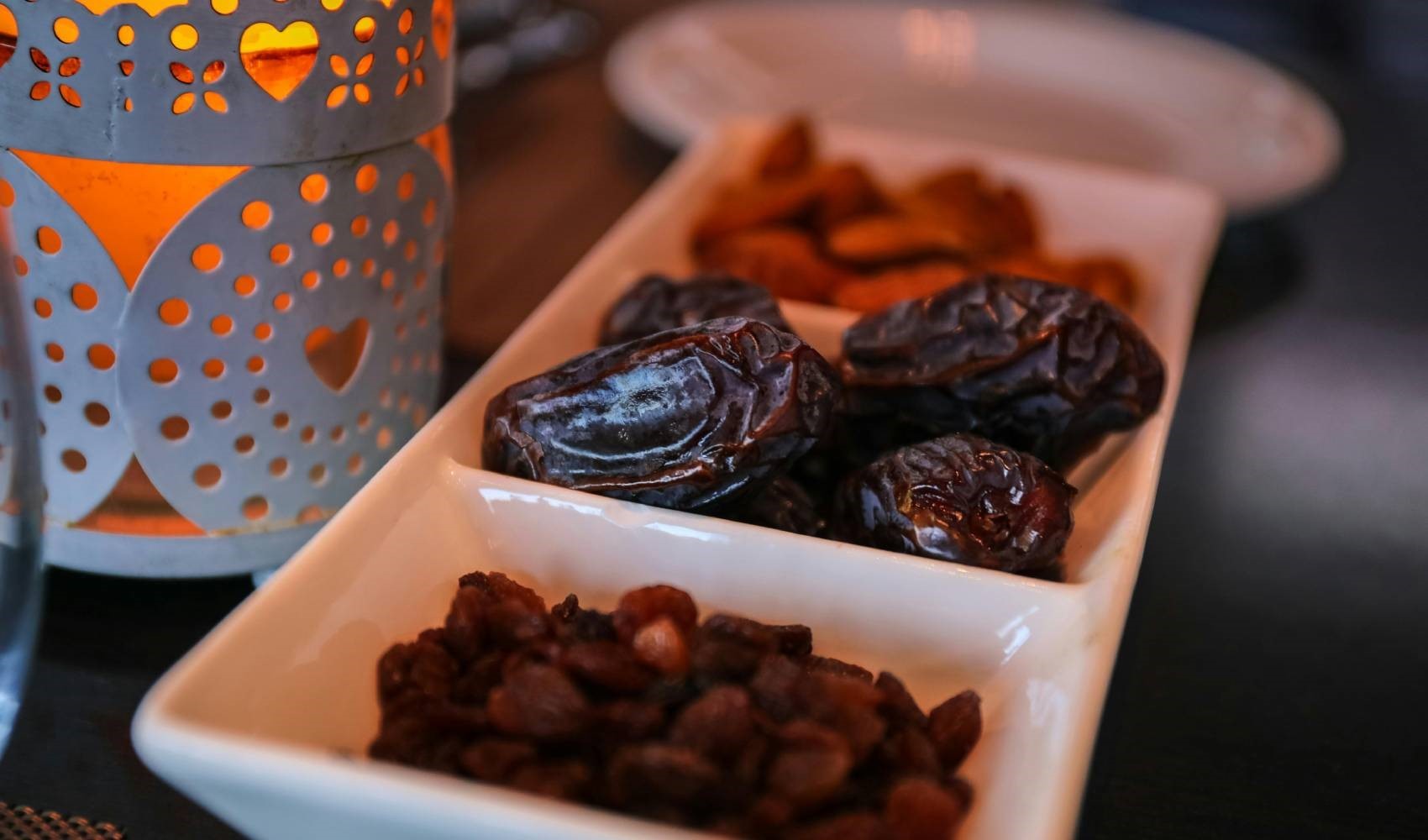
Suhoor is essential for staying full throughout the day and keeping blood sugar levels balanced. Some foods consumed at suhoor help you get through the day without feeling too hungry and keep you energetic.
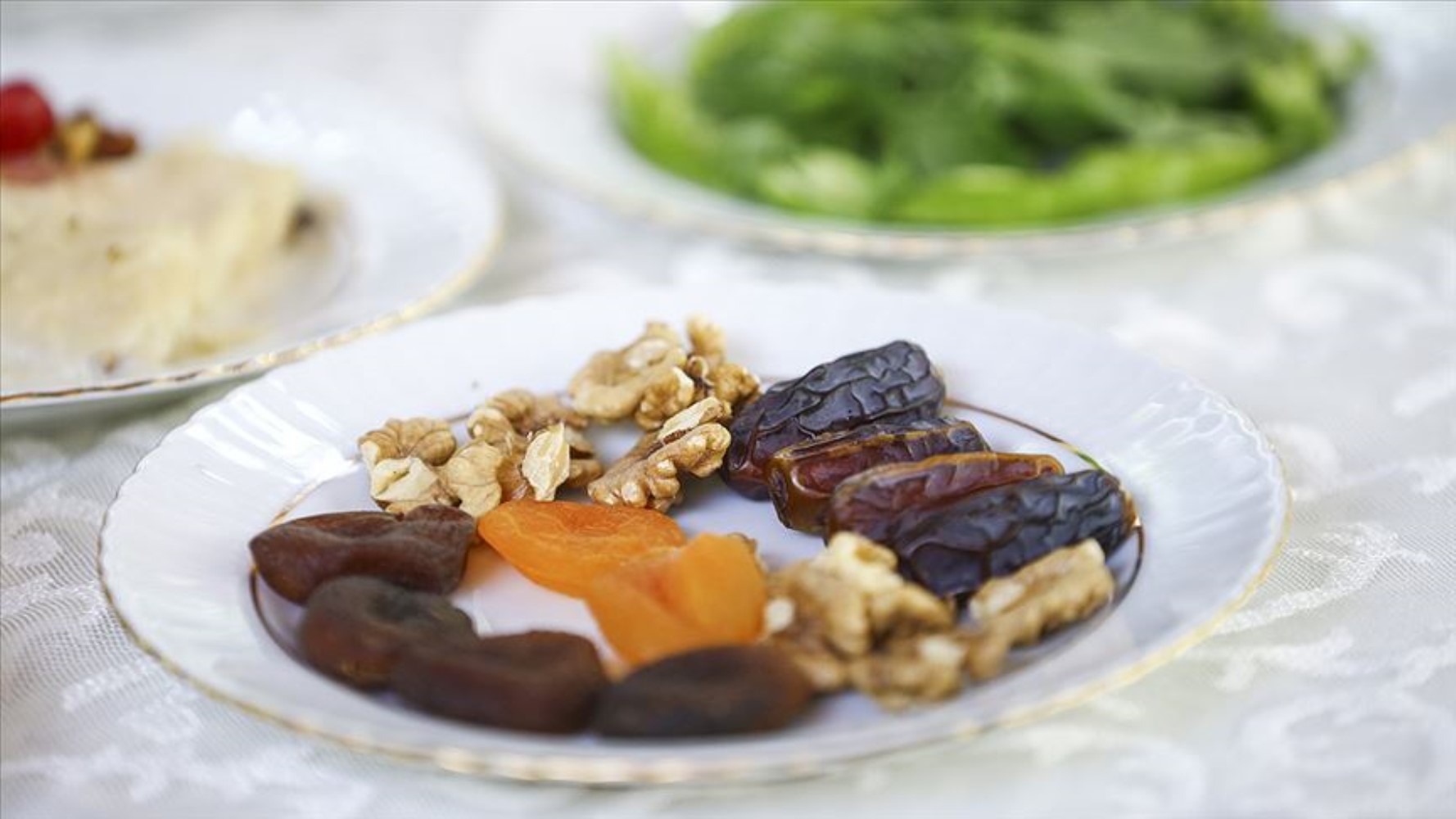
HEALTHY NUTRITION TIPS FOR IFTAR AND SUHOOR
Consume complex carbohydrates that keep you full for a long time, such as einkorn flour bread or buckwheat flour pasta.
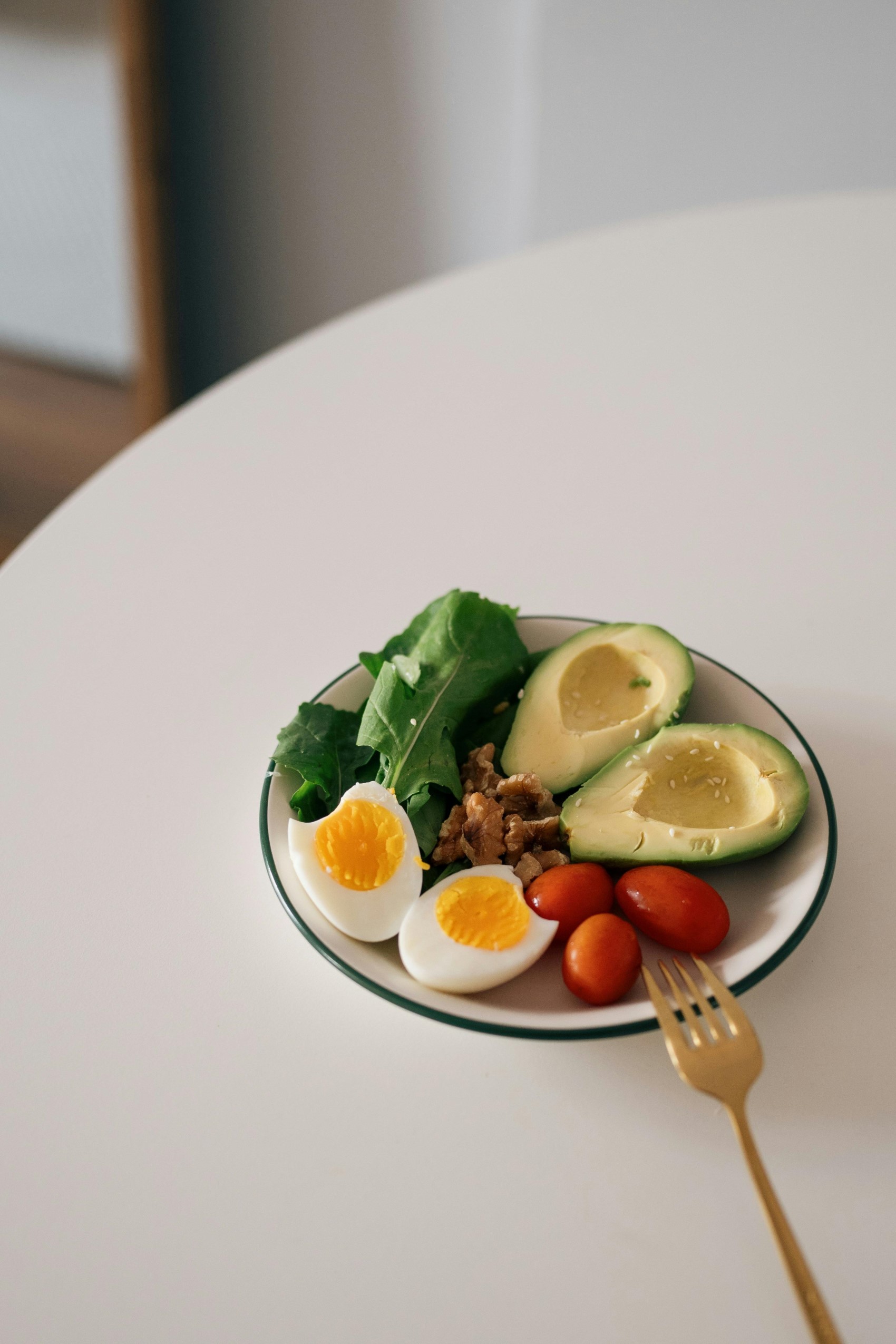
Meet your protein needs with 1 egg and 1 slice of low-salt cheese.
Extend your satiety period during the day with healthy fats like walnuts, almonds, and avocado.
Do not forget to drink 2 glasses of water and avoid salty foods to minimize thirst.
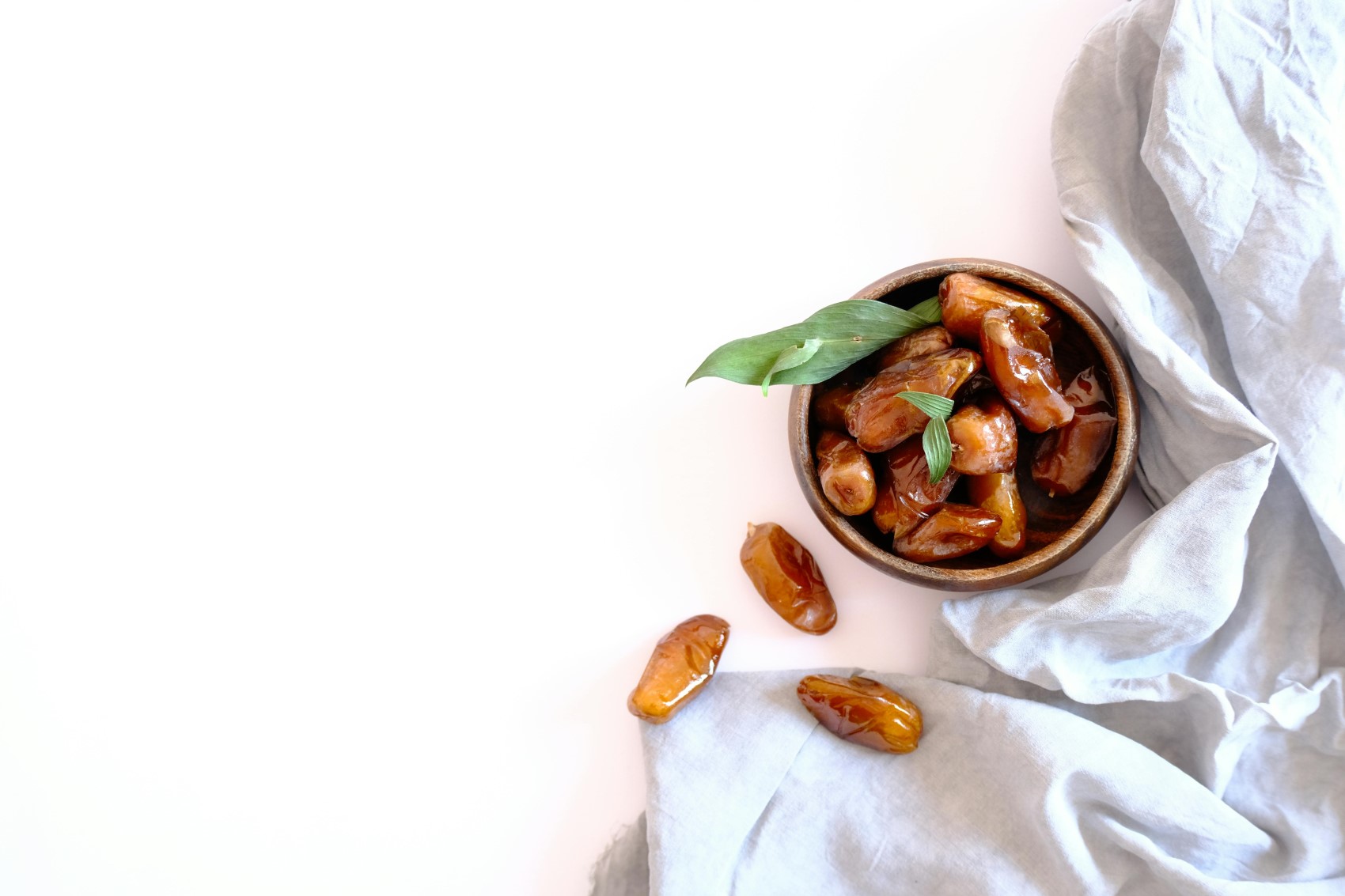
Break your fast with 2 dates or 1 ladle of soup and wait 15 minutes. Make half of your plate vegetables and salad; it is important to eat in a balanced and slow manner at iftar instead of suddenly overloading your stomach. In this way, it is possible to prevent digestive problems and weight gain.
Do not forget to include protein sources in your meal, such as baked meatballs in sauce or turkey sauté with mushrooms.
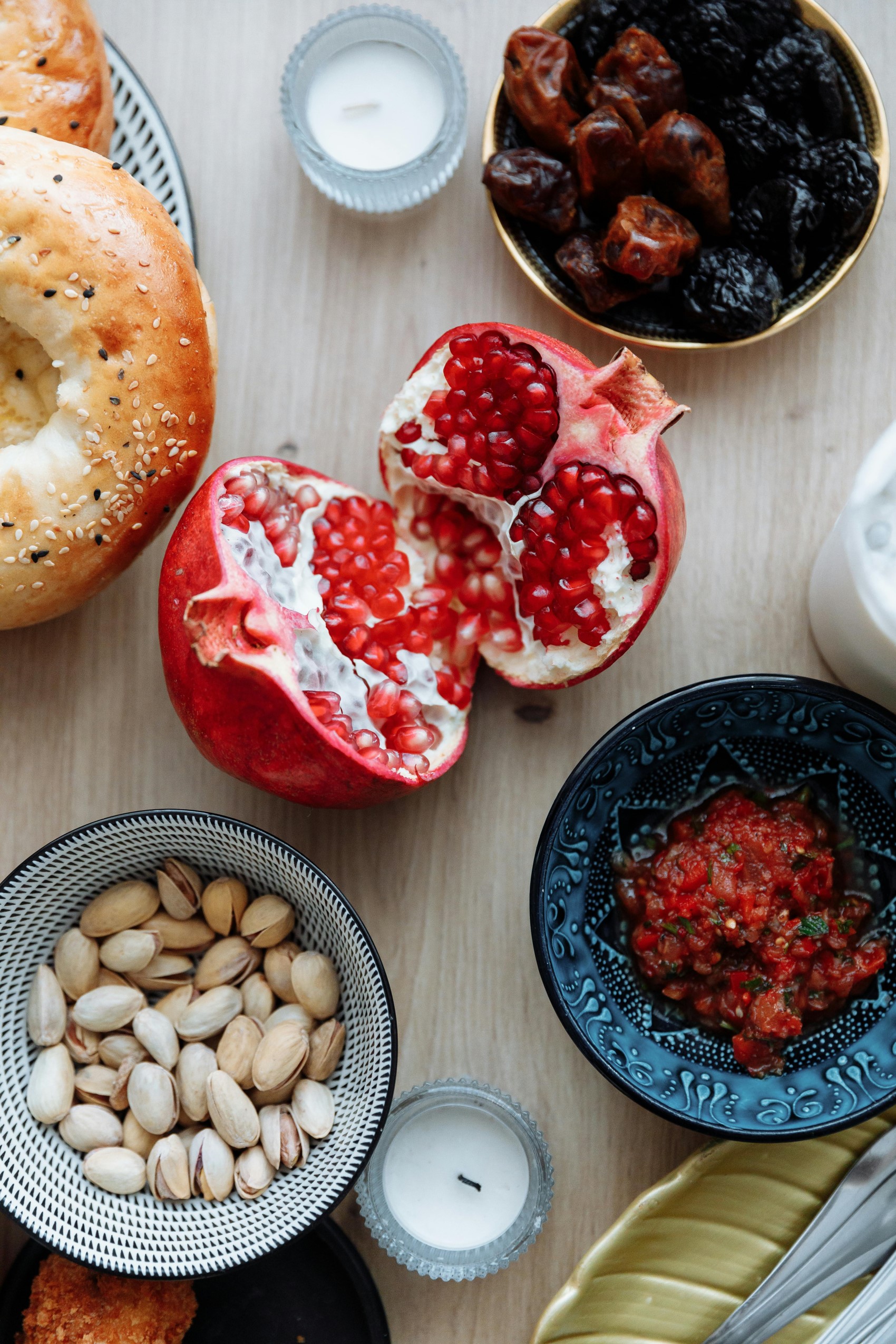
Avoid fried foods and syrupy desserts that can cause weight gain. As a snack after iftar, you can choose raw almonds combined with antioxidant fruits like pomegranate, blueberries, or kiwi, or a sugar-free milk-based dessert sweetened with apple concentrate.
To prevent indigestion, you can add cumin to your meals and consume fennel tea steeped for 15 minutes with cumin seeds in 1 cup of hot water after your meals.
Additionally, light-paced walks taken 1 hour after iftar will both balance your blood sugar and help prevent indigestion.
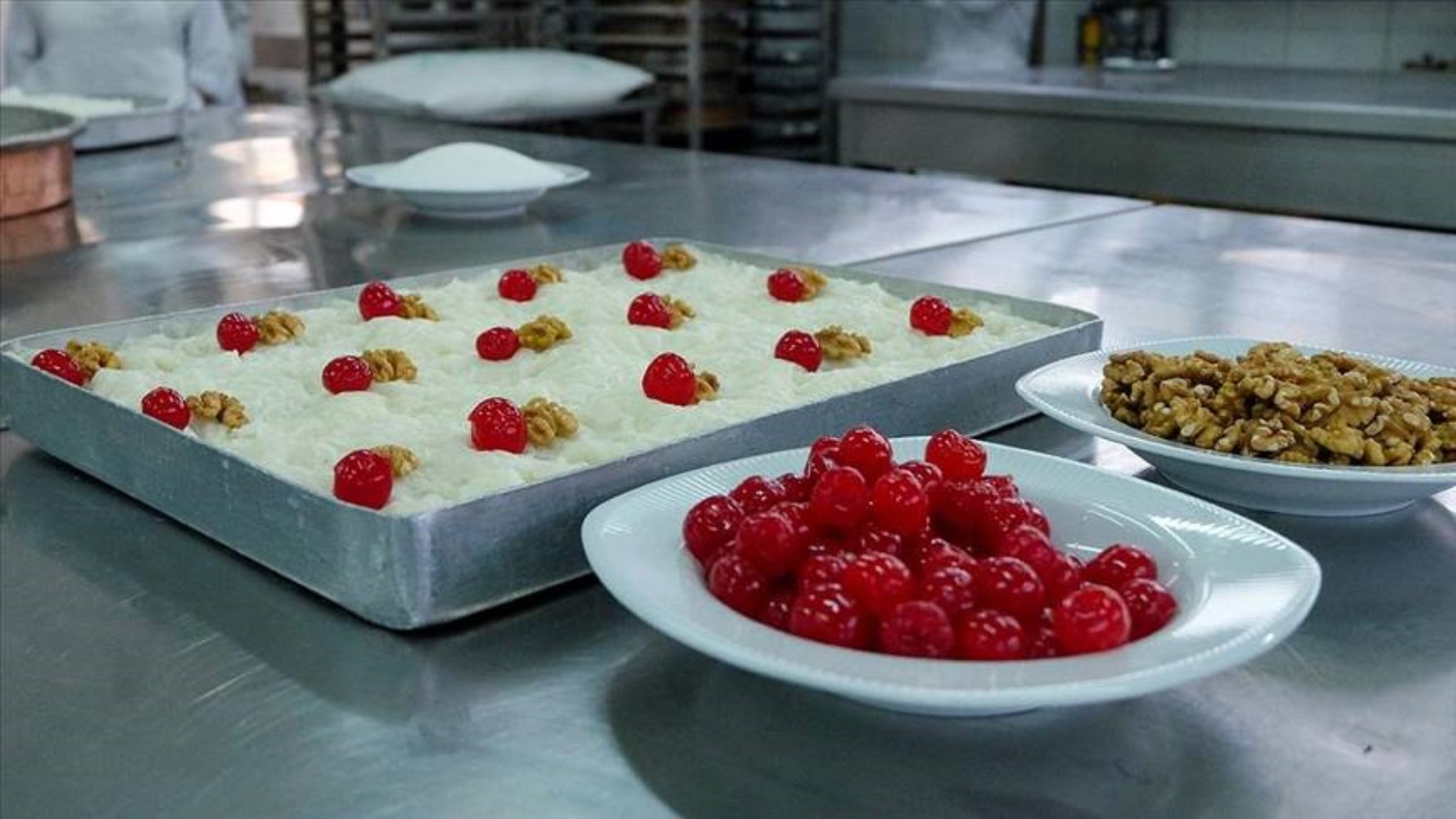
Desserts also hold great importance during Ramadan. During this period, the craving for sweets can be satisfied with delicacies prepared with healthy products. You can try the traditional Ramadan dessert, güllaç, in this way.
SUGAR-FREE GÜLLAÇ RECIPE
Ingredients:
1 package of güllaç sheets
4 cups of lactose-free milk or coconut milk
1 coffee cup of apple juice concentrate
2 tablespoons of powdered pistachios
2 tablespoons of shredded coconut
1 cup of pomegranate seeds
Preparation:
Heat the milk. Add the apple juice concentrate and coconut, and wait for it to become lukewarm. Soak half of the güllaç sheets with the milky mixture and arrange them in a glass dish. Sprinkle with pomegranate seeds and arrange the remaining sheets by soaking them with the milk. When the güllaç has fully absorbed the milk, garnish with pistachios and pomegranate seeds.
News Source: 12punto