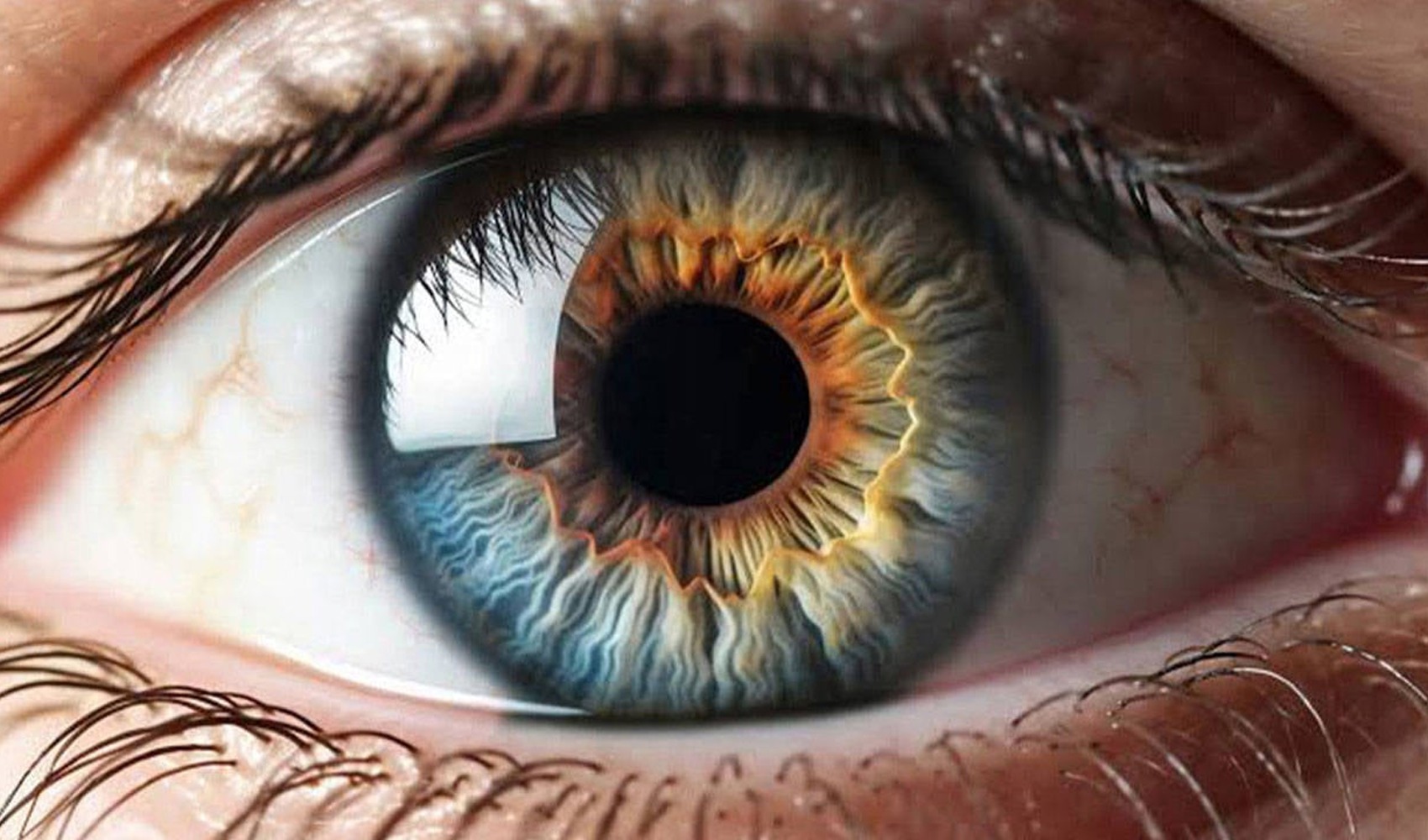
An artificial intelligence model developed by South Korean researchers has predicted individuals' ages by analyzing images of the retina at the back of the eye, with an average margin of error of approximately 2.5 years. The study revealed that eye health data may hold important clues not only for vision problems but also for aging and indicators of certain diseases.
The research, conducted by scientists from Seoul National University and Seoul National University Hospital, was published in the peer-reviewed scientific journal GeroScience. In the study, 29,530 retinal images obtained from 7,535 individuals were used to develop the artificial intelligence model.
The model was then tested on independent groups. According to the results, the artificial intelligence was able to predict the actual age of individuals with a margin of error ranging between 2.53 and 2.66 years on average.
RETINAL AGE COMPARED WITH HEALTH DATA
The researchers focused not only on age prediction but also on the difference between the "retinal age" calculated by the model and the person's actual age. In the scientific study, this difference was defined as the "retinal age gap."
The findings showed that in some health conditions, the retinal age can appear higher than the actual age. The retinas of people diagnosed with diabetes were estimated to be an average of 2.52 years older compared to healthy people of a similar age. The retinal age gap was found to be approximately half a year higher in active smokers and 0.46 years higher in former smokers.
A similar relationship was identified regarding eye diseases. In eyes with cataracts, the estimated retinal age was an average of 1.86 years higher. In those with age-related macular degeneration, the difference was calculated to be approximately 0.60 years. In contrast, no significant link was found between hypertension and high cholesterol and the retinal age gap.
Because the retina is one of the few areas where blood vessels and nerve tissue can be directly imaged, it has been studied more frequently in recent years in research regarding general health status. Experts are of the opinion that retinal images may also offer clues in areas such as cardiovascular diseases and neurological disorders.
However, the researchers emphasize that the results obtained do not mean that retinal age can be used directly as a "biological age test." For the method to be considered a clinically reliable indicator, it needs to be compared with long-term studies and different aging criteria.
According to the authors of the study, the method currently appears more suitable for examining aging and health differences in large populations rather than determining the health risks of individual people.
News Source: 12punto