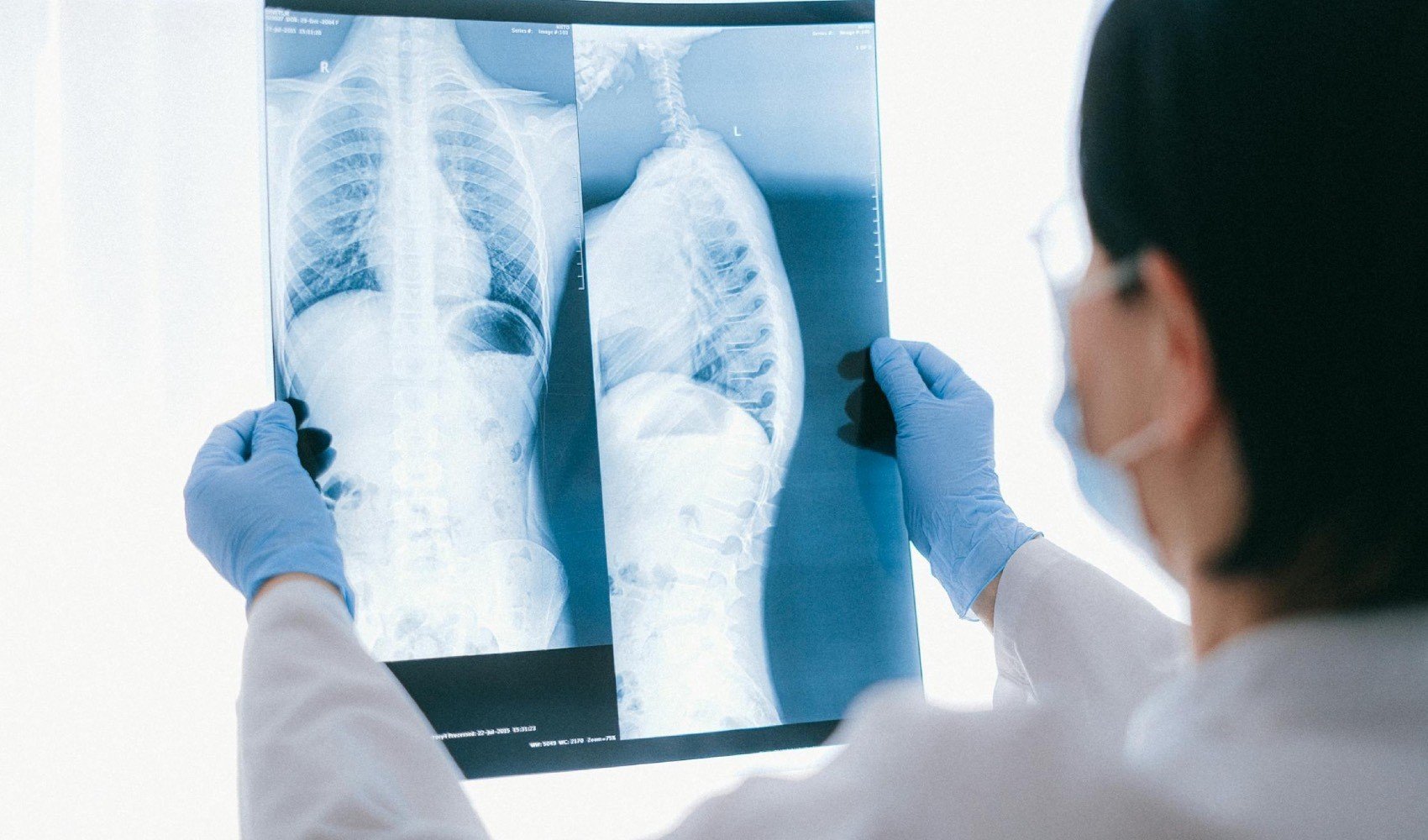
Scientists from the University of Southern California (USC) have developed a breakthrough method in cancer treatment by making the gene-editing tool CRISPR sensitive to ultrasound. In studies conducted on mice, this new technology enabled the complete elimination of cancer cells.
Although CRISPR is known as a highly effective tool in the field of gene editing, it can cause side effects in the immune system by working outside the targeted area.
Researchers at USC have developed a system to control where and when CRISPR becomes active.
With this method, CRISPR is administered to a patient intravenously and directed to the desired area using ultrasound. The temperature in the region is increased with focused ultrasound pulses, so the gene-editing tool begins to function only in the targeted location.
Peter Yingxiao Wang, one of the lead authors of the study, summarized this method by saying, "You can turn the system on and off whenever you want. CRISPR will perform its function only at the place and time you specify."
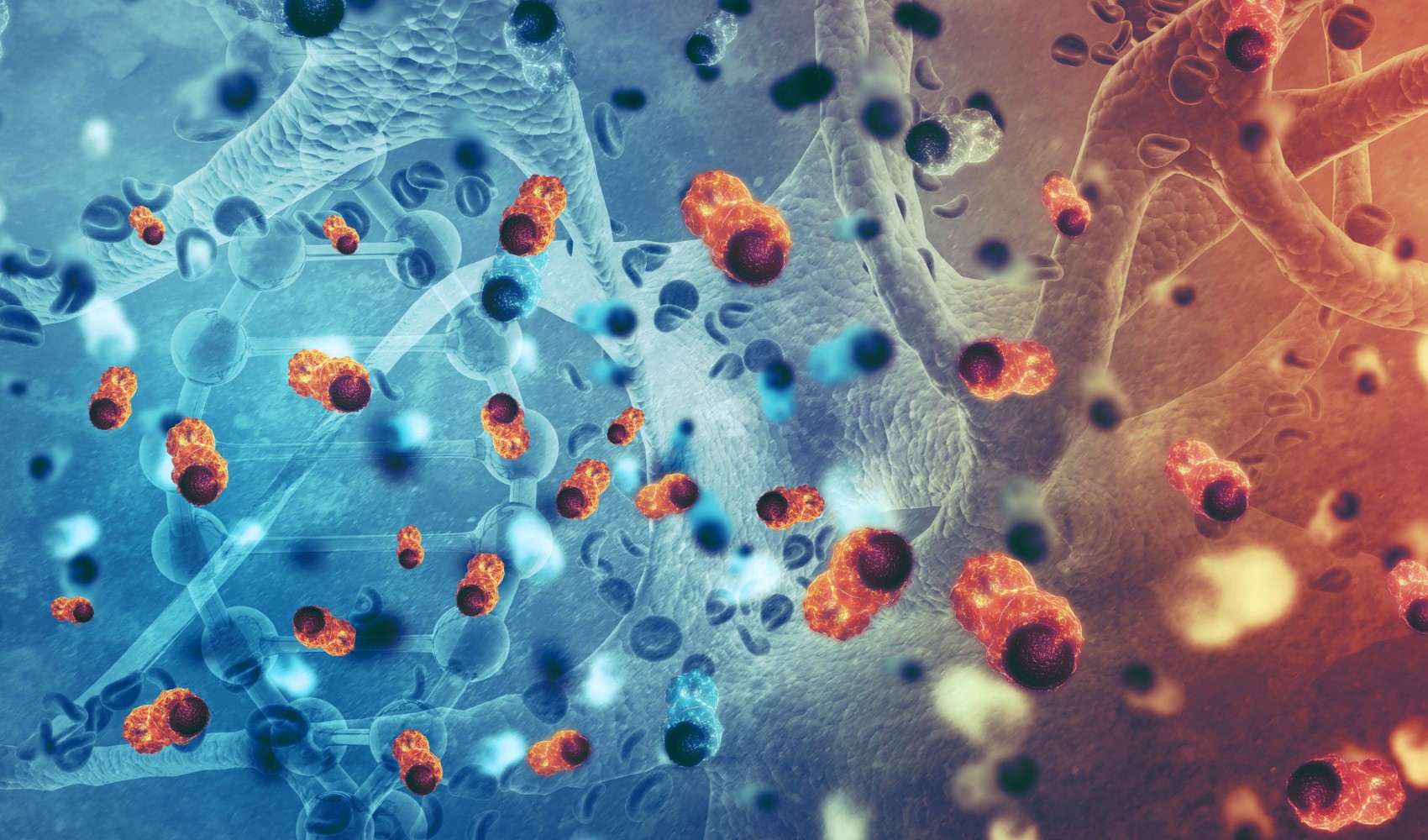
ATTACK ON CANCER CELLS
The researchers engineered CRISPR to target telomeres located at the ends of cancer cell chromosomes. This not only ensured the death of cancer cells but also activated the immune system to destroy tumors.
SUCCESS ACHIEVED IN MICE
In the study, the gene-editing tool CRISPR was combined with immune cells (CAR-T cells) to apply a multi-faceted treatment. CAR-T cells were taken from the patient and genetically reprogrammed to attack specific cancer cells.
In this method, CRISPR was used to increase the production of a protein called CD19, which is found in high amounts on the surface of cancer cells.
In the tests conducted, this combined treatment completely cleared cancer in all mice with subcutaneous tumors, achieving a 100% survival rate. In contrast, the survival rate in mice treated only with CAR-T cell therapy remained at 40%.
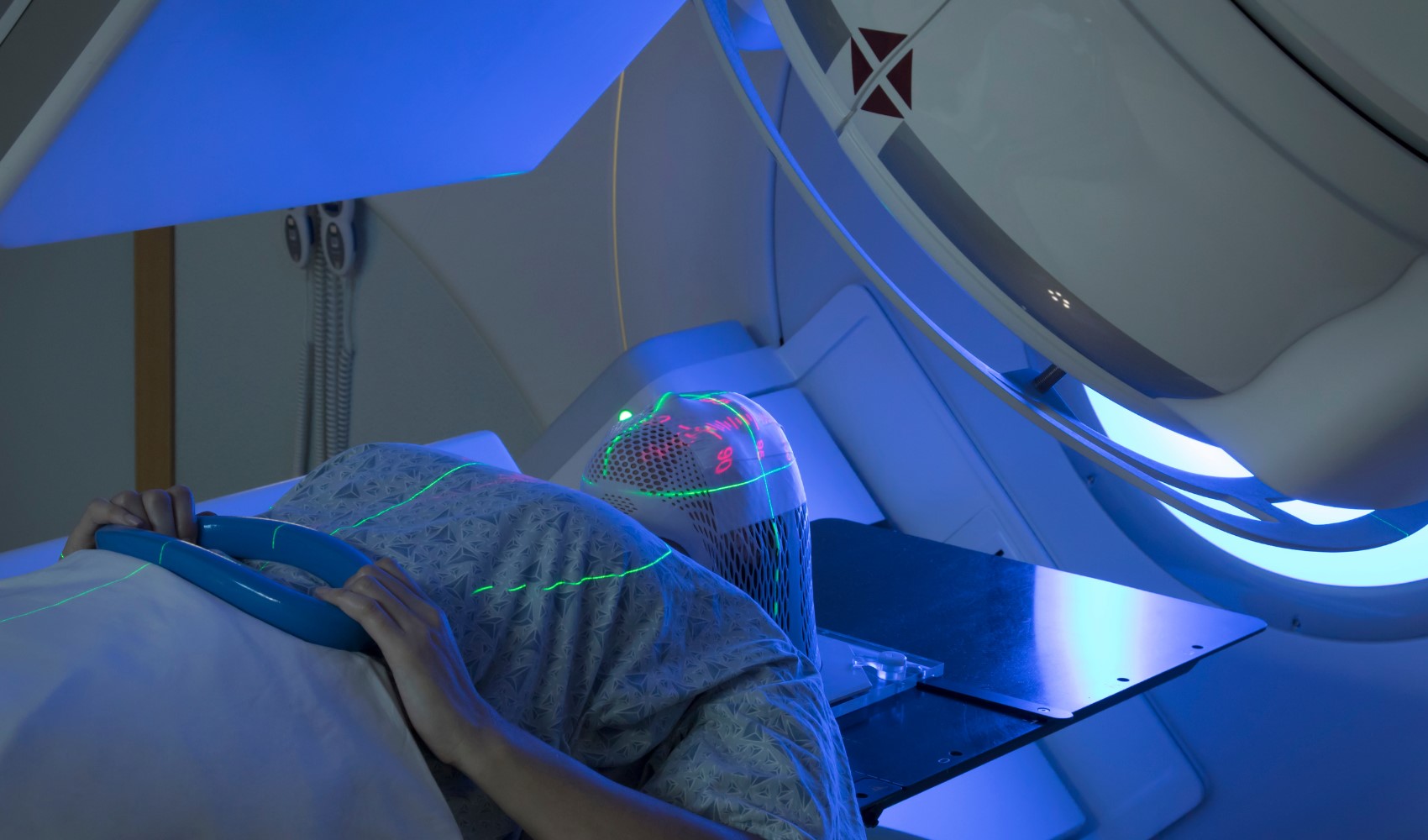
Although the research results published in the journal Nature Communications are promising, more studies are needed for this method to be applied to humans. The researchers plan to focus on improving this technology and exploring new applications beyond CAR-T cell therapy.
News Source: 12punto