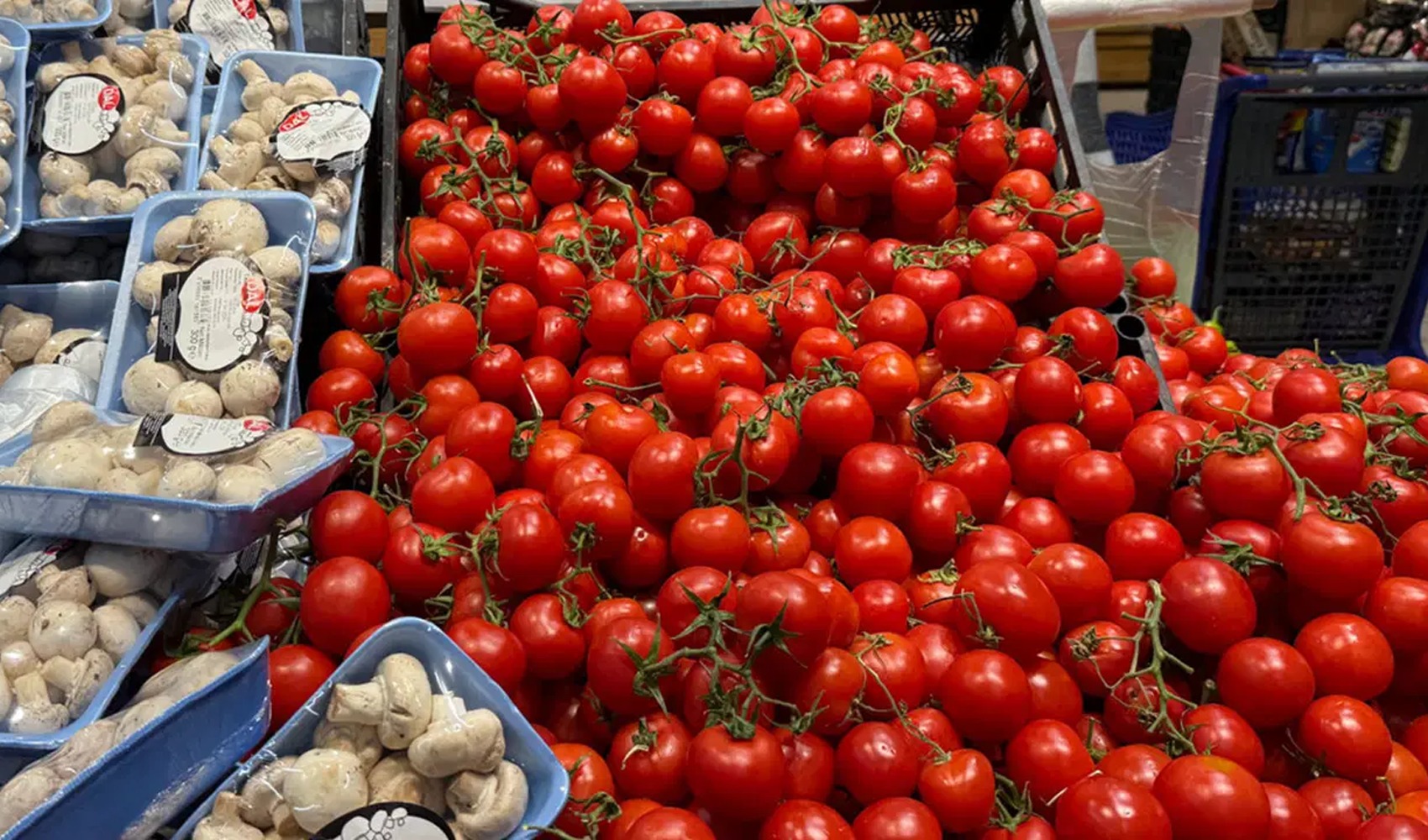
Greenpeace Turkey has announced the results of an analysis regarding tomato samples purchased from chain supermarkets in Istanbul as part of its "What's Inside?" campaign. According to information provided by the organization, 20 tomato samples obtained from 5 supermarket chains in Sultanbeyli, Sancaktepe, Ataşehir, and Kadıköy were examined in an internationally accredited laboratory.
The analyses determined that 3 of the samples, or 15 percent, contained pesticides that violate regulations. It was reported that 2 of the 3 products found to be in violation contained active ingredients not licensed for use in tomatoes, and that these products carried the "Good Agricultural Practices" logo according to the Wholesale Market Registration System information on the shelves.
Greenpeace Turkey announced that in one product, the active ingredient Chlorfenapyr, which has been completely banned since December 31, 2010, was detected. The study also noted that more than 3 pesticides were found in 7 of the 20 products.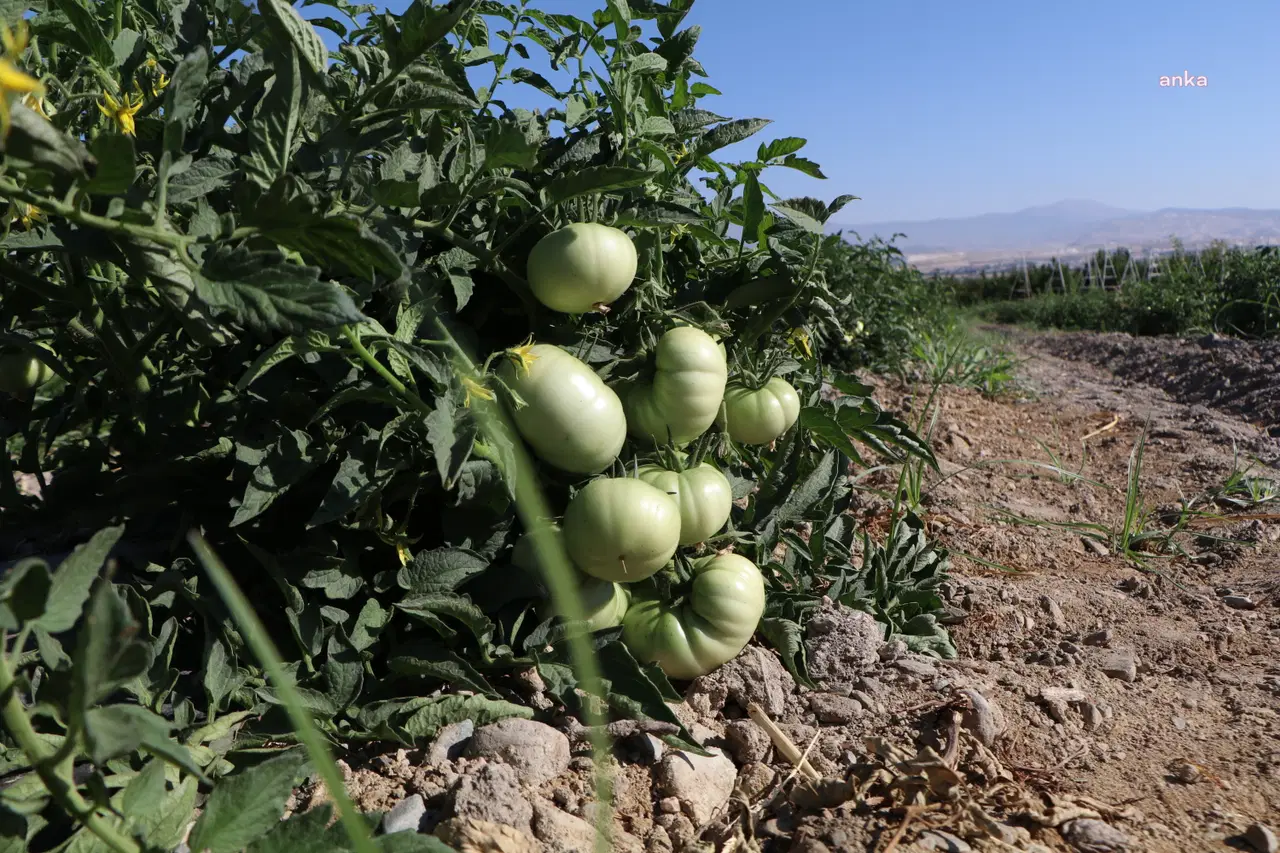
EMPHASIS ON PFAS AND "COCKTAIL EFFECT"
In the research, which also examined pesticides containing per- and polyfluoroalkyl substances (PFAS) that are stated to pose a risk to child health, it was stated that at least one PFAS substance was found in 14 of the 20 samples. It was reported that no traces of any pesticide were found in only one of the samples.
In addition to the analysis results, Greenpeace Turkey also prepared a "Supermarket Report Card" evaluating the pesticide policies of supermarket chains. In the report card, 75 points were allocated to policy commitments announced by the supermarkets to the public, and 25 points were allocated to the results of products tested in an independent laboratory.
The organization demanded that organized retail chains ensure full transparency in the fresh fruit and vegetable supply chain, show zero tolerance for the "cocktail effect" created by pesticides, implement stricter residue limits, and protect farmer welfare.
Greenpeace also requested that independent laboratory audits be standardized in the fresh fruit and vegetable supply chain and that the results be shared with the public. It was suggested that a maximum of 3 different pesticide active ingredients be allowed in a product even if they are below legal limits, and that supermarkets keep maximum residue limits in their internal standards 20 percent below the limits set by the state.
''Access to pesticide-free food is a right. For supermarket chains that held nearly 60 percent of the market as of 2021 according to official data, establishing an audit infrastructure is neither costly nor impossible.''
Greenpeace Turkey Director Berkan Özyer recalled that the Ministry of Agriculture and Forestry announced that non-compliance was detected in 6,369 out of 246,946 samples taken during inspections of 55 products for the 2021-2023 period. Özyer said that in the new phase, they have placed organized retail chains, which hold a decisive position in the supply chain, at the center of the campaign.
News Source: 12punto