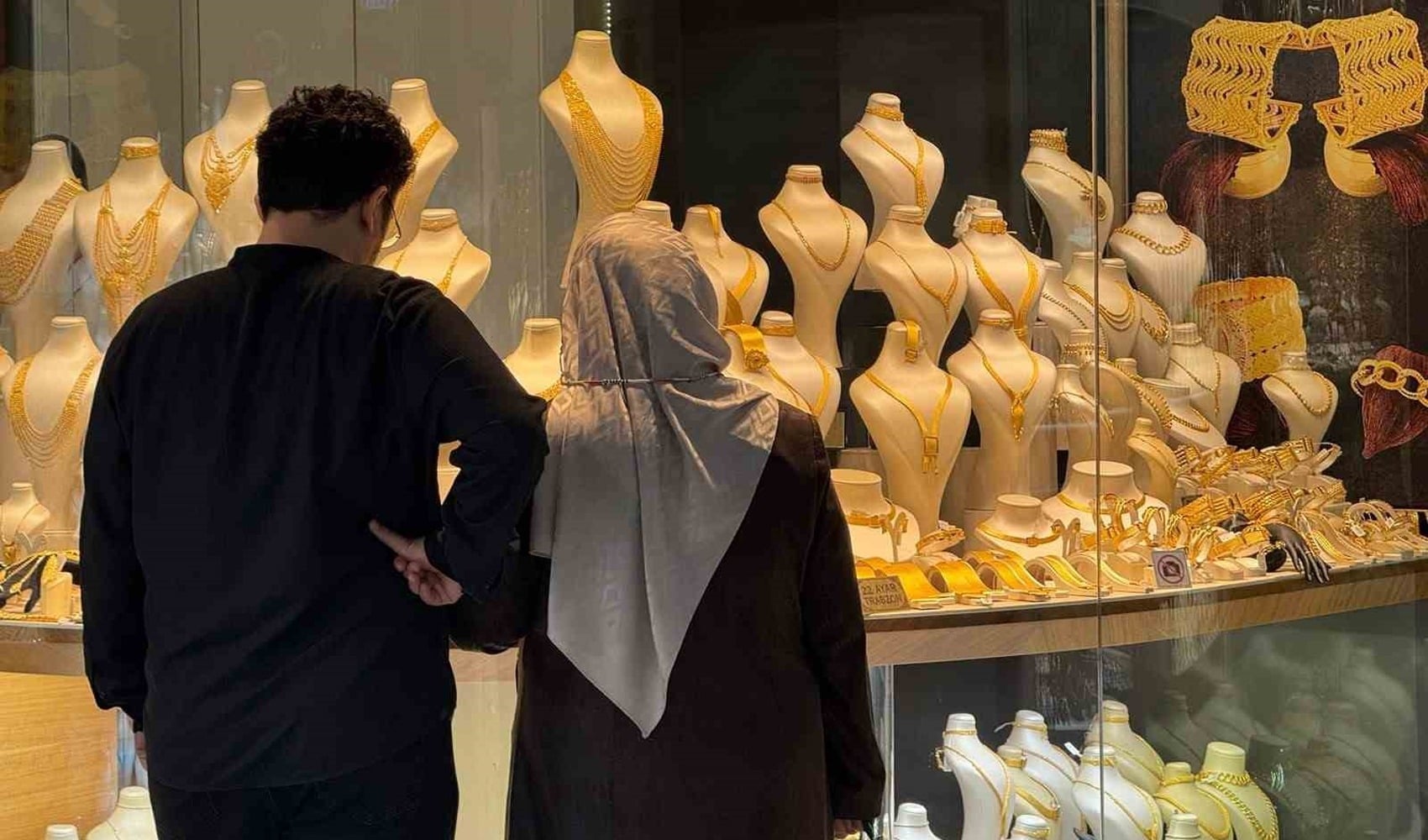
The 2nd Civil Chamber of the Supreme Court has issued a landmark ruling regarding wedding bracelets that were stated to have been sold for the purchase of a vehicle during a divorce case. The Chamber ruled that if the spouse who received the jewelry cannot prove that it was gifted to them without the expectation of return, the bracelets must be returned.
In the case, which began after the couple experiencing marital discord applied to the Family Court, the woman demanded the return of the bracelets her husband had taken, saying, "We will buy a car." The court of first instance ruled for the return of the 7 pieces of 22-karat gold bracelets, each weighing 15 grams, in kind; or, if that is not possible, for their value to be paid with legal interest.
Reviewing the file upon the appeal of the parties' lawyers, the Regional Court of Justice rejected the request regarding the bracelets, assessing that they were given to the man by the woman of her own free will and without the expectation of return. However, it partially accepted the case regarding 22 quarter-gold coins on the grounds that they were taken from the woman and used, and it could not be proven that they were given without the expectation of return.
BURDEN OF PROOF LIES WITH THE SPOUSE
Taking up the file upon appeal, the 2nd Civil Chamber of the Supreme Court emphasized that, in accordance with the Turkish Civil Code, parties are obliged to prove the facts upon which they base their rights. The ruling stated that it was established by the evidence in the file and the husband's statements that the 7 bracelets in question were used in the purchase of the vehicle.
"The husband bears the burden of proof in line with his claim and defense that these bracelets were given to him without the expectation of return, and if the defendant party proves that these items were given without the expectation of return and were sold and spent with the woman's request and consent, the husband is relieved of the obligation to return them."
The Chamber concluded that in this specific case, the husband could not prove that the gold was given to him without the expectation of return. Therefore, the Supreme Court, finding the Regional Court of Justice's rejection decision regarding the 7 bracelets to be incorrect, overturned this part of the ruling.

Following the ruling, citizens in Bursa were asked, "Would you give your gold to your spouse?" While some citizens stated that they could give their jewelry by trusting their spouse, others expressed that they did not look favorably upon giving away wedding gold.
News Source: 12punto