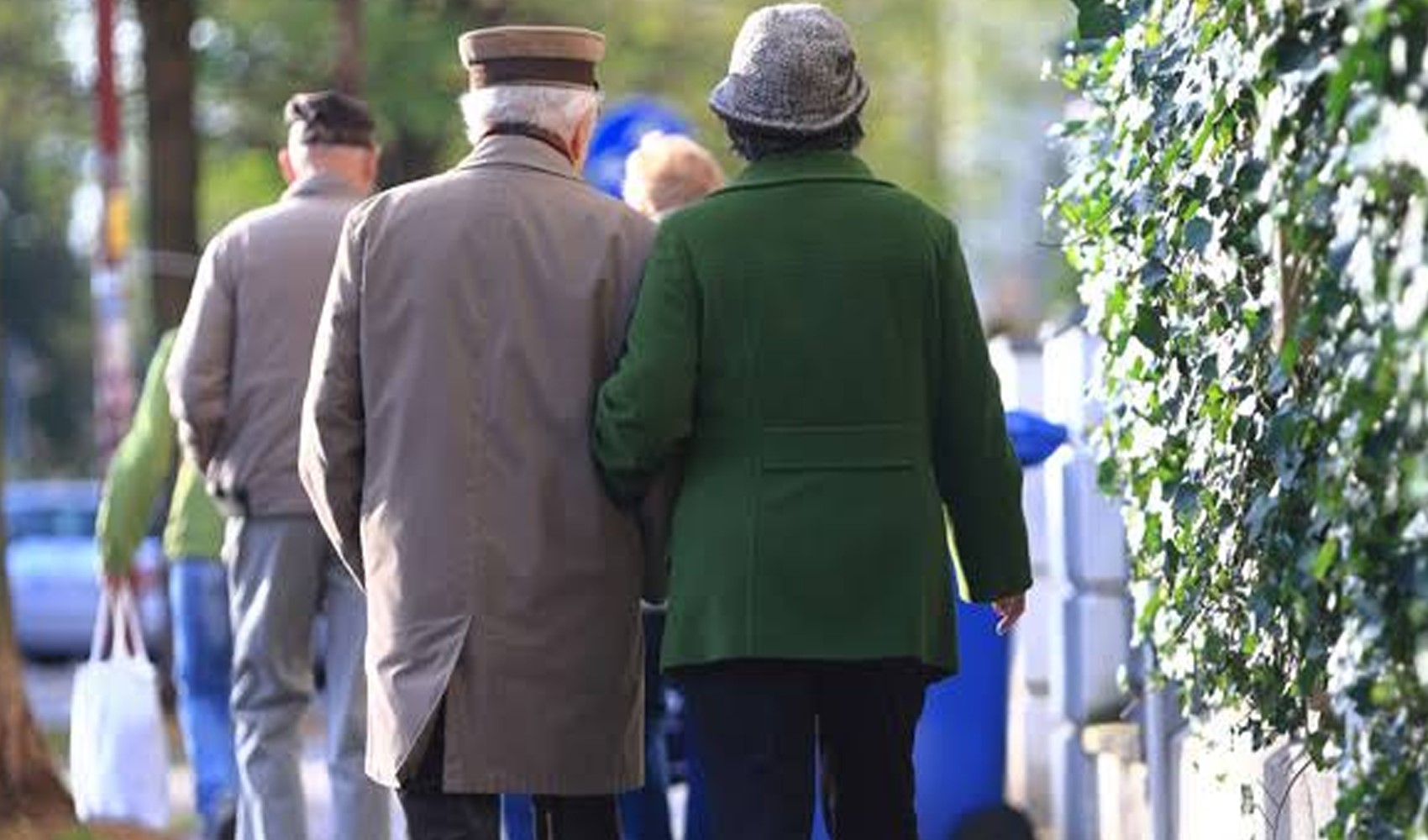
Assoc. Prof. Dr. Eda Akkız Ağaşcıoğlu from the Department of Exercise and Sports Sciences at the Faculty of Sports Sciences of Istanbul Rumeli University stated that exercising while fasting during Ramadan can be healthy and safe if planned correctly. However, she noted that individuals with health problems or those who feel their bodies are giving certain signals should not exercise while fasting. Additionally, age, gender, and the type of work performed are among the important factors in exercising while fasting. The elderly, women, and individuals working in physically demanding jobs need to be more careful.

EXERCISE TIMING AND ENVIRONMENTAL FACTORS
Pointing out that the timing of exercise is important, Ağaşcıoğlu stated that there are advantages and disadvantages to exercising before or after iftar (the breaking of the fast). She expressed that air temperature and humidity levels directly affect water and energy requirements, stating that high temperature and humidity can increase body temperature and cause fluid loss.
For this reason, she stated that it may be more appropriate for individuals who want to exercise while fasting to take weather conditions into account and exercise during the cooler hours of the day, such as early in the morning or in the late afternoon. In cold weather, she stated that the body needs more energy to warm up, and therefore energy levels should be managed more carefully during the exercise process.

INTENSITY AND TYPE OF EXERCISE
The type and intensity of exercise are also of great importance. Low-intensity exercises should be preferred while fasting, and high-intensity exercises should be avoided. Light-paced walking, yoga, pilates, or stretching movements are among the most suitable exercises that can be done while fasting. It is more appropriate to perform activities such as running, weight training, and cycling at least two hours after iftar. Very intense exercises should be avoided throughout Ramadan.

NUTRITION AND FLUID INTAKE
Stating that individuals who exercise should consume plenty of water between iftar and suhoor (the pre-dawn meal), Ağaşcıoğlu said that those who exercise after iftar should not neglect drinking water. It is very important to consume foods that will keep you full for a long time and provide energy during suhoor. A meal consisting of complex carbohydrates, proteins, and healthy fats should be preferred. Ağaşcıoğlu, who stated that those planning to exercise after iftar should consume a light but nutritious meal, expressed that dates, soup, whole grain bread, and protein sources (such as eggs, chicken, and fish) are ideal foods during this process.
REST AND THE IMPORTANCE OF RESTING THE BODY
Stating that sleep patterns may change during Ramadan and that this can affect the body's recovery, Ağaşcıoğlu said that it is important to get enough sleep and pay attention to resting after exercise. Individuals who exercise while fasting should stop exercising and rest if they feel dizzy, weak, or excessively thirsty.
Finally, Ağaşcıoğlu stated that it is possible to exercise while fasting, but factors such as timing, weather conditions, type of exercise, intensity, health status, work intensity, age, and nutrition must be considered. She stated that low-intensity exercises should be preferred while fasting, and that it would be healthier to leave higher-intensity exercises for after iftar. Furthermore, by paying attention to fluid intake, nutrition, and sleep patterns, it is possible to exercise in a healthy way even while fasting.

News Source: 12punto