As a result of detailed research conducted by scientists, it was determined that the reason for the galaxy's extraordinary brightness was not the stars. The actual cause was the gas contained within the galaxy.
These findings were published in the Monthly Notices of the Royal Astronomical Society and have the potential to complete a missing piece of the puzzle regarding the early universe. In this previously unknown phase of galaxy formation, extremely hot gas clouds can become brighter than the stars themselves.
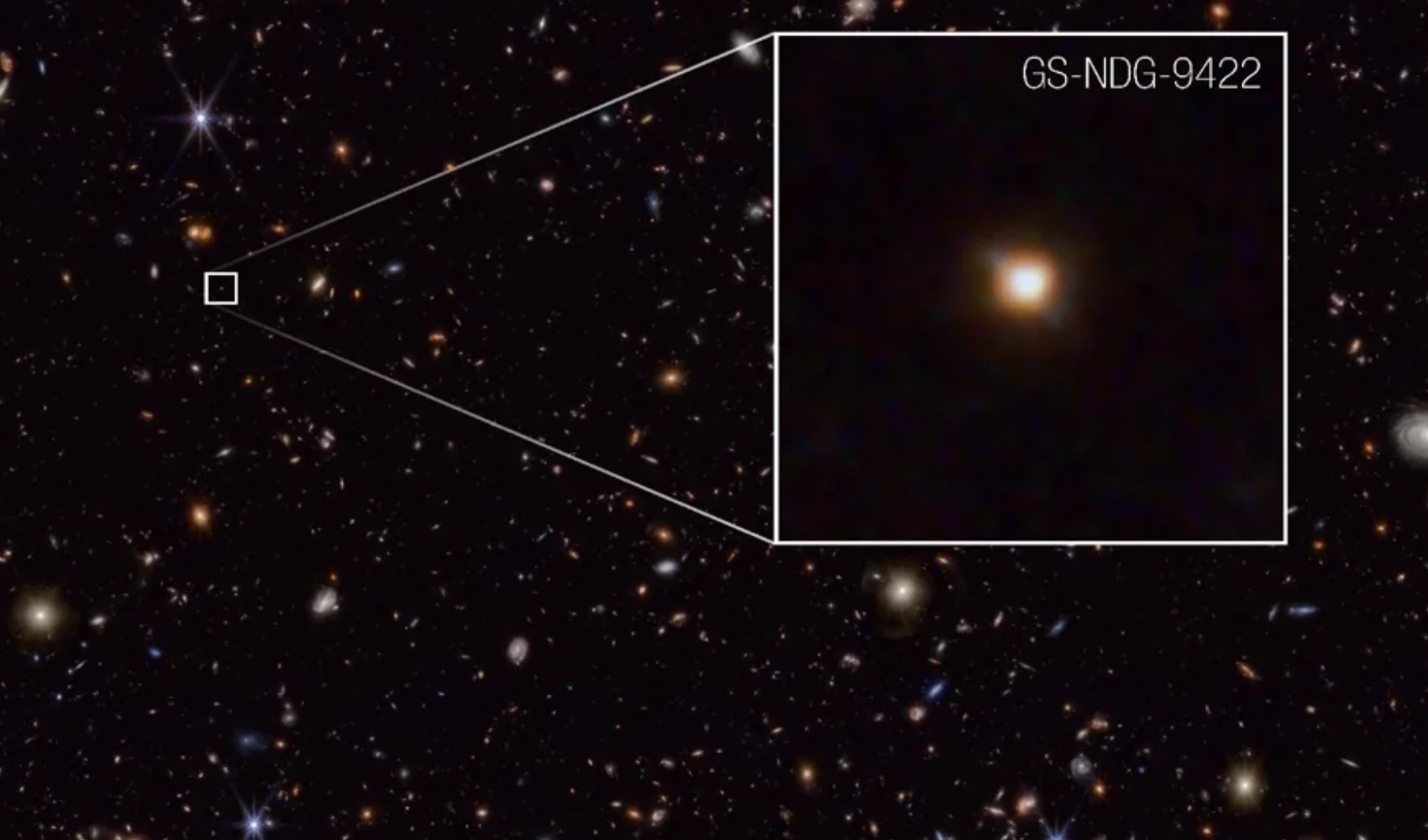
Astrophysicist Harley Katz from the Universities of Oxford and Chicago explains the situation with these words: "It turns out that these stars must be much larger and hotter than those we see in the universe today. This makes sense, because the early universe offered a very different environment."
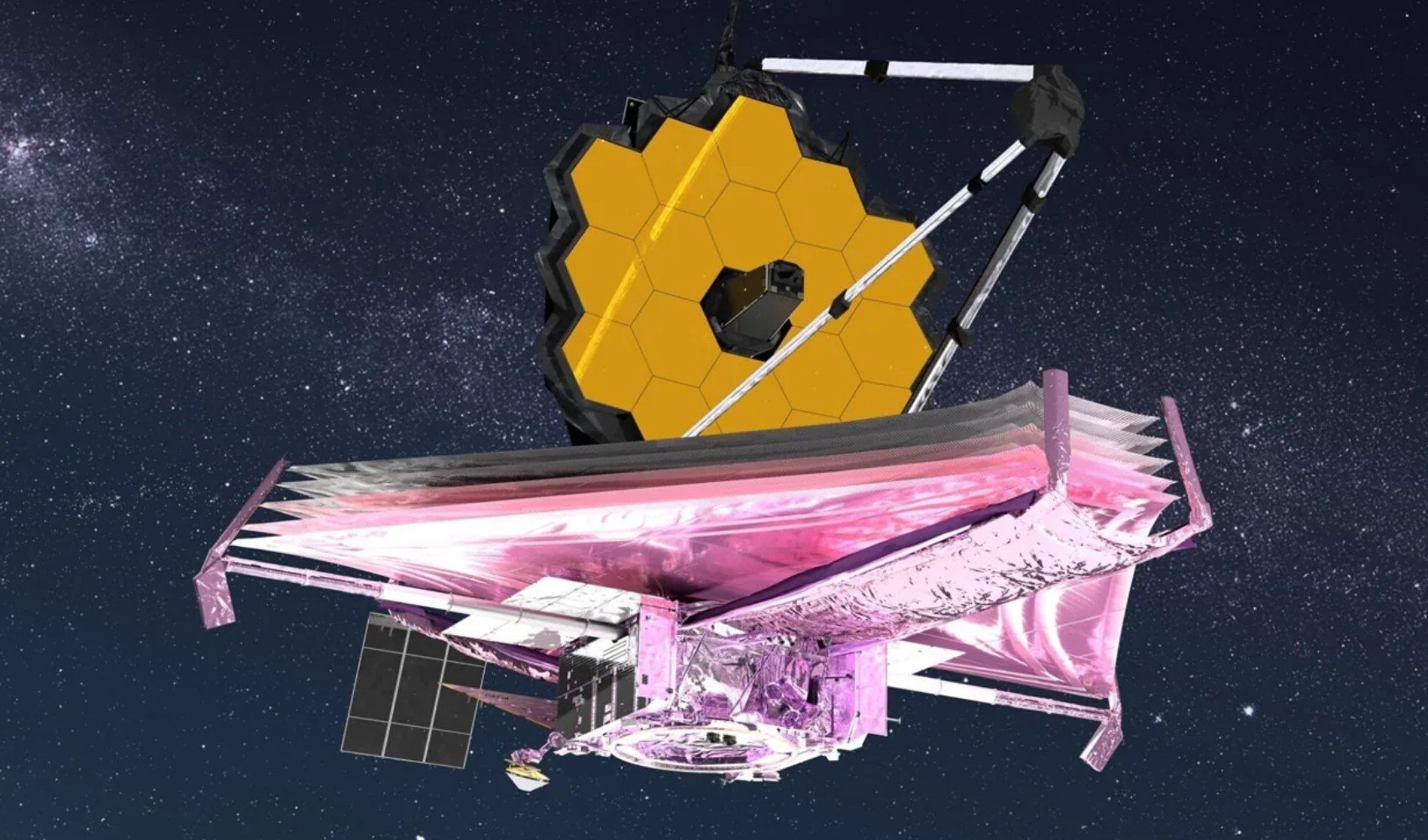
In astronomy, the further you look, the further back in time you see. This is because it takes time for light and other electromagnetic waves to reach us. The Webb telescope, a joint project of NASA, the European Space Agency, and the Canadian Space Agency, was designed to shed light on the early universe by detecting invisible infrared light. In short, although dust and gas in the universe make it difficult for us to see distant and faint light sources, infrared rays can overcome these obstacles.
Scientists believe that the galaxy is undergoing intense star formation within a cocoon of dense gas and that this cocoon is producing large, hot stars. A group of light particles from starlight may be bombarding the gas and causing it to glow intensely.
News Source: 12punto