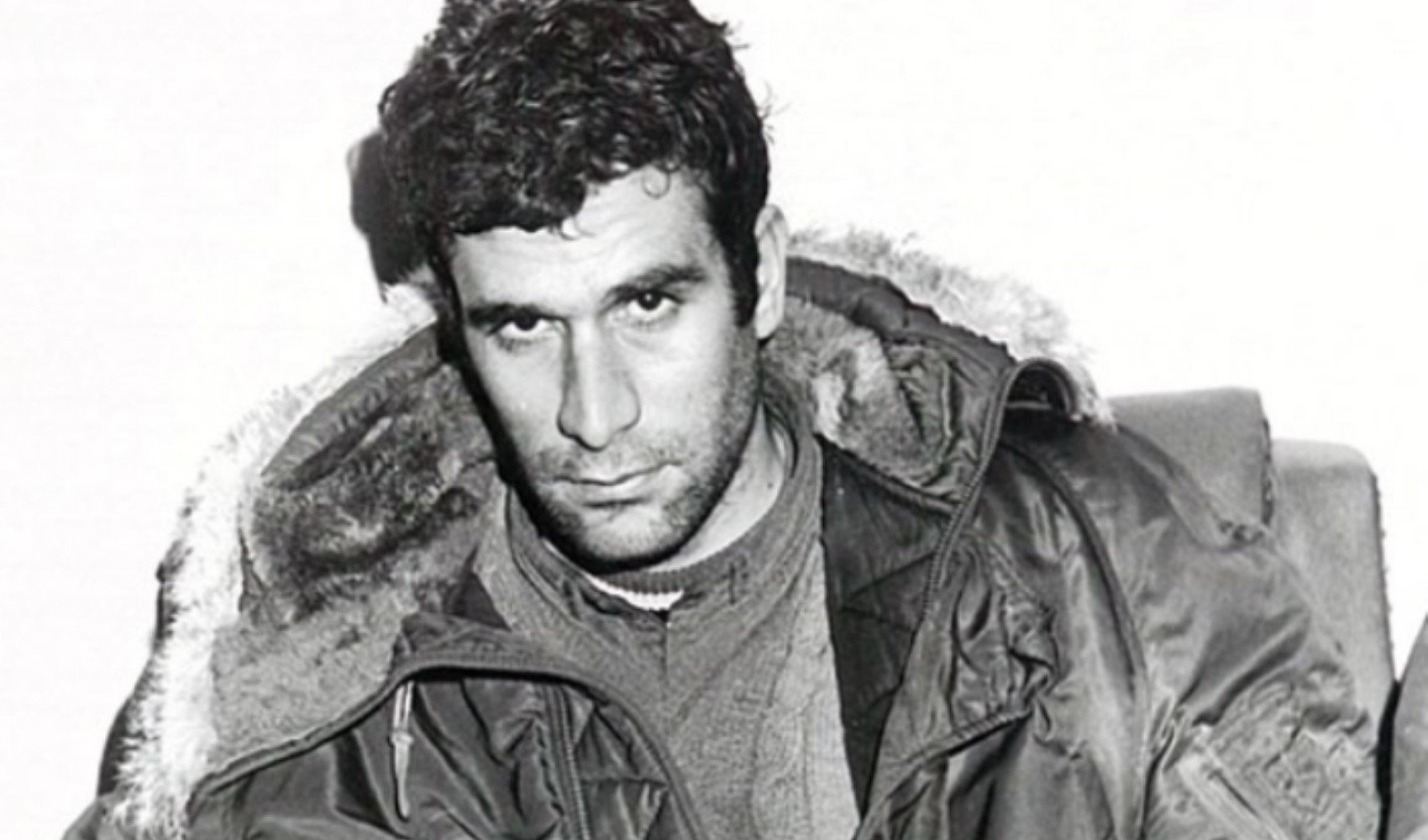
It has once again come to light that Deniz Gezmiş, one of the revolutionary leaders of the '68 Generation, left his mark not only with his determination in the struggle for freedom and independence but also with his passion for art and literature.
According to an article written by journalist Sercan Meriç, Deniz Gezmiş had a deep interest in literature from a young age. The works of many artists and writers, from Nazım Hikmet to Ahmet Arif, and from Tolstoy to Victor Hugo, held an important place in Gezmiş's life. His interest in poetry, in particular, was also evident in the letters he wrote during his years in prison.
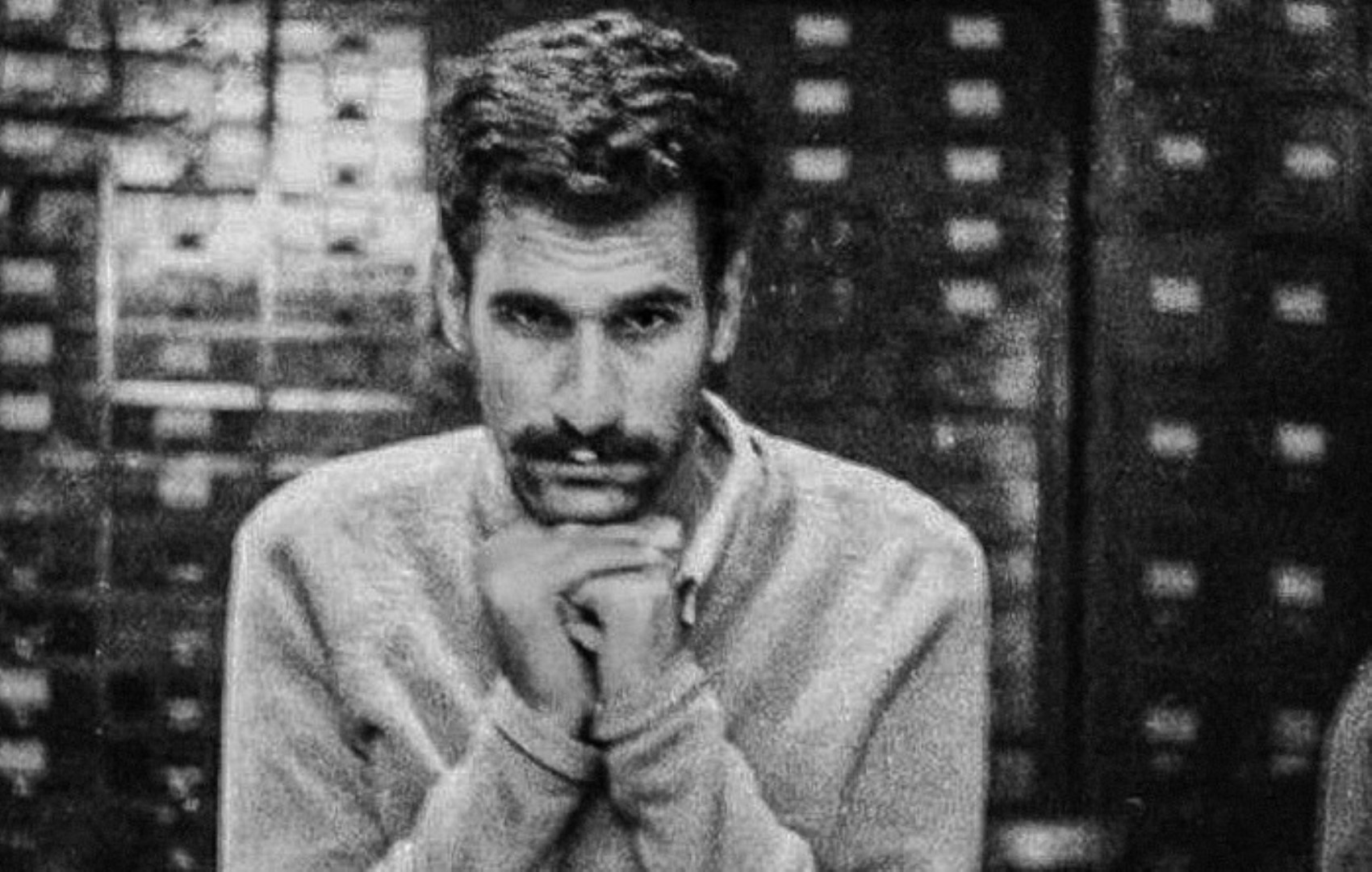
Sercan Meriç's relevant article is as follows:
The ruling powers of Turkey, along with their military and parliament, executed the '3 Saplings'—Deniz Gezmiş, Hüseyin İnan, and Yusuf Aslan—52 years ago, leaving an indelible black mark on the country's history. Life flowed just as they said it would on their way to the gallows…
Even though their existence in this world ended, their ideas influenced millions of people burning with a love for freedom and independence, and they continue to do so.
For years, we have read about their life stories, their impact on revolutionary history, and their struggle against American imperialism. Today, we will once again witness countless narratives about them.
In this article, I want to tell you about the relationship between Deniz Gezmiş, a literature enthusiast, and art.
The books "Deniz Gezmiş Anlatıyor" (Deniz Gezmiş Tells His Story) by Erdal Öz, "Devrimin Önsözü Deniz Gezmiş" (The Preface of the Revolution: Deniz Gezmiş) prepared by Agit Cihan, and "Abim Deniz" (My Brother Deniz), which emerged from an interview Can Dündar conducted with Hamdi Gezmiş, contain important information that sheds light on the relationship the great revolutionary established with books.
Deniz Gezmiş's interest in books began at a very young age. Being the son of a teacher was one of the most important factors… His brother, Hamdi Gezmiş, states that they started reading with Teksas (Tex Willer) comics and that Deniz Gezmiş was deeply influenced by the independence struggle of Çelik Blek (Blek le Roc).
As the years passed, world classics became the works that Deniz could not put down…
Nurettin Demirdöven, who was instrumental in his joining the Workers' Party of Turkey during his high school years, states that he and Deniz went through an intensive reading process together. He lists Deniz's favorite books as follows: Jack London's Martin Eden, Ernest Hemingway's For Whom the Bell Tolls, John Steinbeck's The Grapes of Wrath, H.G. Wells' The Outline of History and A History of the United States, Ali Faik Cihan's Socialist Turkey, and Niyazi Berkes' Why We Have Been Stumbling for Centuries…
As we will see in his letters from his imprisonment, Deniz's passion for poetry began at a young age. He constantly bought and examined the "Yeni Dergi" (New Magazine) published by Mehmet Fuat. His favorite poet was undoubtedly Nazım Hikmet… He also recited the poems of Oktay Rifat, Edip Cansever, Turgut Uyar, Cemal Süreya, Özkan Mert, Ataol Behramoğlu, and İsmet Özel from memory.
Years later, before going to his execution, he told Erdal Öz that he loved Ahmet Arif very much.
He also tried to instill his love for Ahmet Arif in his father. In a letter he wrote to his father while in prison in Kayseri on April 25, 1971, he mentioned Ahmet Arif, saying, "You used to like poetry. There is a poet named Ahmet Arif. He released a book called 'Hasretinden Prangalar Eskittim' (I Wore Out Shackles from Longing for You) from Bilgi Publishing. Buy it and read it, you will really like it."
In the letters he wrote to his father, we also learn which books Deniz read while in prison. In a letter written on October 22, 1971, Deniz stated that he was reading Dostoevsky and that he would then start reading Balzac. We also learn from this letter that he had a special interest in Russian literature: "Dostoevsky! He gave a cross-section of the society he lived in his novels. If Tolstoy has his muzhiks, he has his urban petty bourgeois who can never make ends meet. If I say English, German, Italian, or Spanish literature to you, a name from each will come to your mind. For example, Shakespeare, Goethe, Dante, Cervantes, but when it comes to French and Russian literature, the situation changes. A lot of names come to your mind. Each one greater than the other."
We also witness in these letters that Deniz regretted not being an artist. He tells his father, "Unfortunately, I do not have the talent to be an artist," and writes this striking sentence: "Being an artist is a much higher virtue than being a politician. It is something that will live for centuries. Just as we cannot give up on the Old Greek masters, it is something like that. A famous revolutionary says: 'Everything will change, but Beethoven's 9th Symphony will continue to be played.'"
Deniz's interest was not limited to Western literature… He also had a special interest in Persian literature. His praise for names like Omar Khayyam, Al-Ghazali, and Saadi Shirazi is an indication of this. He is so influenced by Khayyam's verses that he says in his letter, "Contrary to the tolerance shown to Khayyam, the Inquisition tortures in Europe are so surprising! If a European in that era had said one percent of what he wrote, his end would have been death, and with torture at that. Why am I saying these things? Because, unlike the so-called intellectuals who are Western imitators, I am proud to be an Asian."
Names like Tolstoy, Victor Hugo, Neruda, Brecht, and Lorca were also always on Deniz's radar…
Although Neruda, whose poems he loved very much, called on the President of the time, Cevdet Sunay, along with thousands of artists including Picasso, Louis Aragon, Andre Malraux, and Samuel Beckett, to prevent the execution of Deniz and his friends, this call did not find a response.
Deniz's mastery of literature also surprised Erdal Öz. Erdal Öz reflected this surprise to Deniz when they were in prison together. Deniz replied to him, "We came from literature, captain."
Those who have read the book know that Deniz actually made Erdal Öz write this book. While telling his experiences, he intersperses verses from Mayakovsky and compares his experiences to Ionesco's plays…
Deniz Gezmiş was not only interested in literature but also quite curious about cinema… Hamdi Gezmiş states that Deniz was most influenced by the film Spartacus. In his conversations with Erdal Öz, we see that he mentioned the films of Eisenstein and Pudovkin.
It is now common knowledge that Deniz wanted to listen to Rodrigo's famous guitar concerto before he was executed…
This is a brief summary of the relationship that Deniz, who set out for the independence of his country, the non-exploitation of peoples, and a free world, and who was sent to his death by the ruling powers 52 years ago, established with art.
Deniz kneaded his struggle with the inspiration he drew from art.
More importantly, that struggle shed light on many fields in Turkey, from music to theater, from novels to poetry, and from painting to cinema.
And it is a light that will never go out…
News Source: 12punto