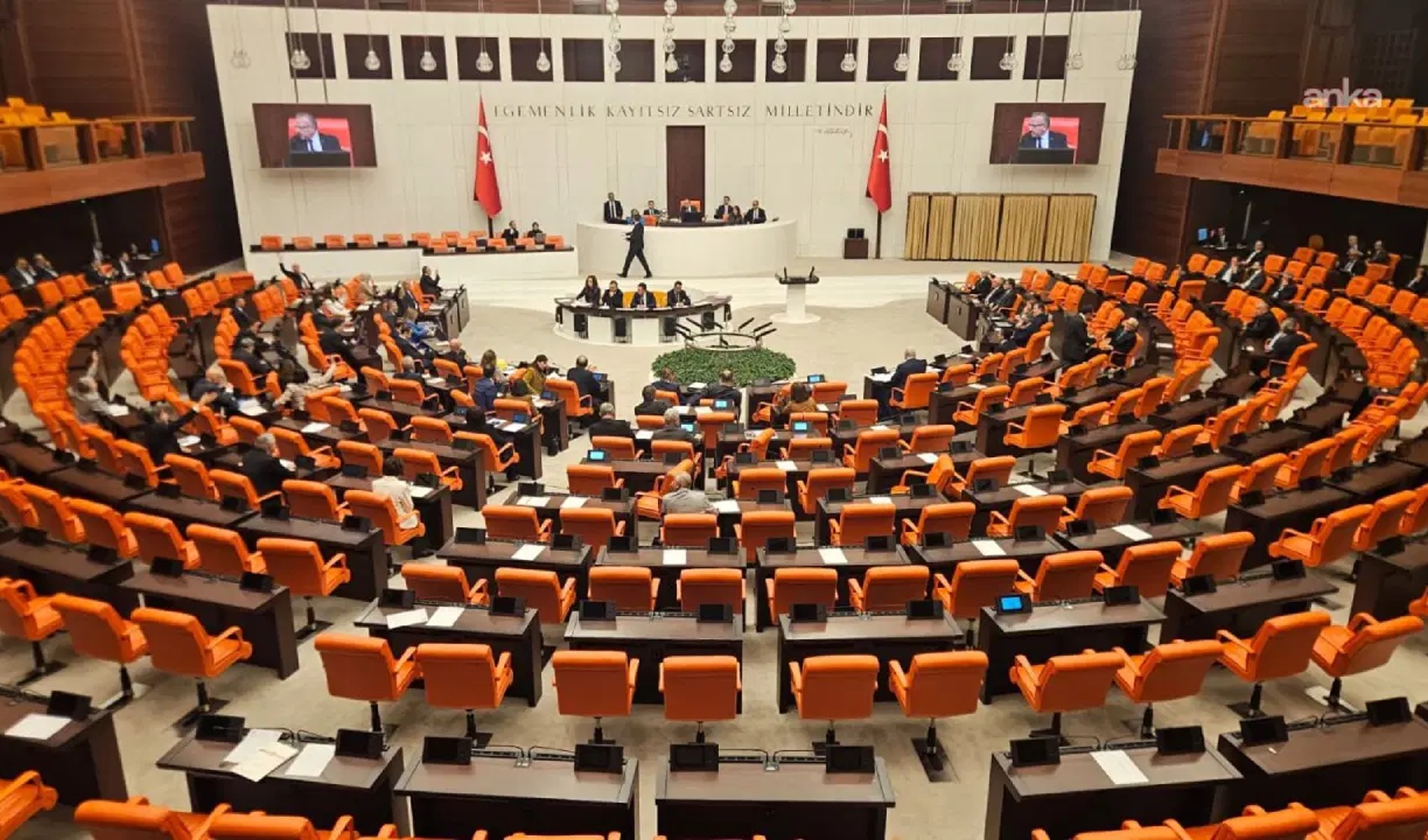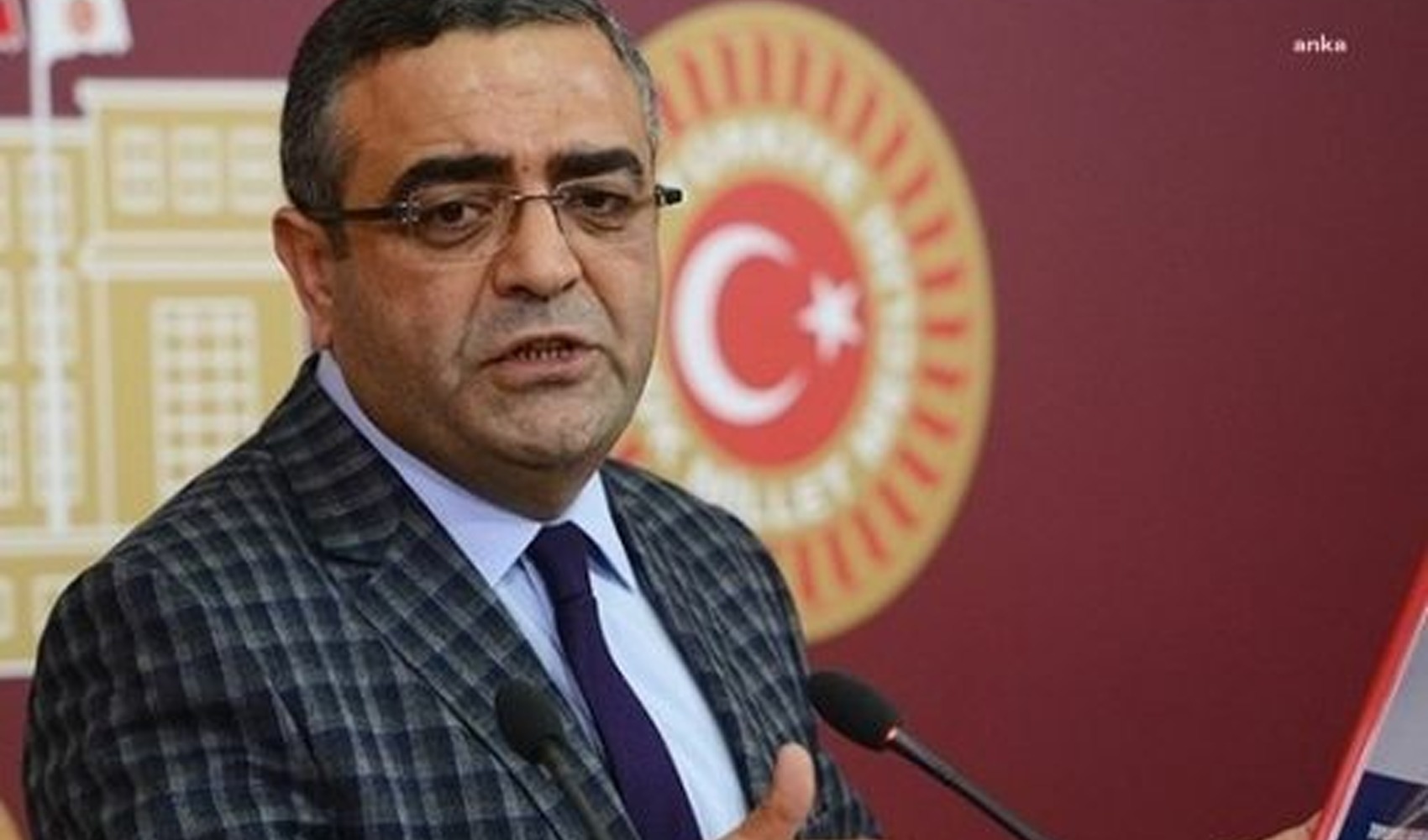
YENİ Party Diyarbakır MP Sezgin Tanrıkulu has brought to the agenda of the Grand National Assembly of Turkey (TBMM) the footage recorded in a residence during an operation targeting municipalities in Mersin, which was later published in the press and on internet platforms.
In a parliamentary question submitted to the Speaker of the TBMM for Vice President Cevdet Yılmaz to answer, Tanrıkulu requested an explanation of who provided the footage to third parties, by what authority, and through which channels.
The motion stated that during the operation on October 1 targeting the Mersin Metropolitan Municipality as well as the Yenişehir and Mezitli municipalities, a woman in pajamas was recorded by a police camera at the moment the door of a residence was opened. It was reported that despite the woman's request for the camera to be turned off, the recording continued, and the footage in question was later published on various platforms.
Sezgin Tanrıkulu recalled that, according to information reflected in the public domain, detention procedures were applied to 59 people, including Mersin Metropolitan Mayor Vahap Seçer. However, the focus of the motion was on the legal basis for the video recording and the protection of personal data, independent of the procedures within the scope of the investigation.
“THE CHAIN OF RESPONSIBILITY MUST BE CLARIFIED”
YENİ Party's Tanrıkulu, in his justification, pointed to Article 20 of the Constitution regarding the privacy of private life and the protection of personal data, Article 157 of the Criminal Procedure Code regulating the confidentiality of the investigation, and Article 12 of the Personal Data Protection Law regarding data security.
For this reason, instead of evaluating this incident as an isolated leak of footage, it is necessary to clarify the legal basis for video recording procedures carried out by law enforcement units, storage and access protocols for the recordings, user and access logs on the system, the manner in which the footage left the institution, and the chain of responsibility in all its aspects.
Tanrıkulu emphasized that in addition to compliance with the law, the principles of protection of private life, security of personal data, proportionality, necessity, and accountability must also be guaranteed in the actions of law enforcement officers who exercise public power.
In the motion, Yılmaz was asked whether there is any law enforcement procedure or instruction regarding the continuation of recording during a search despite the resident clearly requesting that no footage be taken. Tanrıkulu also wanted to learn whether the police unit or law enforcement personnel who recorded the footage had been identified.
Among the questions posed by Tanrıkulu was whether any verbal or written instructions were given by the Ministry of Interior, the General Directorate of Security, the Mersin Governorship, or any other public institution regarding the leaking of the footage to media organizations.
The motion also asked whether the Presidency, the Presidential Directorate of Communications, or any other central public institution had provided instructions, coordination, or information regarding the sharing of the footage with the public.
Sezgin Tanrıkulu also demanded an explanation as to whether any judicial or administrative investigations had been launched against public officials regarding the recording of the footage or its appearance in the press. Whether there are any practices aimed at anonymizing, masking, or restricting access to the images of individuals who have no connection to the investigation file was also among the questions in the motion.
The MP also asked whether a clear oversight mechanism would be established to prevent the use of footage obtained by law enforcement for political communication or public opinion formation. He requested that the digital access and transfer chain from the moment the footage was recorded until it appeared in the press be subjected to an independent technical review to clarify all dimensions of the incident.
News Source: 12punto