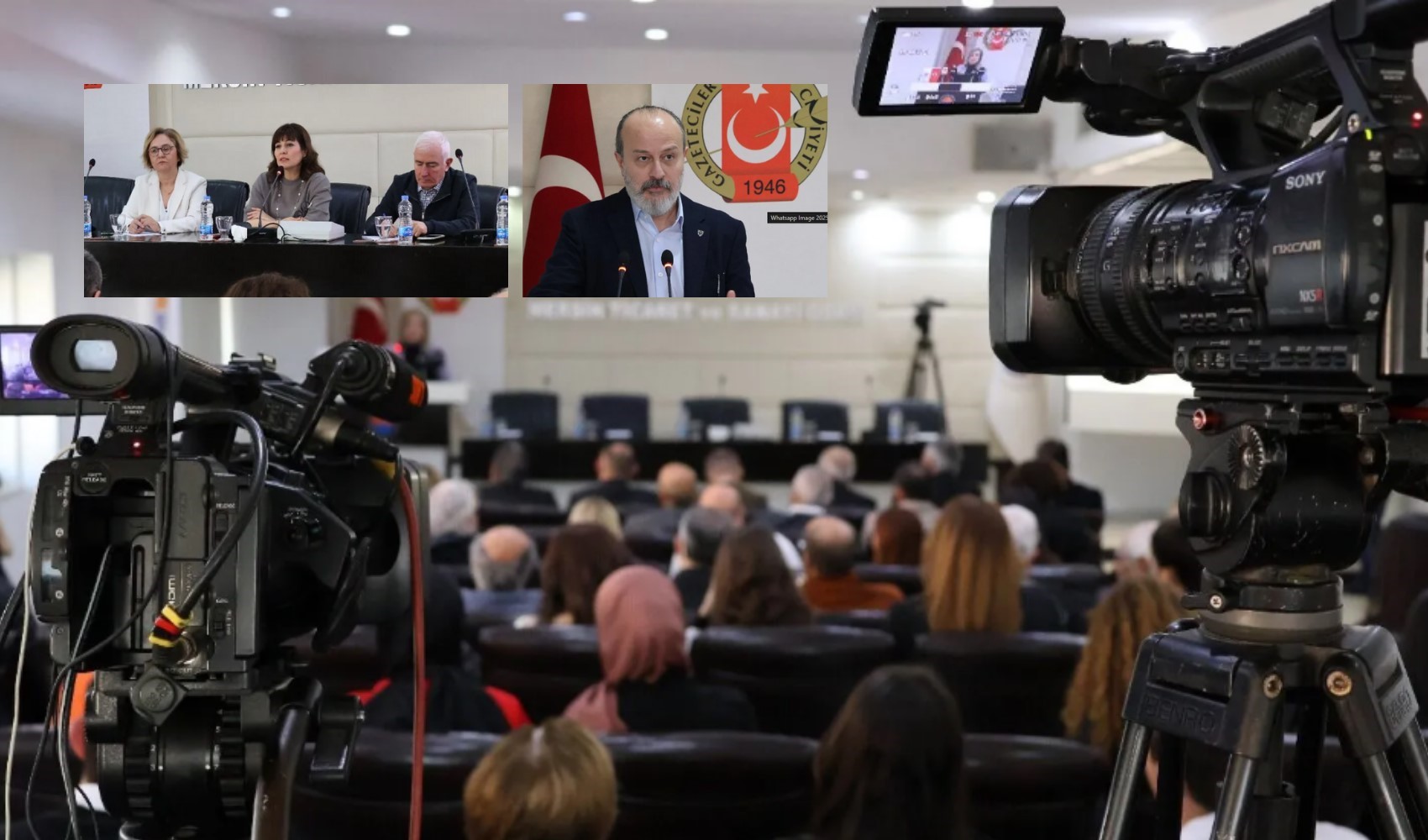
The Journalists Association met with colleagues and aspiring colleagues in Mersin. The event was held with the contributions and participation of the Mersin Chamber of Commerce and Industry, the Mersin Journalists Association, the Mersin University Faculty of Communication, and the Hatay Mustafa Kemal University Faculty of Communication.
The state of the local press was discussed at the meeting, which saw high participation from members of the press, academics, and students. In addition to discussions on journalism, training sessions on internet journalism were provided at the event, where the Journalists Association's solidarity efforts covering press professional organizations across the country were explained.
ALİ ORUÇ: JOURNALISM IS A PROFESSION OF ACCUMULATED EXPERIENCE
Delivering the opening speech of the event, Journalists Association Vice President Ali Oruç began his remarks by conveying the greetings of Journalists Association President Nazmi Bilgin.
Stating, "The meaning of this gathering is very significant for us. We take justified pride in preparing the fourth of our training sessions, which we have previously organized in various provinces, with this collaboration," Oruç said, "Journalism is a profession of experience and accumulated knowledge. The transfer of experience is not just sharing memories. It is a mutual learning process where everyone adds something of their own. Today, it is our duty to share our accumulated knowledge and experience with our young colleagues, from the practices we have learned to our phone contacts, and to listen to them and learn from them."
Pointing out that professional organizations are one of the pillars of the bridge that will carry the profession from today to tomorrow, Oruç said, "We have seen that we are not alone. Many professional organizations, including the Media Solidarity Group, are taking responsibility. However, this effort is futile without our aspiring colleagues who want to practice our profession. This is what gives hope in this hall today. Many communication faculty students among us are here to learn something about journalism."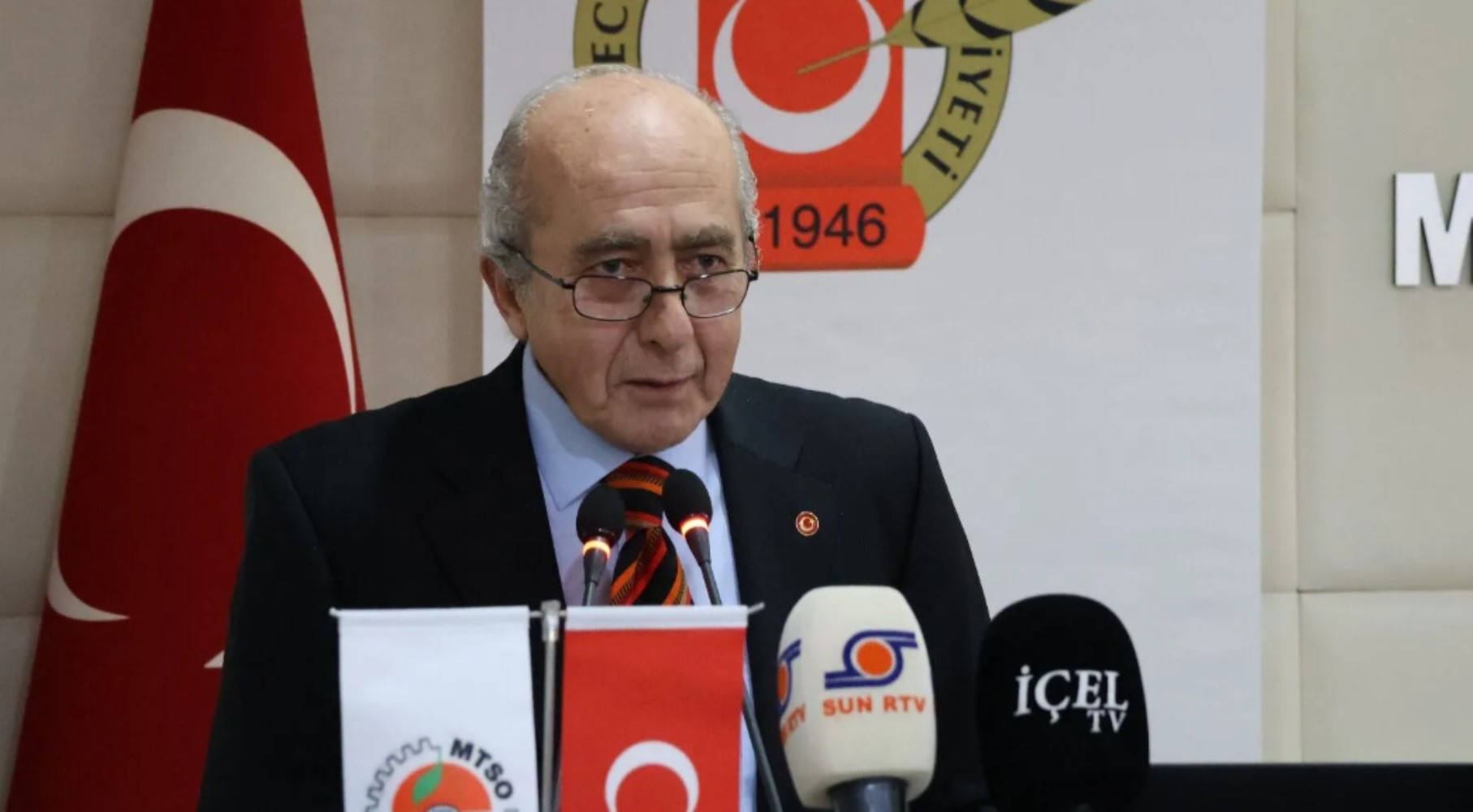
Ali Oruç also highlighted the current difficulties of the profession as follows:
"Practicing journalism today involves different challenges compared to previous years. Journalists in the history of the Turkish press have never experienced as much economic hardship as they do today. The number of journalists who can sustain their profession has decreased more than ever before. Although the number of communication faculty graduates has increased, the number of people who find the opportunity to practice journalism has decreased. Even the internship opportunities for our aspiring colleagues have narrowed more than ever."
TEPE: THE JOURNALISTS ASSOCIATION IS AN EXAMPLE TO ALL ASSOCIATIONS
Taking the floor after Ali Oruç, Mersin Journalists Association President Rüstem Kaya Tepe emphasized the current difficulties of the profession.
Tepe said, "We are exposed to many economic and psychological pressures. But journalists suffer most from people who wake up one morning and say 'I have become a journalist.' A sentence written by a social media account or an influencer does not become news; news becomes news with what a journalist writes. Just as you cannot call everyone who writes a poem a poet or everyone who paints a picture a painter, you cannot call everyone who says 'I am making news' a journalist."
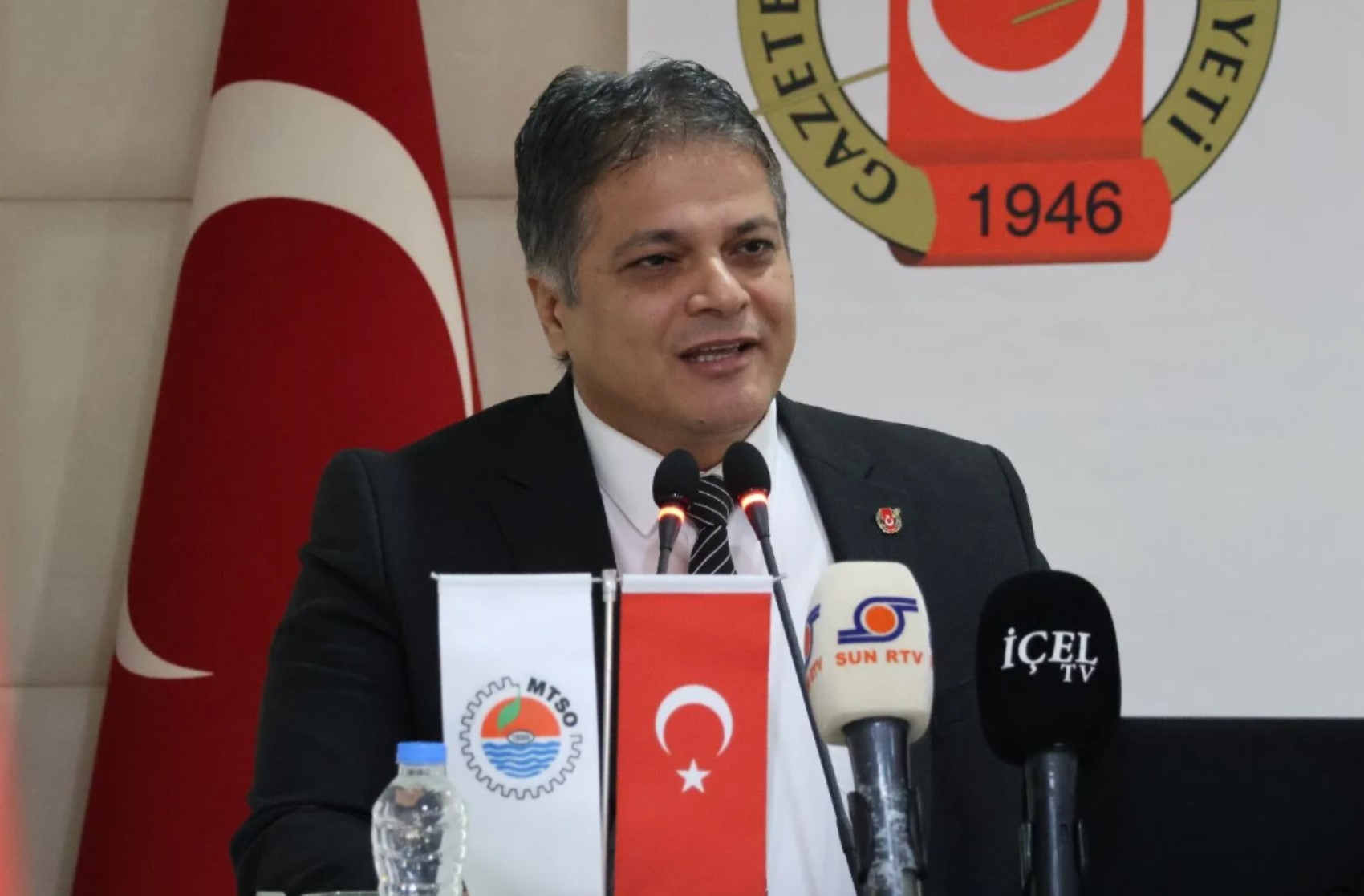
Drawing attention to the importance of the local press, Tepe expressed the following:
"Journalists are the people who make a city livable and establish the self-control mechanism... Journalists are the ones who audit the city. In developed countries, journalism is held in high regard. In underdeveloped countries, you see that journalism is at the bottom. Business people need to support local media with advertisements, announcements, and subscriptions. They avoid this, and when something happens, they ask why the journalist doesn't write about it. Let the journalist write, but soon you won't find any journalists left to write the news."
ÇOBANER: CLASSROOMS ARE NO LONGER ENOUGH FOR GOOD JOURNALISM EDUCATION
Taking the floor after President Tepe, Mersin University Faculty of Communication Dean Prof. Dr. Aslıhan Ardıç Çobaner began her remarks by emphasizing the contributions of professional organizations to vocational training.
Stating that "Today's meeting also continues an important tradition from our press history," Çobaner briefly summarized the history of journalism education in Turkey with the words: "The start of journalism education was pioneered by journalist associations in Istanbul and Ankara for the initiation of training programs at Istanbul University and Ankara University. Press and publishing colleges, established with the contributions and suggestions of professional organizations, were converted into faculties of communication in 1982. Today, there are 74 faculties of communication in Turkey."
Touching upon the current needs in journalism education, Çobaner said, "Digitalization and developments in communication make a transformation in education mandatory. Classrooms are no longer enough for a good journalism education; digitalization is essential. In this context, the projects of the Journalists Association play an important role. The existence of GC Academy and projects like the 9th Village are very important in this sense. I also appreciate the efforts of the professional organization representatives who travel from city to city."
ALANKA: WE ARE CONSTANTLY STRIVING TO IMPROVE EDUCATION
Hatay Mustafa Kemal University Faculty of Communication Dean Prof. Dr. Ömer Alanka took the floor after Çobaner.
Underlining the importance of keeping up with developing technology, Alanka said, "We are constantly updating our curriculum."
Touching upon the destruction caused by the February 6 earthquakes in Hatay, Alanka concluded his words by saying, "We lost over 250 students and over 150 administrative-academic staff in the earthquake. Four students from our faculty lost their lives. However, despite this disaster, we did not stop, and we continue to develop our infrastructure with the support of our rector, Veysel Eren. We are constantly striving for how we can fix and improve education, and this event is very important for us in this context."
Following the opening speeches, the event continued with a presentation by Journalists Association Board Member Zeynep Gürcanlı, who explained the activities and projects of the Journalists Association.
ÇELİK: JOURNALISTS RUN TO WAR AND DISASTER ZONES THAT EVERYONE ELSE FLEES FROM
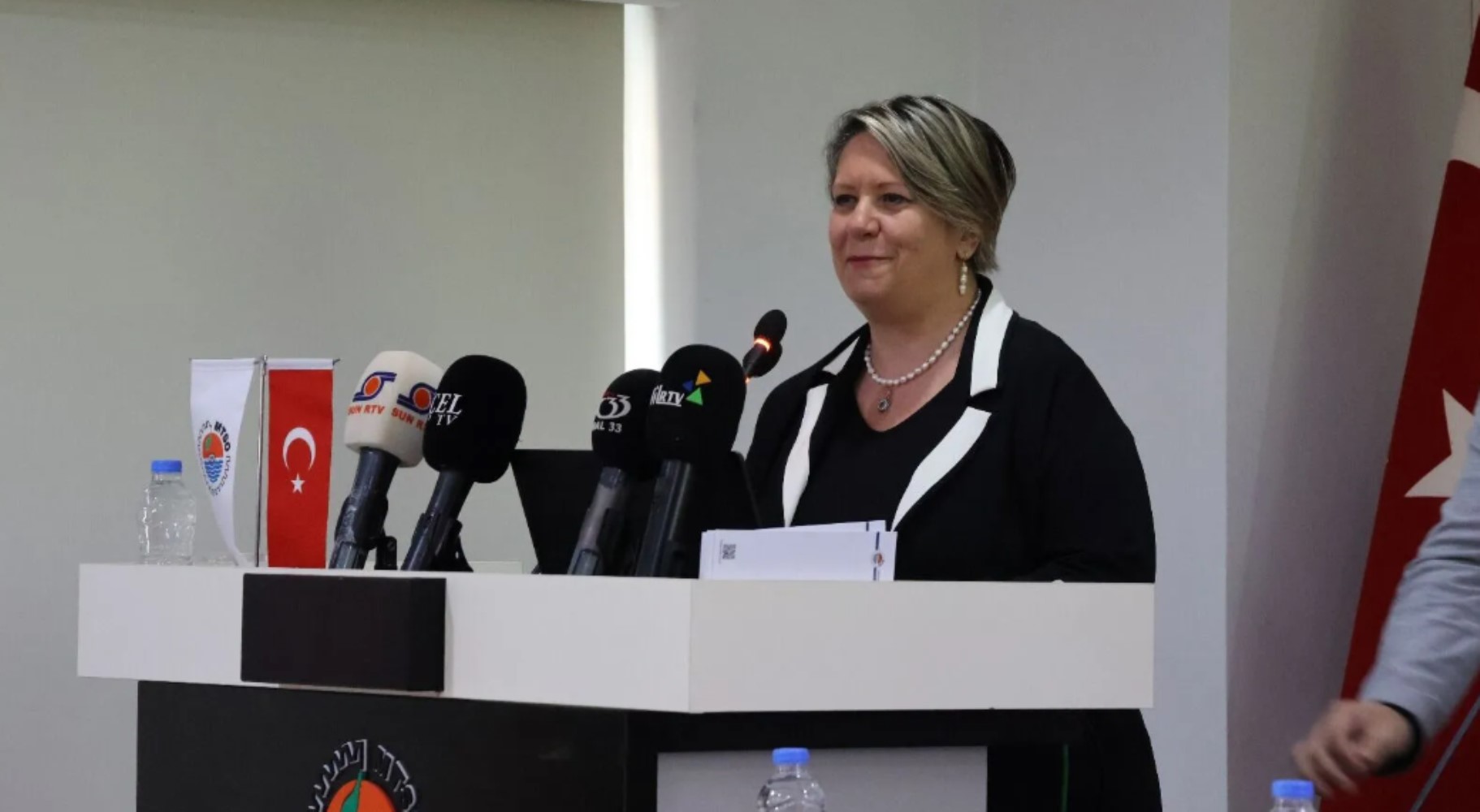
After Gürcanlı's presentation, a panel titled "Journalism at the Center of the War-Diplomacy-Economy Triangle" was held. The guests of the panel, moderated by Özlem Akarsu Çelik, were experienced journalists Ayşe Sayın and Sedat Bozkurt.
Özlem Akarsu Çelik touched upon the dangers journalists face all over the world. Çelik said, "The number of journalists killed in the 6-year Second World War was 67, but the number of journalists killed in the war that Israel turned into a civilian massacre in Gaza has reached 205. A colleague of ours was killed every day in Gaza. Many journalists also died in the same way in Ukraine and Russia. In Eastern Europe, our colleagues are being kidnapped and killed. However, journalists have to run to war and disaster zones that everyone else flees from. What kind of days await our profession under these conditions?" and left the floor to Ayşe Sayın.
SAYIN: THE INFLUENCE AGENT LAW CARRIES DANGERS FOR EVERY AREA OF LIFE
Sayın began her remarks by emphasizing the difficulties of journalism:
"We are being killed, arrested, and we are working under very difficult conditions... We are working under both economic and political pressure. Our lives are becoming even more difficult with new laws, and it is becoming even harder for us to access news. There is a situation we have felt in the profession since the 2000s: Not being able to reach the source. There are accreditation practices; a journalist who cannot be accredited to the Presidency cannot go and follow the meetings of the Justice and Development Party. The opposition also has similar practices. Therefore, not every journalist can access all news sources. Since I am in parliament, I am luckier in this regard; I can see representatives of all parties together, but our colleagues working in different fields outside, such as the economy, may not be able to reach the relevant ministries."
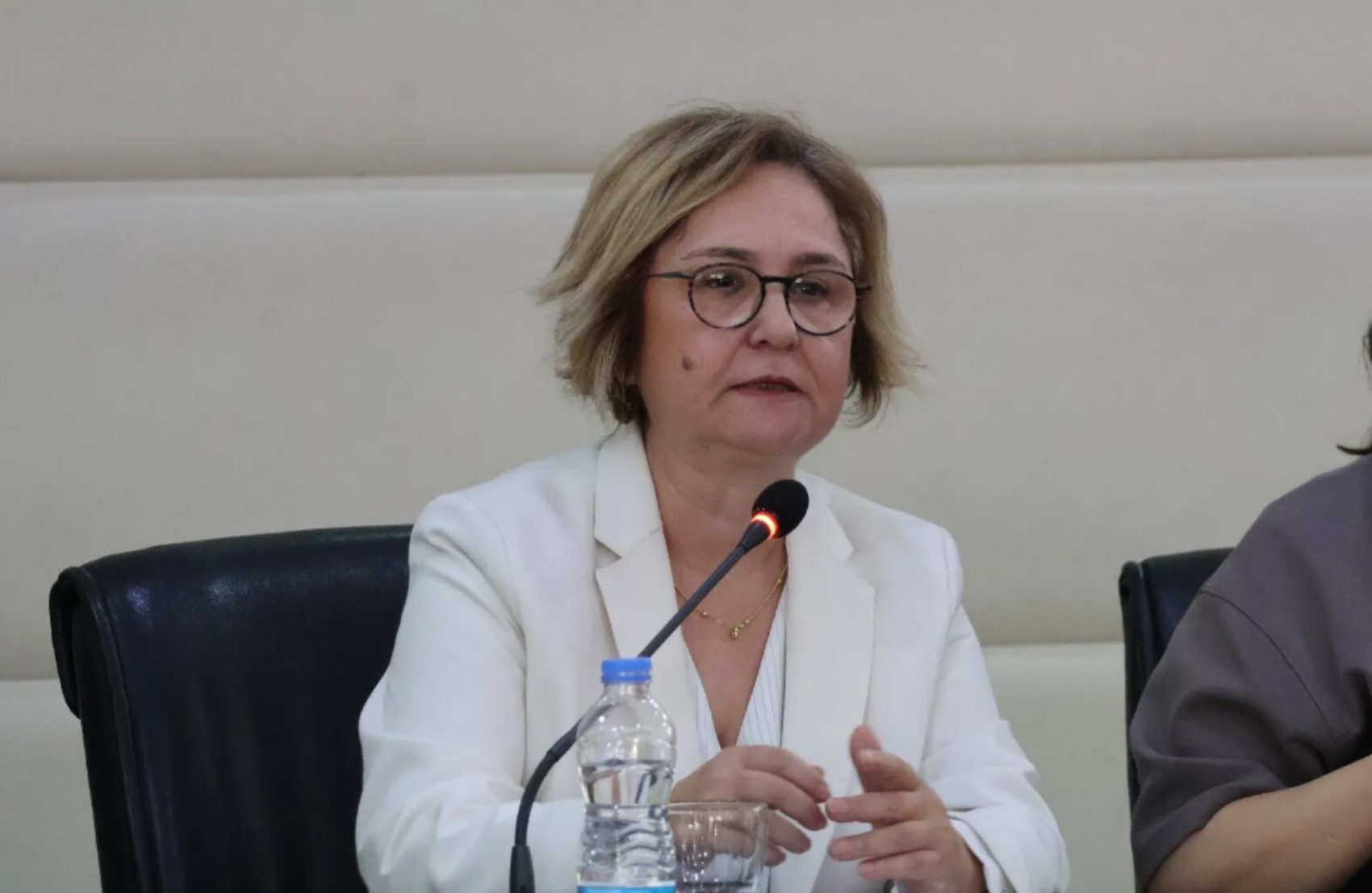
In her speech, touching upon the balance sheet of the disinformation law, also known as the "censorship law" in the public eye, Sayın said, "Nearly 4,500 arrests, detentions, and investigations have taken place citing this law."
Drawing attention to the possible dangers if the influence agent bill, which has been discussed since May, is approved, Sayın said, "There are many 'or' and 'either/or' expressions in the law. I am afraid when I see this in a law because it expands the scope too much. This law carries dangers for every area of life; when you come to the justification section, it covers everything because everything can be included within the concept of public security."
BOZKURT: TODAY, ONLY ERDOĞAN AND BAHÇELİ KNOW WHAT IS HAPPENING IN TURKEY
The other guest of the panel, Sedat Bozkurt, began his remarks by saying, "You never wake up one morning and ask 'what is medicine, what is engineering,' but journalism is reinterpreted every day because everyone has an interpretation of journalism." Stating that journalism is a universal profession, Bozkurt said, "The set of values in the media has been formed through various experiences. You are learning the technical part of this business in universities, but you will gain the real identity through your stance, and this is also very difficult. A concept called individual journalism has emerged; the sentences you see on the phone are information, not news. For that news to reach you, it must pass through the editorial desk because that information must be verified by passing through a template while reaching you."
Emphasizing the subtleties of lobby journalism, Bozkurt said, "If I had received inside information 6 months ago that 'Bahçeli will demand the release of Öcalan,' I would have laughed at this information and would not have used the news. It wouldn't have fit the template in my mind, but sometimes these templates can also be misleading."
Bozkurt said, "Today, only Erdoğan and Bahçeli know what is happening in Turkey. It wasn't like this in the past; we had access to news. The biggest disease of journalism today is the 'avoiding the news' mentality. In the past, you would read the same news in Cumhuriyet and Tercüman, but now there is almost no news in most of the newspapers. 1-2 pieces of information you get from social media make you feel like you are informed."
The event continued with professional training sessions.
Lawyer Gökhan Tekşen addressed the legal challenges journalists may face today in the session titled "Changing journalism and legal status." Experienced Journalist Ünsal Ünlü shared the subtleties of YouTube broadcasting with the participants in the session titled "Existing on YouTube."
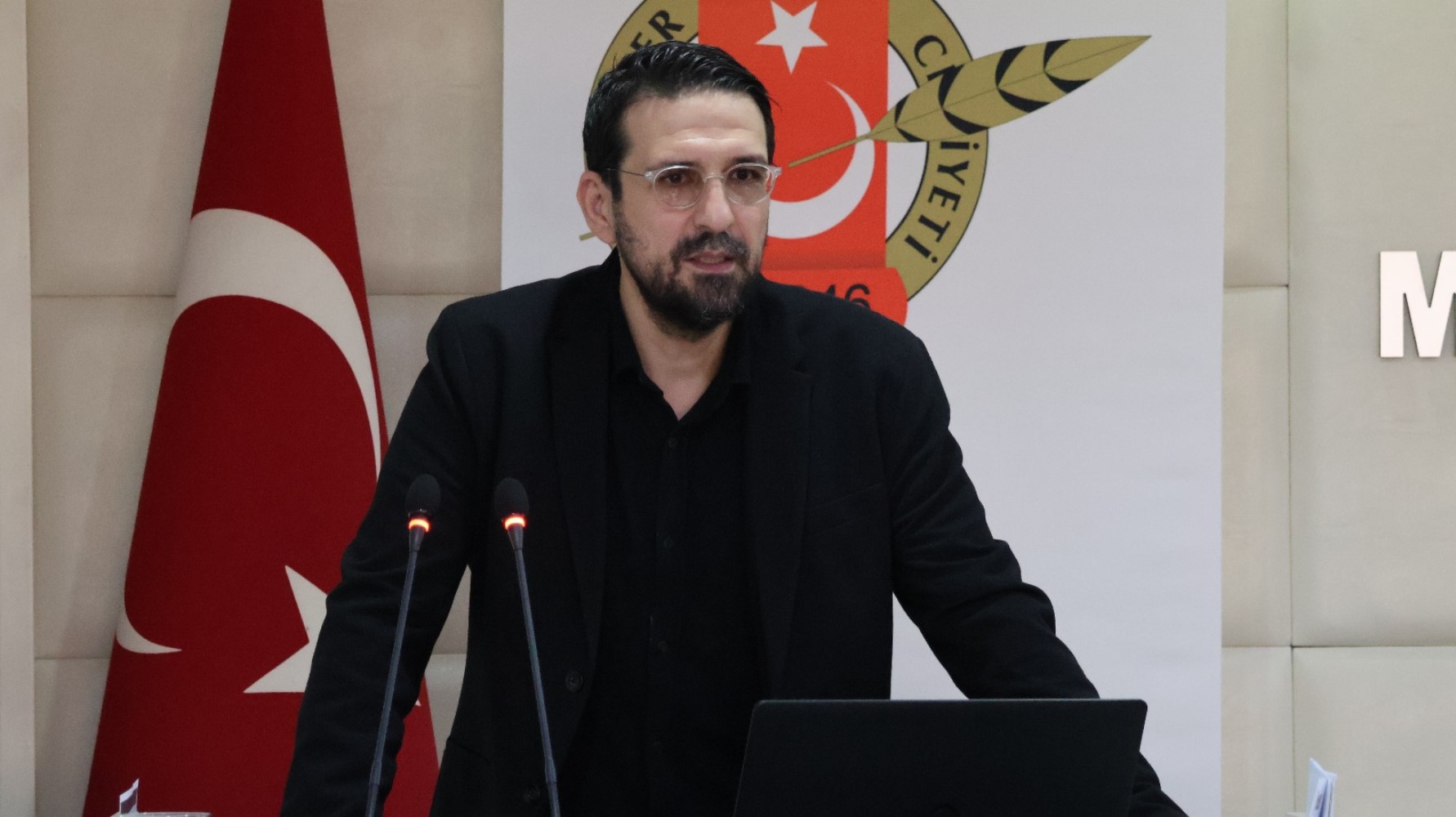
In the last training session of the day, titled "Reaching the reader in internet news: Strategies and revenue models," Journalist Mustafa Büyüksipahi shared his experiences. 12punto.com.tr Editor-in-Chief Mustafa Büyüksipahi began his presentation by emphasizing journalistic ethical values and explained the transformation process of internet media.
News Source: 12punto