The Financial Crimes Investigation Board (MASAK) of the Ministry of Treasury and Finance has prepared a "Guide on Suspicious Transaction Reporting for Combating Rented Accounts" to address risks arising from the use of financial accounts by third parties.
The guide aims to detect rented accounts used in crimes such as illegal betting, gambling, and fraud at an early stage, improve the quality of suspicious transaction reports, and prevent the financial system from being used for criminal activities.
According to MASAK's assessment, the use of an account by individuals other than the account holder can make the account holder part of a chain through which proceeds of crime are transferred. This scope is not limited to bank accounts; payment and electronic money accounts, commercial accounts, POS and virtual POS connections, and accounts held with crypto-asset service providers are also considered among the high-risk areas.
SHARING ACCOUNT INFORMATION MAY BE CONSIDERED A RISK
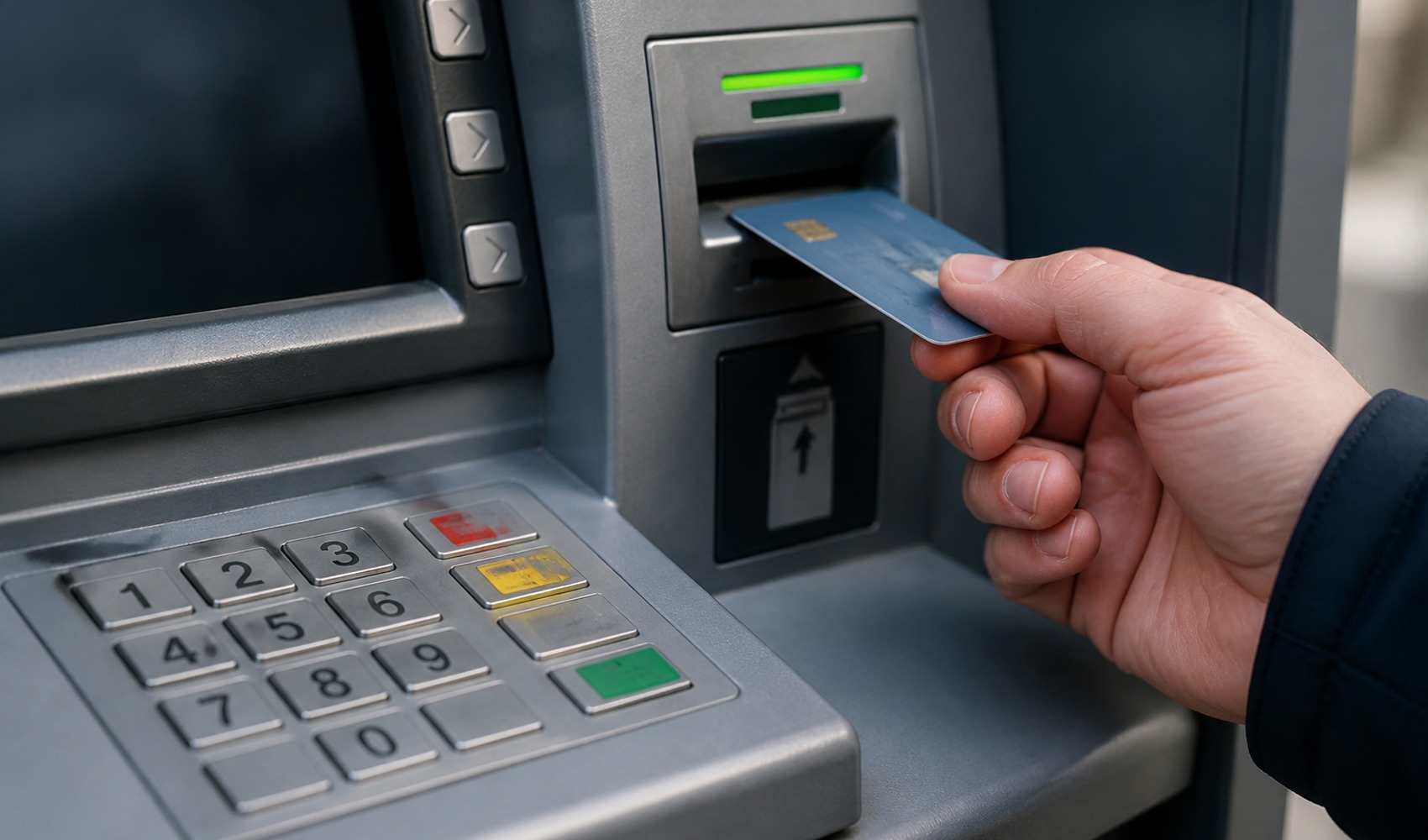
According to the guide, providing an account for use is not limited to just sharing IBAN information. Giving mobile banking passwords, bank cards and card PINs, or one-time verification codes to other people can also mean relinquishing control of the account to third parties.
Account procurement can take place via social media, messaging applications, or social circles. Requests such as "Let money come into your account, then you send it to me" or "I will use your card for a short time" are also noted as ways that can involve individuals in a rented account network.
For banks, payment and electronic money institutions, crypto-asset service providers, and other obligated entities, responsibilities such as monitoring customer activities, obtaining sufficient information about the purpose of a transaction, establishing contact with the customer, and applying additional controls when necessary are highlighted.
When indications arise that an account carries the characteristics of a rented account, obligated entities are required to first conduct an investigation to understand the nature of the suspicion. At this stage, it is important to evaluate the consistency between the customer's profession, income level, economic or commercial activity, and transaction volume.
If the use of a rented account is detected or demonstrated with strong evidence, disabling or restricting mobile and internet banking channels can be among the priority measures. Depending on the nature of the incident, suspending bank card, POS, and virtual POS services, lowering transaction limits, and not allocating new financial products may also be considered.
If the risk persists, the customer's explanations remain insufficient, or it is understood that the account is effectively managed by third parties, steps such as not executing the transaction and, if necessary, terminating the business relationship are also among the measures that can be evaluated.
The guide states that failure to comply with obligations may lead to judicial processes depending on the nature of the specific case. However, mere non-compliance with administrative obligations or the existence of objective risk indicators does not, by itself, create criminal liability.
News Source: 12punto