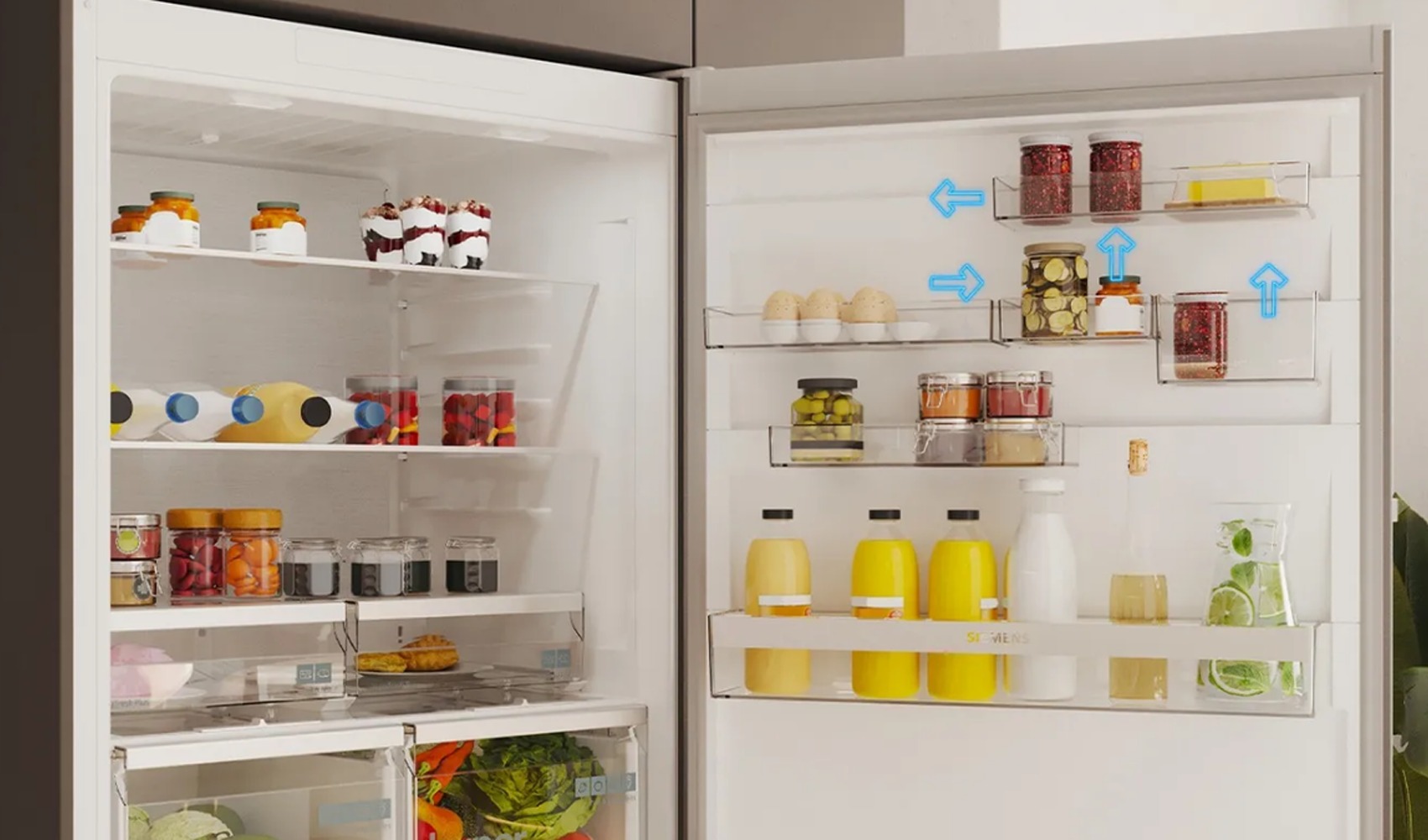
While cooling technologies in refrigerators are developing rapidly, interior layout design has undergone more limited change for many years. In particular, door shelves have remained areas in most models that are fixed at specific heights and cannot be easily rearranged according to the user's daily needs.
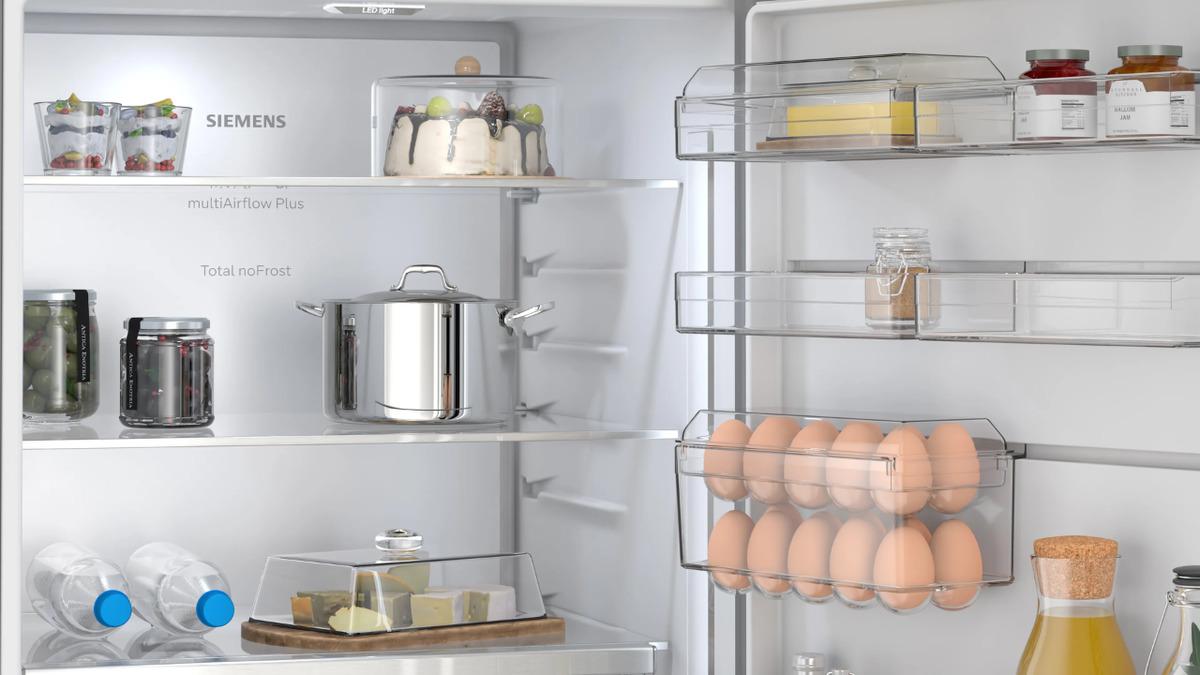
In new generation designs, this approach is changing. Instead of removing door shelves and attaching them to different slots, positioning them with rail or sliding mechanisms is coming to the fore. Thus, a more flexible usage area can be created for tall bottles, small jars, egg holders, or frequently used products.
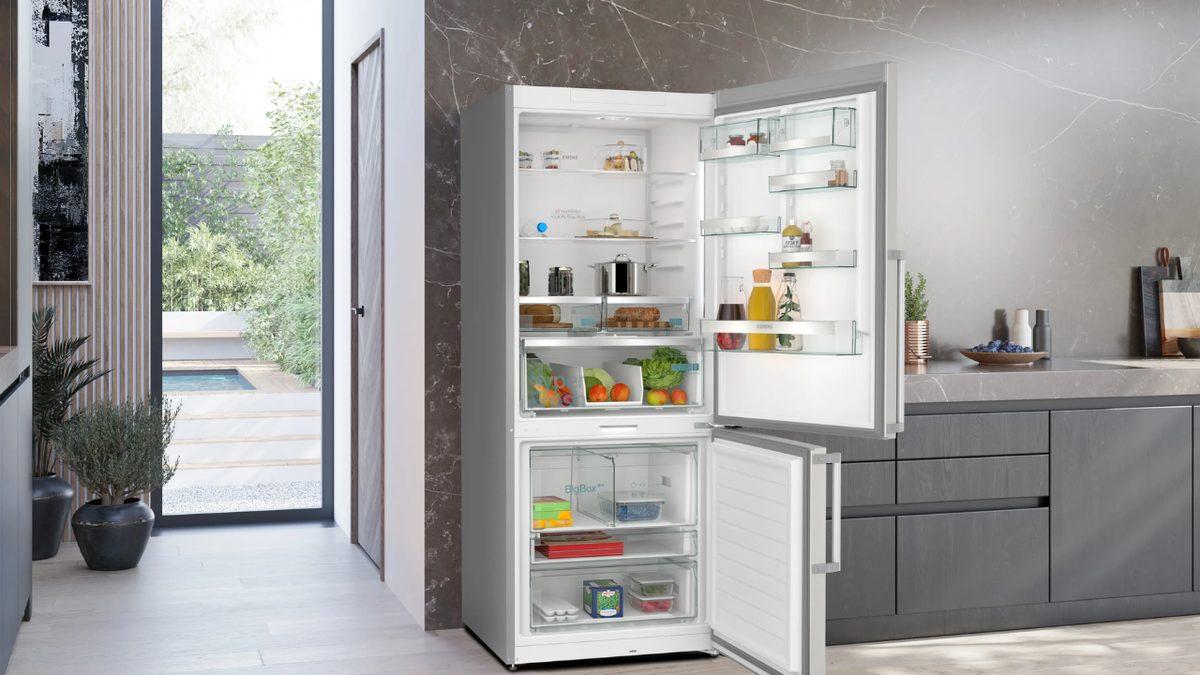
FLEXIBLE USE INSTEAD OF FIXED SHELVES
In a fixed shelf layout, even a difference of a few centimeters can make it difficult to use storage space efficiently. For large packaged products or tall bottles, it may be necessary to completely empty the shelf, remove it, and reattach it. Dynamic shelf systems aim to reduce this process and make the gaps inside the door more useful.
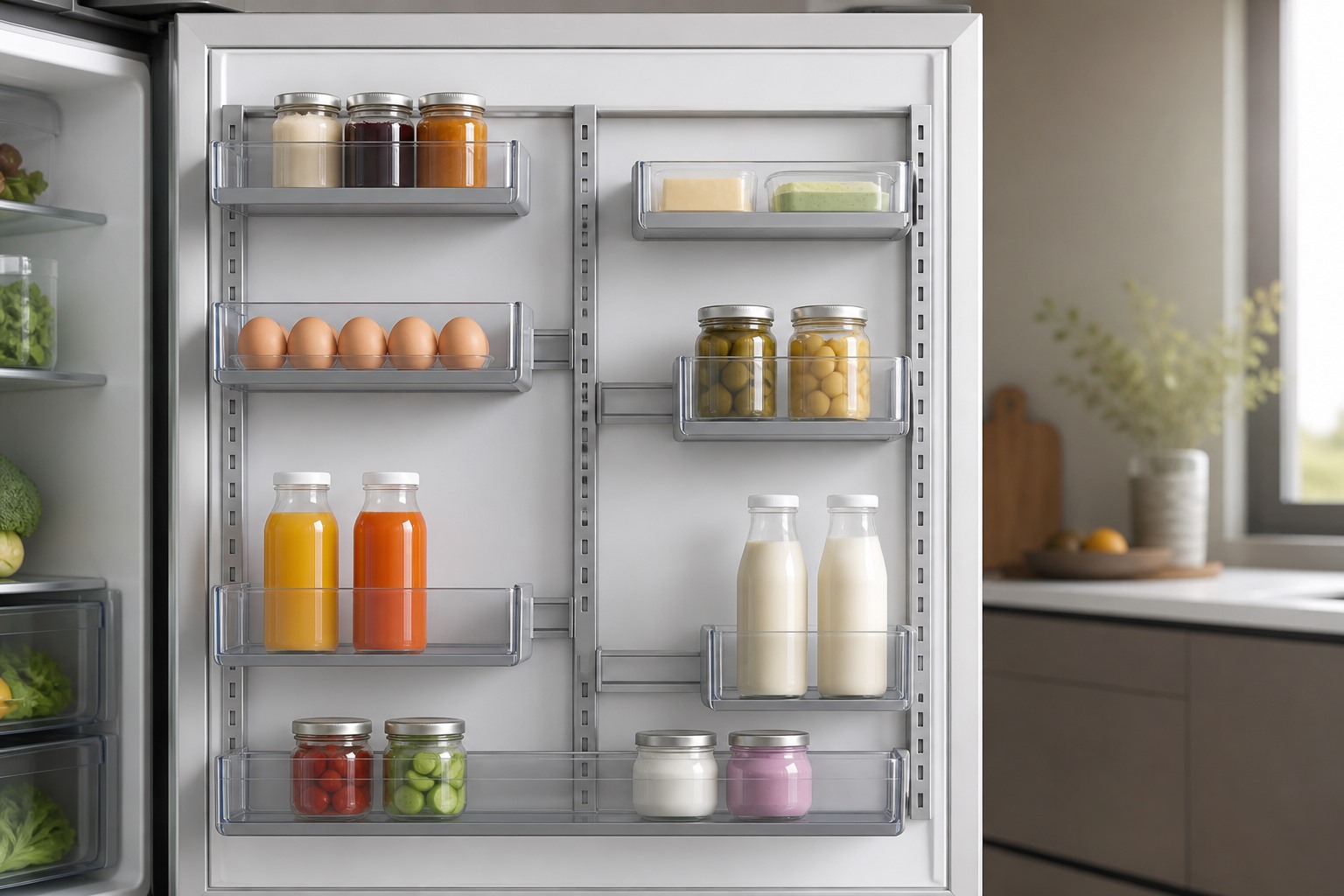
One of the examples in this field stands out as Siemens' flexDoor technology. The system allows the shelves inside the door to be slid to the right or left, moving beyond the standard and symmetrical layout approach. The user can create a new arrangement according to the existing products without completely removing the shelf.
Another advantage of flexible shelf design is seen in durability. In traditional systems, frequent removal and reattachment of shelves can increase the risk of wear or breakage at plastic connection points. Rail and movable mechanisms, on the other hand, ensure that this contact occurs in a more controlled manner, supporting the service life.
As a result, refrigerator doors are no longer designed as fixed areas where only bottles and small products are placed, but as modular storage sections that can be shaped according to the user's habits. This transformation aims to increase both space management and daily accessibility in the kitchen.
News Source: 12punto