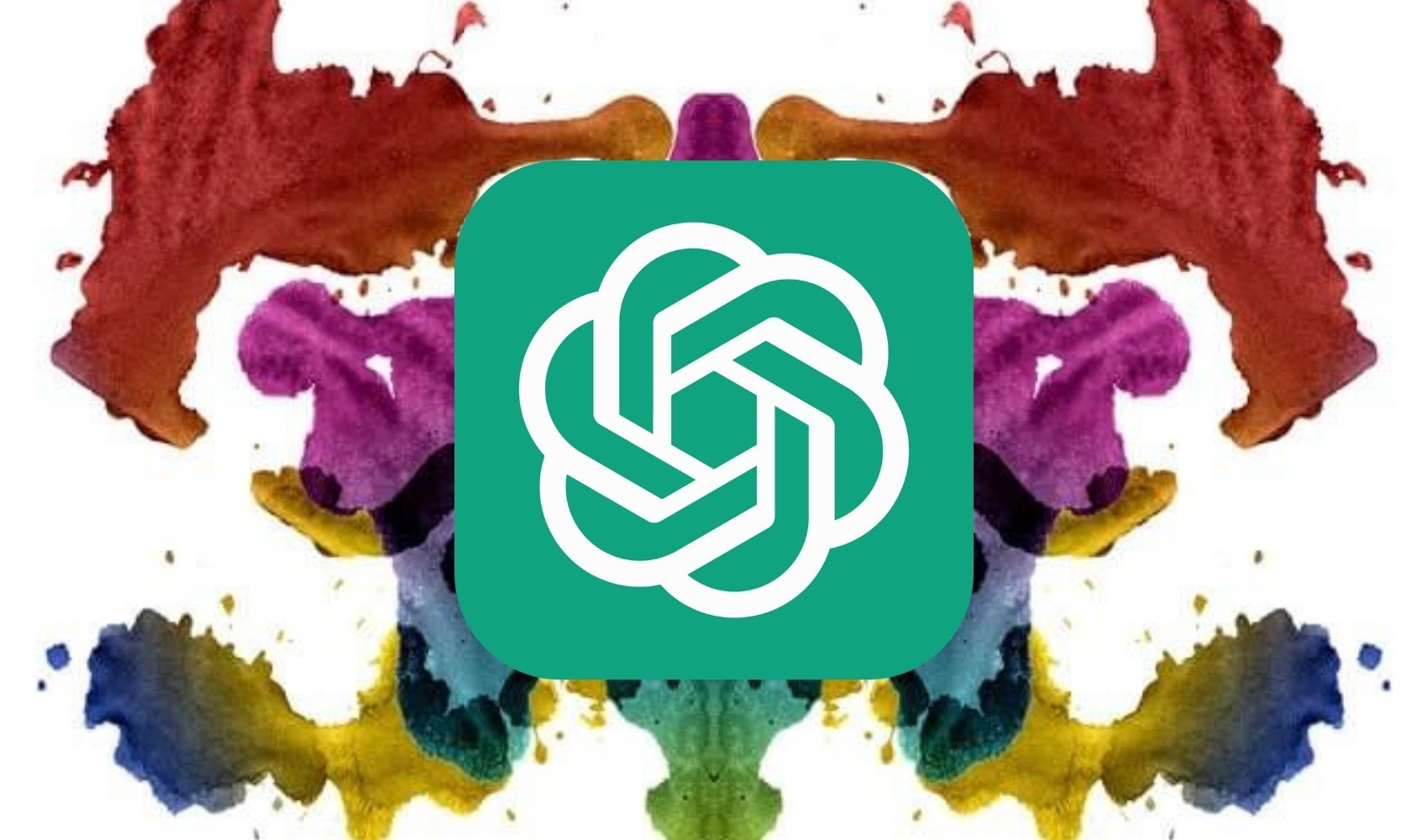
In recent years, artificial intelligence has become capable of mimicking human skills in many fields. However, could the situation be different when it comes to delving into the depths of the human mind and personality analysis? The Rorschach inkblot test, which has been used in psychology for many years, is seen as a tool for understanding the human subconscious. So, what happens when we apply this test to an artificial intelligence? Can AI interpret the shapes and meanings perceived by the human brain, or does it merely repeat the data it has learned? Here are the details of this interesting comparison between artificial intelligence and the human mind…
RORSCHACH TEST: PSYCHOLOGY'S MYSTERIOUS TOOL
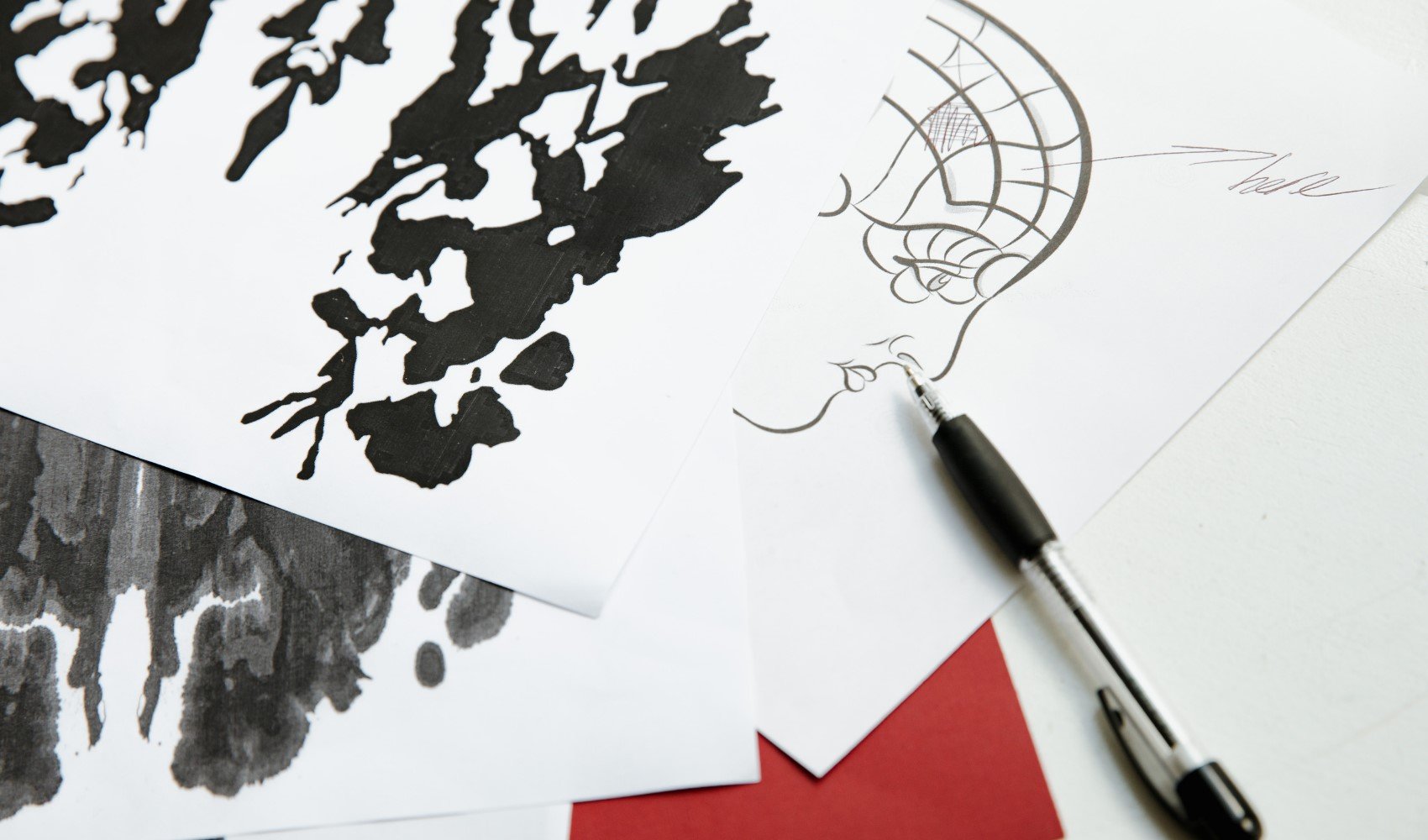
The Rorschach inkblot test, which has held a place in the world of psychology for over a century, has been an interesting tool used to examine the subconscious and personality structures of individuals. Developed in 1921 by Swiss psychiatrist Hermann Rorschach, the test asks subjects to explain what they see in a series of ambiguous inkblots. At the core of the test lies the human tendency to find meaning where there are no definitive interpretations.

HOW DOES ARTIFICIAL INTELLIGENCE REACT TO THE RORSCHACH TEST?
Advanced artificial intelligences like OpenAI’s ChatGPT model can now understand image-based inputs as well as text-based ones. This paves the way for Rorschach inkblots to be interpreted by artificial intelligence.
In an experiment conducted by BBC Future, five of the ten common images used in the Rorschach test were shown to ChatGPT. The AI's responses reflected the open-to-interpretation nature of the test. For example, upon seeing an inkblot, the AI made a comment such as, "This looks like two animals looking at each other or a single creature with its wings spread."
AI PERCEPTION: REAL OR IMITATION?
The fact that ChatGPT’s responses resemble human reactions shows that it is not truly "seeing," but rather reflecting the visual culture it has previously learned. London-based psychologist Barbara Santini explains the situation by saying, "If an AI's reaction resembles a human's reaction, it is not because it sees the same thing, but because its training data reflects our collective visual culture."
Furthermore, it was observed that ChatGPT gave different responses to the same image at different times. While humans provide consistent responses based on their past experiences, artificial intelligence can produce random outputs based on its training data. This shows that it is not truly thinking, but merely generating an answer based on data.
HOW DOES AI TRAINING AFFECT THE RESULTS?
The responses an AI gives to the Rorschach test are directly dependent on the dataset it was trained on. This was strikingly demonstrated with an AI named "Norman," developed at the Massachusetts Institute of Technology (MIT). Because Norman was trained on violent images, it stated that it saw "a man being electrocuted" in instances where other AIs interpreted the same inkblot images as a "bird" or a "flower."
News Source: 12punto