 1 / 7
1 / 7
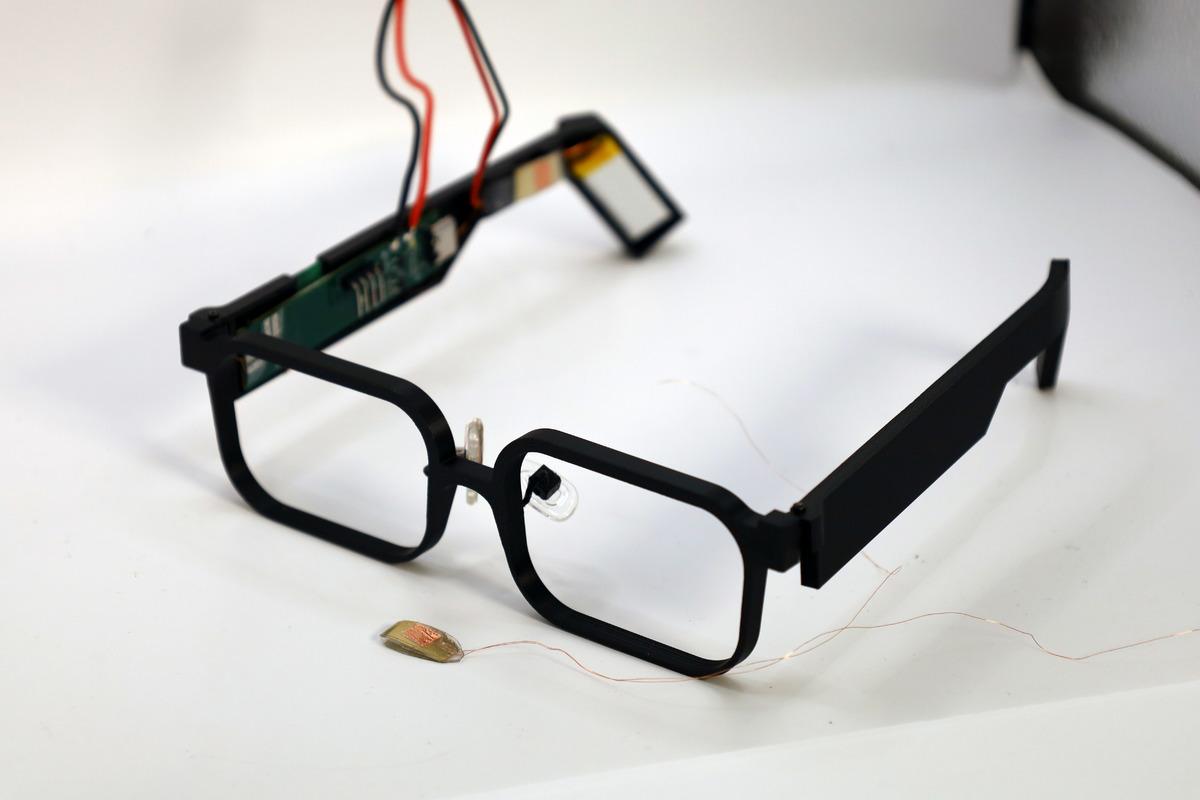
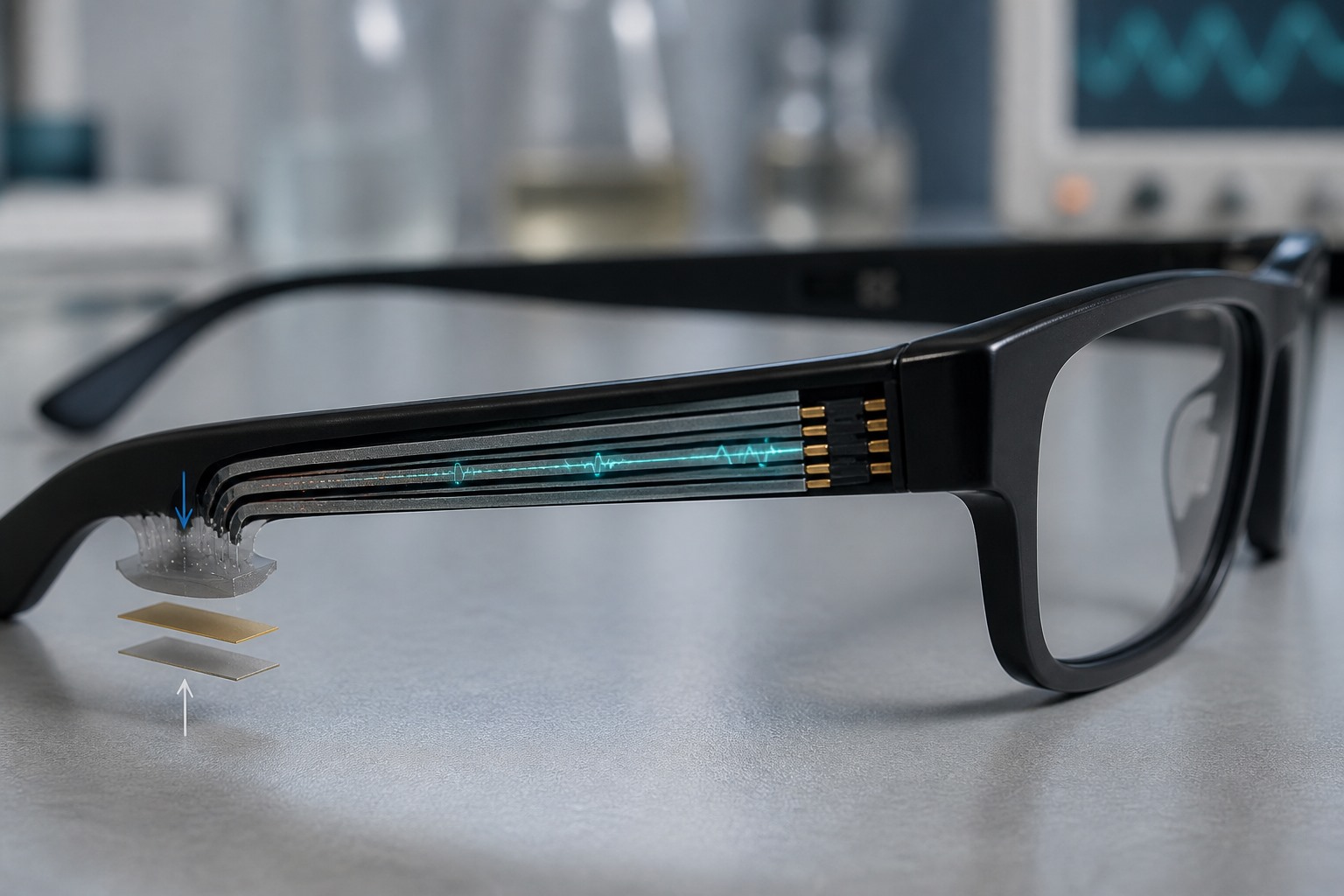
The operating principle of the glasses is based on the triboelectric effect. Electrical charges generated by the contact and separation of two different materials are converted into measurable signals during facial movements.
 2 / 7
2 / 7
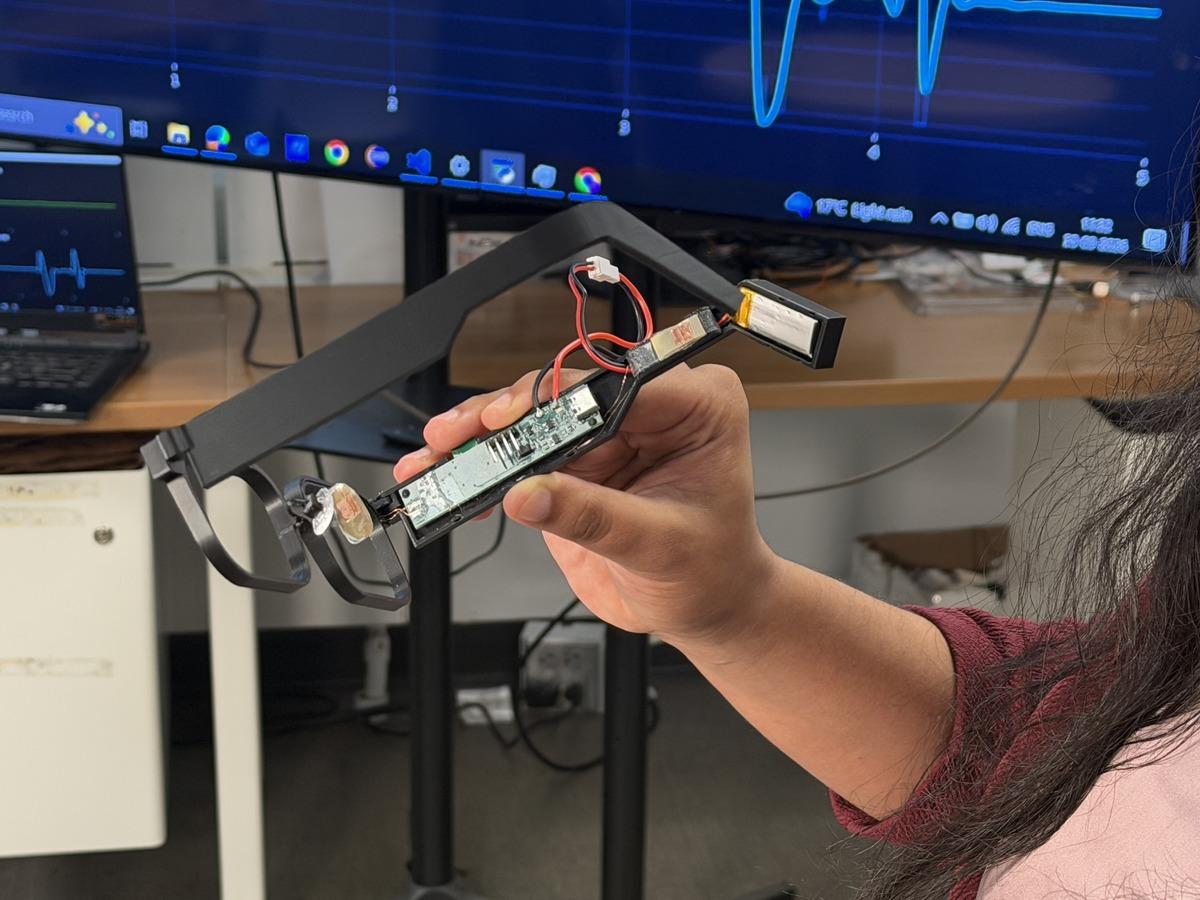
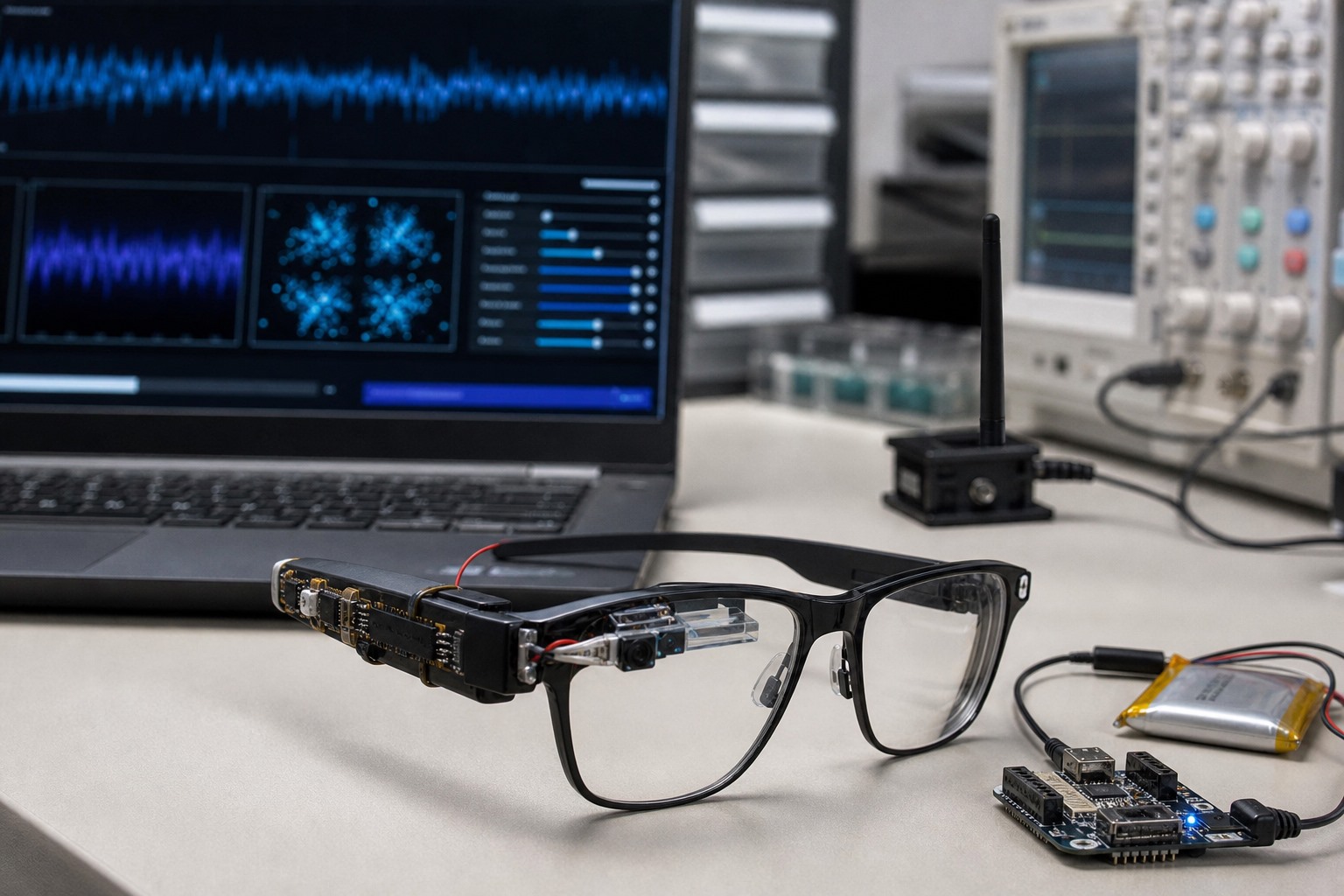
The study states that the total power consumption of the sensors is 4.1 microwatts. The collected data can be transferred to other devices via Bluetooth.
 3 / 7
3 / 7
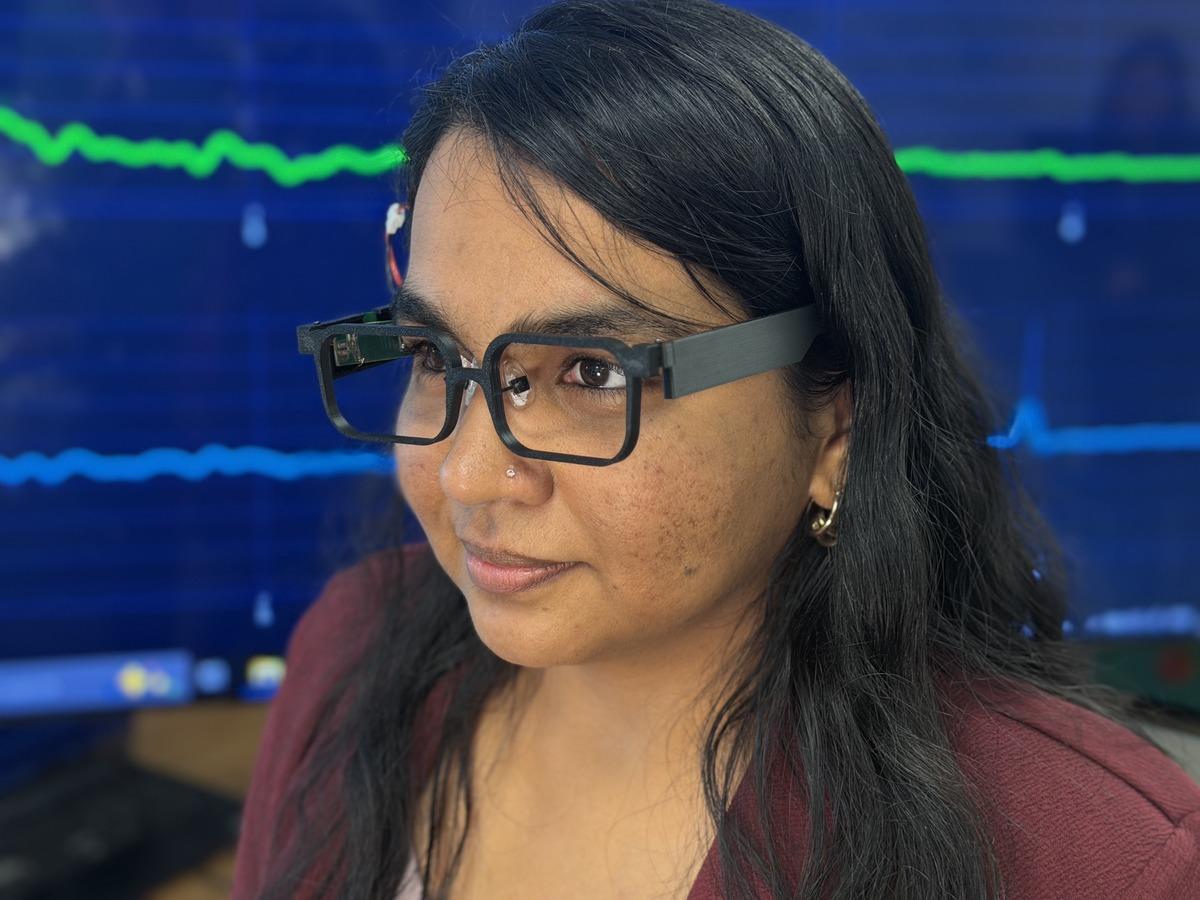
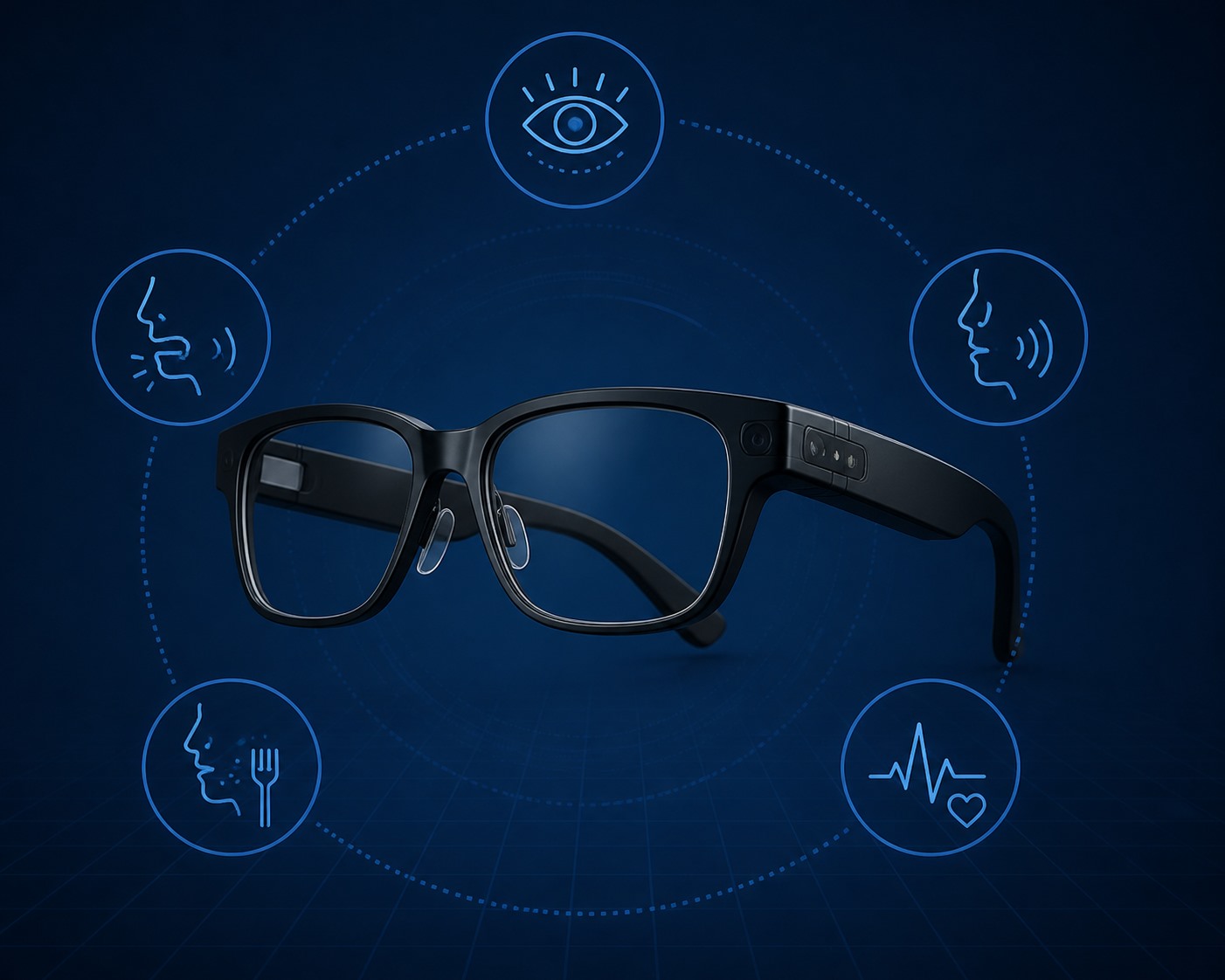
The system can also detect small vibrations caused by a pulse. This feature is being evaluated for future use cases such as tracking heart rate.
 4 / 7
4 / 7
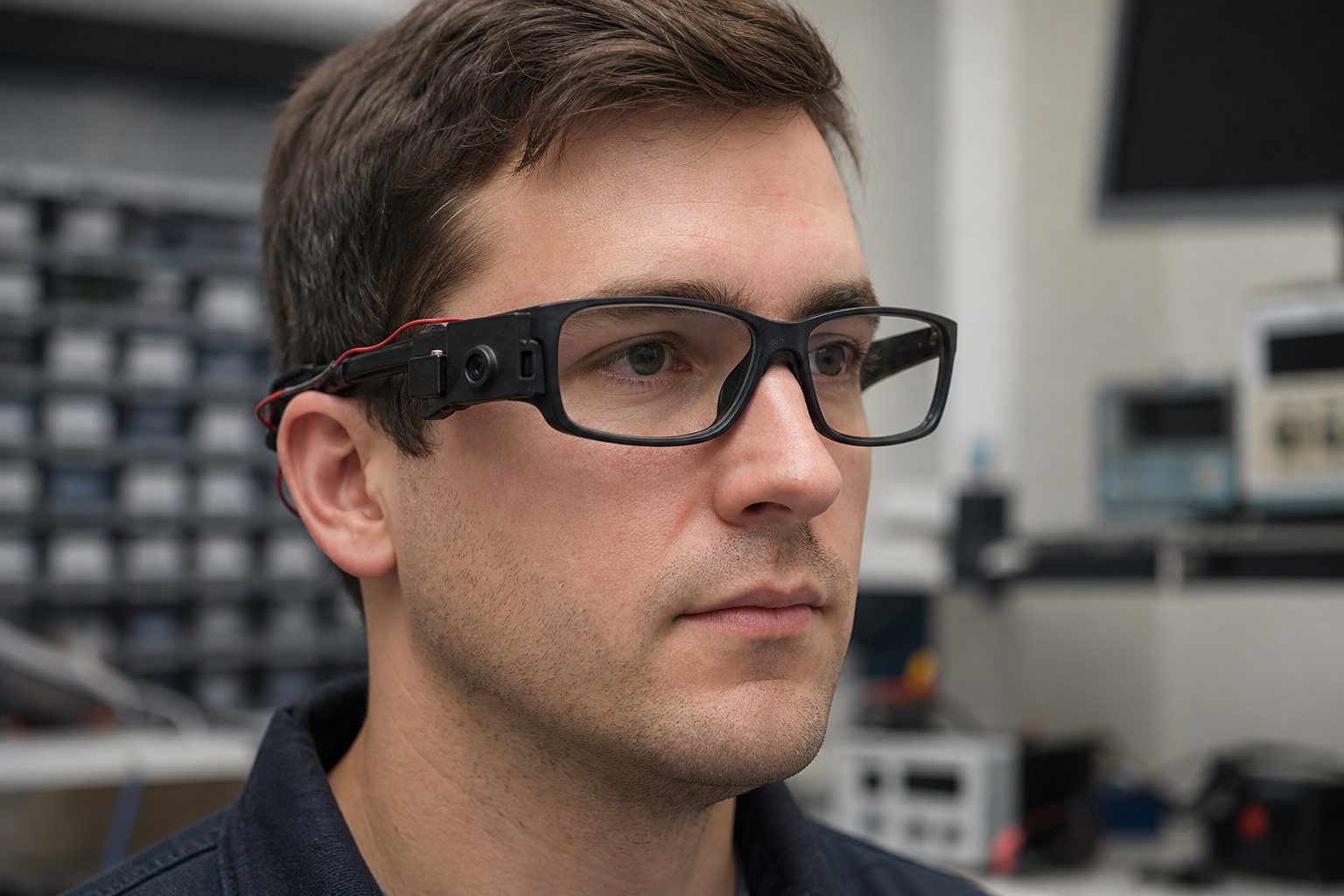
GlassTENG is not yet a commercial product ready for daily use. The prototype is an example in the research phase for wearable systems capable of generating energy from facial movements and recognizing those same movements.
 5 / 7
5 / 7
In the triboelectric approach, sensor layers make contact and separate with movement. This process allows for the acquisition of small electrical signals from ordinary facial movements such as blinking or jaw movement.
 6 / 7
6 / 7
The researchers' goal is to move closer to more integrated and completely battery-free wearable systems that can operate components such as energy harvesting and data transmission together.
 7 / 7
7 / 7
In tests conducted on 20 people, it was reported that the system distinguished six different facial movements with 93.8 percent accuracy. The accuracy rate was measured to be higher for teeth clenching and jaw clenching movements.
News Source : 12punto