According to a study published on August 8 in the peer-reviewed scientific journal Chemical Sense, cats are able to perceive "umami," one of the 5 basic tastes.
Umami is known as a pleasant taste that cannot be classified as bitter, sour, sweet, or salty, but lingers in the mouth for a long time.
According to the research reported by Independent Türkçe, unlike humans, cats' umami receptors can detect certain molecules found in tuna.
THEIR PICKY EATING IS A NECESSITY, NOT A WHIM
Cats, which cannot properly digest plants, must consume meat to survive.
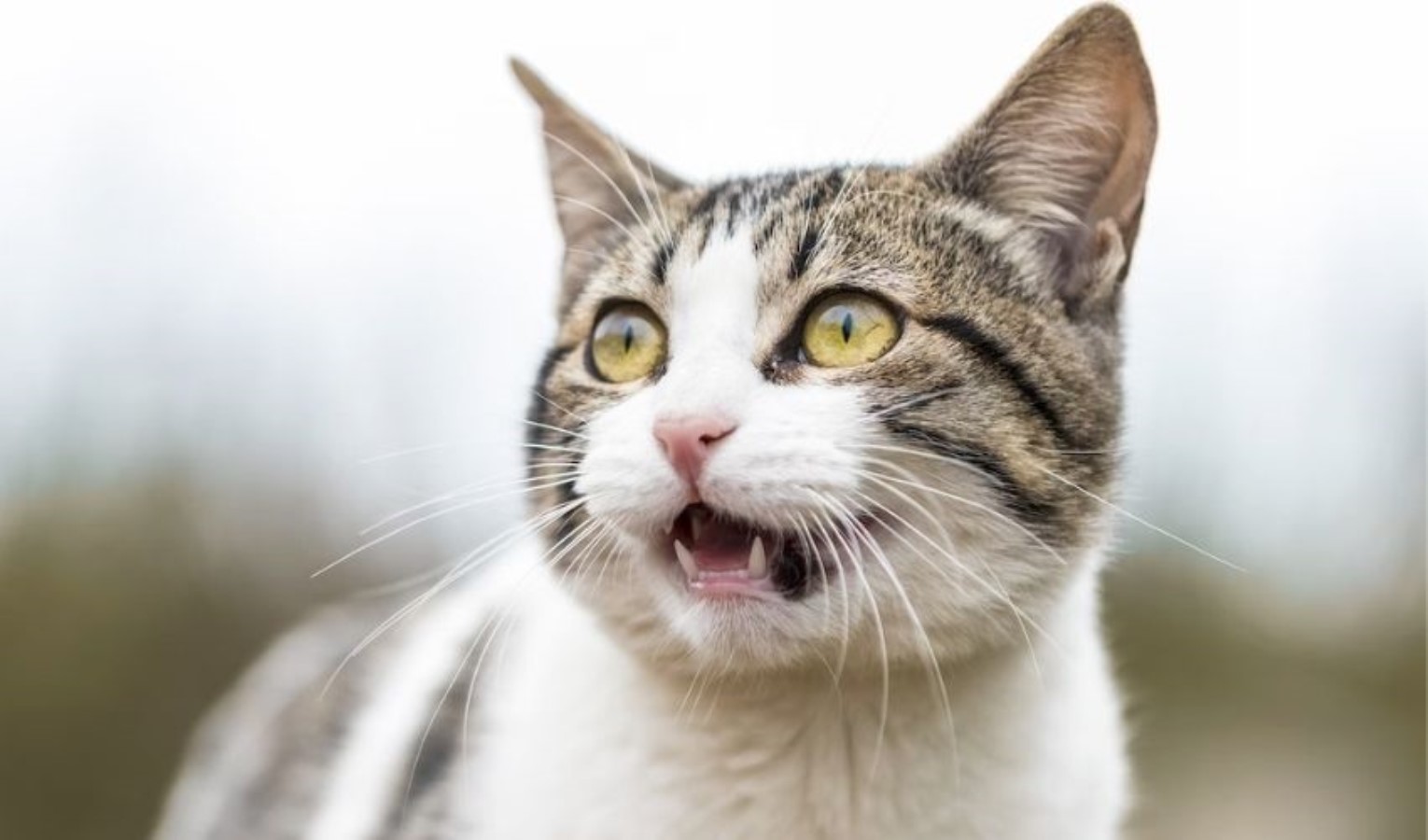
It is also known that cats do not like sweet tastes. This is because cats possess a damaged version of the Tas1r2 gene, which enables the perception of sweet tastes. Consequently, Tas1r2 cannot produce the proteins necessary for cats to taste sweet things.
Two genes are required to perceive the umami taste: Tas1r1 and Tas1r3.
Humans possess both of these genes.
In studies conducted to date, only the Tas1r3 gene had been identified in cats. However, the latest study revealed that cats also possess the Tas1r1 gene.
Even though similarities are observed in the genes that enable taste perception in cats and humans, scientists discovered a significant difference in how these receptors function.
Amino acids and nucleotides work together to respond. In humans, nucleotides come into play after amino acids bind to the receptors.
However, according to the research, in cats, nucleotides activate the sense of taste first, followed by amino acids.
Lead author of the study, Scott McGrane, stated, "This is the exact opposite of what we see in humans."
WHERE THERE IS TUNA, THERE ARE CATS
Scientists placed bowls with two different options in front of 25 cats. One of the bowls contained water with amino acids and nucleotides at different concentration levels, while the other contained only water.
As expected, the cats preferred the bowls where they could perceive the umami taste. However, McGrane also pointed out that the cats' preferences were not solely directed toward the umami taste.
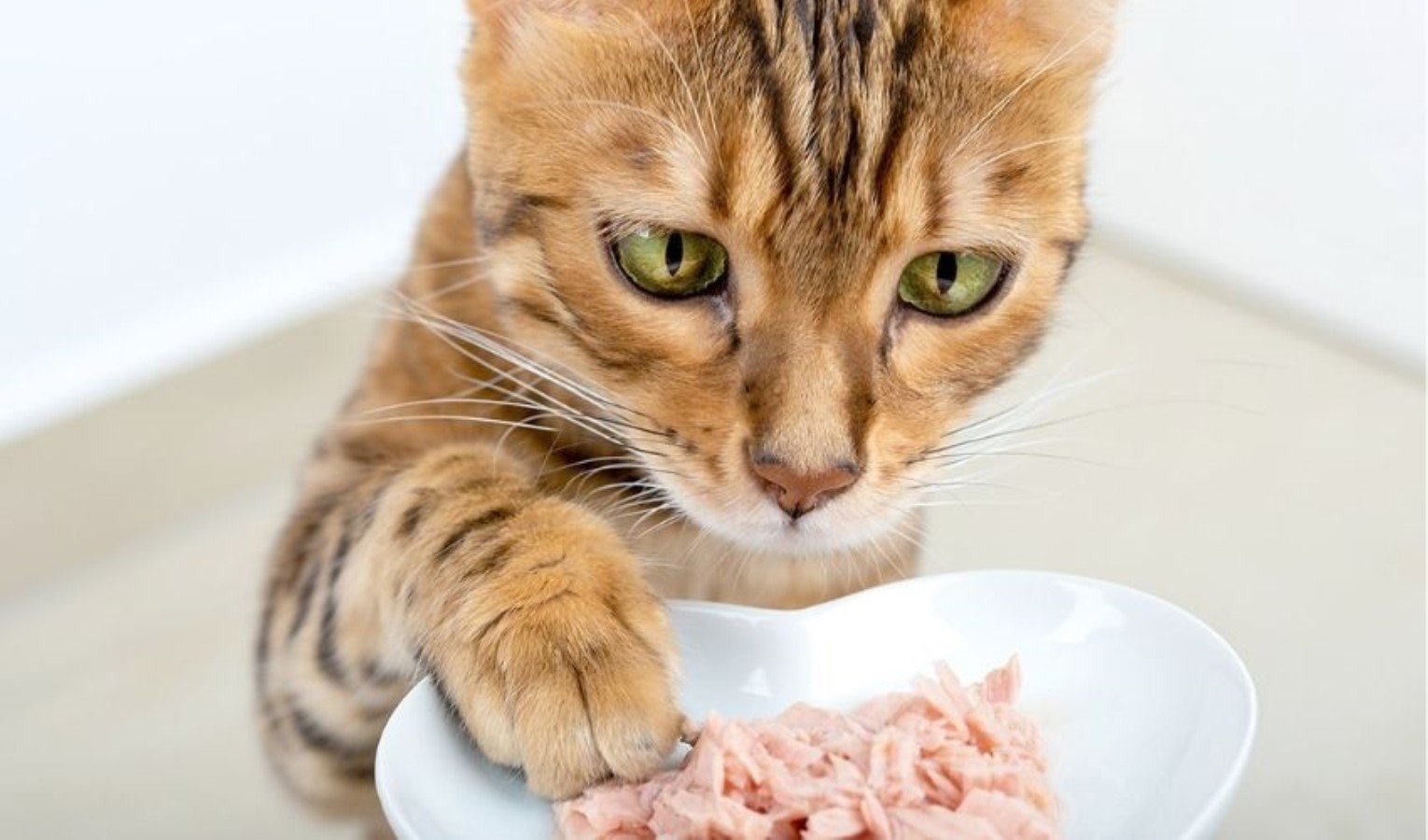
According to the experiment, the cats gravitated toward bowls containing histidine and inosine monophosphate molecules, which are specifically abundant in tuna.
The researchers suggested that the reason cats, whose lineage traces back to arid regions, are so fond of tuna might stem from the combination of histidine and inosine monophosphate that produces the umami taste.
News Source: 12punto