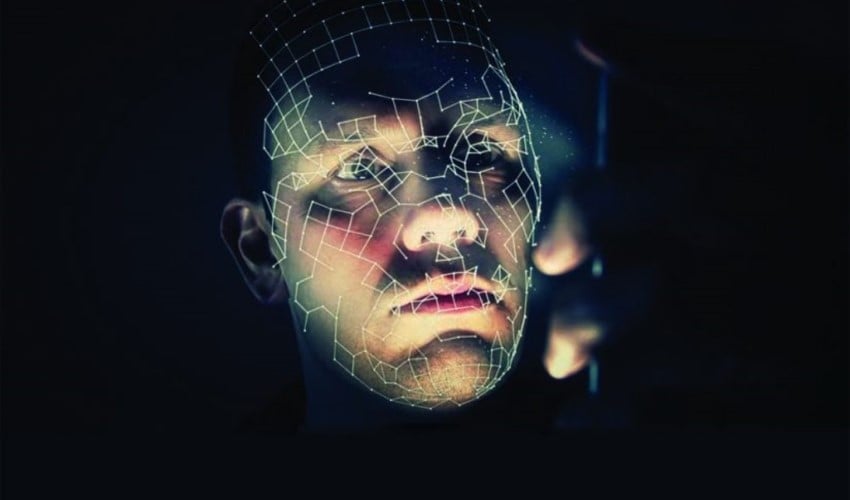
Deepfake technology is used to create fake videos or images to defraud individuals or organizations.
For example, cybercriminals could create a fake video of a CEO requesting a bank transfer or approving a payment, and this video could be used to steal company funds.
Videos or images can also be created to extract money or information from individuals. Cybercriminals can also use deepfakes to spread misinformation or manipulate public opinion.
According to the Kaspersky Business Digitization survey, 39% of employees in Turkey believe their companies could lose money due to deepfakes.
Kaspersky has recommended the following to protect against threats related to deepfakes:
- Check the cybersecurity practices in your organization. Include not only software forms but also advanced IT skills.
- Strengthen your corporate "human firewall." Ensure that employees understand what deepfakes are, how they work, and the challenges they can pose. Organize continuous awareness and training programs to teach employees how to detect a deepfake. The Kaspersky Automated Security Awareness Platform helps employees stay up to date on the latest threats and increases their digital literacy levels.
- Refer to reliable news sources. Information literacy is the most important element in preventing the spread of deepfakes.
- Adopt protocols such as 'trust but verify.'
- Approaching voice messages and videos with skepticism does not guarantee that people will never be deceived, but it can help avoid most common traps.
- Be aware of the key features of deepfake videos to look out for in order to avoid becoming a victim of such an attack.
- Jerky movements, lighting shifts when moving from one frame to another, changes in skin tone, strange blinking or a lack of blinking, lips not being synchronized with speech, digital artifacts in the image, and the video being intentionally encoded in low quality or having poor lighting can be signs of a deepfake.
News Source: 12punto