

The idea that every fingerprint is unique has been debunked
A newly published article has put forward a groundbreaking claim: No, not all fingerprints are unique.



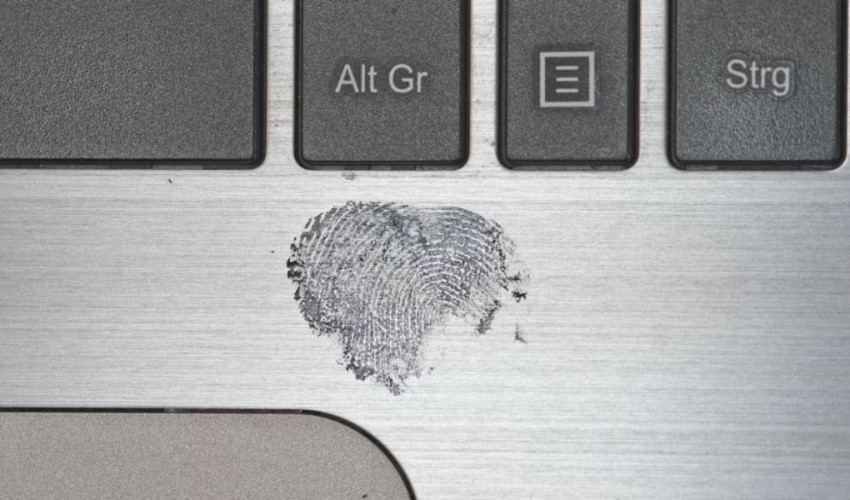
When Gabe Guo, who was preparing to study at Columbia, one of the leading universities in the US, heard one of his professors ask, "Do you really think every single fingerprint is unique?" he did not know that he would spend the next three years trying to answer that question.
Guo is now a student in the Computer Science department. However, he has conducted research by leading a team alongside Wenyao Xu, a faculty member at the University at Buffalo.
THE FACT THAT NO TWO FINGERPRINTS ARE ALIKE WAS A 'WELL-KNOWN' TRUTH
As Independent Türkçe reported this week on the article published in the scientific journal Science Advances, a groundbreaking claim was put forward: No, not all fingerprints are unique. Guo, who had no experience in forensic science before his research, explains that he received reactions, particularly from this community, and that many journals rejected them:
When they saw the first versions of our article, they said that it was a well-known fact that no two fingerprints are alike. I think this really helped our research develop because as we added more data, the evidence became undeniable.
The team uploaded 60,000 fingerprints from the US government's database into an artificial intelligence model.
It was revealed that the prints of different fingers of the same person show strong similarities and that the rate of finding that two fingerprints belong to the same person reached 77 percent.
Guo states that they determined the swirls and angles in the center of the fingerprint made the artificial intelligence's job easier.
The authors of the study also added that larger datasets need to be examined for results accurate enough to be used in forensic medicine.
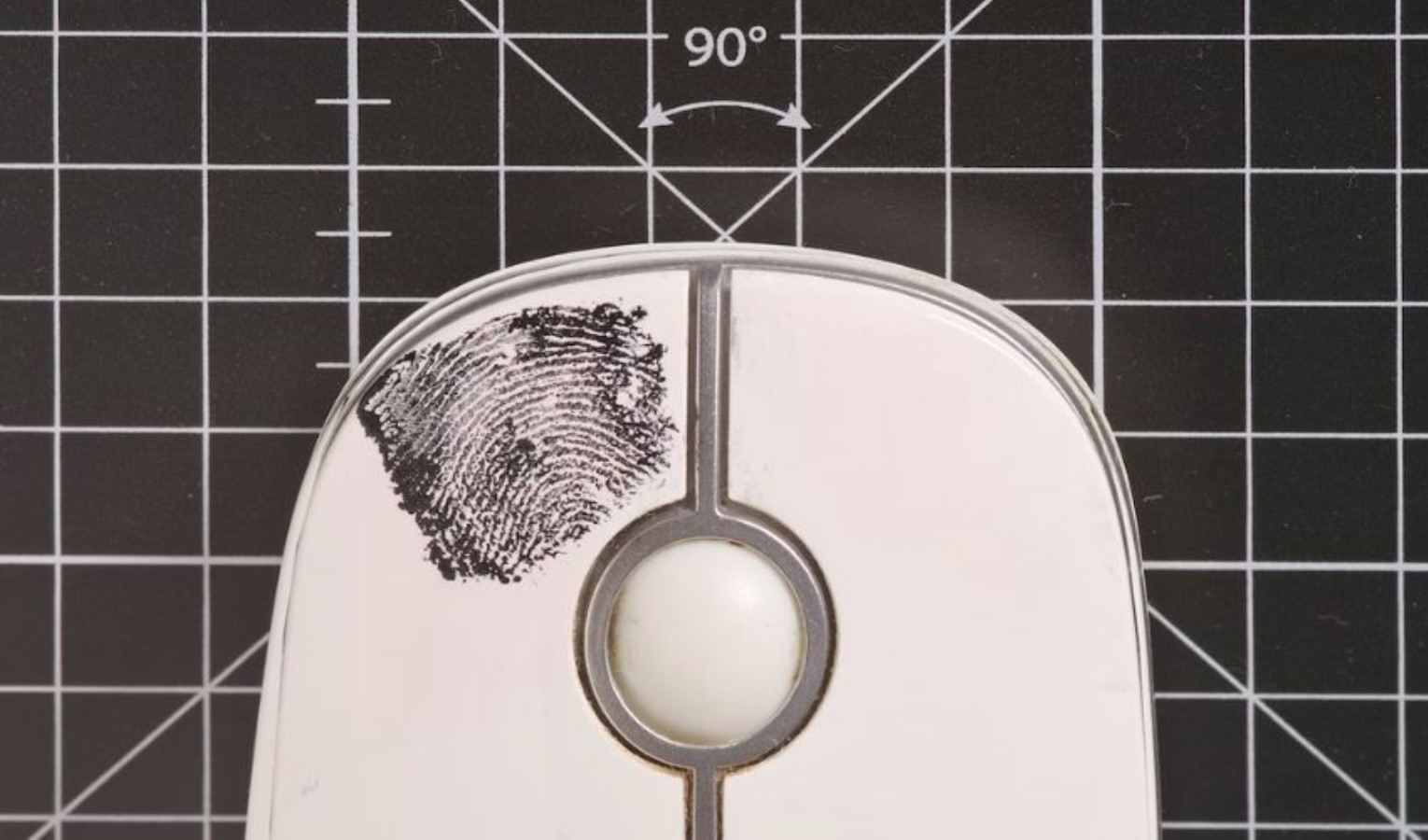
Guo argues that cold cases could thus be reopened and perpetrators identified:
New leads could be provided for closed cases by matching fingerprints in files with prints left at crime scenes. On the other hand, it could also help innocent people who are investigated unnecessarily. In my opinion, this is a gain for society.
On the other hand, Christophe Champod, who teaches in the forensic science department at the University of Lausanne, argued that Guo and his team were simply marketing things that were already known.
Guo responds to the claim of the expert looking at the research from the outside as follows:
We are the first people to clearly demonstrate that the similarity is related to the ridges in the center of the fingerprint. We are also the first to attempt to match prints from different fingers belonging to the same person, at least we achieved this with an automated system.
News Source: 12punto
Related News



Most Read

Galatasaray announces injury updates for Osimhen, Lemina, and Singo

Attention online sellers: Tax monitoring expanded
VAR for the Fenerbahçe-Beşiktaş derby has been announced!

Bridges and highways are being privatized: 15 July and FSM are also on the list

Peugeot September 2026 price list is out

New details emerge in 'panel' operation targeting lawyers

Gökçek era detail in ABB investigation

First statement from Osimhen after injury in Başakşehir match
Özlem Şanver: 'He said he would change, I believed him; should I be beaten just because I didn't leave?'

The Süper Lig's new team becomes the transfer champion