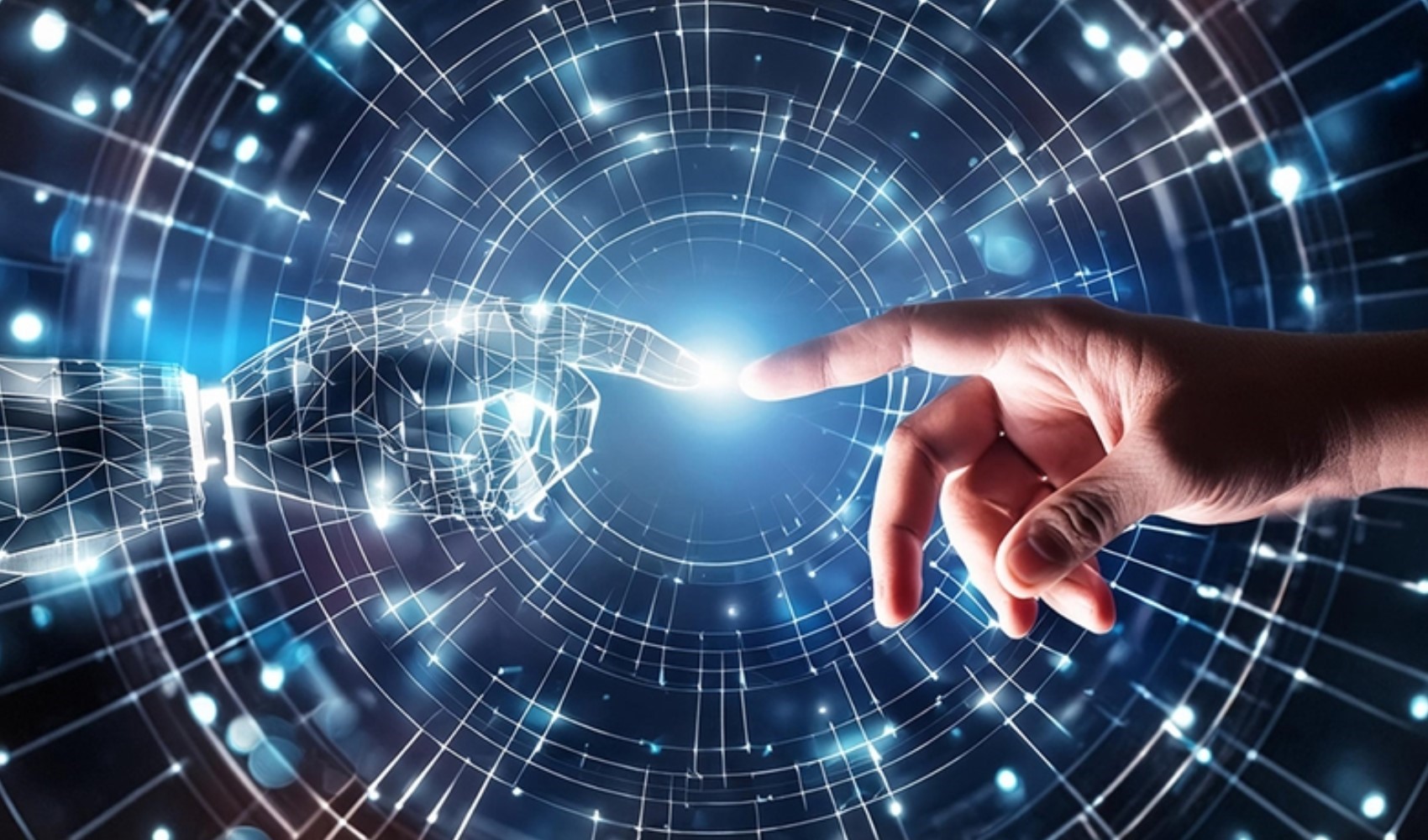
International Labour Organization (ILO) Turkey Director Yasser Hassan stated that artificial intelligence is accelerating the transformation process in the business world, pointing out that some professions may disappear entirely in the future, while others will transform and take on new forms.
Hassan said, “Artificial intelligence will not completely eliminate jobs, but it will transform them. This process is a situation that must be managed carefully by employers, employees, and policymakers.”
According to Hassan, the effects of artificial intelligence on the workforce are not a new phenomenon. Emphasizing that technological developments have shaped the business world throughout history, Hassan stated, “Technology and digitalization have been causing changes in business life for years. Artificial intelligence is the newest stage of this process.”
WHICH SECTORS WILL BE MOST AFFECTED?
Referring to the research conducted by the ILO on this subject, Hassan listed the sectors that will be most affected by artificial intelligence:
Healthcare sector: One of the areas most affected by artificial intelligence will be the healthcare sector. Automation and AI-supported systems will transform many processes such as diagnosis, patient monitoring, and data analysis.
Administrative tasks: A large portion of routine and repetitive tasks will become manageable through artificial intelligence and automation systems.
Retail sector: With the development of online shopping platforms, AI-supported systems may replace human labor in areas such as customer service, inventory management, and sales forecasting.
Banking sector: Artificial intelligence has begun to be used extensively in areas such as credit evaluation, financial analysis, and customer service. This change will accelerate even further in the future.
Manufacturing sector: In industrial production, AI-supported robots and automation systems will significantly change production processes.
MOST CHILDREN WILL WORK IN JOBS THAT DO NOT YET EXIST
Stating that the changes in the business world will have a significant impact on future generations, Hassan said, “65 percent of children starting primary school will work in jobs that do not currently exist.”
For this reason, emphasizing that the skills needed in the labor market will change, Hassan stated that more importance should be given to skill acquisition. “It is not enough to just provide new skills; we also need to ensure the sustainability of these skills,” he said.
HYBRID WORKING MODEL AND THE HUMAN FACTOR
Stating that a hybrid working model will become widespread in the business world in the future, Hassan said, “By 2030, many jobs will have digital and artificial intelligence components. However, this will not eliminate the need for human skills.”
According to Hassan, although digital skills and artificial intelligence competencies are becoming important in the labor market, human skills such as critical thinking, creativity, leadership, and problem-solving will be more valuable than ever.
News Source: 12punto