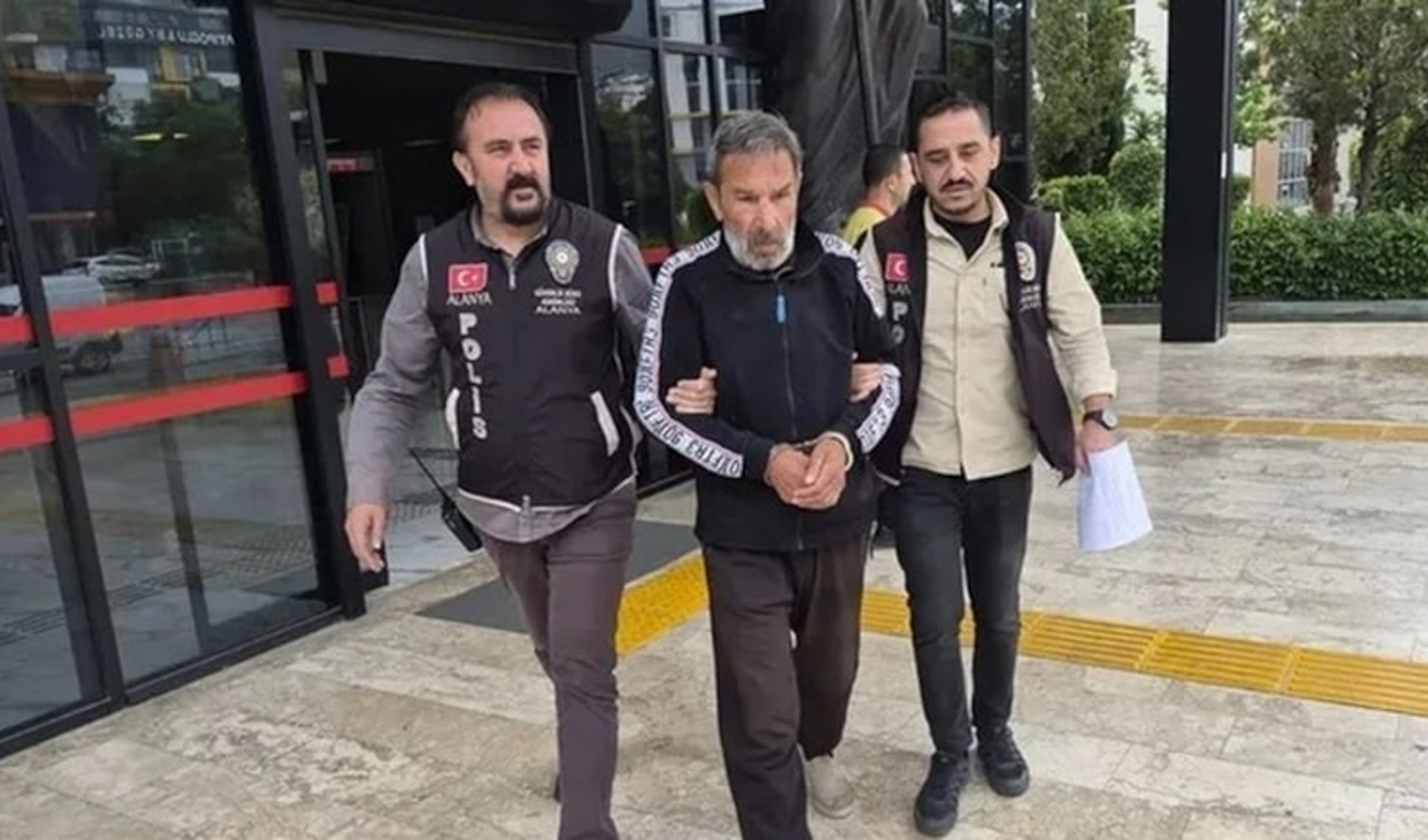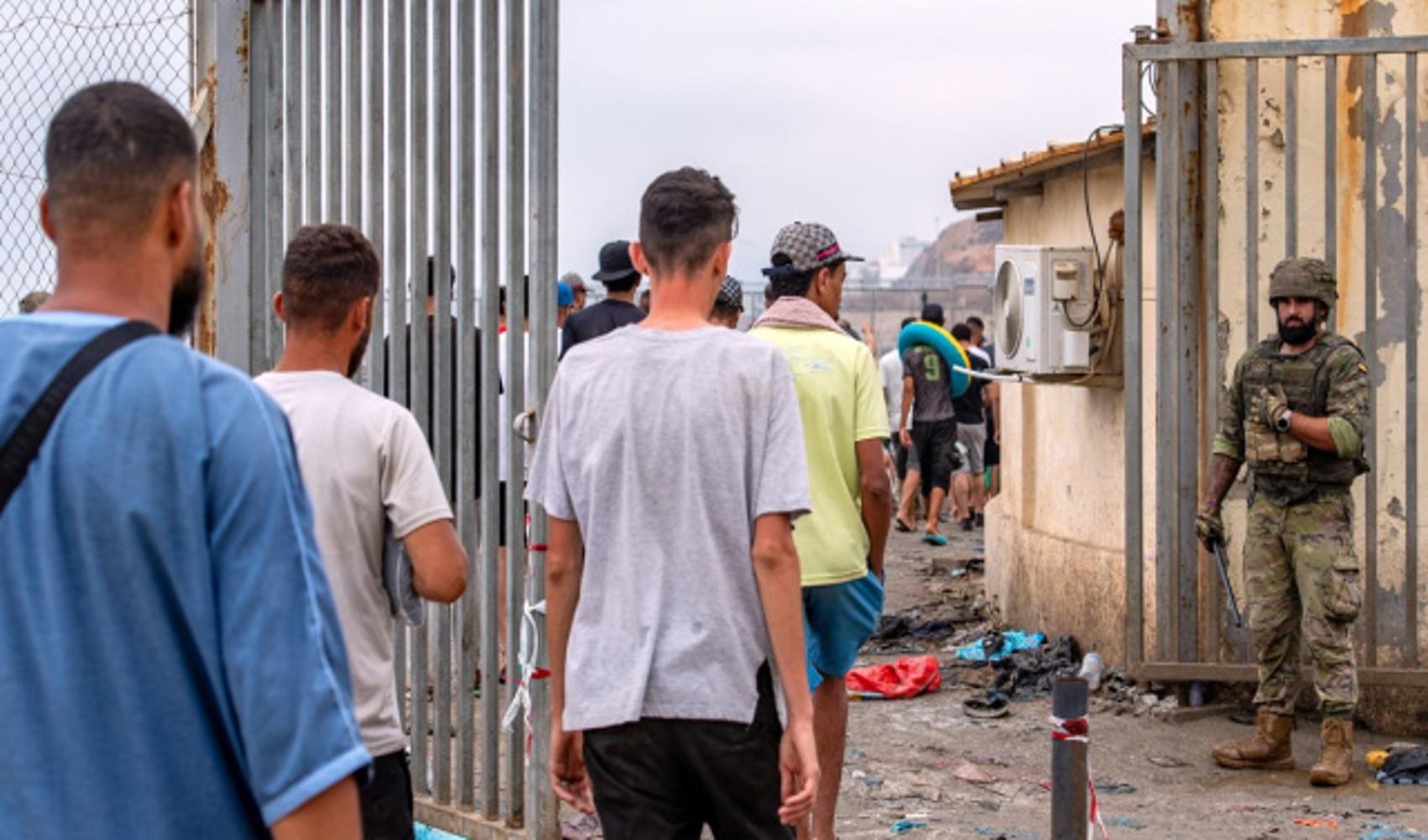
Following the summer holidays, the topic of migration has returned to the top of the European Union's agenda. The mass crossing that occurred on July 30 in Ceuta, Spain's territory in North Africa, has opened up debate on both free movement within the Schengen area and the solidarity mechanism of the new migration rules.
The entry of more than 70 thousand irregular migrants into Ceuta in a single day was assessed as a level of mobility exceeding the total number of irregular entries recorded at other European borders in 2026. While the crisis has fueled internal political debates in Spain, it has also raised alarms in other EU countries regarding border security and secondary movements.

A NEW WAVE OF CONTROLS IN SCHENGEN
The first impact of the crisis was seen on the Schengen system, which allows travel without border controls within the EU. Following the developments in Ceuta, Italy reinstated controls at its air and sea borders with Spain. Spain took a reciprocal step and implemented border controls for Italy. At the end of the month, the two countries decided to extend this practice for another 15 days.
Some countries, such as Denmark and Finland, have called for Spain to be temporarily suspended from Schengen. In an extraordinary online meeting held at the beginning of August, EU interior ministers discussed the future of free movement and measures that could be taken against the secondary movements of migrants.
EU rules allow member states to unilaterally reintroduce temporary controls at internal borders for security reasons. These controls can last up to six months and can be extended for up to two years under certain conditions. Currently, Germany, Spain, Italy, Denmark, Austria, the Netherlands, Poland, France, Sweden, and Norway are implementing temporary border controls due to irregular migration or terrorist threats.
SOLIDARITY MECHANISM UNDER TEST
The Ceuta crisis has also put the solidarity pillar of the EU Pact on Migration and Asylum, which entered into force on June 12, to its first serious test. The Pact offers member states three options to support frontline countries under migration pressure: accepting asylum seekers, making financial contributions, or providing support for personnel and operational expenses.
However, the redistribution of migrants across Europe remains the most controversial topic due to the distant approach of many governments. Within the scope of the 2026 solidarity pool, it is envisaged that a total of 8 thousand 878 people who have applied for asylum in Spain, Italy, Greece, Cyprus, and Malta will be accepted by other countries.
In contrast, a significant portion of the irregular Moroccan migrants who crossed into Ceuta fall outside the scope of the relocation mechanism because they are individuals who have been or are planned to be returned to their countries of origin. This situation raises questions about how effective the solidarity system will be in times of crisis.
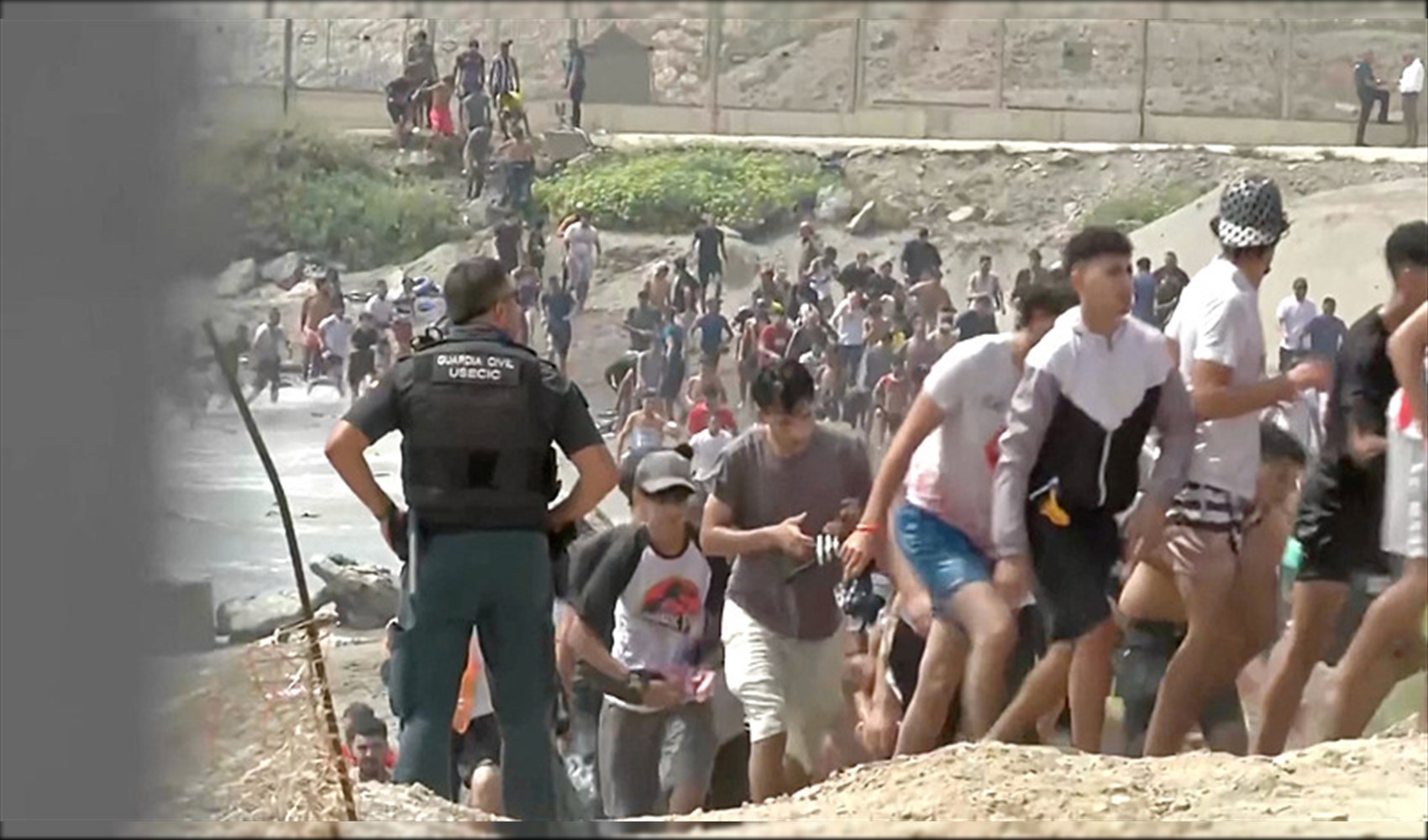
Another controversial topic on the EU's agenda is return centers. The new regulation, finalized in June, allows EU countries to send irregular migrants to centers outside the EU, provided that a bilateral agreement is made. It remains unclear whether these centers will be transit points or turn into longer-term detention facilities.
It is stated that Germany, Austria, Denmark, Greece, and the Netherlands are working together on this model and that the search for partner countries in Asia and Central Africa is ongoing. The migration ministers of the five countries are expected to evaluate the process at a meeting to be held in Copenhagen on September 4.
EU leaders will address these topics regarding migration management at the European Council meeting to be held in Brussels in October. The future of border controls, how the solidarity pool will be shaped in 2027, and the legal framework of the return centers will be among the most critical agenda items of the meeting.
News Source: 12punto