

EU statement on Ceuta: Irregular migrants will not be allowed to cross into the European mainland
The European Commission has reported that migrants who entered Ceuta illegally have not crossed into continental Europe and that Schengen rules do not permit such movement.



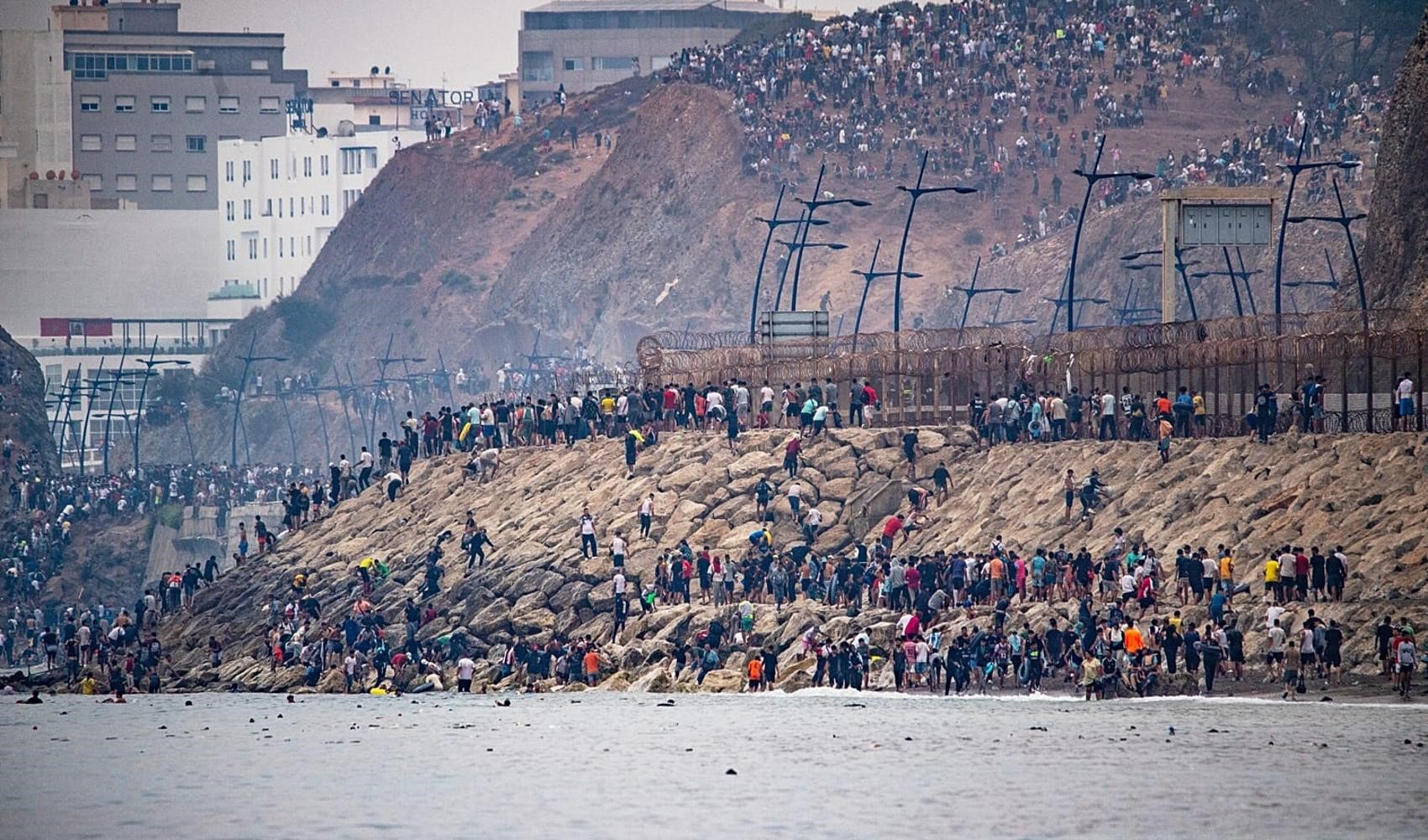
The European Commission has announced that irregular migrants who entered Spain's autonomous North African territory of Ceuta illegally have not crossed into the European mainland. Commission officials emphasized that controls remain in place for travel from Ceuta to the Spanish mainland by ferry or plane, and that migrants cannot move freely to other European Union countries.
The statement follows the entry of approximately 60,000 people, mostly Moroccans, into Ceuta on Thursday. The incident has reignited the debate over external border security in Europe, with some EU countries accusing the Spanish government of failing to adequately protect its borders. Calls have been made in several countries, including Italy, Finland, and Denmark, for Spain's position within the Schengen Area to be questioned.
Addressing claims that migrants were moving freely within Europe, an EU official stated, "As of today, there is no movement toward the European continent."
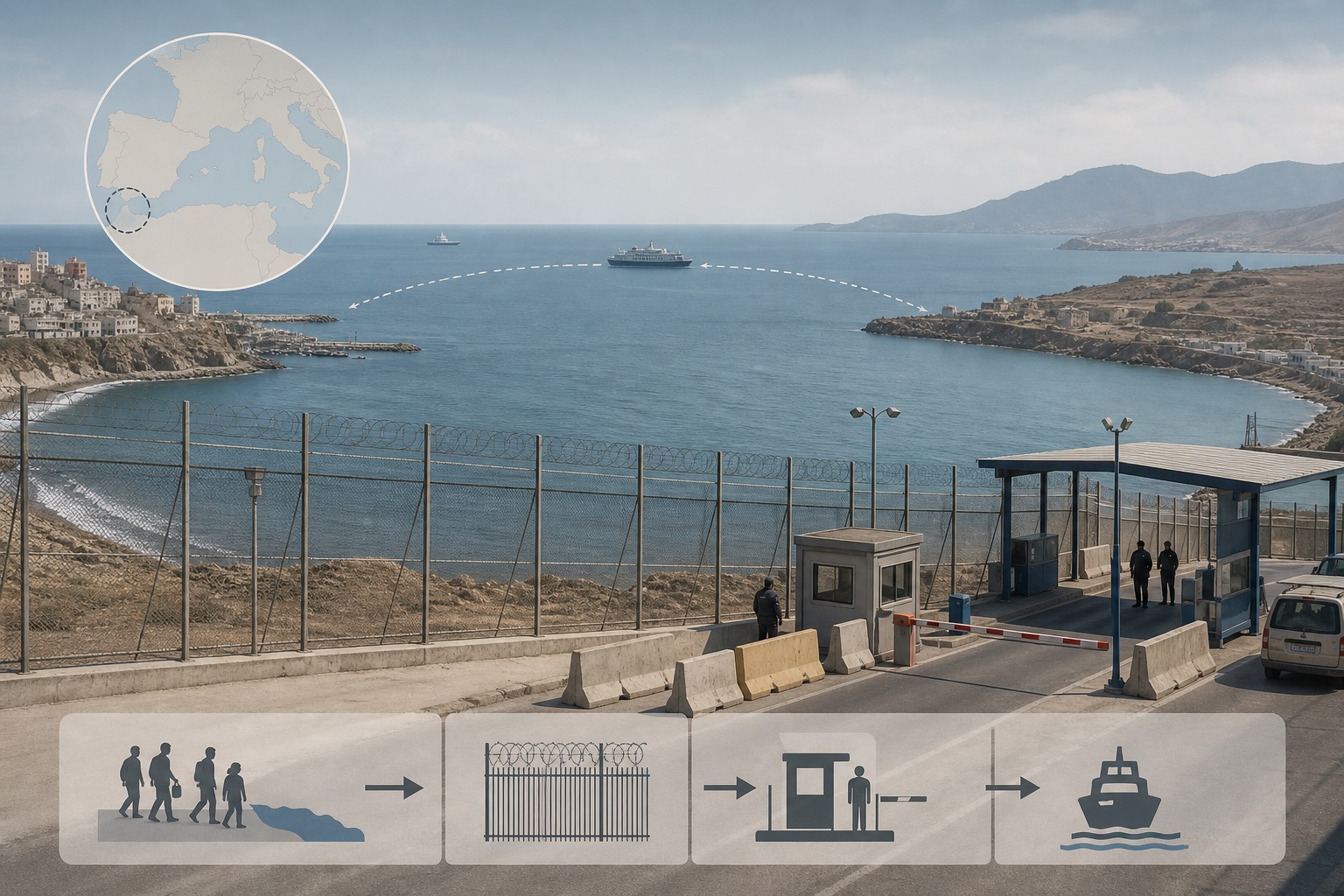
SCHENGEN CONTROLS REMAIN IN EFFECT IN CEUTA
Although Ceuta and Melilla are Spanish territory, they are subject to special rules within the Schengen free movement regime. According to the Commission, individuals wishing to leave these regions must pass through controls related to the EU's external borders. Schengen rules provide the right of free movement only to EU citizens, those with valid residence permits, and travelers who meet legal entry requirements.
Therefore, it is not possible for individuals who have entered Ceuta without authorization to board ferries or planes to the Spanish mainland without undergoing identity checks. Those who apply for asylum cannot leave Spain until their applications are processed; if they are detected in another EU country, they can be sent back.
According to data from the EU Asylum Agency, the asylum acceptance rate for Moroccan citizens is 6 percent. As Morocco is considered a "safe country of origin" under EU rules, return decisions are expected to be on the agenda for the majority of those who entered Ceuta.
Spanish officials reported that approximately half of the people who entered Ceuta on Thursday returned to Morocco voluntarily. While political pressure on the Madrid administration has increased following the crisis, EU institutions are emphasizing the message that the situation in Ceuta does not constitute uncontrolled entry into the Schengen Area.
News Source: 12punto
Most Read

Increased rates for mandatory traffic insurance have begun

Name change notice sent to Yeni Parti

Message from Fenerbahçe players to İsmail Kartal

Unexpected crisis in Yeni Parti before the convention

New statement from Bülent Arınç regarding his controversial criticism of Melih Gökçek

Trump announces 'Russia and Ukraine have reached an agreement'

Male body found inside the walls in Fatih

The judiciary has said Stop to the unlawful demolition at Denizatı Kent Site

Şamil Tayyar warned AKP about that province

Fear haunts the mountains