

Death toll rises in Nepal and Tibet floods: 165 dead, nearly 1,000 missing
Flash floods and landslides along the border between Nepal and China's Tibet region have caused massive destruction. At least 162 people have died in Nepal and 3 in Tibet, while nearly 1,000 people are reported missing across the two regions. In the disaster, where numerous villages were buried under floodwaters and debris, roads and bridges were destroyed, and power and communication lines were cut. It is stated that hundreds of foreign nationals are among the missing, and search and rescue operations by teams in the region are ongoing.



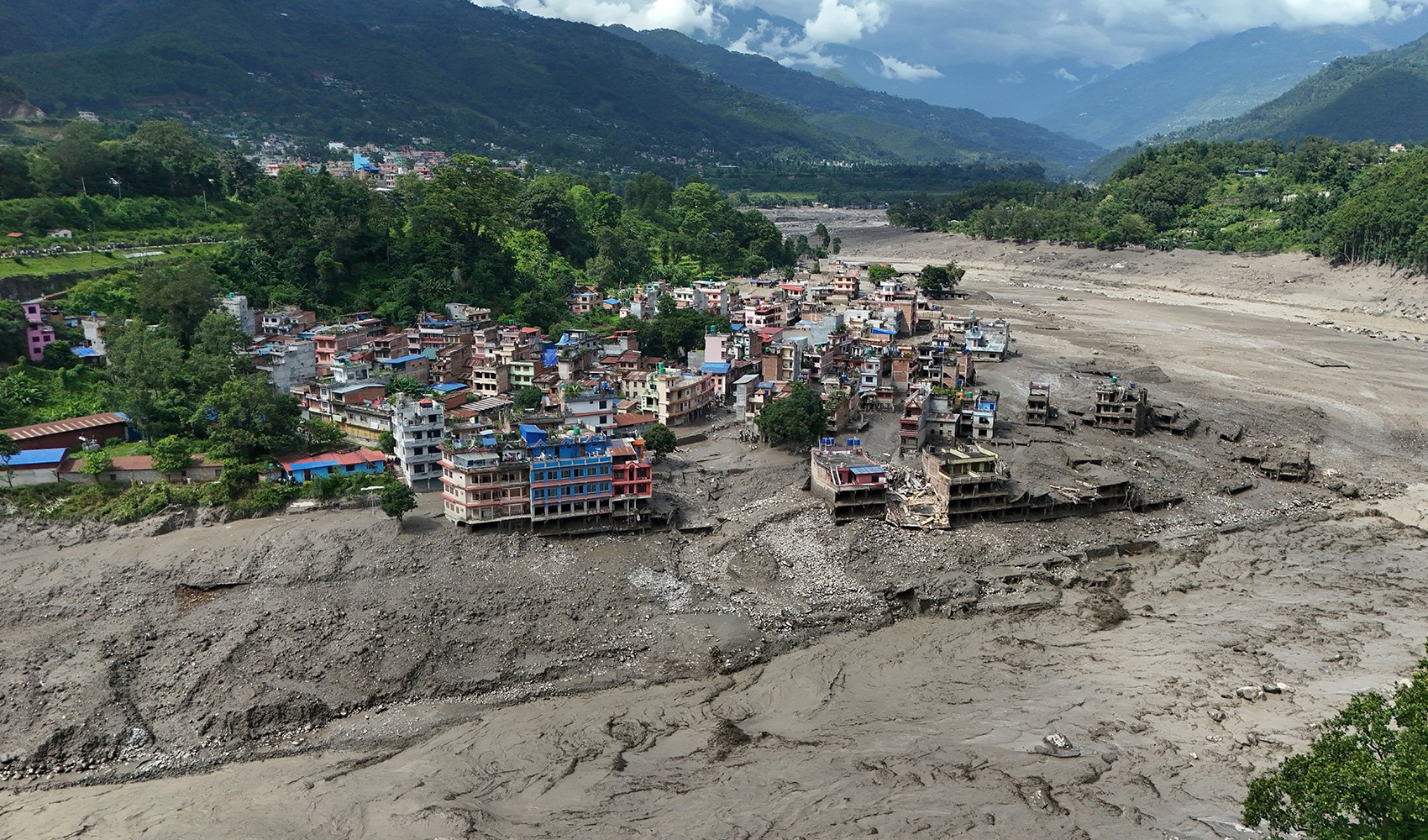
The death toll is rising following flash floods and landslides along the border between Nepal and China's Tibet region.
According to information provided by Chinese state media, at least 162 people have died in Nepal and 3 in Tibet. Following the disaster, it was reported that a total of nearly 1,000 people are still missing on both sides.
According to reports from Xinhua and CCTV on Thursday morning, 558 people went missing in the landslides in Tibet. It was stated that approximately 260 of the missing are foreign nationals, while it was announced that two villagers were rescued in the region.
When someone denies climate change, show them this. #Nepal #Rasuwa pic.twitter.com/cGYevKbcBS
— ???? (@Communist977) August 26, 2026
VILLAGES WIPED OFF THE MAP
The disaster caused heavy destruction, particularly in Nepal's Rasuwa and Nuwakot districts and around Gyirong in Tibet. In some settlements, structures were completely buried under floodwaters and debris, kilometers of roads were damaged, bridges were destroyed, and power and communication lines were cut.
Eyewitnesses described how a wall of water, rock, and mud moving in front of the flood reached the settlements in a very short time.
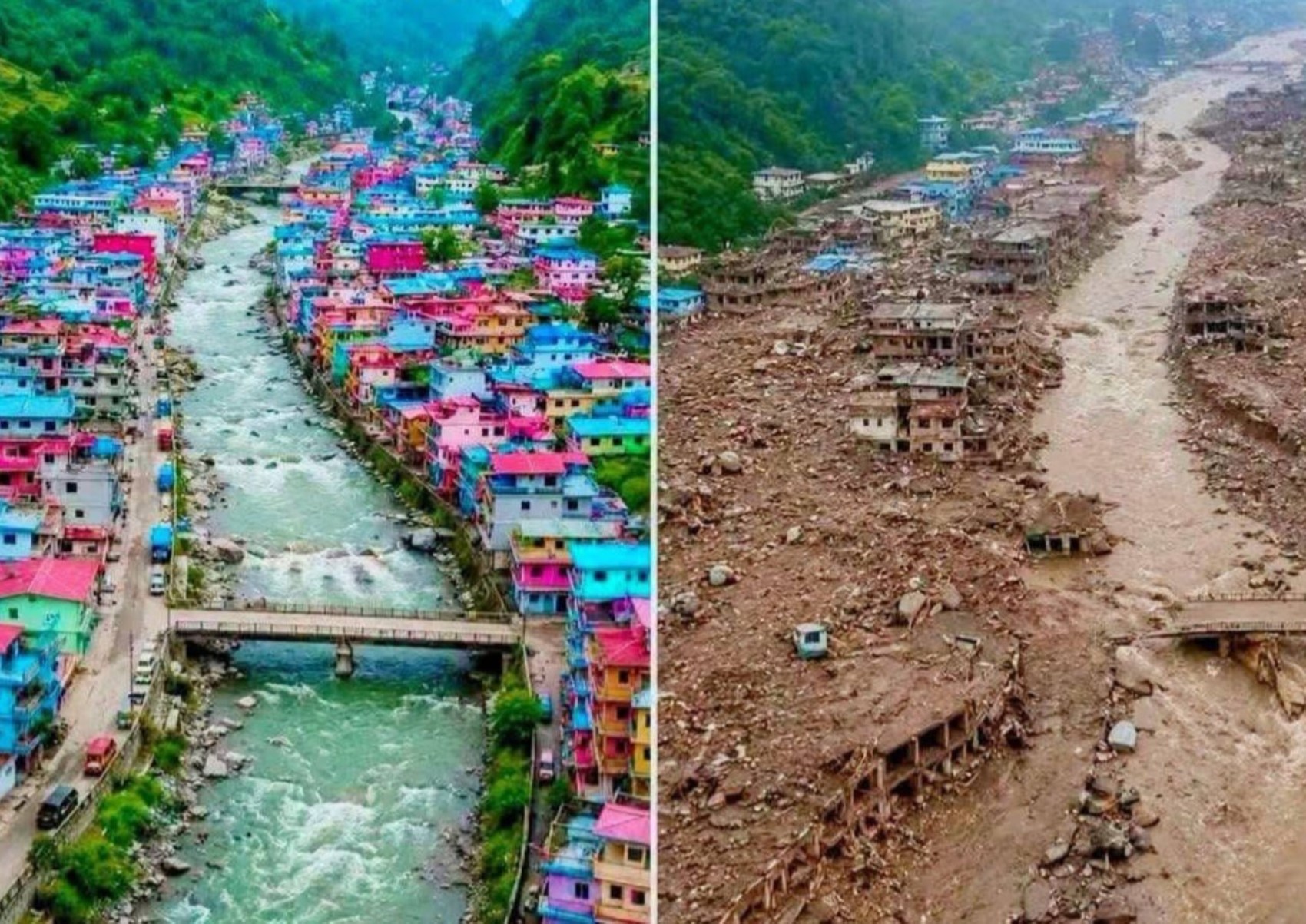
Drone footage shared from Nepal showed roads collapsed and buildings submerged under muddy, fast-flowing water. Rescue efforts are being carried out with heavy machinery around the Trishuli River, one of the regions affected by the disaster. Tibetan resident Shoyam Rajbhandari described the disaster, saying, "The flood arrived half an hour after I reached the Dhunge market and razed the entire market to the ground. At that time, people were preparing to go to work."
Rajbhandari said that it is not yet clear how many people are missing or dead in the region.
???? THE TOLL OF THE DISASTER IN NEPAL IS RISING!
— Ulusal Denge (@UlusalDenge) August 27, 2026
165 people lost their lives and 826 people went missing in the flood and landslide disaster that occurred on the Nepal-Tibet border on August 26.
Search and rescue operations are continuing following the disaster, which is stated to have been triggered by a glacier and rock collapse.… pic.twitter.com/qbIYFe9m1j
FOREIGN NATIONALS AMONG THE MISSING
Nepalese officials had previously announced that 341 of the 403 people reported missing were foreigners. Australian Foreign Minister Penny Wong announced that at least 34 Australians participating in religious pilgrimage and trekking tours could not be reached.
Wong stated that Australia is in coordination with Nepal, the United Nations, the Red Cross, and other organizations for humanitarian aid efforts. The Malaysian Ministry of Foreign Affairs also announced that 55 Malaysians in Kathmandu could not be reached due to severe disruptions in infrastructure. The ministry reported that there is no official confirmation yet that these individuals are in the disaster zone.
The United States Geological Survey (USGS) had announced in its initial assessment that it recorded a 4.4 magnitude earthquake near the border, approximately 66 kilometers north of Kathmandu. The agency later updated this assessment, stating that the event was not an earthquake but a 5.2 magnitude glacial collapse that triggered a massive downstream debris flow.
Climate experts from the Kathmandu-based International Centre for Integrated Mountain Development also reported that the flash flood was most likely caused by an avalanche breaking off from a glacier. According to experts, the water level in the Trishuli River rose by up to 9 meters within half an hour at one point.
Disaster risk reduction expert Saswata Sanyal stated that the Lhende Khola has overflowed for the second time in 14 months, noting that a mass of rock and ice breaking off from a glacier on the Nepal side blocked the river, subsequently creating a sudden downstream water surge.
It is stated that the instability in the Himalayan glacial system poses a growing risk to settlements, transport corridors, and water resources in the region. In the same region, flash floods occurred in August last year due to the effect of high temperatures causing a glacial lake to overflow; 9 people lost their lives, and critical infrastructure, including a bridge connecting Nepal and China, was damaged.
News Source: 12punto
Most Read

Galatasaray and Fenerbahçe could face off in the Champions League

They watch the same matches but do not pay the same fee

Statement from Yaşar Alptekin after removing his robe and turban

Flash change from TFF regarding foreign player rule

So, what will happen to the drug money?
New development in the Üsküdar Municipality deputy mayor crisis!

Explosive claim from Ümit Özdağ regarding the AKP

How did the newspapers cover Fenerbahçe's Champions League victory?
Election remarks from AKP's Şamil Tayyar
AKP's revision to the 'Presidential Government System' leaked from behind the scenes!