North Korean leader Kim Jong-un’s claim that his country has undergone a “miraculous transformation” has reignited questions about whether there is a truly lasting improvement in the economy of the closed regime.
According to estimates by the Bank of Korea, the North Korean economy grew by 3.7 percent in 2024. This rate marks the strongest expansion for the country in the last eight years. Experts also assess that the Pyongyang administration is experiencing some of the most comfortable financial conditions of the Kim Jong-un era.
However, this picture does not erase the grim data regarding living conditions in the country. According to United Nations data, approximately 11 million people in North Korea, or 45 percent of the population, are undernourished. Human rights violations, strict security controls, and the country’s isolation from the outside world continue to limit the availability of information about the nation.
SOURCES OF THE RECOVERY
The recent revival in the economy is largely attributed to the rapprochement with Russia. According to Western intelligence assessments, Pyongyang has provided ammunition and weapons support to Russia due to the war in Ukraine; it has also sent thousands of personnel to fight alongside Russian forces or work in Russian industry.
The Comprehensive Strategic Partnership Agreement signed with Russia in 2024 has also become one of the symbols of the military and political rapprochement between the two countries. According to experts, this cooperation has revitalized production in some heavy industry, mining, machinery, and chemical sectors that had long been operating at low capacity in North Korea.
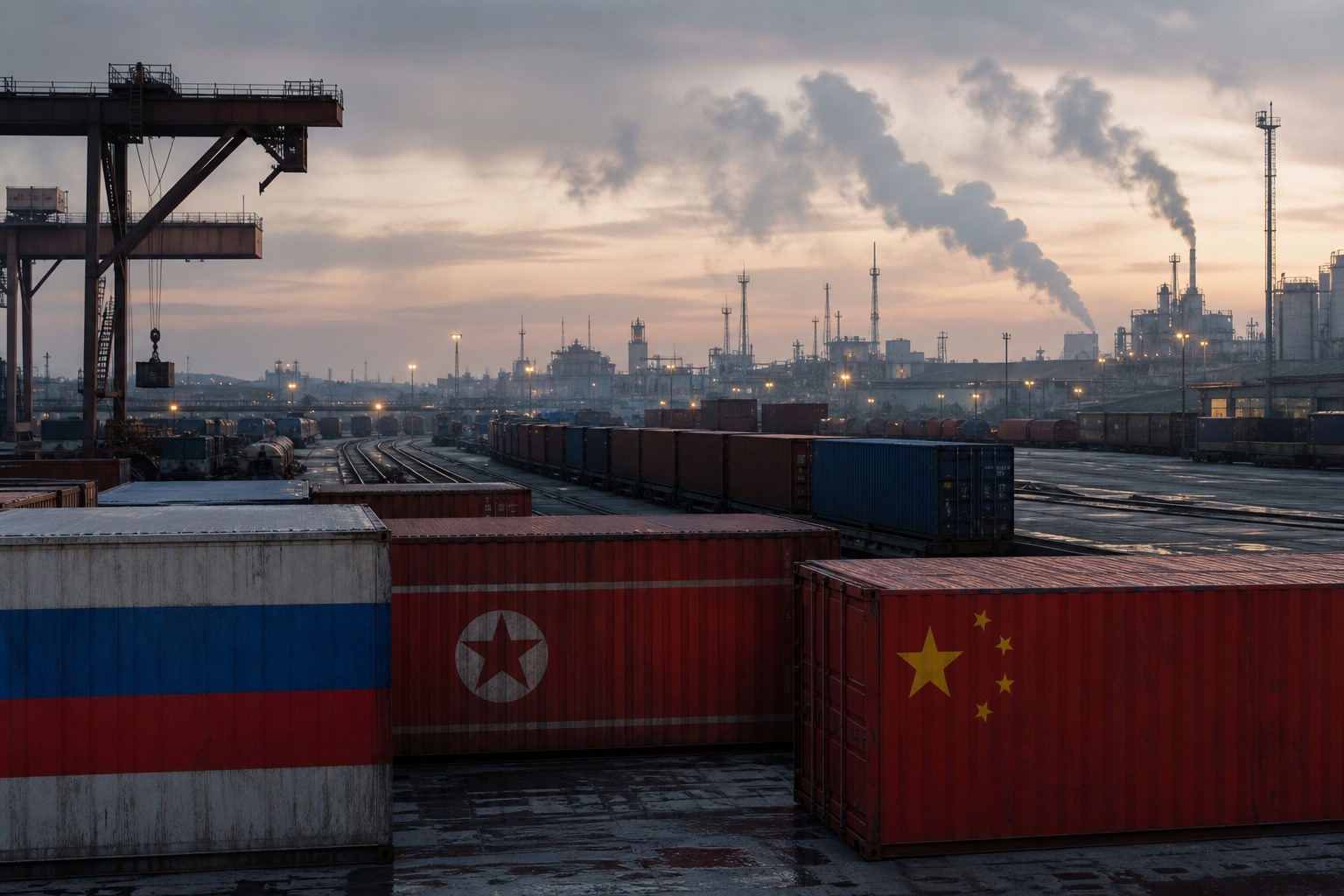
Trade with China and the easing of the enforcement of sanctions are also considered factors that have expanded the regime’s fiscal space. Chinese President Xi Jinping’s messages on strengthening economic cooperation with Pyongyang indicate that North Korea’s long-term economic orientation still largely depends on its relations with Beijing.
Furthermore, it is noted that Pyongyang has been using various methods for years to bypass sanctions. According to a report by the US-based Chainalysis, North Korea-linked actors stole $2 billion worth of assets from the crypto ecosystem in 2025. Experts emphasize that such resources strengthen the regime’s coffers but do not translate into prosperity for the general public.
GROWTH THAT DOES NOT REACH THE PUBLIC
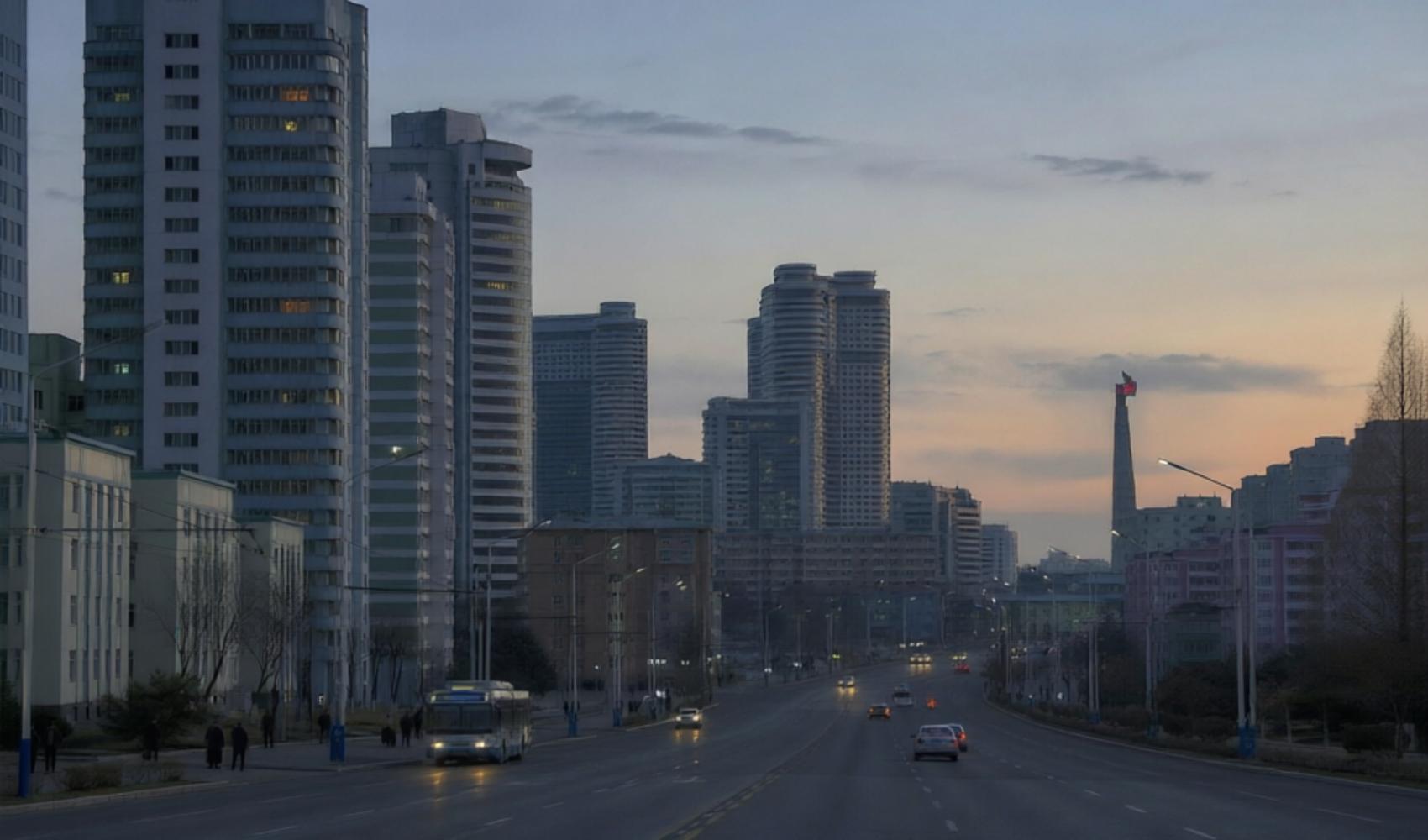
Recently, changes such as more street lighting in Pyongyang, more regular operation of elevators in some high-rise buildings, mobile phone usage, imported electric vehicles, and mobile applications have been observed. Analyses of satellite imagery also reveal an increase in electric lighting in the capital.
However, according to experts, this improvement is largely limited to the capital and the ruling elite. In rural areas and settlements outside Pyongyang, food insecurity, low income, and state control remain the fundamental problems of daily life.
Kim Jong-un’s promise to build 20 factories across the country within 10 years, under a program called “20x10,” is therefore being watched closely. Stephen Haggard, an expert on the North Korean economy at the University of California, San Diego, states that while there are signs of rural development and housing investments, the gap between Pyongyang and the rest of the country remains vast.
Jongkyu Lee from the Seoul-based Korea Development Institute describes the current picture as “war-focused growth” rather than a sustainable development model. According to Lee, although military demand supports production in the short term, its long-term impact is uncertain; the benefits obtained have not yet reached ordinary citizens.
For this reason, while the signs of recovery in the North Korean economy may be real, there are serious questions about the durability and social impact of the “miraculous transformation” claim. It is assessed that unless the regime’s increasing revenues are directed toward the living conditions of the people rather than the nuclear program and security apparatus, this growth may remain limited and fragile.
News Source: 12punto