As vote counting continues following the general elections in Israel, the right-wing bloc led by Prime Minister Benjamin Netanyahu is leading the race. According to data released by the Israel Central Elections Committee, 57.3 percent of the votes have been counted.
According to the initial picture, Netanyahu's bloc appears to be at the 55-seat level in the 120-seat parliament, while the opposition bloc led by former Israel Defense Forces Chief of Staff Gadi Eisenkot remains at 49 seats. Exit polls, however, projected that the Netanyahu bloc could reach 56 seats and that Arab parties could gain a remarkable amount of power with 16 seats.
Arab parties had secured a total of 10 seats in the 2022 elections. If the current counting trend holds, a significant increase in the number of seats for these parties is expected, which would make the equation for forming a government even more complex.
COALITION CALCULATIONS BEGIN
If the official results finalize close to this picture, both blocs will turn toward coalition searches. Israeli President Isaac Herzog is expected to task the candidate he views as the strongest with forming the government.
However, it is noted that if no bloc can secure the necessary support for a majority, Israel could face the possibility of new elections. This scenario could bring back the political deadlock experienced in the country between 2019 and 2022, during which five elections were held at short intervals.
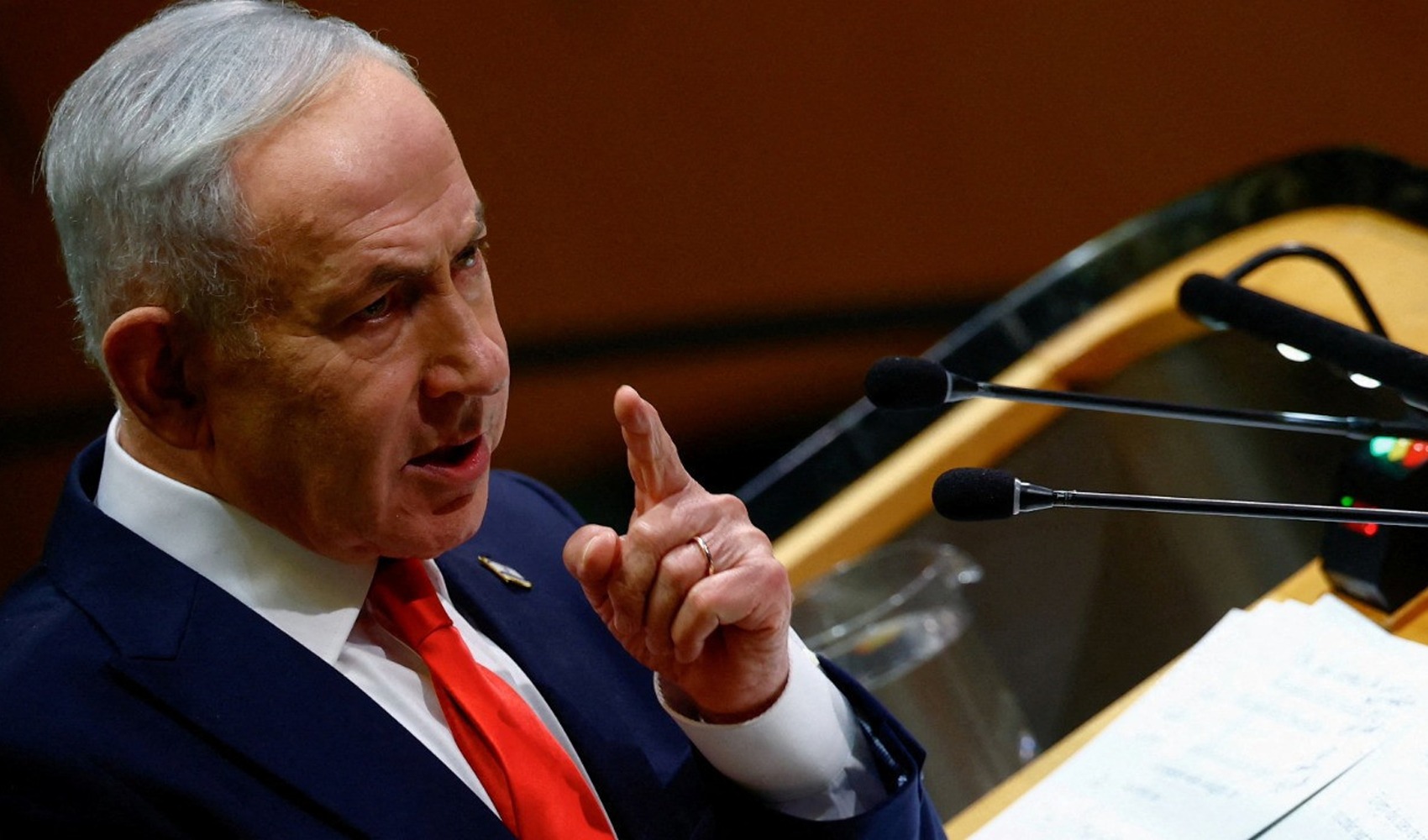
In a speech he gave at the Likud Party headquarters in the early hours of the morning, Netanyahu said they were waiting for the official results. Netanyahu stated, "We are still waiting for the official results; we will have them in 1-2 days."
Arguing that Likud is the largest party in the country, Netanyahu stated that the right-wing bloc has "a clear and decisive majority among the Zionist public." Netanyahu said, "We must form a strong right-wing national government."
In his speech, Netanyahu also touched upon the topics of the Gaza Strip, Lebanon, Syria, and Iran. Defending Israel's security policies, Netanyahu claimed that his country is facing a historic opportunity to eliminate the "existential threat posed by Iran."
While the vote count was ongoing, US President Donald Trump also made a post on his social media account supporting Netanyahu. Trump argued that following his support, the picture had taken on the appearance of a "deadlock, or even a victory achieved with a great comeback" for Netanyahu.
With the announcement of the final results, the main agenda in Israeli politics is expected to be whether Netanyahu can reach the majority required to form a government and how the weight of the Arab parties in the new parliament will reflect on coalition negotiations.
News Source: 12punto