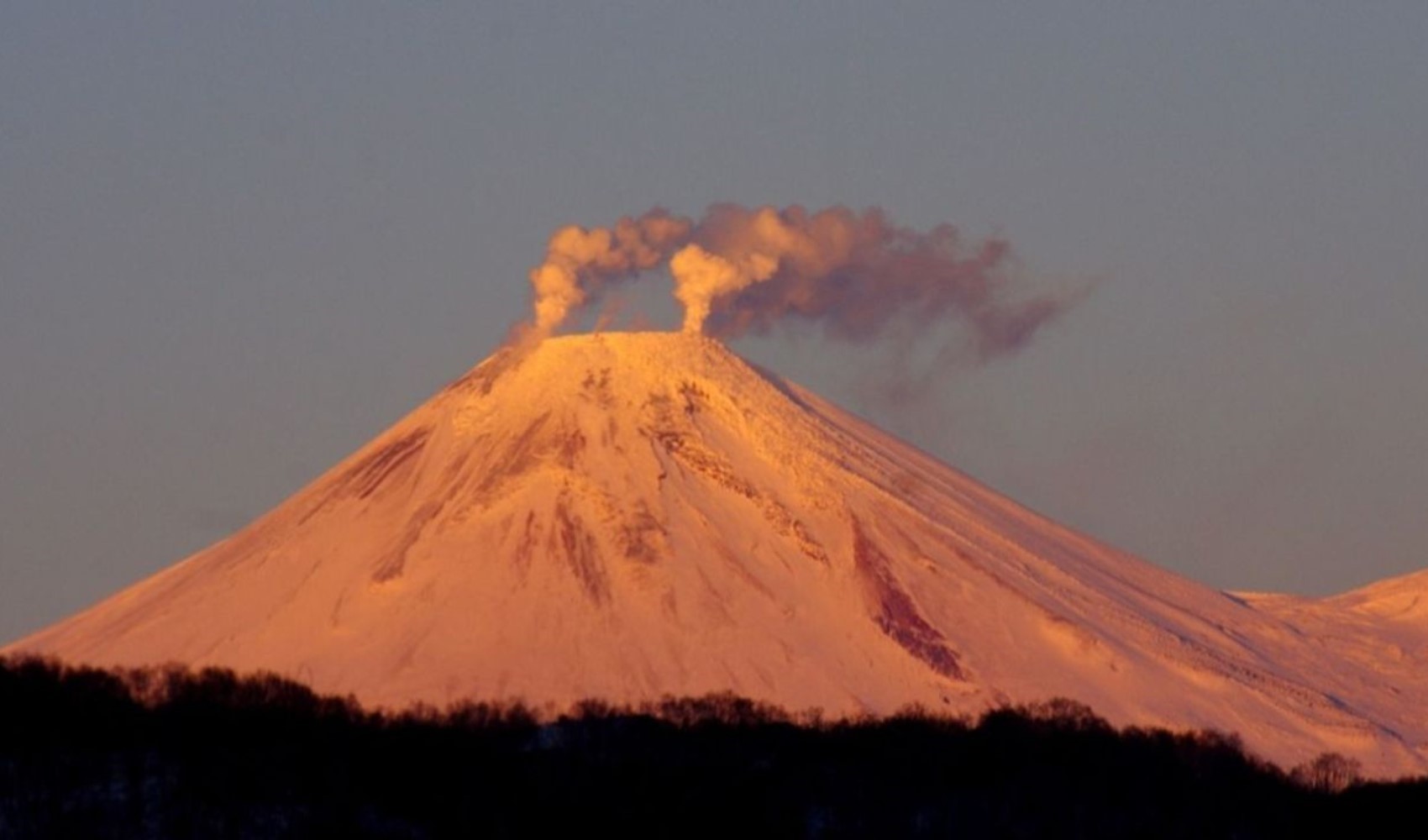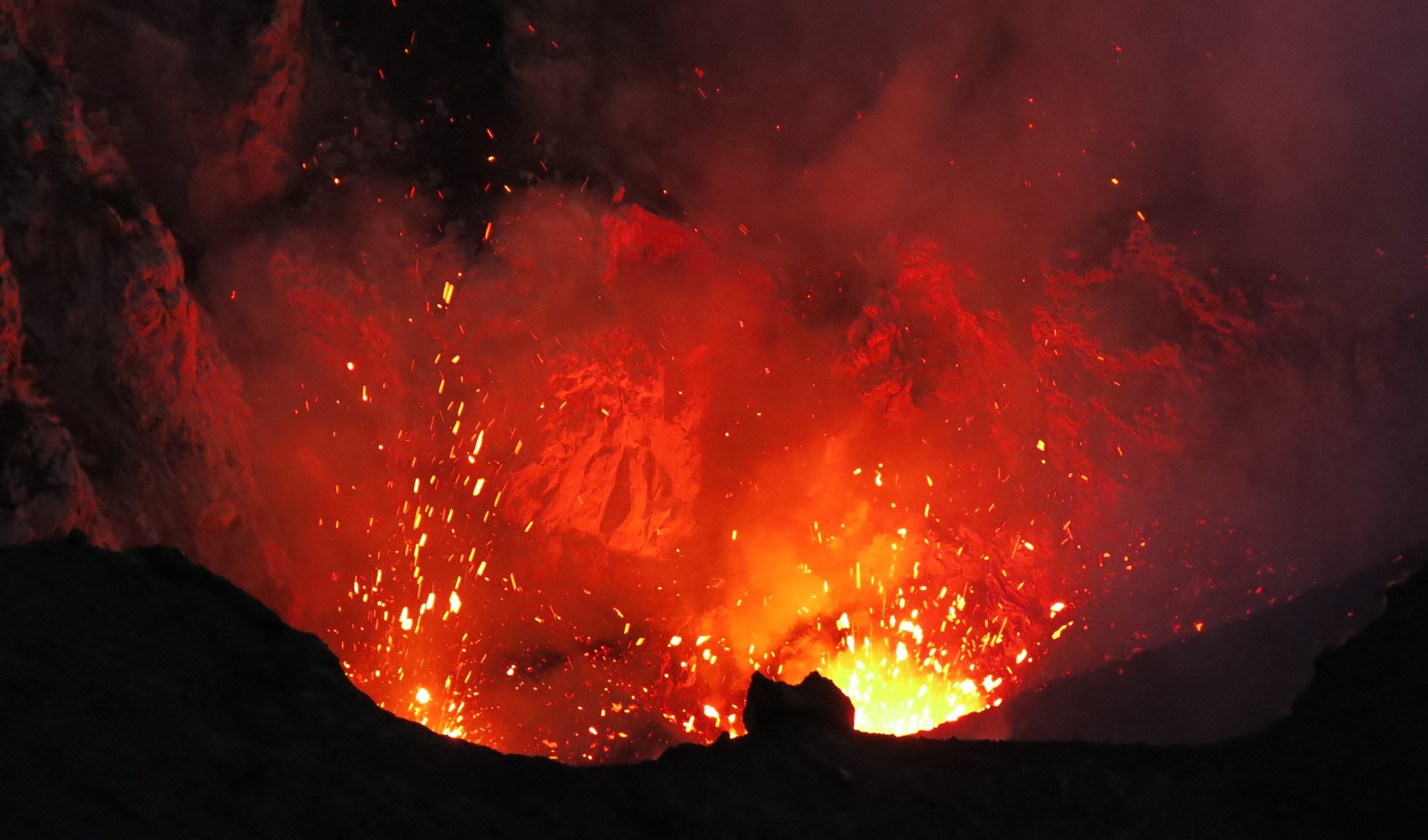
The Toongi deposit near Dubbo, Australia, is a large rock mass formed as a result of volcanic eruptions that occurred 215 million years ago. This region, which is quite rich in rare earth elements critical for modern technologies such as electric vehicles, solar panels, and mobile phones, has great potential to meet the demand expected to increase in the future.
As mining operations continue at Toongi, scientists are studying volcanic processes to better understand how such deposits are formed.
A new study conducted in Australia has revealed that small crystals formed inside volcanoes offer important clues for tracking rare earth elements. This study was published in the journal Nature Communications Earth and Environment.
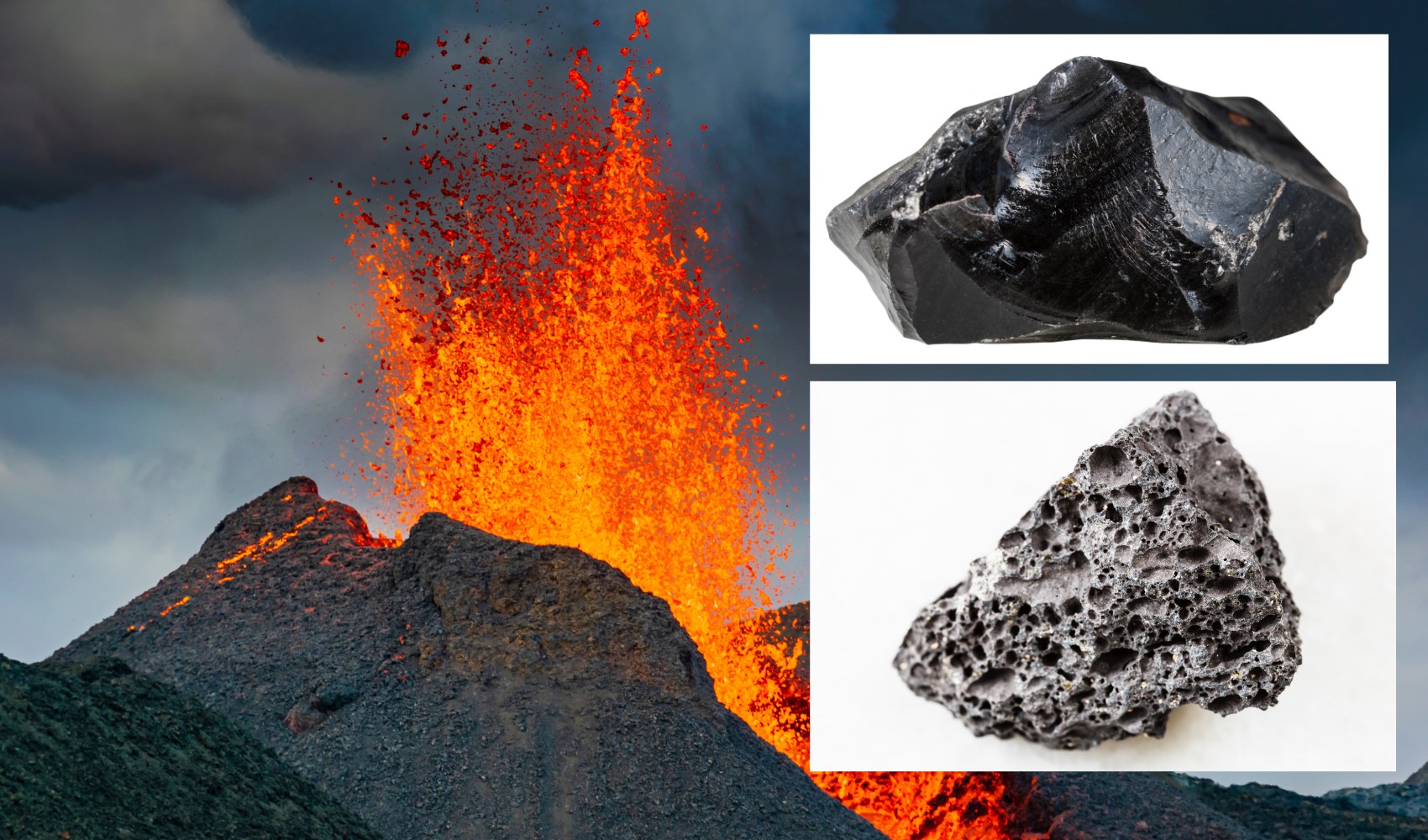
Rare earth elements are formed by partial melting processes in the Earth's mantle. Magma formed by the melting of the mantle carries these elements to the surface, and new minerals crystallize during cooling. If this magma crystallizes within the crust before reaching the surface, rocks rich in rare earth elements are formed.
The Gardar Magmatic Province in South Greenland and the Benolong Volcanic Series in the New South Wales region of Australia are places where such enriched magmas have reached the surface. The Toongi deposit, as part of this series, consists of solidified magma remnants within an ancient volcanic system.
The rocks at Toongi show two significant differences compared to other volcanic series. First, the clinopyroxene crystals have low levels of rare earth elements, and these elements are concentrated in a special mineral called eudialyte. Second, the hourglass-shaped internal structures of the crystals indicate a rapid crystallization process characterized by rapid gas release.
Scientists are continuing their work to understand how such volcanic processes contribute to the formation of deposits rich in rare earth elements. By examining the rocks on the surface, they are trying to obtain valuable information about the Earth's internal structure. In particular, the clinopyroxene mineral stands out as an important tool for shedding light on the history of these processes.
News Source: 12punto