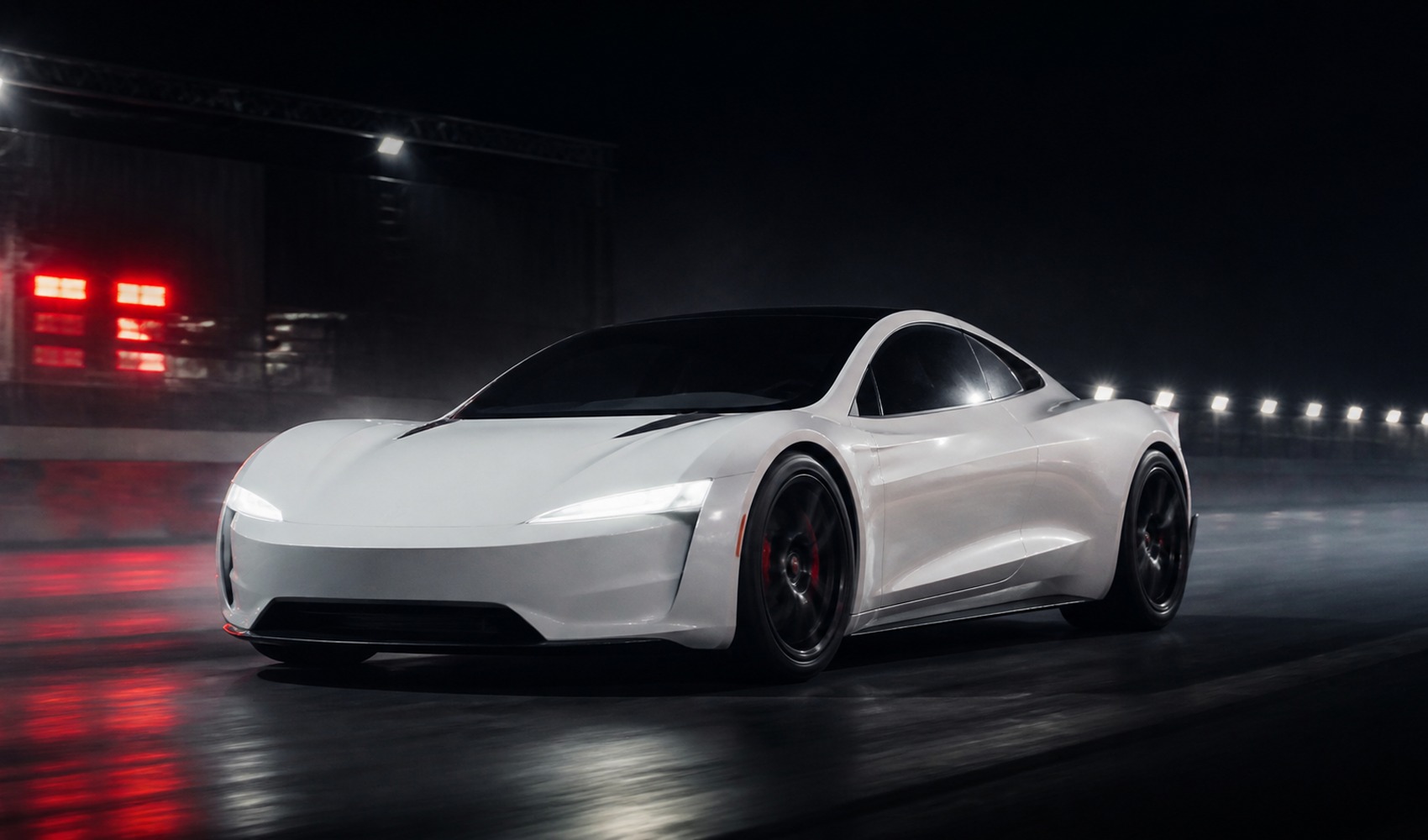
Tesla's long-in-development second-generation Roadster model has returned to the top of the automotive agenda with a 0–60 mph acceleration claim shared for the prototype and a 2028 production target. The production schedule for the model, which was first shown in 2017, had previously been delayed several times.
According to information shared by the company, the Roadster prototype can complete the 0–60 mph acceleration in 0.81 seconds. This figure corresponds to reaching a speed of approximately 96.6 km/h. However, it is emphasized that this data is based on the prototype application and should not be considered the definitive performance result of the mass-production version.
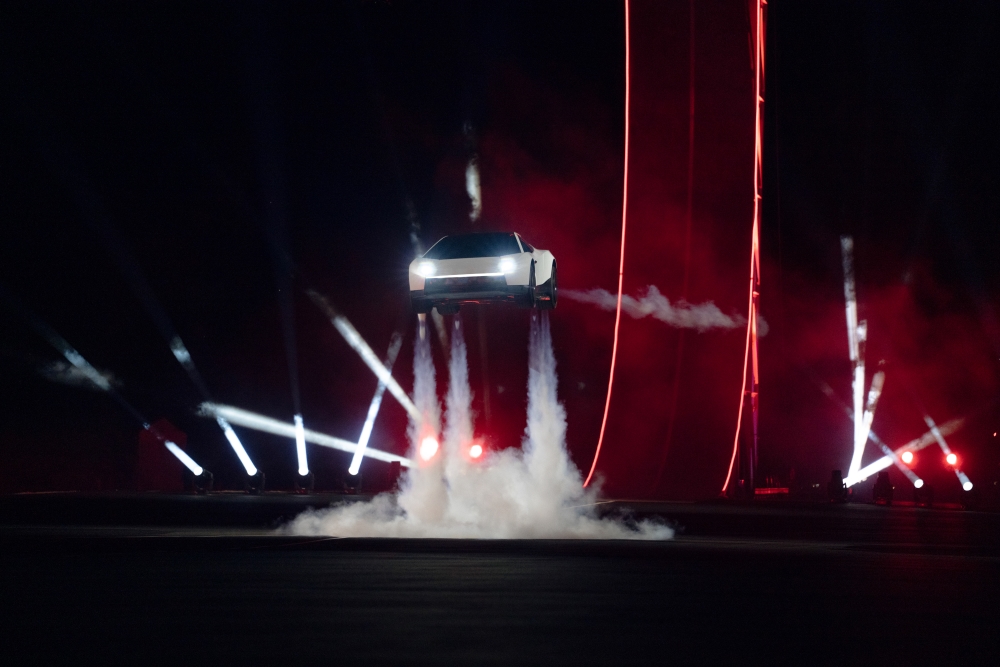
THRUSTER SYSTEMS AND VACUUM STRUCTURE
In the new Roadster, different systems are mentioned to support acceleration and vehicle dynamics in addition to electric motors. These include cold gas thrusters placed in the rear section, an underbody vacuum system, and active aerodynamic parts.
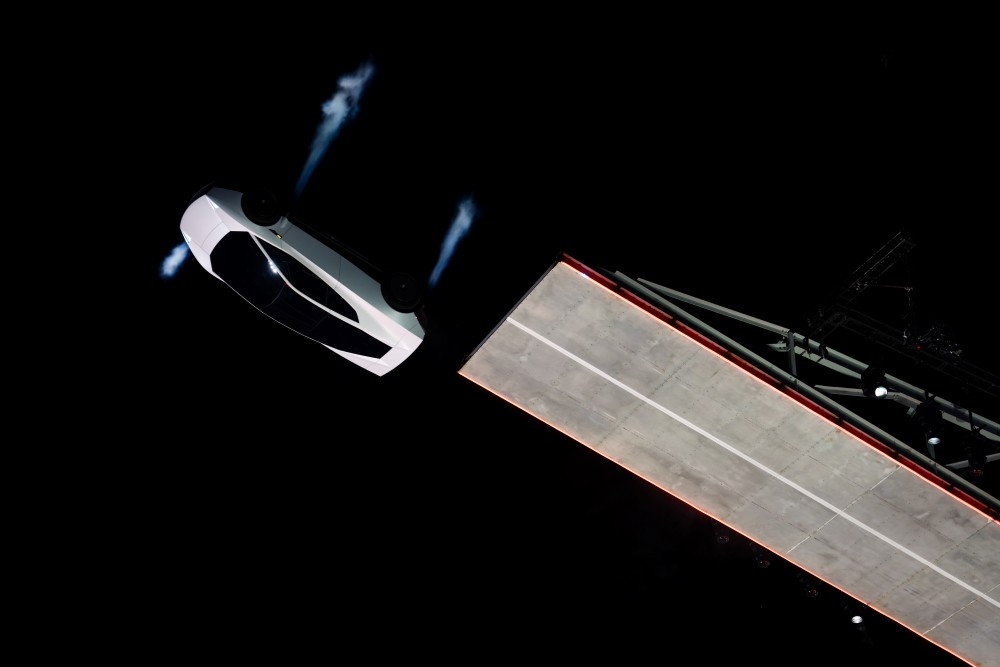
The underbody vacuum system aims to generate downforce by pulling air from under the vehicle. The structure, which operates with electric fans, is intended to support road holding, especially at low speeds. Tesla states that the system can create enough suction force to hold onto an inverted surface.
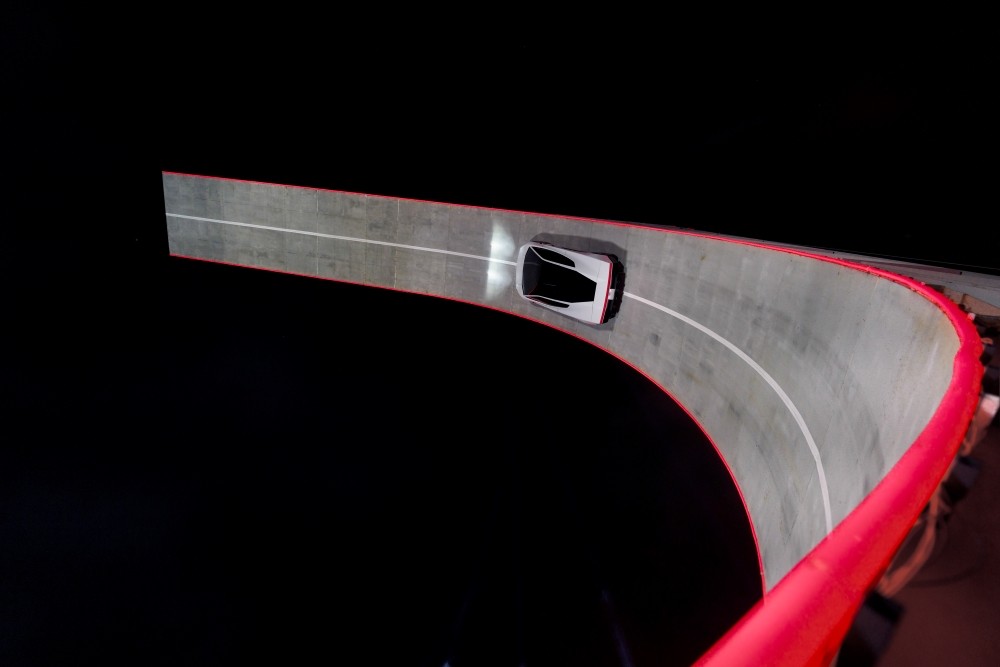
Cold gas thrusters, on the other hand, provide additional thrust by releasing gas stored under high pressure through nozzles. Technical information shared for the Rocket option includes pressurized gas tanks with a total capacity of 600 liters and 10 nozzles. These systems are planned to be used not only for acceleration but also for short-term vertical movement and in-air position control.
THREE DIFFERENT OPTIONS PLANNED
Three different options are mentioned for the Roadster under the names Performance, Thrust, and Rocket. The two-seater Performance version is expected to focus on road use with active aerodynamic parts and the underbody vacuum system. In the Thrust option, cold gas thrusters in the rear section are added to this equipment.
The Rocket option is distinguished by a single-seat cabin layout and additional thrusters placed at different points on the body. It is stated that there is no approval for use on public roads for this version, and it is not yet clear in which markets and under what conditions the thruster systems could be offered.
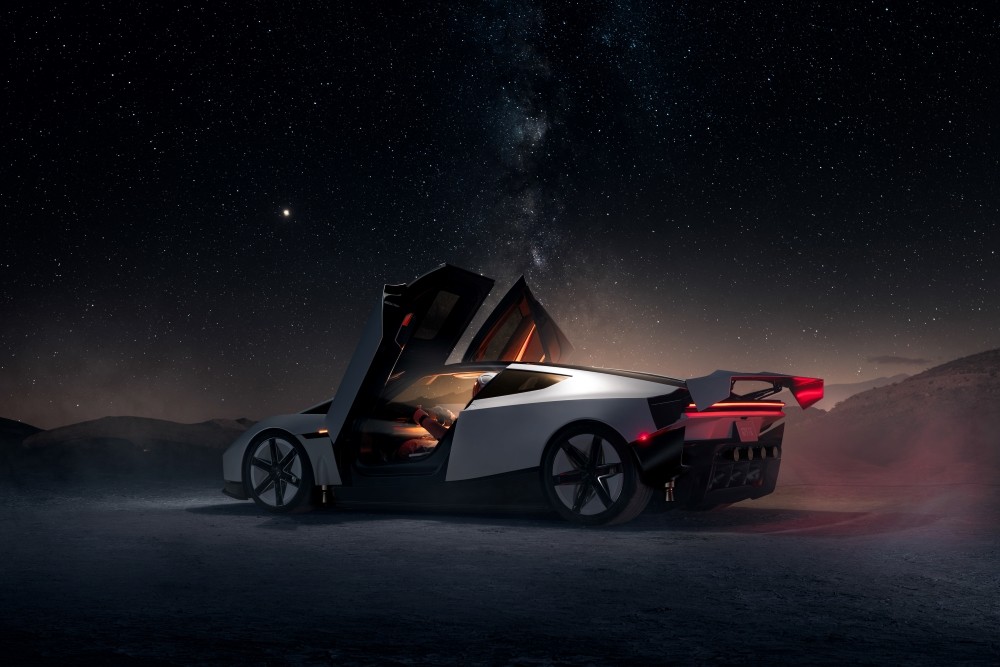
While a maximum speed target of over 370 km/h is shared for the model, it is reported that Elon Musk has pointed to the Mach 0.5 level in the longer term. However, these targets are not mass-production data verified by independent tests.
According to the latest schedule announced by Tesla, production of the new Roadster is targeted to begin in 2028. The exact delivery date and final sales price have not yet been announced. The fact that the model previously missed its production target planned for 2020 indicates that the new schedule may also change depending on the development process.
News Source: 12punto