

What to look for when buying a high-mileage electric car?
Extensive inspection data from the UK shows that mileage alone is not a risk indicator for electric vehicles; tires and batteries must be examined separately.



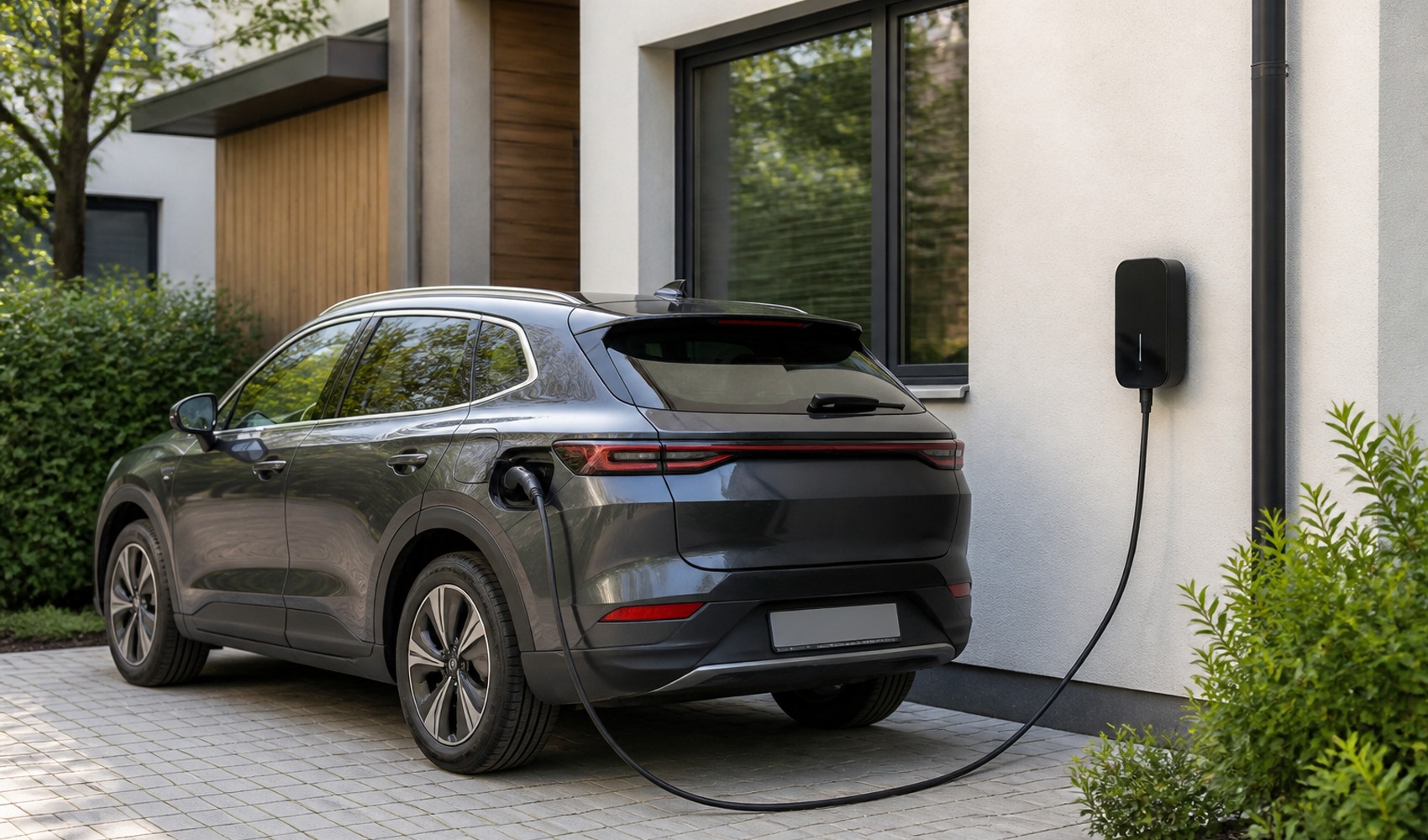
As second-hand options in the electric car market increase, one of the most frequently asked questions remains the same: Is a high-mileage electric vehicle reliable? The answer to this question cannot be given by looking at the odometer alone. Large-scale inspection data shows that electric vehicles can be more resilient at high mileage than previously thought; however, factors such as tires, brake usage, and especially battery health must be evaluated separately.
A study commissioned by the British Vehicle Rental and Leasing Association (BVRLA) in the UK and conducted by New AutoMotive examined the results of 47.4 million MOT inspections. The MOT is the periodic inspection system that checks the roadworthiness of vehicles. Therefore, the study provides an important picture of how electric and internal combustion engine cars perform as they age, based on safety items such as brakes, tires, suspension, steering, and lighting.
HOW DOES THE DIFFERENCE CHANGE AS MILEAGE INCREASES?
According to the data, there is no significant difference between electric and gasoline cars at low mileages. Among vehicles with between 20,000 and 40,000 miles, 12 percent of electric models failed the MOT test, while this rate was measured at 11.7 percent for gasoline cars. In other words, both vehicle types yield similar results in the early stages of use.
However, the picture changes as mileage increases. After about 60,000 miles, or the 96,000-kilometer mark, the failure rate for electric cars stabilizes at around 16 percent, while the rate continues to rise for gasoline and diesel vehicles. Among 3 to 8-year-old vehicles with between 90,000 and 120,000 miles, 16.5 percent of electric cars and 22.1 percent of gasoline cars failed the MOT test.
In the group over 120,000 miles, or approximately 193,000 kilometers, the difference became more pronounced. While the failure rate for electric cars remained at the 16 percent level, it rose to 23.5 percent for gasoline vehicles. According to the research, the failure rate of gasoline cars in this mileage group is approximately 47 percent higher than that of electric vehicles.
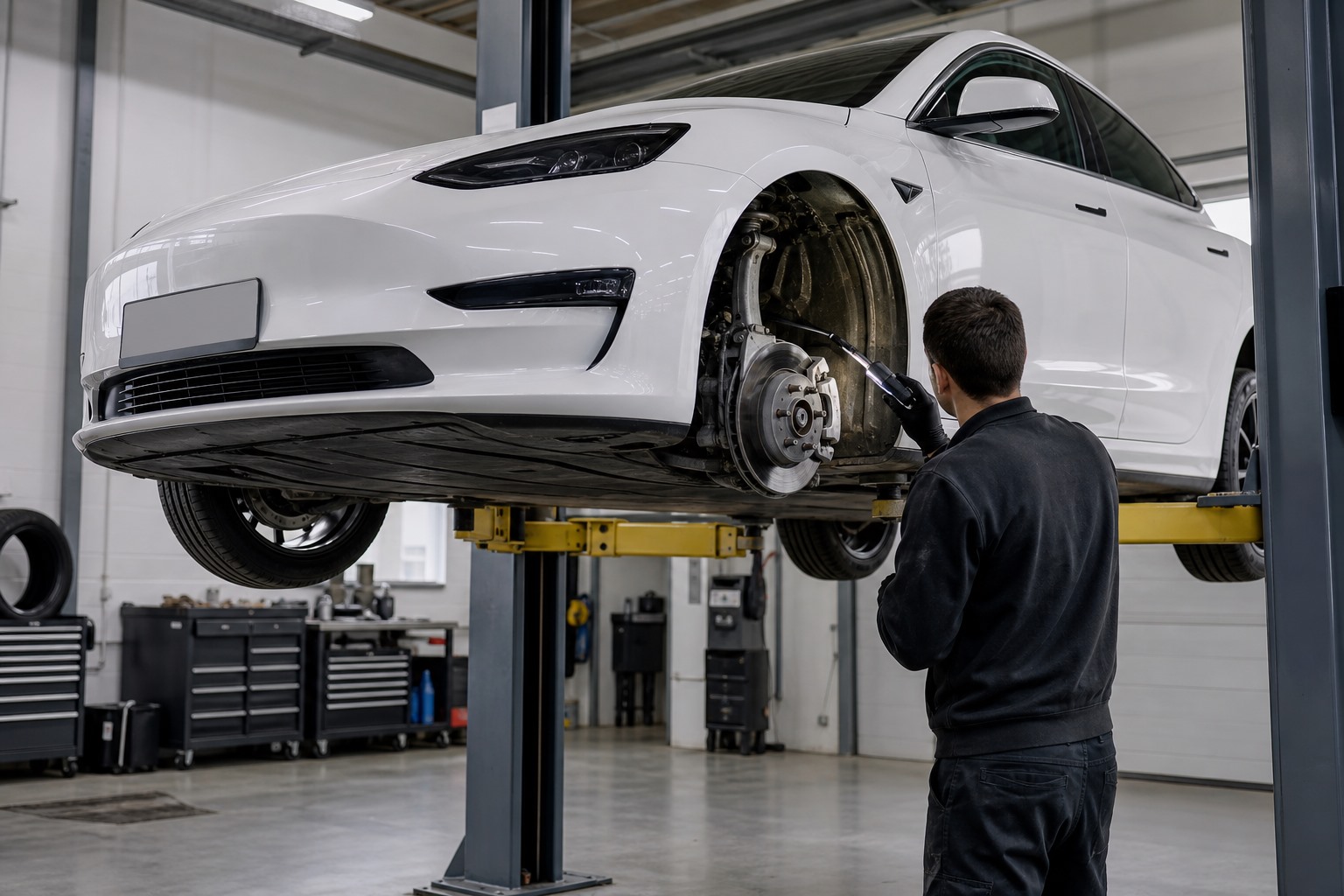
These results do not mean that every high-mileage electric car is problem-free. However, they do show that mileage should not be seen as a sign of a "bad car" on its own when looking for a second-hand vehicle. In particular, regular maintenance history, usage conditions, and technical checks of the vehicle can be more descriptive than mileage information.
TIRES, BRAKES, AND BATTERY SHOULD BE EVALUATED SEPARATELY
One of the main reasons electric cars appear more durable is that they have fewer moving parts compared to internal combustion engines. Many parts, such as the engine, exhaust system, and classic powertrain components, are either absent in electric vehicles or operate differently. This can reduce the risk of certain mechanical failures.
On the other hand, one of the weak points of electric vehicles is their tires. In the analyzed data, approximately 1.8 times more tire defects were detected in electric cars compared to gasoline vehicles. Researchers note that this difference is more pronounced in older models where platforms developed for internal combustion engines were converted to electric.
Regarding suspension, no data emerged suggesting that electric vehicles have a significant disadvantage due to their heavier weight. In electric cars between 60,000 and 90,000 miles, 4.7 suspension defects were seen per 100 inspections, while this number was 6.1 for gasoline cars.
The picture is more complex for brakes. Since regenerative braking allows physical brakes to be used less in electric cars, it can reduce brake wear in high-mileage vehicles. However, in older and infrequently used electric vehicles, the infrequent engagement of the brakes can increase corrosion problems.
The most important limitation of the research is the battery. MOT inspections in the UK do not measure the remaining capacity of the battery, cell degradation, charging performance, software issues, or unplanned repairs made under warranty. Therefore, while standard inspection history is valuable when buying a second-hand electric vehicle, battery health must be checked separately.
- - Inspection history provides an idea about the general roadworthiness of the vehicle but does not show battery performance on its own.
- - The condition of the tires, tread depth, wear pattern, and correct tire selection are especially important for electric vehicles.
- - Although regenerative braking provides an advantage, brake corrosion should be checked in vehicles that are used infrequently.
- - Battery capacity, charging habits, and service records should be examined as a separate topic in the purchasing decision.
In conclusion, high mileage is not automatically a negative sign for electric cars. The data reveals that many electric vehicles can be competitive in terms of inspection even at high mileage, and in some groups, they can even yield better results. Nevertheless, for a sound assessment, mileage information should be read in conjunction with maintenance history, tire and brake condition, service records, and battery health.
News Source: 12punto
Most Read

2 suspects walking with a pump-action shotgun in front of a school apprehended

Haaland's Lvbel C5 post

Adalar Municipality passes to AKP

Successive resignations in Ankara following Mansur Yavaş

Özgür Özel's first comments on Yavaş's resignation

Protest against 3 CHP members who voted for AKP candidate in Adalar

Azerbaijani criminal organization member captured in Marmaris

14 people arrested in fund investigation

First comment from the New Party on Yavaş's resignation

Individual who shared images of Erdoğan and Akın Gürlek detained