


A world spinning with cries for help


As the world population approaches eight and a half billion, with streets and avenues becoming more crowded every day, and while people struggle to fit into shopping malls or pack into high-rise residential complexes that house the population of an entire district, encountering a problem like loneliness might have seemed like a kind of dystopia. We have encountered that problem; we have experienced this deep wound not in utopian science fiction novels, but in real life. It has been told by drawn curtains, dead bodies found in single-person homes days later, neighbors in the same apartment buildings who do not know each other despite greeting one another many times, and people wandering through the noise of cities as if no one knows anyone. We also heard of this problem's existence at the state level through news of the establishment of ministries of loneliness. First, the United Kingdom established this ministry, followed by Japan, which we talk about more and more each day due to its suicides. We believe more will follow.
The world population was growing. While around 50 thousand people died each year, a population more than twice that size was being born. So, what kind of world were these people stepping into? The world was not just lonely. It was also unequal, there was a terrible system of exploitation, and arms spending had surrounded everything, far exceeding health spending; its trees were decreasing day by day, its nature was darkening, and its environment was practically invisible due to pollution.
Let us substantiate what we are talking about with data.
Look, we are living in a world like this:
More than four million hectares of forest disappear every year.
Global carbon emissions, which poison the environment and cause climate change, are hovering above 30 million tons.
In 2026 alone, toxic chemicals released into the environment were around 8 million tons.
Again, in 2026 alone, nearly 10 million hectares of land turned into desert. When we include forests and pastures, this number reaches 100 million hectares. If we look at the picture from a bit further back, this is the scene that emerges: 40% of the world's land area is degraded and desertified. This crisis threatens the livelihoods and food security of more than three billion people.
The threat of drought also tells us this: If urgent measures are not taken, three out of every four people will be directly affected by drought by 2050.
As I said above, the world also spins with inequality; people are not living within the cycle of exploitation, they are merely trying to breathe.
So much so that according to the World Inequality Report 2026 data, the richest 10 percent of the world holds approximately three-quarters of the total wealth. The share of the poor half of humanity is only 2 percent.
After sharing this data, Selçuk Şirin shares the next piece of data by saying "read this a few times":
The wealth of the richest 0.001 percent is approximately three times the total wealth of the world's poor half.
As Nazım said:
"The hearts of the builders
are lively like a fairground
but the construction site is not a fairground."
The following is happening at that site:
Approximately one-eighth of the world, meaning one in every eight people, is facing the problem of malnutrition. As such, people are literally dying of hunger.
And the number of people dying of hunger each year reaches into the millions. When you break it down to a daily basis, this number is approaching 20 thousand.
On the other hand, there is also the problem of obese people. This number is also around 1 billion. In the US alone, the money spent on obesity-related diseases in a single year is at the level of billions of dollars.
At the construction site, people are not dying only because of the basic need for nutrition. In other words, hunger is not the only thing that kills.
Thirst also kills.
Because nearly 1 billion people in the world do not have access to a safe source of drinking water.
For these and similar reasons, more than 1 million people die every year from water-borne diseases.
I know, you are disheartened.
But the world does not spin with personal development stories, but with cries for help.
In such a world, the solution naturally lies in solidarity, sharing, equality, and peace. However, this is not possible with the capitalist paradigm.
While capitalism kills conscience and mercy with each passing day, it also lays mines between peoples with imperialist war barons, filling the world not with flowers, but with piles of weapons.
According to the Stockholm International Peace Research Institute, war and military spending reached 2 trillion 887 billion dollars in 2025.
The five countries that spent the most on the military in the same year were: the US, China, Russia, Germany, and India. Three of these five countries were also the five permanent members of the UN. In other words, the countries to which we entrust peace, security, and tranquility were at the very center of the war.
At the beginning of our article, I included the problem of loneliness that humanity is in. In a life where hunger and poverty cover the earth, where war and weapons do not fall silent, and where parliamentary corridors turn into centers for whitewashing crimes, loneliness is not a choice, but a result.
Loneliness is a result created by insecurity, being left alone, lost connections, and a future taken away.
And its solution should not be sought in ministries, but in the system itself.
Would you like to get notifications about new developments and save news?
- NotificationsNew developments and breaking news
- SaveNews is stored in the app
Most Read
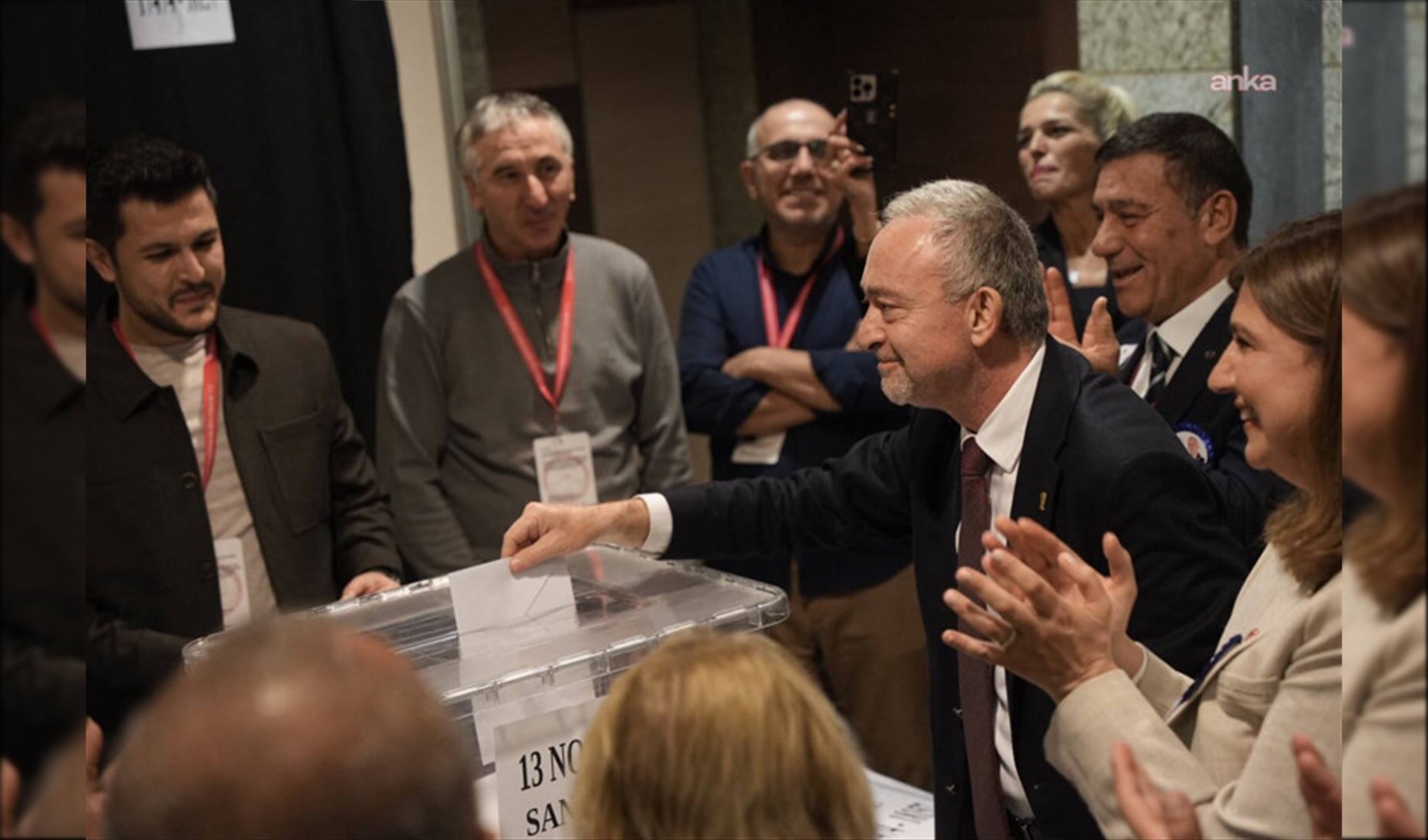
Ümit Kocasakal is the new president of the Istanbul Bar Association
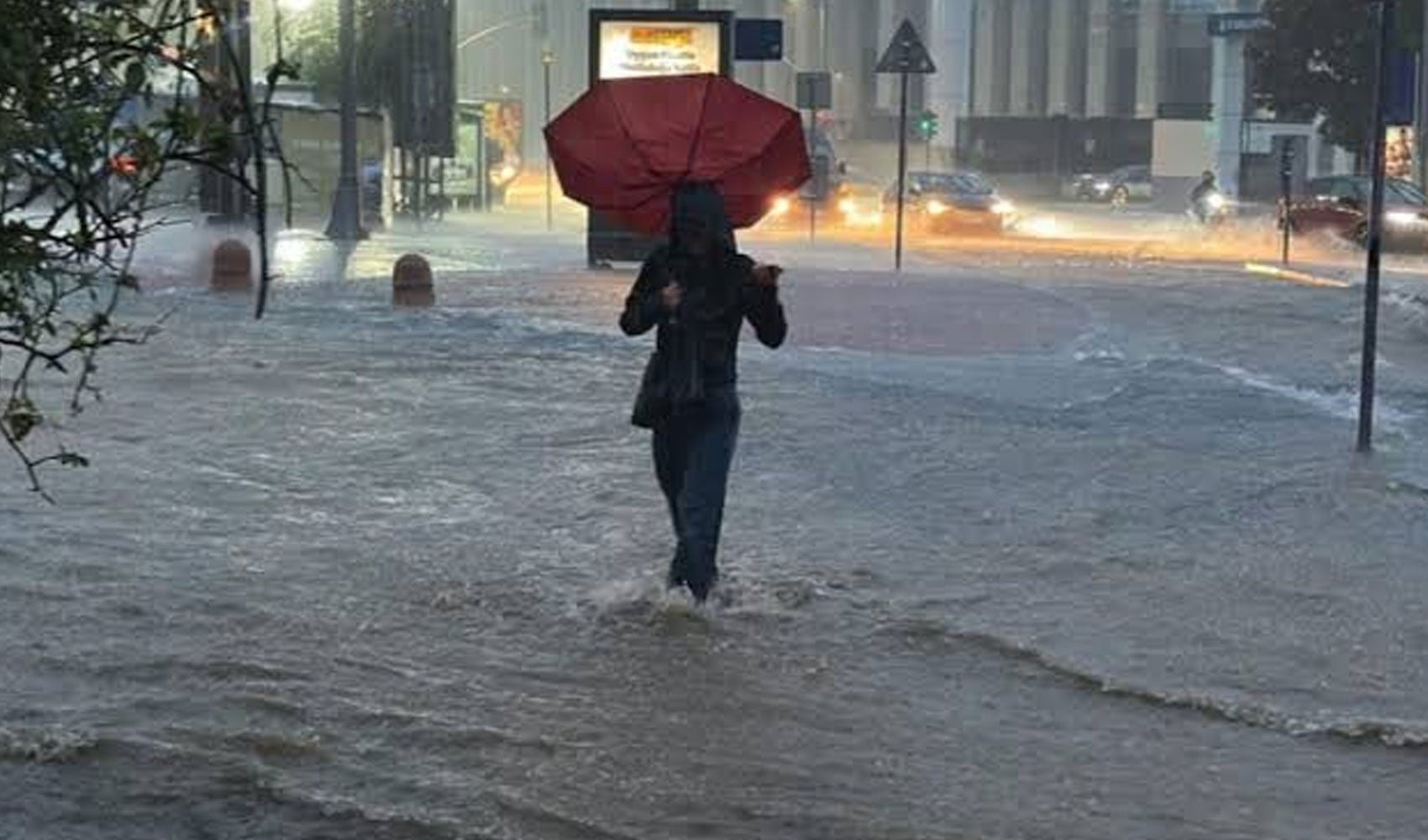
Storm and heavy rain alert in Istanbul!
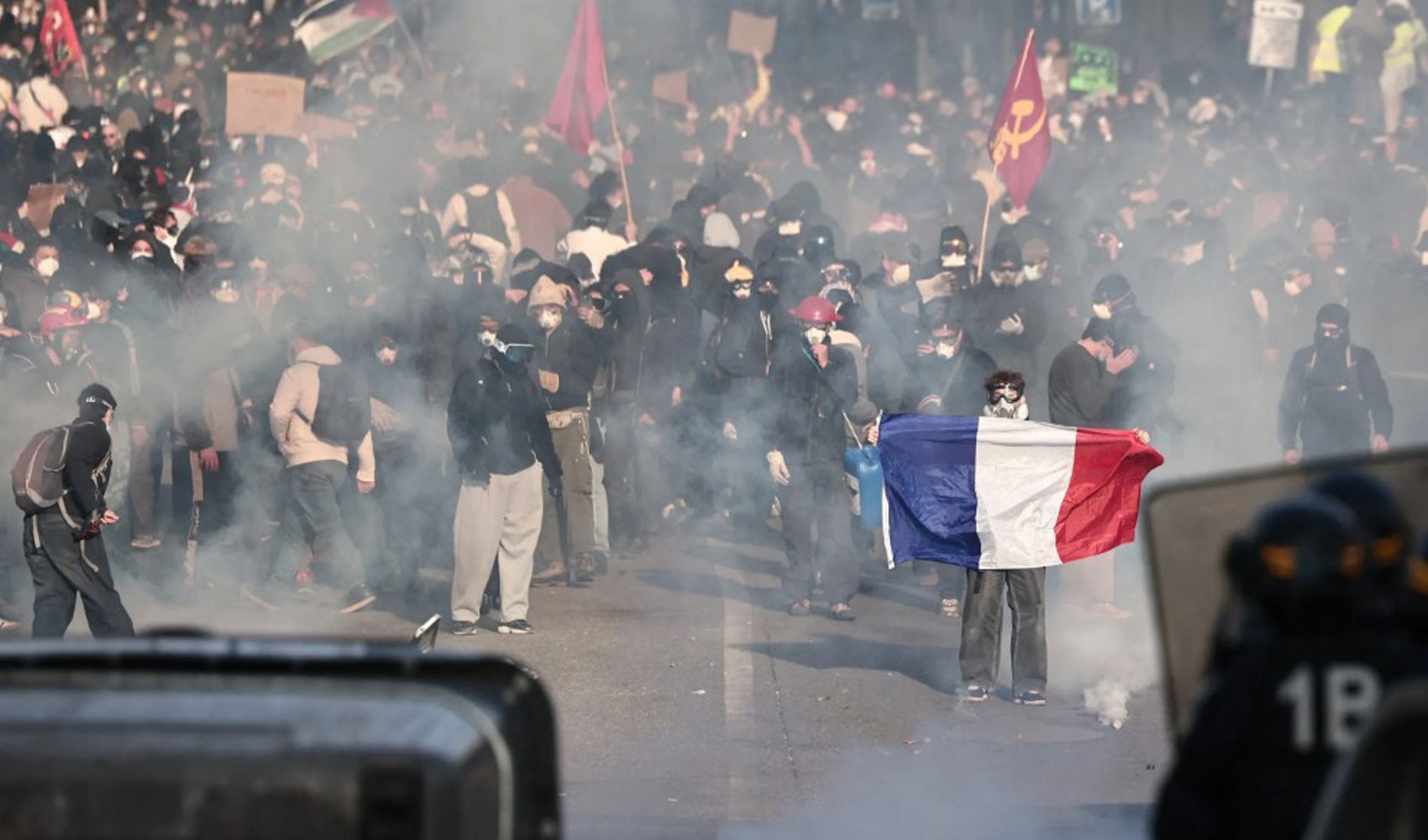
Protests against cost of living and education conditions continue in France
Courthouse employee found dead in his home

Those who touch it get burned... A 'Fund' shackle for a female shopkeeper too!..

The institution that dismissed Ebru Eroğlu’s father has been identified

He lay on the ground to stop the vehicle, then jumped into the driver's seat and fled when the driver got out
Hüseyin Özbek's take: 'The expansionists lost, the Republican alliance won'
Toppled by two articles

New footage emerges in jewelry store attack