


Prayer rooms in schools and the true context of the debate



Osman Bölükbaşı, one of the prominent figures of the Turkish right, once said: “I have examined all sectors throughout my life, and I have seen that the most profitable one is the trade of religion.” If religion has become a sector in one place, there are not only its merchants but also those who turn a blind eye to this situation, those who profit from the aforementioned trade, and a political-commercial religious alliance that operates precisely in this direction. This alliance does not represent religion; it represents its own interpretation and interests. Objecting to the alliance's policies, rhetoric, and the direction it has set does not mean objecting to religion itself.
In that case, debates must be taken with their subjects and contexts; both logic and a scientific perspective dictate this.
Let us open the subject with an example, if you will.
The Istanbul Governorship recently sent a letter to the District Governorships. The letter stated that, within the framework of existing facilities, appropriate areas should be arranged as Friday prayer rooms. According to the letter, it was also stated that “in the projects and planning of newly built schools and educational institutions, space should be allocated for a prayer room with sufficient physical capacity to allow for Friday prayers.”
Following this, different reactions arose from various segments regarding the prayer room decision. Subsequently, responses to these reactions resonated in the public sphere.
So, how should one approach the prayer room decision? How should the aforementioned debates be handled on a social and political ground?
First of all, let us state that, as we mentioned at the beginning of our article, objecting to the policies of the dominant political structure regarding religion targets the government's religious politics, not religion itself. It reveals the consequences of the practice intended to be implemented, and the change and transformation that these consequences will create in the political and social order. Ultimately, the social structure and the functioning of this structure are not established spontaneously; they are built step by step through a process that goes from thoughts to decisions, from organizations to associations, and from there to regulations and laws. It is not just certain segments, but the entire society that is affected by the results. As such, discussing, approving, or rejecting the decisions one is subjected to, and expressing reservations about this decision, is a necessary consequence of a democratic society. A contrary situation points to an authoritarian or even totalitarian system, where it is not possible to speak of a citizen identity. Therefore, what is defended in the debates is also the order of the citizen; what is revealed is a political identity, and what is condemned is the concept of the subject.
Let us come to the issue of prayer rooms in schools.
What did we say? Any subject concerning the social structure cannot be read independently of the subject that brings it to life. Continuing with the prayer room issue, we must start with these questions: How does the subject that will bring the prayer room to life handle religion? On what ground and within what framework of relations does it conduct its relations with religious segments? How does it approach different religions and beliefs; does it pursue a fair and egalitarian approach here? And, of course, what kind of test is it passing regarding secularism, and what kind of contribution is it making to the democratic world? The answers to all these questions will also reveal what the government essentially wants to do and the social order it dreams of. Because these questions bring the whole picture, the entire truth, before us. At the point we have reached, we must not lose sight of the forest while looking at the trees. The prayer room is the tree here, while the forest is the government as a whole and the Turkey it has created.
The forest described by the created Turkey provides us with a judgment and offers an opinion regarding every sapling to be planted and every decision to be made. For example, is a step being taken in the direction of freedom of religion and conscience with the prayer room decision, or is religion being used as a tool for politics again from another place, and is a call being made to the ballot boxes from here? The answer to these and similar questions tells us the reality of the Turkey we are experiencing.
When we go to that reality, we see that trust in justice, especially in political cases, has been shattered, freedom of thought and expression has been put under pressure, universities have lost their autonomy, even rectorate elections have been canceled and made dependent on political will, and sometimes elections have been disregarded and repeated, thus threatening democracy. In such a place, neither prayer rooms nor any other subject can be discussed in isolation. Because every debate has a dynamic. To speak while ignoring these dynamics means interpreting any statement independently of its owner. However, the value and reputation of a statement are not free from its owner. Then, just as a statement cannot be discussed independently of its owner, political issues cannot be handled independently of the government.
The result?
If justice in a country has remained in the shadow of politics, if universities have lost their autonomy, if freedom of thought has been suppressed, if secularism is being eroded a little more every day, and if religion has become one of the primary tools for producing political legitimacy; then the prayer rooms to be opened in schools cannot be evaluated solely as a place of worship. Because no political decision is independent of the mentality of the government that makes it. What needs to be discussed is not the four walls of the prayer room, but the political meaning intended to be loaded onto those walls. The real issue is not opening a space for children to worship, but the ideological direction toward which public education is being transformed.
Would you like to get notifications about new developments and save news?
- NotificationsNew developments and breaking news
- SaveNews is stored in the app
Most Read
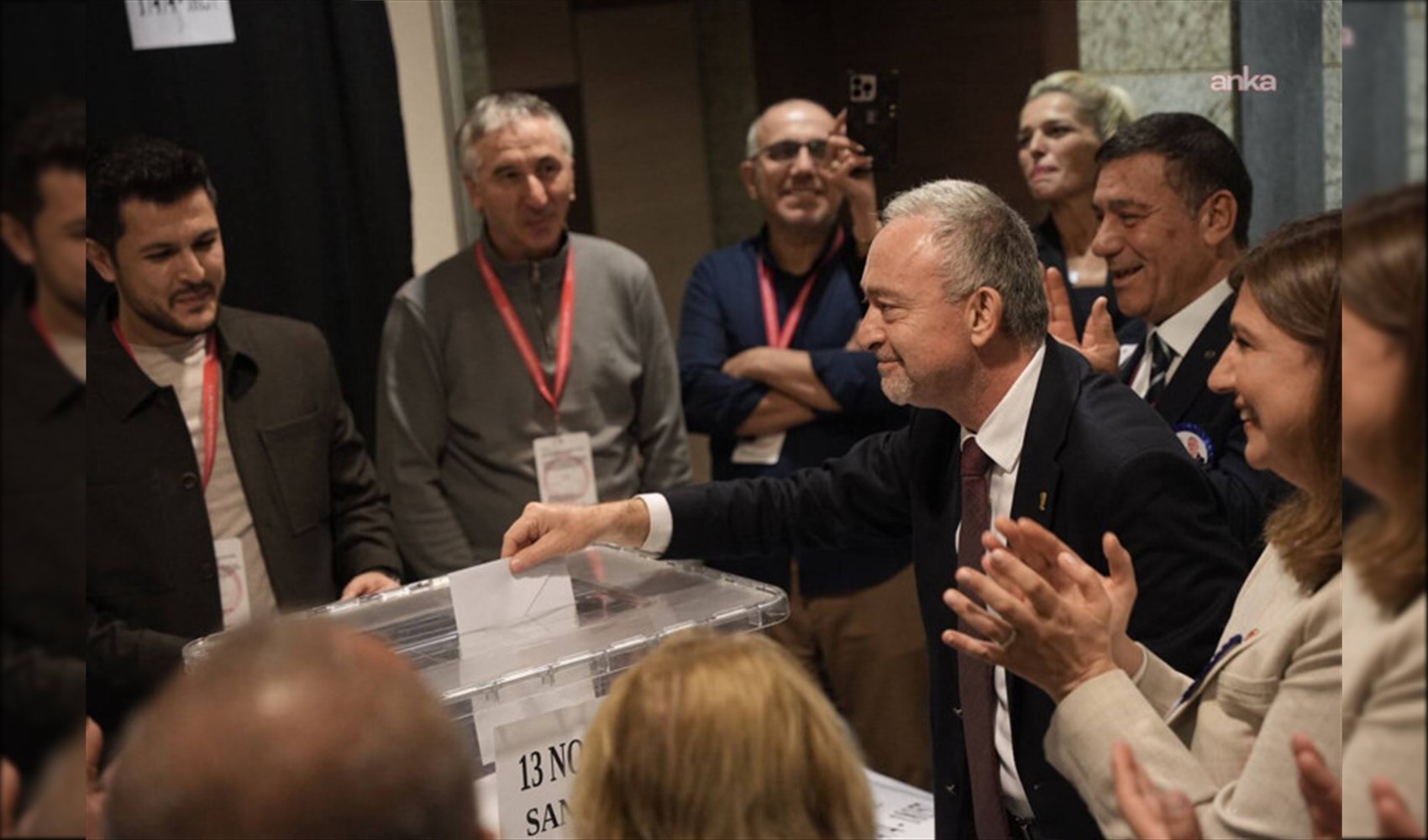
Ümit Kocasakal is the new president of the Istanbul Bar Association
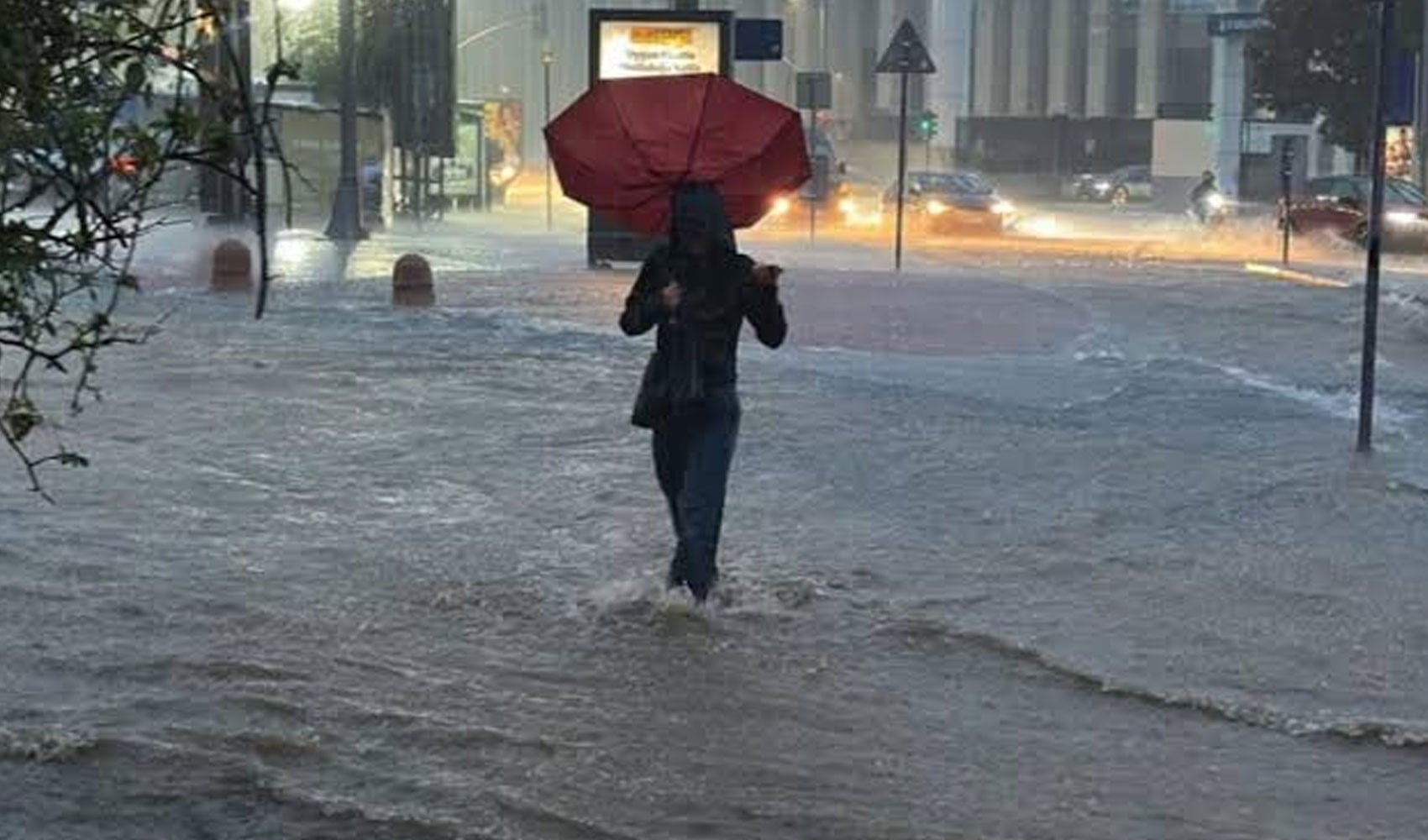
Storm and heavy rain alert in Istanbul!
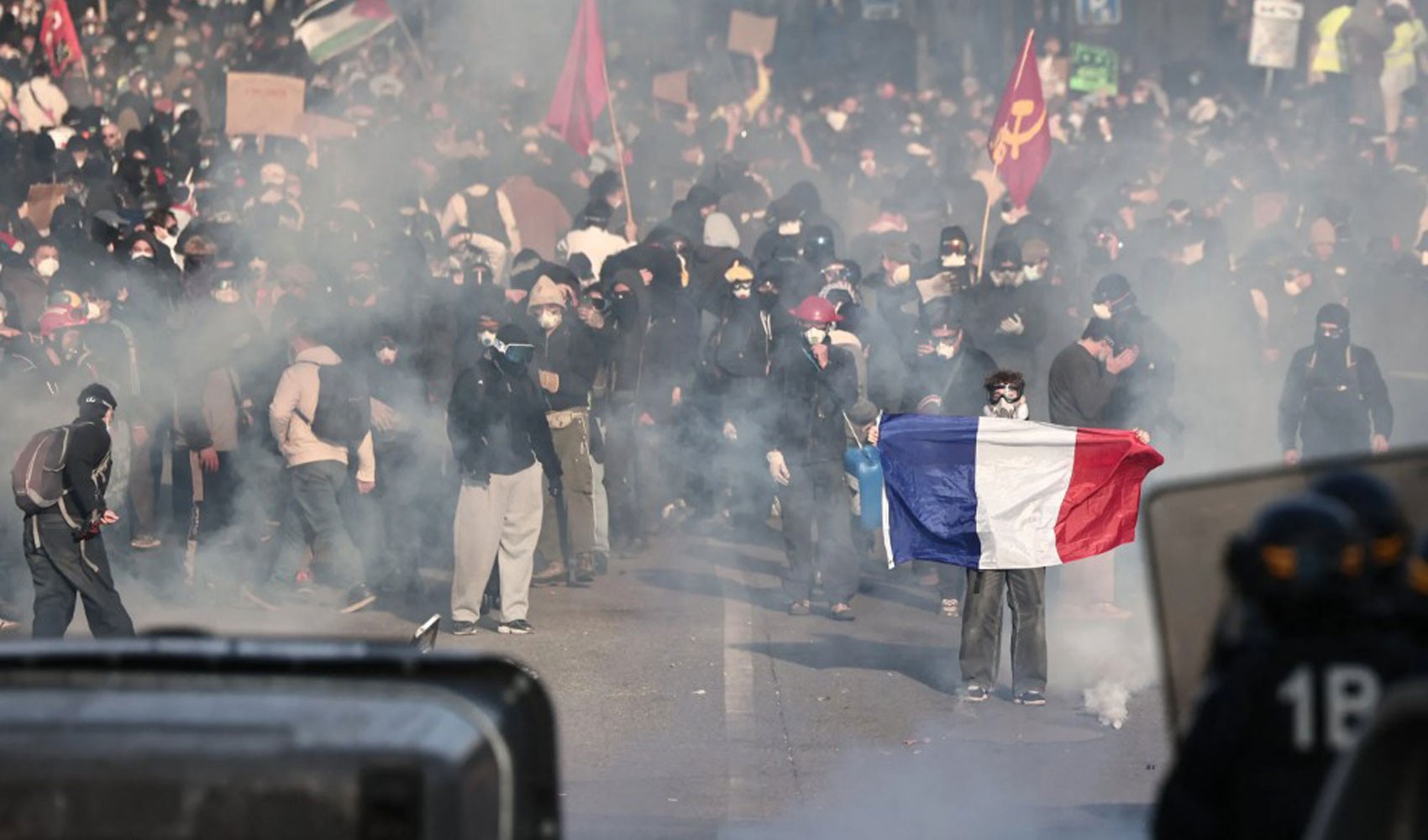
Protests against cost of living and education conditions continue in France
Those who touch it get burned... A 'Fund' shackle for a female shopkeeper too!..
Courthouse employee found dead in his home
The institution that dismissed Ebru Eroğlu’s father has been identified
He lay on the ground to stop the vehicle, then jumped into the driver's seat and fled when the driver got out
Hüseyin Özbek's take: 'The expansionists lost, the Republican alliance won'
Toppled by two articles
Seizure proceedings initiated at Tera Yatırım and Tera Portföy