



Much has been commented on the US president greeting the visiting Chinese leader at the steps of the plane. This is both because it is the first time a US president has done so in many years, and because the leader being greeted is the head of a state that the US defines as a rival, enemy, or adversary. That photograph not only showed that China is accepted by the US as not just an economic, but also a political, military, scientific, industrial, and technological power, but it also demonstrated other things.
It showed that a transition to a multipolar order has taken place. It showed that the US failing to adhere to the order for which it set the rules and established the institutions has imposed a heavy cost on the US. It showed that the US-centered Atlantic system is dissolving. It showed that the collapse of a world order that the rule-maker US itself did not follow, or even acted against, is legitimate and inevitable. It showed that in the face of Western-centered institutions, East-centered institutions, such as the Shanghai Cooperation Organization and BRICS, have a clear path ahead. It showed that the US views China as a rival not only economically but also ideologically and technologically. It showed that the US has not been able to be as deterrent as it wishes against China, Russia, and Iran.
Let us admit it; after the Cold War ended, the US thought it could do whatever it wanted, taking the European Union along with it and constantly invoking concepts like human rights, democracy, and freedom. It was wrong. As it spoke of a rules-based world order and a liberal world order, it disregarded these rules itself. Consequently, that order has also collapsed. The birth of a multipolar, multilateral, and multicentric world has accelerated. And that is a good thing. Now it is time to discuss the rules, institutions, traditions, and solutions of this new order.
So, who will conduct this discussion? Who will be part of these pursuits?
It is not right to expect this from the US. It is not realistic either. It is also impossible to expect it from the European Union. Because the Europeans are so subservient to the US that they do not even see Russia—a country where millions of people live who see their country as European in historical, political, social, cultural, artistic, and intellectual terms, alongside its Eurasian identity, with most of its territory in Asia and a part in Europe—as European. By excluding Russia, despite Russia, and by harboring hostility toward Russia, they are trying to build a European defense and security architecture. In the end, they are both mistaken and defeated.
As the new order is born, besides China and Russia, India also needs to be examined under a special heading. Because India is a nuclear power with the world's largest population and the 5th largest economy. It has issues with China and Pakistan, and good relations with Russia, the US, and the UK. It is a member of both the SCO and BRICS. On the other hand, it also takes a position against China within the QUAD quartet, alongside the US, Japan, and Australia.
In summary, as an order is being established where the West is running out of breath and the East is rising, where Atlantic institutions are dissolving and the institutions of Eurasia and, on a broader scale, the Global South are coming to the fore, it is first necessary to get rid of Cold War habits and rote memorization.
Most Read
Good business with Trump!..

Peer bullying: They soaked her, beat her, and dragged her by her hair
My rent in America was endorsed to the bearer, Abdülmecid
The same country, two economic realities
A post about Perinçek from Sedat Peker
A new world in the East, old habits in the West
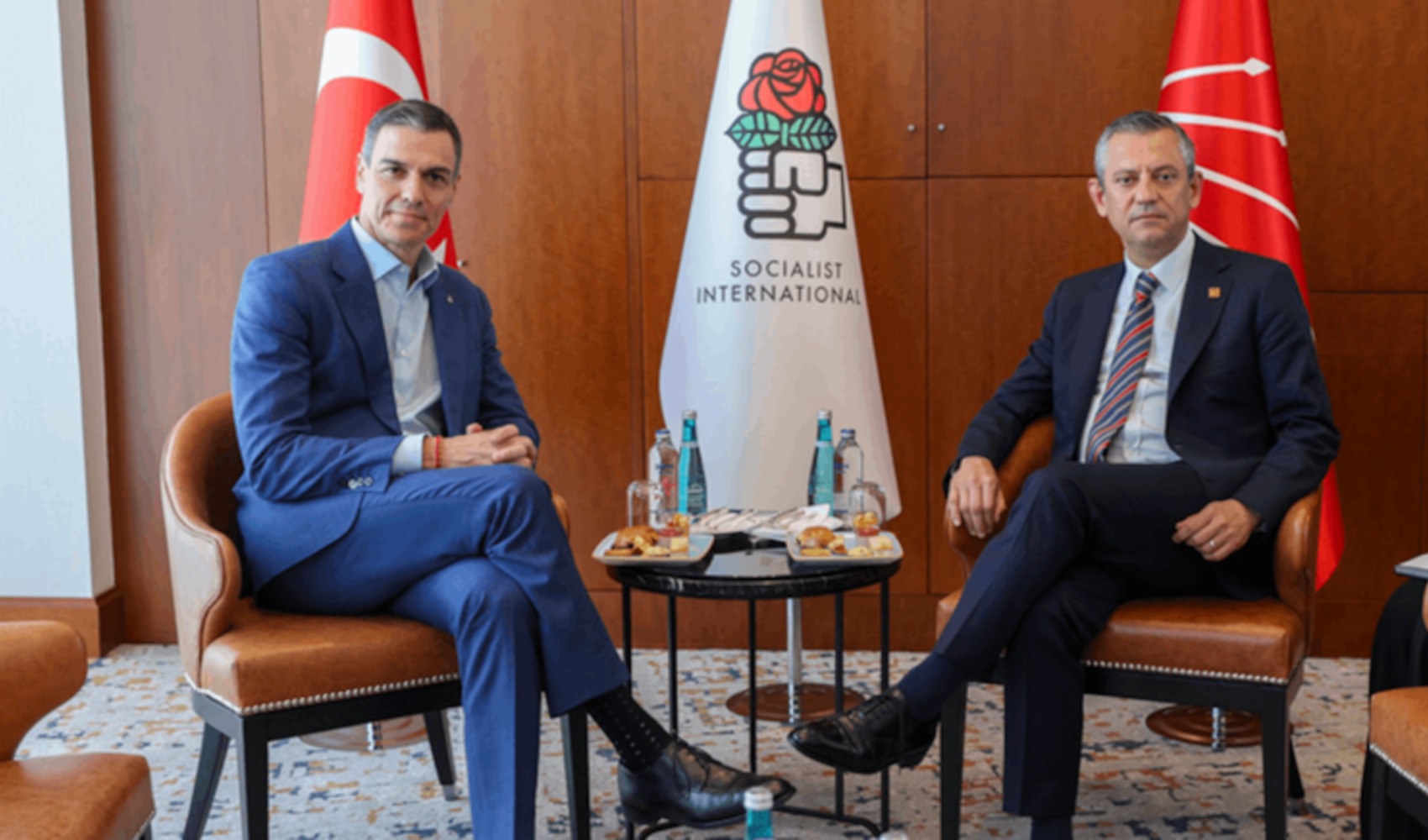
Socialist International's decision on CHP and YENİ Party
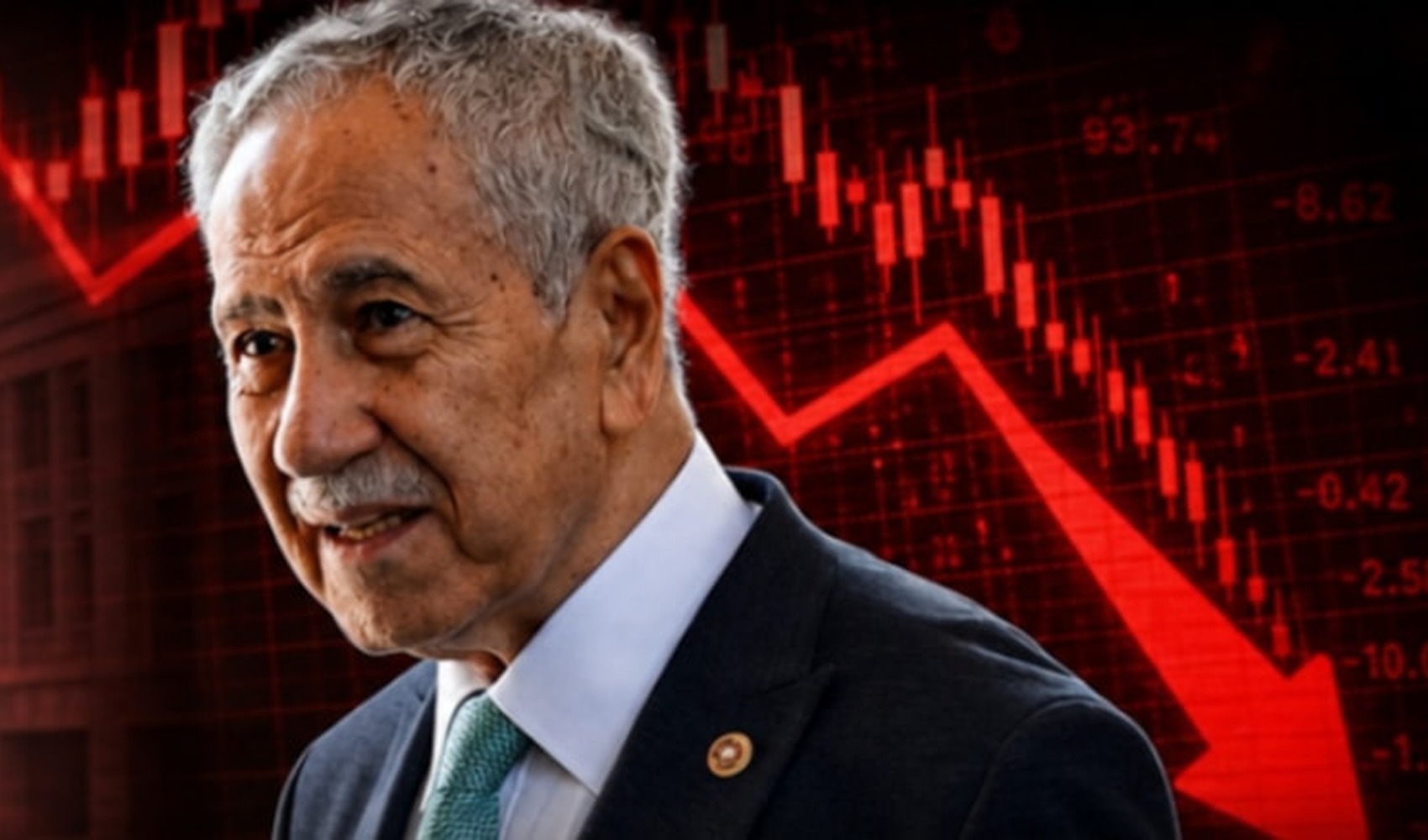
Bülent Arınç's reaction to the AKP regarding the fund crisis: Elections could be lost
Deafening and blinding operations: Identity politics

Test results for Melisa Şenolsun and Melis Sezen have been released