


Court of Accounts reports that have changed over time



When the Court of Accounts Law was completely renewed in 2011, many people, including myself, were filled with hope. The main reason for this was that many issues, which were previously known only to the parties involved but concerned all tax-paying citizens, would now be shared with the public.
Within the scope of the new Court of Accounts Law, reports belonging to general budget administrations were brought to the agenda of the TBMM Planning and Budget Committee every year, and the members of the Court of Accounts who wrote the reports began to be present at the Committee to answer questions.
However, over time, we saw that the actual situation was far behind our expectations. First of all, Law No. 6085 on the Court of Accounts did not foresee the sharing of judicial reports containing public loss and criminal elements with the public, as was the case with the old Law No. 832 on the Court of Accounts. While the decisions of high judicial bodies are shared with the public today, the fact that the Court of Accounts continues to keep public loss reports, which concern all taxpayers, secret as it did in the past, is incompatible with today's understanding of democracy.
Another disappointment occurred in the TBMM. Although the regularity audit reports that the Court of Accounts began to prepare from 2011 onwards mainly aimed to notify the Parliament of errors in financial statements, many issues considered important, provided they do not contain public loss, are also included in these reports. Unfortunately, the Court of Accounts personnel who were present at the Planning and Budget Committee meetings where these reports were discussed and who prepared the reports were not utilized sufficiently. Reports containing many technical issues were unfortunately not sufficiently understood by deputies who were not experts in the subject, and by not asking the Court of Accounts members about the details and different dimensions of the subject, many issues were left in the shadows. However, as has been voiced many times in the TBMM General Assembly, the reports prepared by the auditors come to the TBMM having been subjected to censorship. The only way to learn about the censored sections is to ask questions to the Court of Accounts personnel who wrote the report.
The disappointment that saddens us the most is the qualitative and quantitative deterioration seen in the Court of Accounts reports over the years. Until a few years ago, items from the Court of Accounts reports were on the front pages of all newspapers at the end of September, but now the Court of Accounts reports are almost never mentioned.
The first things that come to mind from what we learned from the old Court of Accounts reports are the allocation of official vehicles and security to former deputy ministers, private hospitals defrauding the SGK and citizens, social assistance payments to the deceased, the purchase of official vehicles within the contract price in large-scale investments, tenders being given to companies chosen by administrators without announcement through the bargaining method, build-operate-transfer projects, and the determination of price differences and/or payment indices in city hospitals and mega projects in a way that causes loss to the state and provides an advantage to the contractor, and many other issues such as broker contractors who have the entire job done by subcontractors, which we had learned from the Court of Accounts reports in past years.
Last year and especially this year, it is seen that all of the Court of Accounts reports have been prepared with a philosophy of not rocking the boat. However, the auditors who write the reports are the same auditors, the legislation is the same legislation, and the audited institutions are the same institutions. So what happened that the reports were rendered ineffective in a short time? The only thing that has changed in the Court of Accounts in recent years is the president. After Metin Yener, the General Manager of Presidential Personnel and a favorite bureaucrat of Tayyip Erdoğan for many years, became the president, the influence of the palace administration finally began to show itself in the Court of Accounts reports, and the Court of Accounts reports that uncovered corruption were gone, replaced by reports that created no impact.
At this stage, the duty falls to the opposition deputies. It has become a necessity to create public opinion by pressuring the President of the Court of Accounts so that the versions of public institution reports before they were censored are sent to the TBMM and disclosed to the public.
The public, which pays a large part of the income it earns with such difficulty as taxes, should have the right to learn what kind of corruption the taxes they pay are squandered on.
Would you like to get notifications about new developments and save news?
- NotificationsNew developments and breaking news
- SaveNews is stored in the app
Most Read

Murat Ağırel’s police statement has been revealed

Video response to Kim Jong-un claims
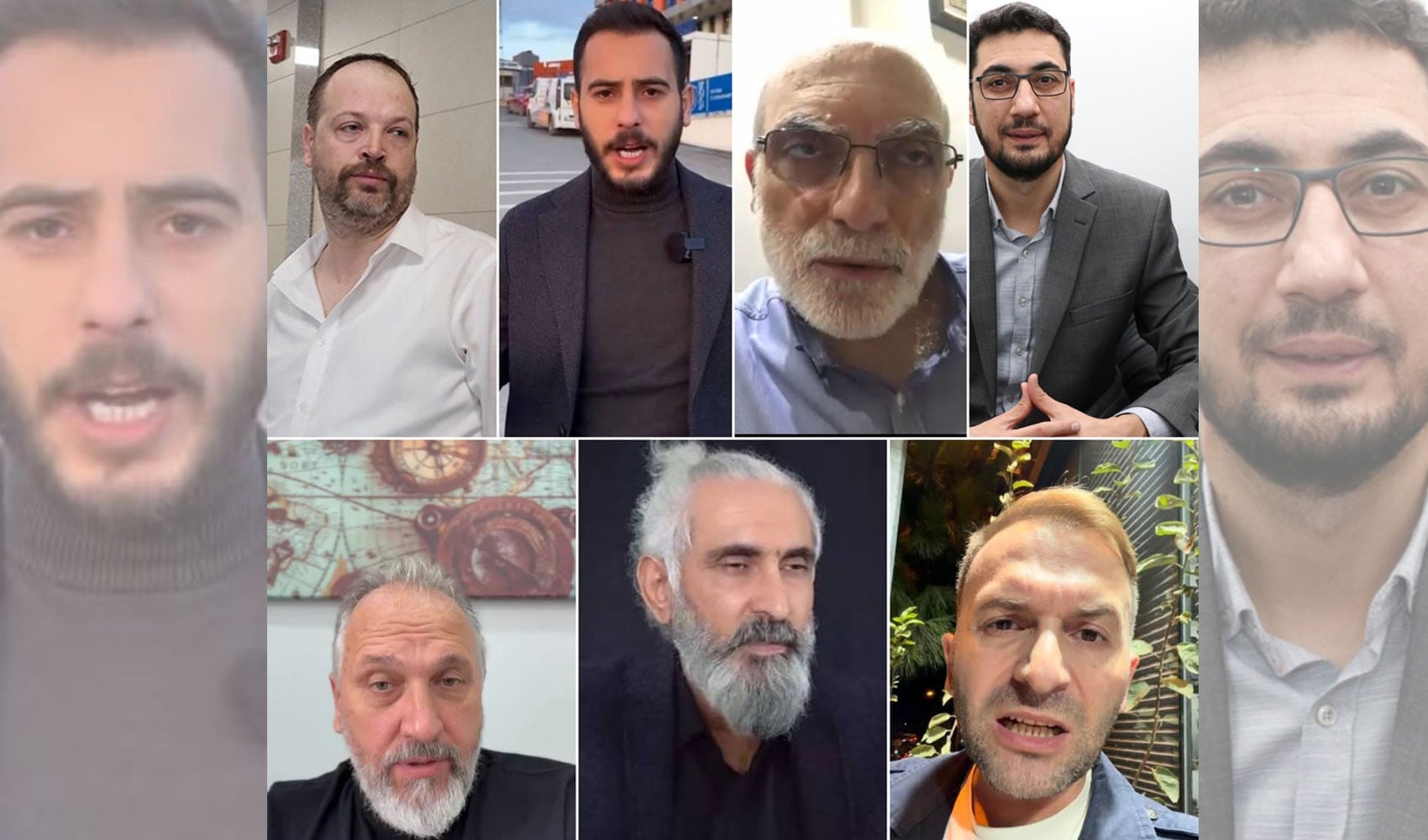
Azerbaijan issues arrest warrants in absentia for 7 people living in Turkey

The Orionid meteor shower will be visible from Turkey!

The penalty for Ronaldo, who left the national team camp, has been announced

Fatoş Seğmen reveals the cause of her daughter's death

Injury shock at Liverpool: He may miss the Fenerbahçe match

Latest status in the race between AKP and YENİ Party revealed

Who authorized the concert held in a parking garage?

From brotherhood to a distant partnership...